
Wholesale roasted coffee demands more than a good sample. Buyers need consistent roast quality, reliable delivery, competitive pricing, and flexible contract terms that adapt to changing demand. Choosing the right supplier means evaluating coffee performance across multiple orders, not just the initial tasting.
This article explains what buyers should consider before signing a wholesale roasted coffee supply contract, including quality verification, sourcing transparency, and long-term supply arrangements.
At Bali Origins, we produce premium Indonesian green and roasted coffee beans for cafés, retailers, distributors and other B2B buyers. Our certified processing team and structured quality-control procedures support more consistent products and dependable wholesale supply.
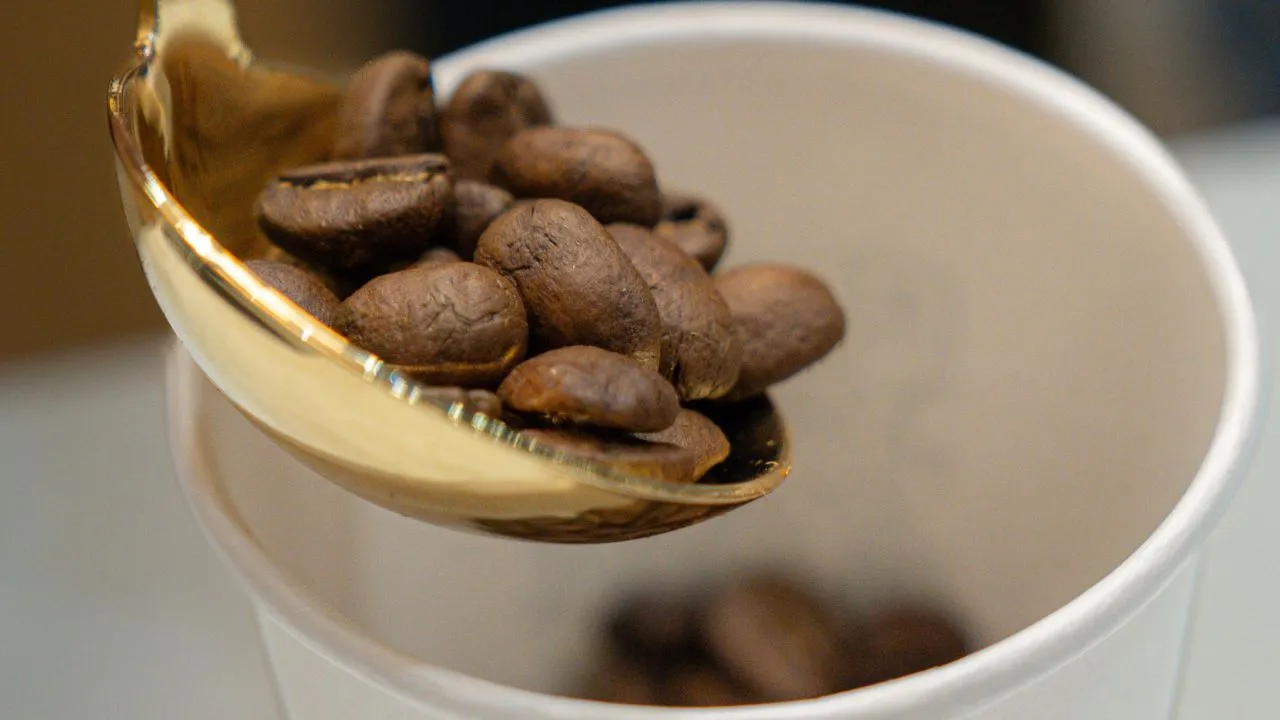
Define Your Wholesale Roasted Coffee Requirements
A common mistake when sourcing wholesale roasted coffee is evaluating suppliers before defining your business needs. Without clear benchmarks, discussions focus on the supplier’s strengths instead of your operational requirements.
Before contacting a roaster or distributor, ensure:
- Weekly and monthly volume: Estimate your typical demand, including peak periods, not just the average week.
- Product range: Decide if you need espresso blends, filter coffee, single-origin options, decaffeinated coffee, or a combination.
- Cost per cup: Set an acceptable cost range for your menu based on dose and expected yield instead of only comparing price per kilogram.
- Consistency requirements: Specify the acceptable level of variation between batches for your team and customers.
- Roast-date requirements: Determine the required freshness on delivery and how quickly your business uses inventory.
These requirements help you determine if a supplier can support your business effectively. Even high-quality coffee may not be suitable if the supplier cannot meet your delivery, volume, or freshness needs.
What Is Cost per Cup?
Cost per cup is the estimated cost of the coffee used to prepare one beverage serving. It depends on the coffee price per kilogram, the dose used for each drink, and the usable coffee yield from the purchased quantity. For cafés, this calculation helps compare wholesale offers based on serving costs rather than price per kilogram alone.
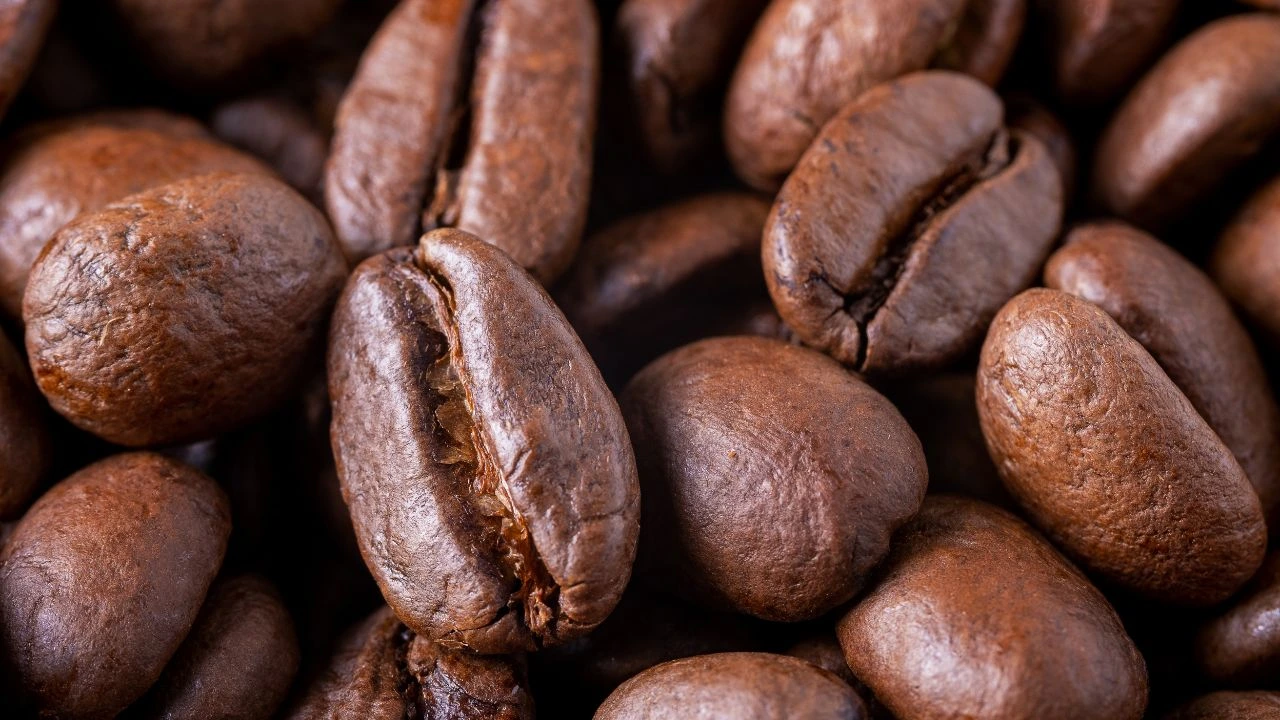
Verify Roast Quality Beyond the Initial Sample
A sample tasting is a useful starting point but cannot show how consistently a supplier will perform over time. Wholesale buyers should evaluate coffee across multiple batches and under the brewing conditions it will be served in.
Roast dates are an important part of this evaluation. They help buyers understand when the coffee was roasted and how much time has passed before delivery. Coffee also changes after roasting, and its extraction behavior depends on factors such as roast profile, storage, packaging, and rest time.
For espresso, the right rest period varies by coffee and roast. Buyers should check if the supplier’s delivery schedule allows enough time for the coffee to reach its intended brewing performance.
Consistency across batches deserves particular attention. Tasting the same blend from two or three different roast dates can reveal differences that a single sample may not show. Significant variation can affect grinder adjustments, extraction recipes, staff training, and the customer experience from one visit to the next.
Testing samples with your own grinder, water, equipment, and brewing parameters gives a more relevant assessment than relying solely on the supplier’s recommended recipe.
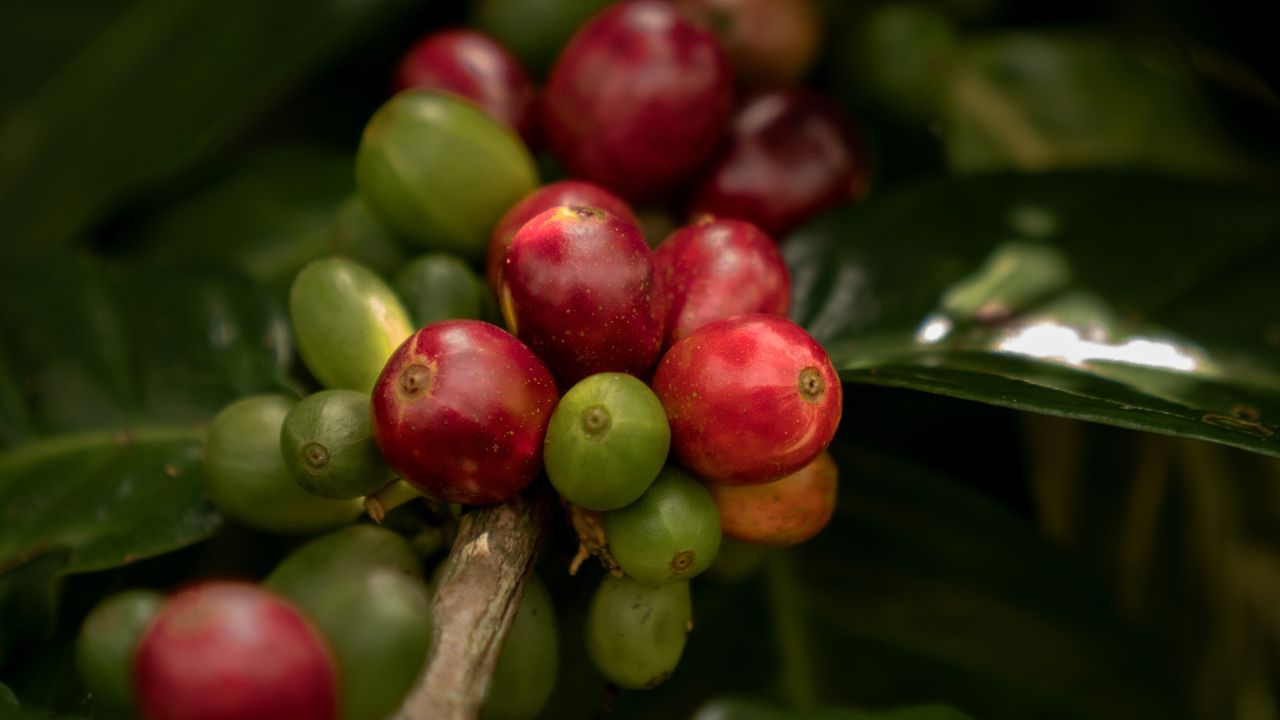
Understand the Coffee's Origin and Sourcing
A roaster’s understanding of its coffee sources provides valuable insight into its quality control and supply consistency. Claims such as “ethically sourced” or “direct trade” are more credible when supported by detailed sourcing information.
A supplier who provides clear sourcing details should be able to explain:
- Country and region of origin: Where the coffee comes from, including the origins of individual components in a blend.
- Processing method: How the coffee was processed after harvesting, which can influence its flavor profile and roasting performance.
- Crop year: When the coffee was harvested, providing context for its age and freshness before roasting.
- Sourcing arrangements: Whether the green coffee came through an importer, trader, or a direct relationship with producers or other supply-chain partners.
This information helps buyers understand the raw materials behind each product and how sourcing changes may affect order consistency. It also supports documentation needs in markets where supply-chain traceability and due diligence matter.
To learn more about how coffee origins are graded and how Indonesia’s approach differs from international standards, read our article on Indonesian coffee grading.
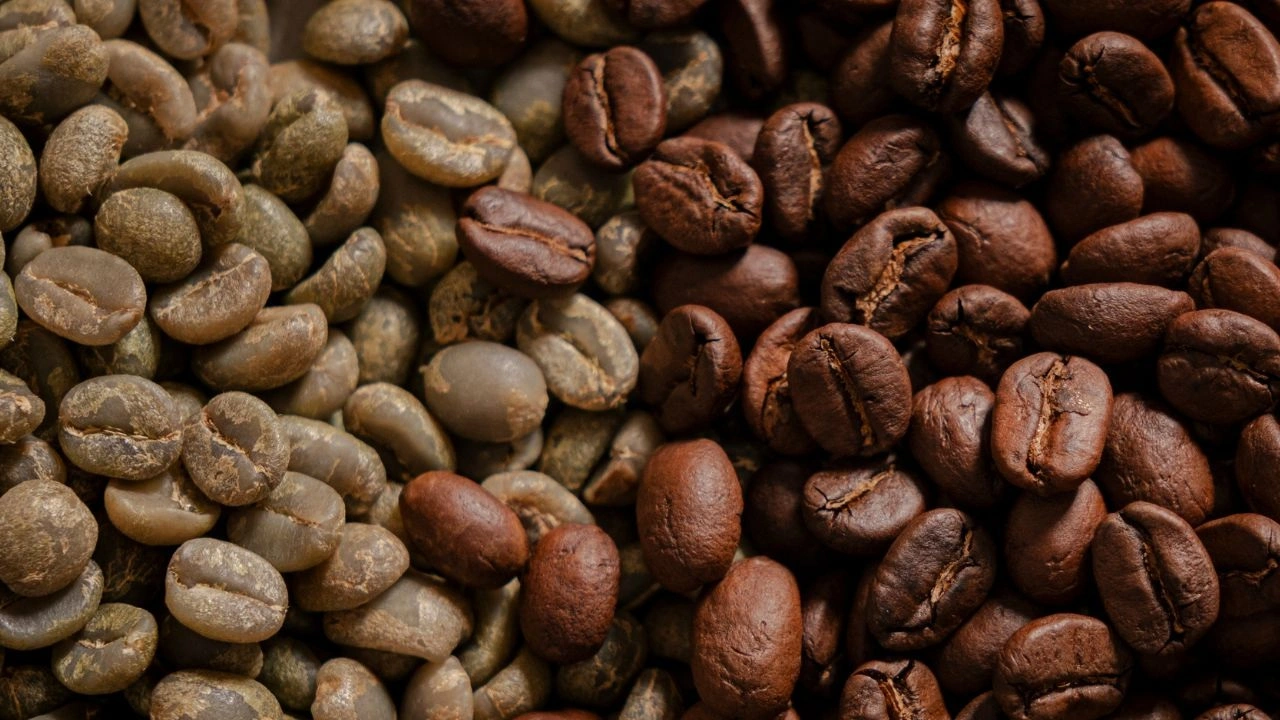
Maintain Consistency Across Wholesale Orders
Consistency in wholesale roasted coffee is shaped by more than just repeating a roast profile. It also depends on green coffee quality and supply, how you manage blending components, and the checks you use during roasting and quality control.
For blends, changes in an individual component’s availability may require recipe adjustments. To maintain a similar flavor profile, select suitable replacement lots and evaluate their performance in the blend. The objective is to preserve the intended product characteristics.
Roast management is also important. Keeping records of roast profiles, batches, and quality checks helps roasters track production and spot any changes. Depending on the setup, measuring roast color can provide additional reference points alongside tasting.
Clear product specifications help make these steps easier to manage. Buyers and suppliers can agree on the target flavor, acceptable variation, and what to do if the coffee doesn’t meet those standards.
Reliable delivery also supports consistency. Even if the coffee meets quality standards, late arrivals can disrupt a café’s service or a retailer’s planning. Good wholesale relationships depend on both steady product quality and a delivery schedule that fits the buyer’s needs.
Review Contract Terms Before Committing
A wholesale roasted coffee contract should clearly explain purchasing obligations, pricing arrangements, equipment conditions, and the process for ending the agreement. The details matter because these terms can affect a buyer’s costs and flexibility throughout the relationship.
Volume Commitments and Minimum Orders
Some suppliers set wholesale prices based on minimum monthly or yearly orders. Buyers need to know how these commitments work during slow periods and if the agreement allows changes when demand shifts.
Price Adjustments
Changes in green coffee costs, packaging, energy, labor, and logistics can affect roasted coffee prices. The contract should explain when prices may change, how much notice is required, and whether any limits or review mechanisms apply.
Exclusivity
Some agreements require buyers to purchase exclusively from one supplier, sometimes in connection with equipment or other commercial benefits. Buyers should understand the scope of any exclusivity clause before committing, especially if they expect to introduce additional origins or products later.
Equipment Arrangements
A supplier may provide equipment at a reduced price or under a loan arrangement tied to a coffee supply agreement. The contract should clarify ownership, maintenance responsibilities, and what happens to the equipment if the agreement ends.
Termination and Notice Periods
The notice needed to end a contract depends on the agreement. Buyers should check how much notice is needed, if there are early exit costs, and if any orders or equipment must still be settled before signing.
Reading these terms carefully helps buyers understand the commercial commitment beyond the price per kilogram.
What Is an Exclusivity Clause?
An exclusivity clause restricts one or both parties from entering certain business relationships with other suppliers or buyers. In a wholesale coffee agreement, it may require a buyer to purchase specified coffee products exclusively from one supplier. Buyers should review its scope, duration, and any conditions before signing.
Assess Operational Support and Communication
Buying coffee wholesale is more than placing an order. The support and communication you receive from the supplier also shape how the coffee fits into your business.
Before signing, assess the following areas:
- Onboarding and training: Consider whether the supplier provides hands-on support with extraction, calibration, and recipe development, or relies mainly on written instructions and samples. For espresso-focused businesses, initial calibration and follow-up support can help improve consistency.
- Responsiveness: Understand how the supplier handles supply disruptions, delivery delays, unexpected flavor variations, or equipment issues during busy periods. Clear communication is especially important when problems need to be resolved quickly.
- Account management: Having a single contact who knows your business makes it easier to solve problems and keep things running smoothly. Ask who will look after your account and how you can reach them.
Where possible, run a structured trial before committing to a long-term contract. Place two or three orders and track delivery times, batch consistency, and communication throughout the process. A 30- to 60-day trial can provide a more realistic picture of the working relationship than a single sample tasting.
Build a Wholesale Partnership for Long-Term Supply
A successful wholesale relationship requires clear expectations and communication from both parties. Buyers should provide realistic volume forecasts, product requirements, and delivery needs. Suppliers should communicate availability, pricing changes, and relevant product or production updates.
While neither party can prevent all changes in agricultural supply or business demand, an agreement with clear specifications and effective communication procedures helps manage these changes more efficiently.
Buyers should seek supply partners whose products and operations align with their long-term business needs. Assessing quality, consistency, commercial terms, and service together offers a stronger basis for decision-making than relying solely on price or sample quality.
Bali Origins supplies premium green and roasted coffee from Indonesia to cafés, retailers, distributors, exporters, and hospitality partners. Our wholesale offering focuses on quality, consistency, and supply relationships designed to support different business requirements.
If you are looking for a wholesale roasted coffee supplier from Indonesia, contact Bali Origins to discuss your product requirements, expected volumes, and supply options.
Wholesale Roasted Coffee FAQs
A. What should I check before signing a wholesale roasted coffee contract?
Evaluate roast quality across multiple batches, sourcing information, delivery reliability, pricing arrangements, minimum order requirements, and contract terms covering exclusivity, equipment, and termination.
B. How do I verify consistency in wholesale roasted coffee before committing?
Request samples from multiple roast dates and test them using your own brewing equipment and recipes. A trial involving several actual orders can also help assess product consistency, delivery performance, and communication.
C. Why does the roast date matter when buying wholesale coffee?
The roast date indicates when the coffee was roasted and helps buyers assess its freshness at delivery. The appropriate time between roasting and use depends on the coffee, roast profile, brewing method, and storage conditions.
D. What should buyers look for in wholesale coffee pricing?
Compare the price per kilogram alongside minimum order volumes, shipping costs, packaging, payment terms, and any conditions attached to wholesale discounts. For cafés, estimating cost per cup can provide a more useful comparison than price per kilogram alone.
E. What are equipment tie-ins in wholesale coffee contracts?
Equipment tie-ins are arrangements where a supplier provides equipment as part of a coffee supply agreement, sometimes at a reduced price or on loan. Buyers should review equipment ownership, maintenance, exclusivity, and return or buyout obligations before signing.
F. How does Bali Origins support wholesale coffee buyers?
Bali Origins supplies premium green and roasted coffee from Indonesia to wholesale partners across several business categories. Buyers can contact the team to discuss available products, volume requirements, and suitable supply arrangements.