
Coffee and roasting are deeply connected. Roasting the same coffee may seem to produce consistent results, but small changes in raw bean quality, processing, or roasting management can alter the final flavor.
Coffee buyers and roasters need to understand this variability. Minor differences can impact the reliability and performance across the product line.
This article explains why the same coffee might taste different after roasting and the factors that influence consistency among batches.
Coffee and Roasting: Why Results Are Not Always Consistent
The roasting process means heating green coffee beans at a controlled temperature. During this process, moisture evaporates, sugars develop, and aromatic compounds are formed.
Roasting does not create new flavors. It highlights the natural qualities of green beans. Small changes in the beans can lead to different results in the cup.
Consistency depends on the stability of the inputs and the precise control of the roasting process.
Differences in temperature and roasting time between batches cause variations in coffee quality, making it difficult to maintain a consistent final product.
Aromatic compounds are chemical elements released during roasting that create coffee’s smell and contribute to its flavor perception.
Variations in Green Coffee Bean Characteristics
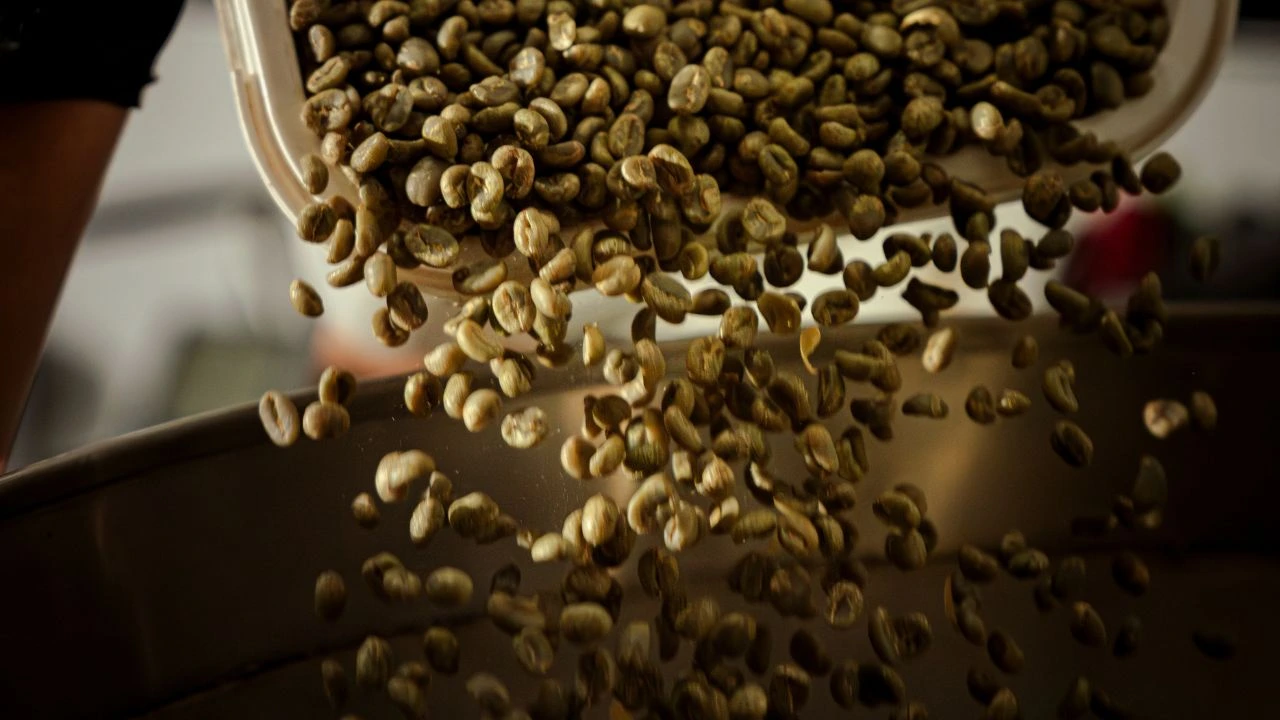
Even within the same origin or lot, green coffee beans are not uniform. How beans are grown and handled after harvest affects their roasting performance.
These variables include:
- Moisture content, which affects heat transfer and roasting progress
- Bean density, which affects how quickly the beans absorb heat
- Size and uniformity, which help the coffee roast more evenly
- Internal structure, which depends on how the beans were grown and processed
When broken or defective beans are roasted together with whole beans, the final cup loses its clean flavor and consistent aroma.
Therefore, processing green coffee beans before roasting is crucial. The roasting level must be adjusted to suit the processed beans to optimize the coffee’s final quality.
Moisture content refers to the amount of water inside green coffee beans. It affects how heat moves through the beans during roasting.
The Impact of Processing on Roasting Outcomes
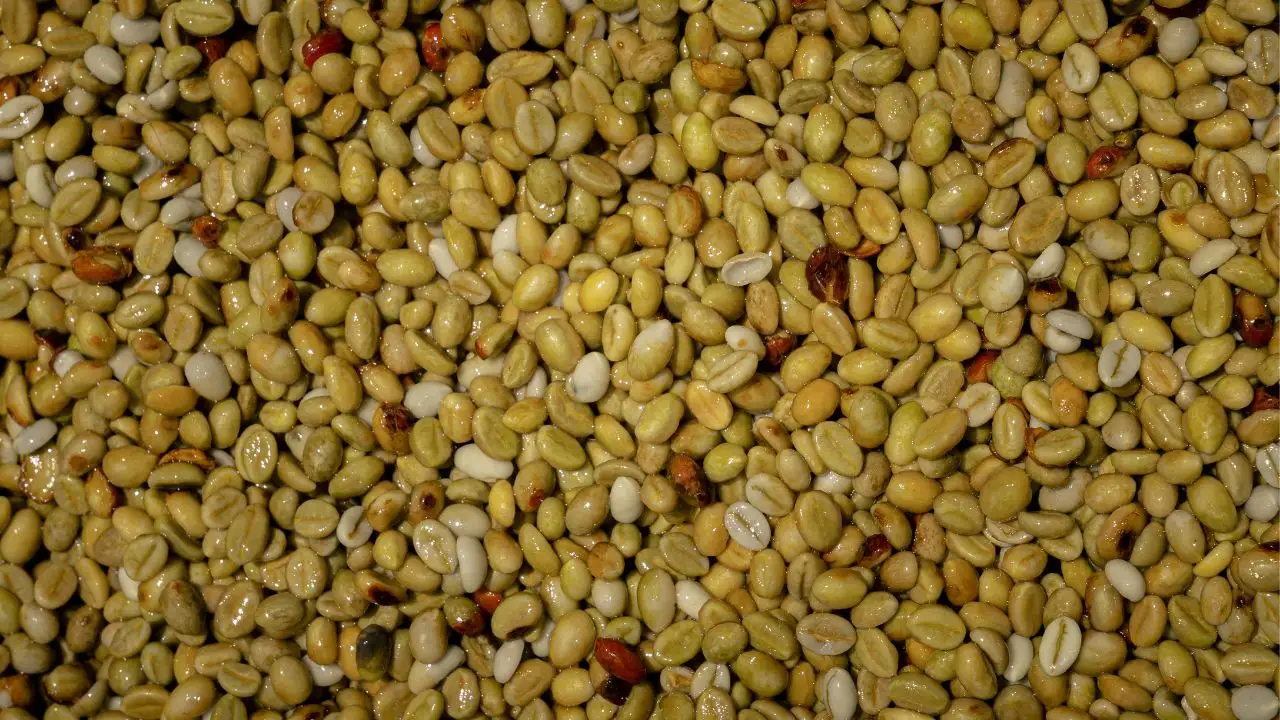
The processing method shapes the physical and chemical properties of green coffee beans, which in turn affect their response to heat.
Washed coffee tends to produce cleaner, more predictable results. Natural or dry-processed coffees often have higher sugar content, leading to faster caramelization.
Honey-processed coffees vary based on the amount of fruit left on the bean during drying.
Due to these variations, roasting levels and parameters should be adjusted to suit each type of processed bean.
Achieving quality standards requires precise roasting and careful control of time and temperature.
For a deeper look at how processing methods shape roasting behavior and flavor development, see our guide on coffee processing and its impact on roasting profiles.
Washed, natural, and honey are three main coffee processing methods that differ in the extent to which fruit remains on the bean during drying. Washed processing removes all fruit before drying, producing cleaner and more predictable flavors. Natural processing dries the whole cherry, resulting in higher sweetness and fruit-forward notes. Honey processing keeps some of the sticky fruit layer, creating a balance between clarity and sweetness.
Roasting Control and Environmental Factors
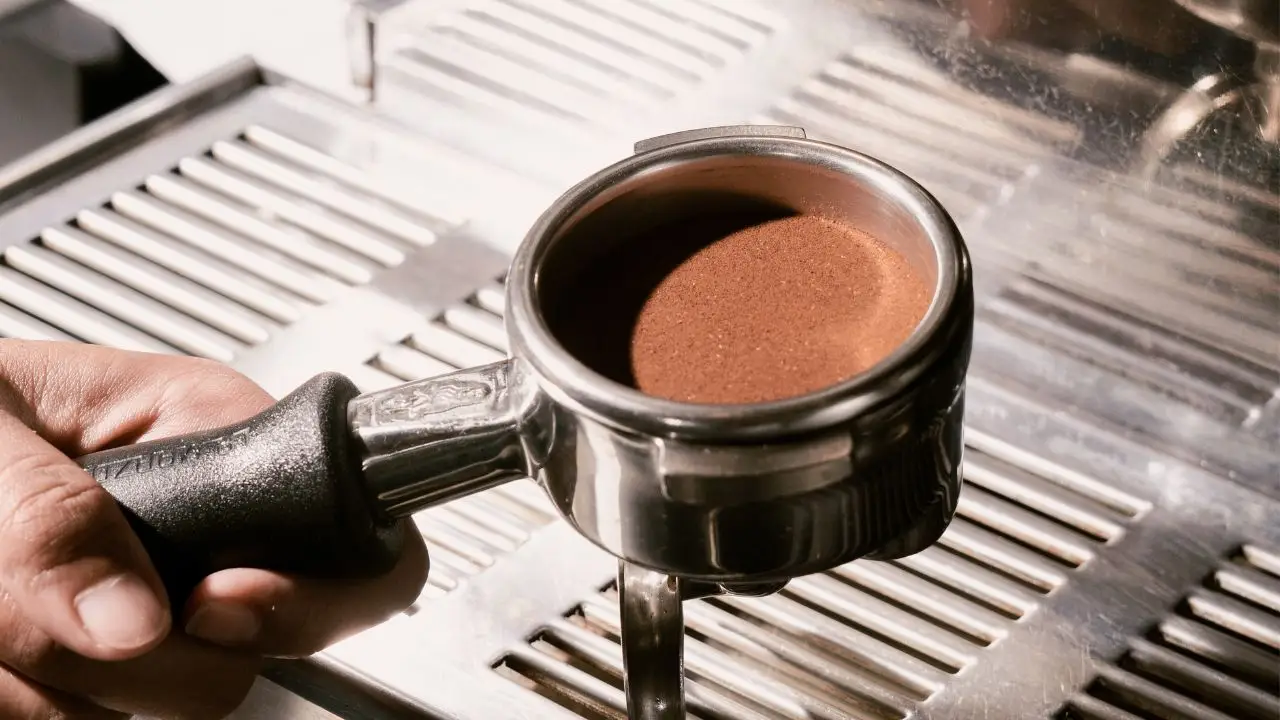
Roast consistency is influenced by how the roasting process is managed.
Careful control of roasting temperature and time helps bring out the best in each bean, prevents over-roasting, and keeps unwanted flavors out of the cup.
Important variables to consider include:
- Heat application, including the rate of temperature increase
- Airflow, which affects heat distribution
- Batch size, since larger or smaller batches can change how stable the temperature stays during roasting
- Environmental conditions, such as room temperature and humidity, can affect how beans respond to heat.
The roast level also shapes the final flavor. Light and medium roasts usually bring out more sweetness, a lighter body, and greater complexity in the cup.
Dark roasts, on the other hand, tend to create a heavier body by extracting more of the beans’ solids.
If the roast goes too dark, much of the coffee’s natural flavor, aroma, and sweetness can be lost, leaving a flat or bland taste.
Longer roasting and higher heat break down the acids in coffee, raising the pH and lowering acidity. This extra heat also changes the flavor, making the coffee taste stronger and more bitter.
Choosing the right brewing method for each coffee type helps bring out the best flavors and avoid unwanted notes.
For Robusta, using a light roast with the Siphon method gives a clear, balanced cup with steady flavor, aroma, and acidity.
For Arabica, a light or medium roast, brewed with an Aeropress or V60, brings out a balanced, complex flavor profile.
Siphon, Aeropress, and V60 are coffee brewing methods that extract flavor using different techniques. Siphon uses vapor pressure and a vacuum to produce a clean, well-defined cup. The Aeropress uses manual pressure to achieve a smooth, balanced extraction. V60 is a pour-over method in which water flows through coffee grounds under gravity, highlighting clarity and distinct flavor notes.
Why Consistency Becomes Challenging at Scale
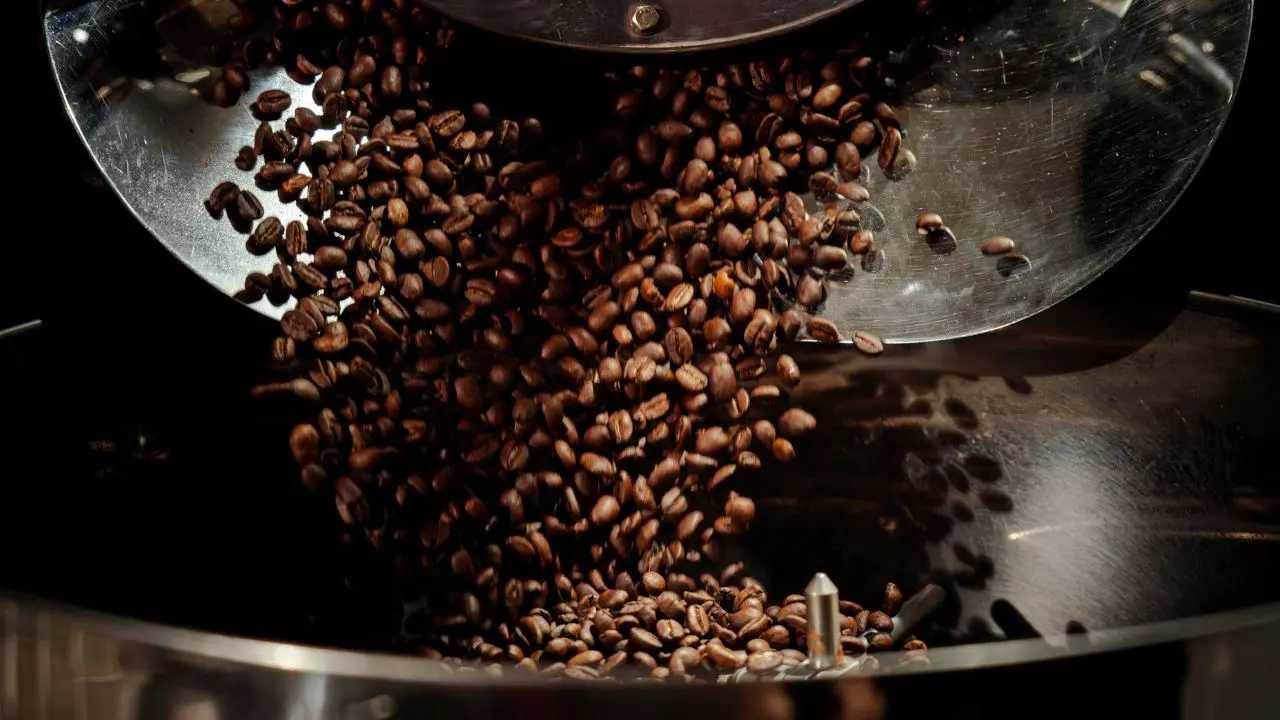
Managing variability is straightforward in small batches, but maintaining consistency at scale becomes challenging.
Coffee roasters need to consider:
- Differences between green coffee bean shipments
- Changes between harvest seasons
- Variability in large bean volumes
- Operational differences between roasting batches
Without consistent green coffee beans and a structured process, these factors may result in inconsistent outcomes over time.
Traditional roasting methods, such as pan roasting, are ineffective for consistent production because they do not distribute heat evenly.
To solve this, roasters use specialized machines that precisely control airflow, temperature, and roasting time.
In large-scale production, consistency comes from using big, rotating drum roasters. These machines stir the beans and use high heat, from 370°C to 540°C, to ensure every bean is roasted evenly.
A drum roaster is a machine that rotates coffee beans in a heated drum to ensure even roasting. It is commonly used for large-scale production.
The Role of Processing and Preparation in Reducing Variability
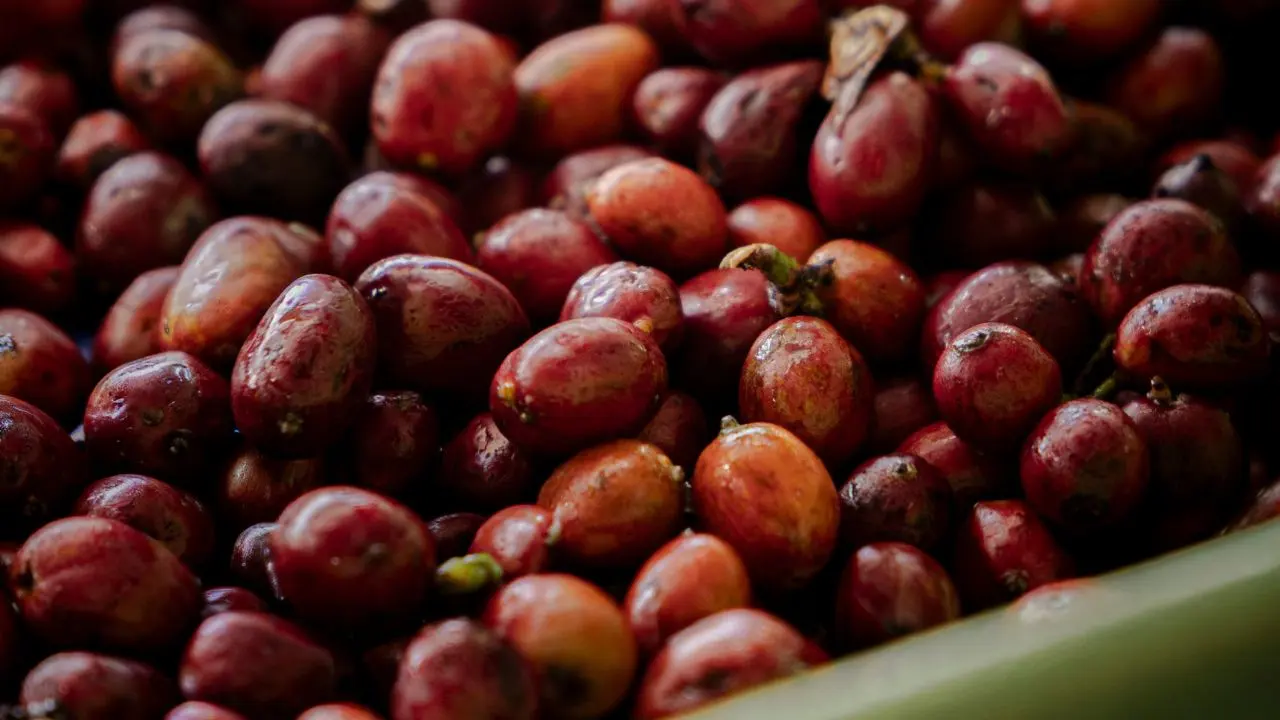
Sorting reduces differences in coffee cherries after harvest. When cherries vary in shape and size, hulling machines work less efficiently, and consistency drops.
Coffee beans can break or lose their protective hulls early. Unprotected beans are susceptible to physical damage and flavor changes.
A clear processing system maintains consistent quality by ensuring:
- Stable moisture levels protect beans during storage and roasting.
- Beans are selected and graded in a uniform way
- Controlled drying processes
- Each batch has consistent physical characteristics.
Managing these factors improves roasting predictability and ensures consistent flavor profiles.
Bali Origins addresses these challenges with structured processing, controlled post-harvest handling, and a coordinated preparation system for global buyers. By prioritizing stability and uniformity at the green bean stage, we deliver reliable roasting performance across batches.
Aligning Green Coffee and Roasting for Consistent Results
The flavor of roasted coffee can vary depending on how it is grown, processed, and roasted. Each step in the supply chain shapes the final taste in the cup.
Consistent flavor starts with stable green coffee, careful processing, and close control during roasting.
At Bali Origins, we follow a structured process for handling and preparing green coffee beans. This approach helps make sure every batch is reliable and ready for roasting.
For companies looking to reduce roasting risk and maintain consistent flavor, Bali Origins offers structured processing and careful green bean preparation. Get in touch to talk about supply options and long-term partnerships.
Coffee and Roasting FAQs
Why Can the Same Coffee Taste Different After Roasting?
The same coffee can taste different after roasting because small variations in green bean characteristics, processing, and roasting conditions affect the final result. Roasting highlights existing qualities in the beans, so even minor differences in input can lead to noticeable changes in flavor.
What Is the Relationship Between Coffee and Roasting Consistency?
Coffee and roasting consistency depend on both stable raw materials and precise roasting control. Variations in temperature, time, and environmental conditions can lead to differences in flavor, even when using the same coffee origin.
How Do Green Coffee Beans Affect Roasting Results?
Green coffee beans influence roasting through factors such as moisture content, density, size, and internal structure. These characteristics determine how heat is absorbed and distributed, affecting roasting speed and flavor development.
What Roasting Factors Influence Coffee Flavor?
Key roasting factors include heat application, airflow, roasting time, and batch size. Environmental conditions such as room temperature and humidity also affect how beans respond during roasting, influencing the final flavor profile.
How Does Roast Level Affect Coffee Taste?
Roast level determines how much of the coffee’s natural characteristics are preserved. Light and medium roasts highlight sweetness, acidity, and complexity, while darker roasts produce a heavier body and more bitter, roast-driven flavors.
How Can Roasters Reduce Variability in Coffee and Roasting?
Roasters can reduce variability by using well-sorted and graded green coffee, maintaining stable moisture levels, and applying consistent roasting profiles. Controlled processing and preparation before roasting are essential for predictable outcomes.
Why Is Green Coffee Preparation Important Before Roasting?
Proper preparation ensures that beans are uniform in size, density, and moisture content. This allows for even heat distribution during roasting and reduces the risk of defects, resulting in more consistent flavor and performance.
How Does Brewing Method Interact with Coffee and Roasting?
Different brewing methods highlight different roast characteristics. Light to medium roasts often perform well in methods such as V60 or Aeropress, while other brewing styles can emphasize body or clarity depending on the roast level and coffee type.
What Is the Ideal Coffee Roasting Temperature?
Coffee roasting typically occurs at high temperatures ranging from approximately 370°C to 540°C in commercial drum roasters. The exact temperature profile depends on the desired roast level and bean characteristics. Controlled heat application is essential to develop flavor without burning or flattening the coffee’s natural profile.
How Does Bali Origins Improve Consistency in Coffee and Roasting?
Bali Origins employs structured processing, controlled post-harvest handling, and consistent green bean preparation to reduce variability prior to roasting. By stabilizing moisture, sorting beans, and maintaining uniform quality, Bali Origins helps ensure predictable roasting performance across batches for global B2B buyers.