
Direct trade green coffee is unroasted coffee sourced through direct relationships between buyers and producers. This approach improves communication, supports consistent quality, and creates a closer connection to the coffee’s origin.
This article explains how direct trade works, what it changes for coffee farmers, how it affects quality, and what buyers and roasters need to know before choosing it.
At Bali Origins, we understand that quality starts long before coffee reaches the roastery. Clear sourcing, transparent relationships, and consistent quality standards contribute to building a reliable coffee supply. These principles guide how we work with trusted plantations and prepare coffee for buyers.
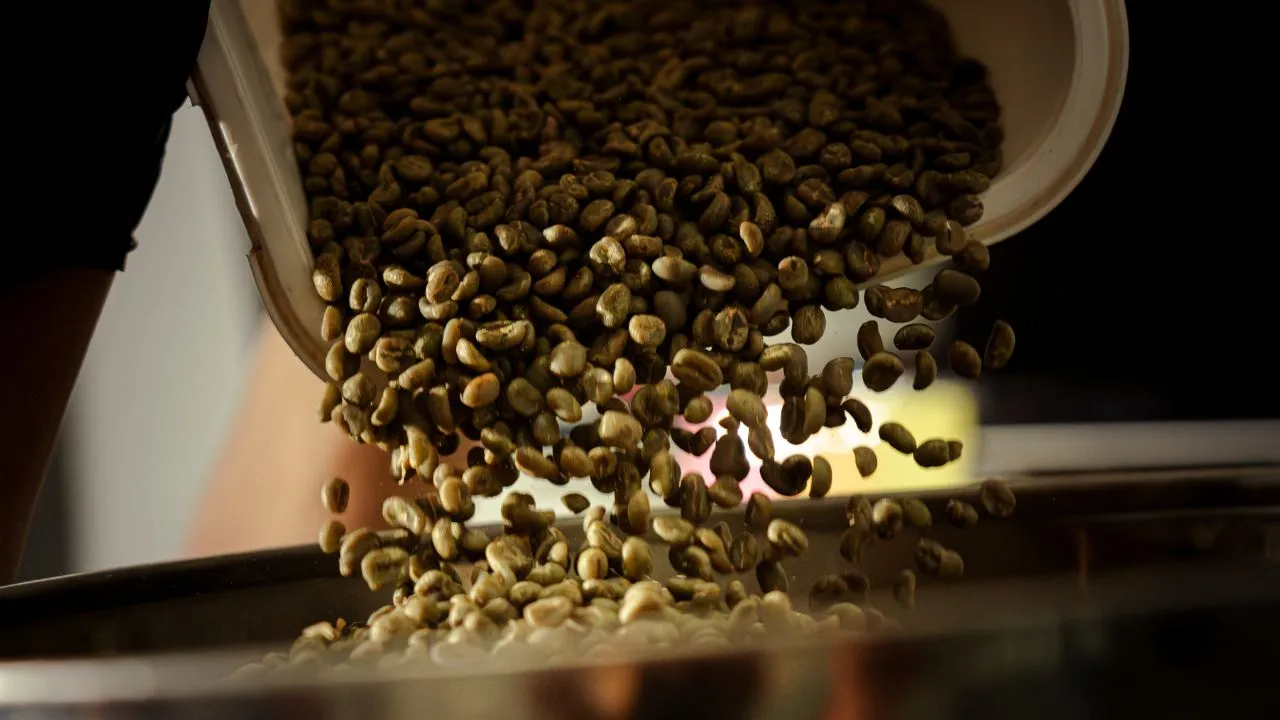
What Direct Trade Green Coffee Actually Means
Direct trade is not defined by one set of rules. Unlike Fair Trade or organic coffee, there is no outside group that checks or certifies it. Each business decides how to approach direct trade in its own way.
Most direct trade starts with a buyer, often a roaster, building a direct relationship with a coffee farmer or group. They often talk, visit the farm, and agree on a price together rather than following the global market price.
The name ‘direct trade’ became more widely used in the mid-2000s, but the idea is older and was once called relationship coffee or farm-direct sourcing. Today, there are two main ways it works:
- Relational direct trade (RDT): A long-term, high-engagement partnership where both buyer and farmer invest in shared goals around quality and sustainability. If something goes wrong due to weather or external factors, both parties share the consequences rather than leaving the farmer to absorb the loss.
- Transactional direct trade (TDT): A shorter, more focused arrangement where the buyer deals directly with the producer primarily to secure high-quality coffee. The engagement is lower, and the farmer bears most of the risk if quality or volume falls short of expectations.
Both types of direct trade cut out middlemen, but they offer different levels of support and stability for the farmer.
What Is a Coffee Middleman?
A middleman is a person or company that buys coffee from producers and resells it to other participants in the supply chain. Middlemen can provide valuable services such as logistics and financing, but they also add additional layers between farmers and buyers.
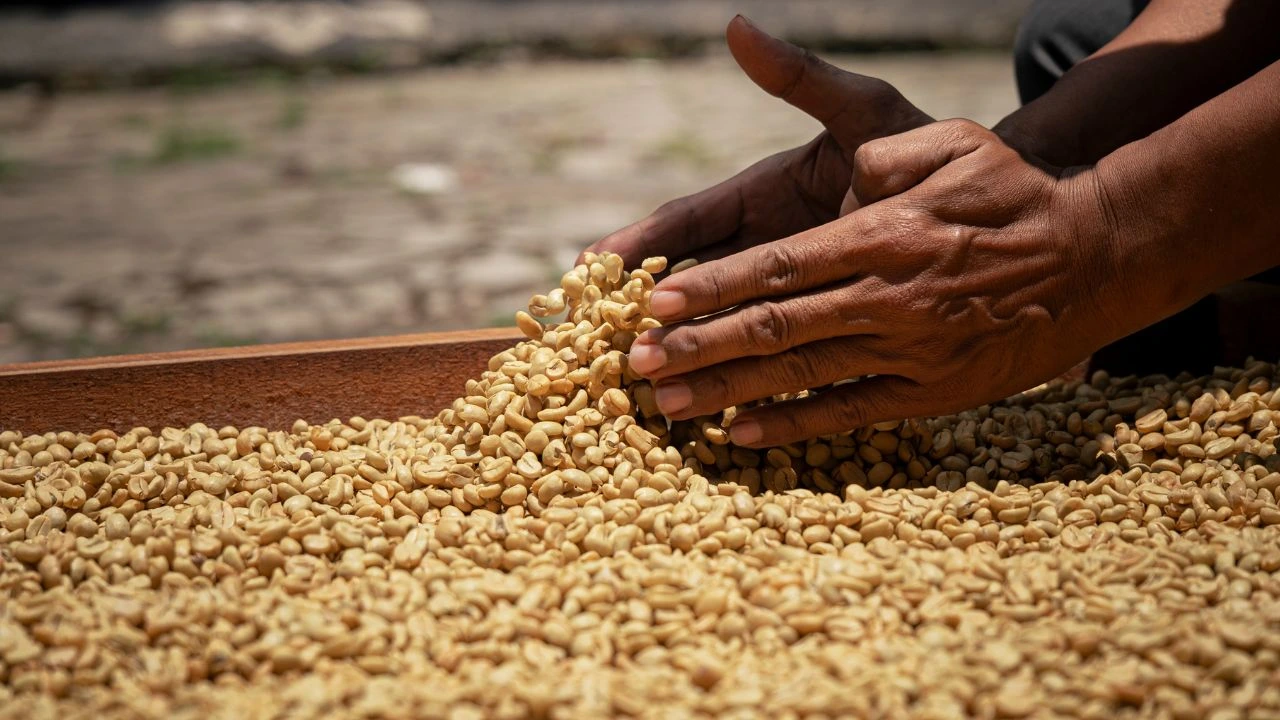
What Changes for Farmers Under Direct Trade
The usual coffee supply chain has many steps. Farmers sell their cherries or processed coffee to local collectors. These collectors pass it to regional traders, who then sell to national or international brokers, and finally to roasters. Each step adds another layer of cost before the price reaches the farmer.
Direct trade green coffee shortens this chain. For farmers, the most significant changes are:
More of the Final Price Reaches the Farm
With fewer middlemen, more of the final price returns to the farm. Direct trade allows a greater portion of the buyer’s payment to reach the producer. The exact amount depends on the agreement and the level of pricing transparency.
Greater Price Stability
Commodity coffee prices often fluctuate with global markets, so farmers have little control over their income year to year. Direct trade usually involves pre-agreed or minimum prices, so farmers know what they will earn before harvest. This helps them plan and invest in quality improvement.
Longer Planning Horizons
When a roaster agrees to buy from the same farm over several seasons, the farmer can invest with more certainty. Upgrading drying areas, improving cherry selection, or refining post-harvest handling all require upfront investment, which is only possible when demand is steady.
Feedback on Quality
In the usual supply chain, farmers rarely get feedback from the final buyer. With direct trade, the buyer visits the farm, tastes the coffee, and shares clear feedback. This helps the farmer understand what the buyer wants and improve quality over time.

How Direct Trade Affects Coffee Quality
Coffee quality depends on where it is grown, how it is farmed, the variety, and how it is handled after harvest. Direct trade allows buyers to guide processing choices and support better farming and plant selection.
When a buyer visits a farm regularly and communicates clearly what profile they are looking for, farmers can:
- Adjust cherry selection to focus on fully ripe fruit.
- Modify drying approaches to improve consistency.
- Experiment with different post-harvest methods and get feedback on results.
- Identify and address issues in earlier lots before they affect an entire harvest.
Working this closely is difficult when a broker manages many farms at once. Direct relationships make real collaboration possible. Over time, supply becomes more reliable. Each harvest gives both buyers and farmers a chance to improve quality and match each other’s needs.
What Is a Coffee Broker?
A coffee broker is an intermediary that helps connect buyers and sellers, often facilitating contracts, logistics, and market access between producers and roasters.
What Buyers Should Know Before Choosing Direct Trade
Direct trade green coffee is not always better than other sourcing models. It requires more investment, time, and risk management from both sides. Buyers considering it should understand the practical realities.
Involves Real Costs
Finding the right farm usually starts at trade shows or quality competitions, which cost money to attend. Visiting farms in person adds more expense. These steps are necessary to build a lasting partnership.
Works Best at Certain Scales
Direct trade usually works best for medium-sized roasters and producers. Small roasters often do not buy enough coffee to make logistics worthwhile. Large roasters may find it hard to maintain direct relationships with many origins. Family farms with fewer resources or support may also struggle to meet the standards required for direct trade.
Does Not Replace Certification
Direct trade is not a replacement for Fair Trade, organic, or other certifications. If you buy for markets that require certification, such as parts of Europe, you still need to meet those rules. Some buyers use both certifications and direct trade, while others rely on their own transparency reports.
Risks Should Be Clearly Shared
Coffee is an agricultural product. Weather, pests, and other factors can affect quality and volume beyond anyone’s control. In a well-structured direct trade arrangement, both parties agree in advance on how to handle these situations. Contracts, formal or informal, should clearly state what happens when a harvest falls short of expectations.
Intermediaries Can Be Helpful
Direct trade does not always mean removing all intermediaries. In many coffee-producing countries, some businesses help by providing credit, handling exports, or offering language support and local knowledge. The important thing is whether these partners make the process easier or more complicated.
What Is Fair Trade Coffee?
Fair Trade coffee is coffee sourced under a certification system that establishes minimum pricing standards and social requirements for producers. Compliance is verified through independent auditing organizations.
Direct Trade vs. Fair Trade: What Is the Difference?
Direct trade and Fair Trade are not the same model, and neither is simply better than the other.
| Category | Direct Trade | Fair Trade |
| Certification body | None | Fair Trade International/FLOCERT |
| Price setting | Negotiated between the buyer and the farmer | Minimum price floor set externally |
| Quality focus | Central to the model | Variable |
| Farmer access | Easier for individual producers | Often requires cooperative membership |
| Transparency | Depends on the buyer’s approach | Audited and standardized |
| Cost to the farmer | Lower (no certification fee) | Certification and processing fees apply |
Fair trade sets a minimum price and clear standards checked by outside auditors. This helps buyers and producers know what to expect and builds trust. Direct trade is more flexible and can lead to stronger partnerships and better prices. Without outside checks, results depend on how the buyer manages the process.
Some buyers combine both approaches. They use Fair Trade certification as a foundation, then build direct trade relationships to improve quality and maintain a steady supply.
Direct trade relationships become more reliable when backed by verifiable records. To see how verified records strengthen sourcing from origin to delivery, explore our guide on why digital traceability makes direct trade green coffee beans essential.
The Limitations of Direct Trade Green Coffee
Direct trade green coffee is a useful model, but it is not a complete solution to the challenges farmers face.
- Not all farmers have the same access. Medium-sized producers with good infrastructure and proven quality usually benefit the most. Smaller, more vulnerable farmers often cannot meet the demands or export requirements that direct-trade buyers look for.
- Buyers still hold most of the power. The roaster usually decides quality standards, sets the price, and chooses whether to continue working with a farmer. Farmers must meet these standards rather than shape them.
- It is hard to know if direct trade works as promised. Without outside checks, buyers and farmers cannot be sure the program delivers real results. Sometimes buyers use ‘direct trade’ mainly as a marketing term without real changes behind it.
- Direct trade is hard to expand. Building real relationships takes time and effort. Most roasters who succeed with direct trade work with only a few farms at a time.
These are not reasons to avoid direct trade. There are reasons to approach it with clear expectations and honest structures on both sides.
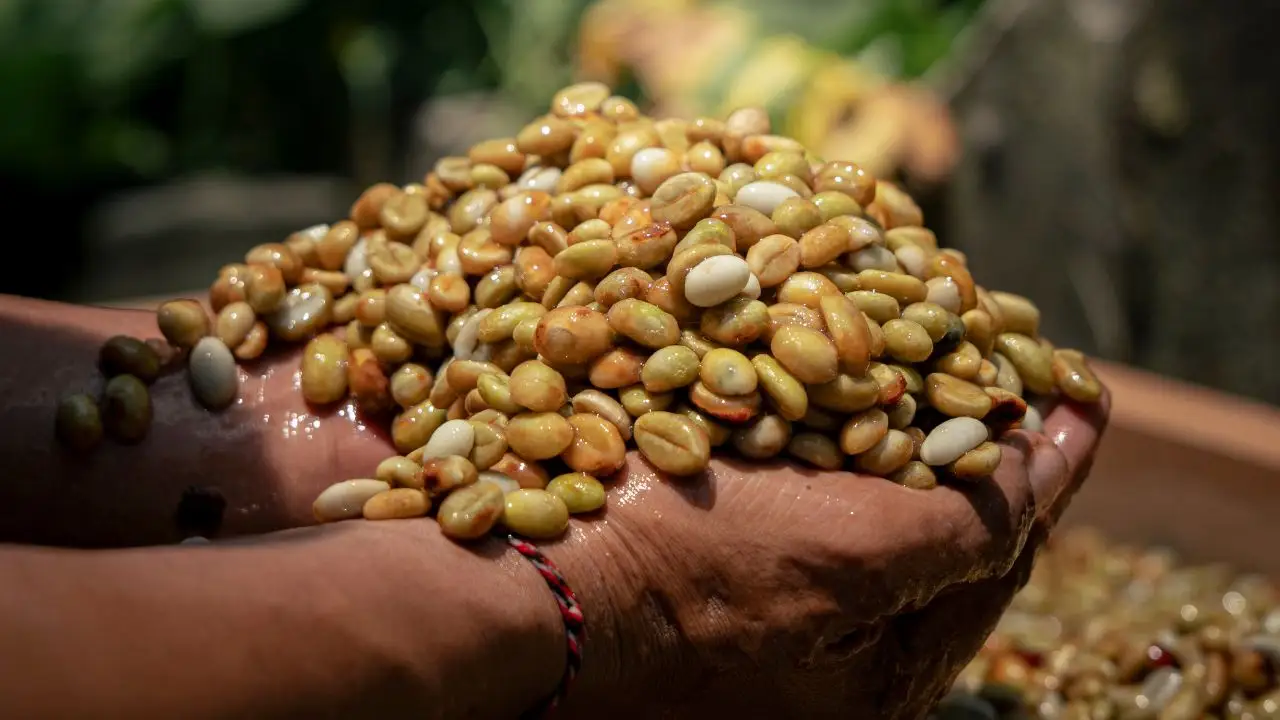
What to Look for When Sourcing Direct Trade Green Coffee
If you are a roaster or buyer considering direct trade, here are some practical questions to guide your decision:
- Does the supplier have documented, multi-season relationships with the farms they source from?
- Is pricing transparent, and does a meaningful share of what you pay reach the farm?
- Are farm visits part of the process, and is there consistent feedback between buyer and producer?
- How does the supply chain handle quality issues or weather-related shortfalls?
- Is there clarity about which intermediaries are involved and what role they play?
If these questions are not answered, direct trade is just a marketing term, not a real supply chain approach.
Bali Origins is built around exactly these principles. We partner with reliable plantations in Bali and other selected Indonesian regions, following clear quality standards and processing steps.
We handle every lot carefully after harvest and check quality before offering it to buyers. When you source from Bali Origins, you work with a supply chain focused on consistency.
If you need traceable, quality-checked Indonesian coffee for your business, reach out to Bali Origins to talk about available lots and supply options.
Direct Trade Green Coffee FAQs
A. Does Direct Trade Guarantee Better Quality?
Not automatically. Quality depends on how the relationship is structured. When direct trade includes farm visits, transparent communication, quality feedback, and long-term commitment, it can support improvements in quality. Without these elements, the direct trade label alone does not guarantee superior coffee.
B. What Is the Difference Between Direct Trade and Fair Trade?
Fair Trade is a certification system with standardized requirements and external auditing. Direct trade has no universal certification and relies on agreements between buyers and producers. Fair Trade emphasizes minimum pricing and social standards, while direct trade often focuses on quality, transparency, and long-term relationships.
C. What Are the Benefits of Direct Trade Green Coffee Compared to Fair Trade?
Direct trade offers greater flexibility in pricing, quality collaboration, and sourcing relationships. Fair Trade provides structured standards and independent verification. Many buyers combine both approaches to benefit from certification while maintaining direct engagement with producers.
D. How to Identify High-Quality Direct Trade Green Coffee Beans?
High-quality direct trade green coffee beans should be supported by documented sourcing relationships, transparent quality standards, traceable farm information, consistent post-harvest handling, and stable physical characteristics such as moisture and density.
E. Can Direct Trade Work Alongside Other Certifications?
Yes. Many coffee businesses use direct trade alongside Fair Trade, organic, or other certifications. These approaches complement each other and can support both transparency and compliance with market requirements.
F. What Makes Indonesian Coffee a Good Candidate for Direct Trade Sourcing?
Indonesia offers diverse coffee-growing regions, staggered harvest seasons, and a growing specialty coffee sector. This allows buyers to access distinct flavor profiles while building long-term sourcing relationships within a single producing country.
G. How Does Bali Origins Support Direct Trade Green Coffee Sourcing?
Bali Origins works with trusted plantations across Bali and selected Indonesian regions through transparent sourcing relationships, structured processing standards, and consistent quality control. This approach helps deliver traceable, quality-checked coffee that supports long-term sourcing partnerships and reliable roasting performance.