
Coffee production in Indonesia plays a major role in the global coffee market. With thousands of islands, diverse volcanic terrains, and tropical climates, the country produces a wide range of coffees that serve both specialty and large-scale commercial markets.
Indonesia ranks among the world’s leading coffee producers, supplying millions of bags annually, yet much of this supply comes from smallholder farms.
Indonesian coffee quality depends on more than volume. Traditional, family-run operations, different landscapes, and processing methods influence quality and consistency. Post-harvest handling and quality control systems are critical to market performance.
This article looks at how coffee is produced in Indonesia’s main growing regions, how smallholder farms shape the supply, and why processing and post-harvest handling are important for quality and export.
How Coffee Production Works in Indonesia
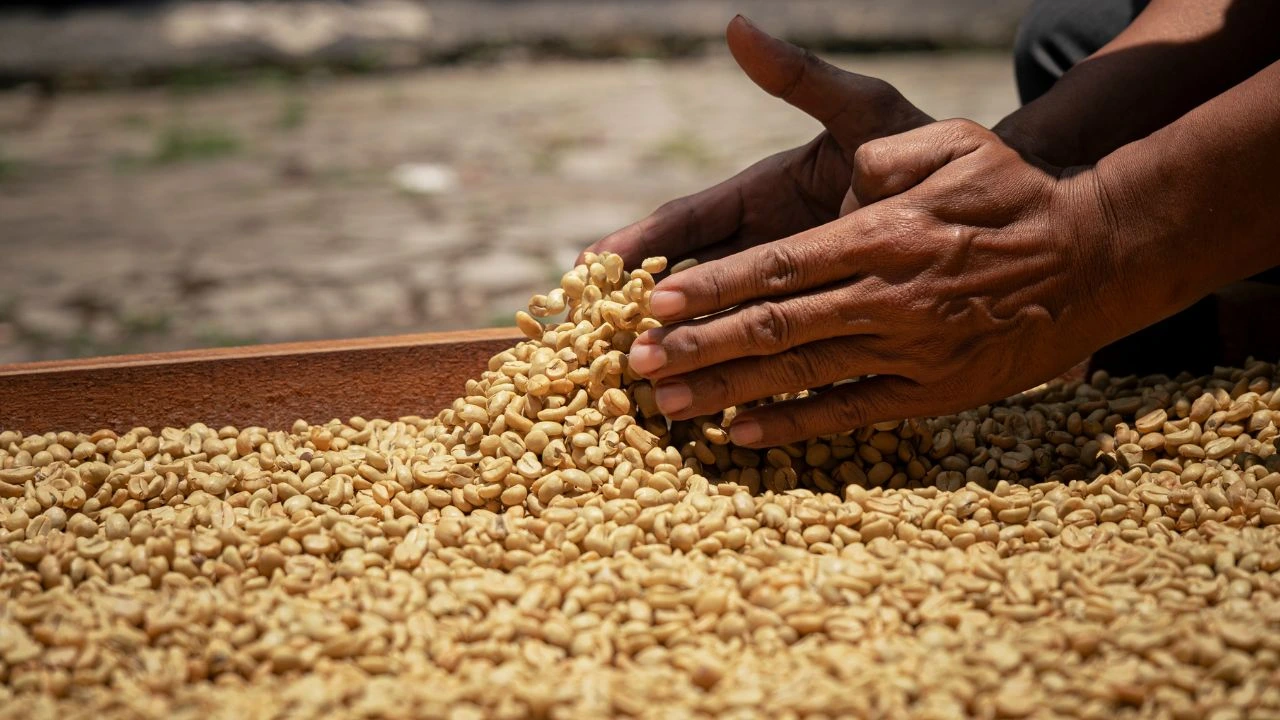
Coffee production in Indonesia relies mainly on smallholder farmers who cultivate coffee in mountainous regions, usually on plots of 1 to 5 hectares. Many also grow other crops, creating a decentralized agricultural landscape.
Most farms are located in highland areas with volcanic soil, high elevation, and consistent tropical rainfall. These conditions slow cherry development, preserving natural sugars and aromas, and giving Indonesian coffee its unique flavor.
Indonesia produces two main types of coffee for commercial use.
Arabica coffee is mostly grown in high-altitude regions, including:
- Bali Kintamani
- Aceh and North Sumatra
- Sulawesi highlands
- Flores and Papua
Robusta makes up most of Indonesia’s coffee production and is usually grown in lower-altitude areas like:
- East Java
- South Sumatra
- Lampung
Cherry development refers to the growth and maturation of coffee cherries on the plant before harvest. The speed of this process affects sugar formation, density, and the coffee bean’s eventual flavor potential.
Major Coffee Producing Regions in Indonesia
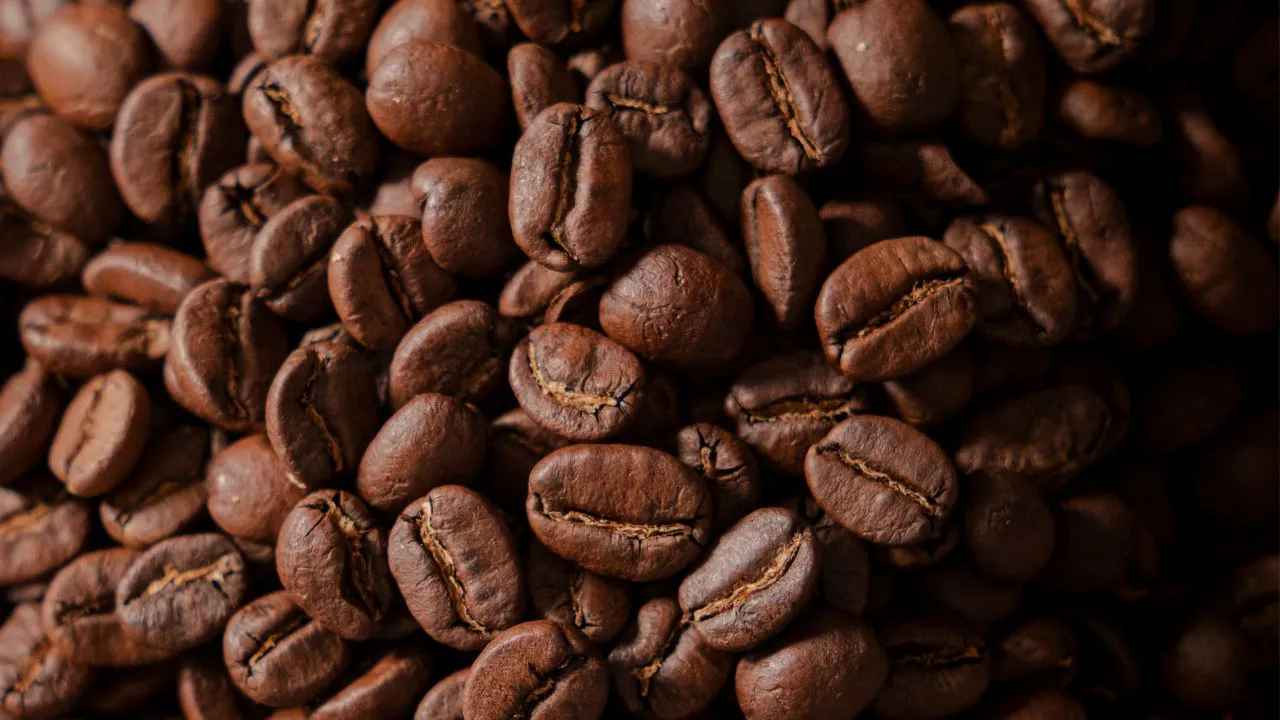
Indonesia’s coffee industry gains from diverse growing environments. Each region’s climate and soil contribute to unique flavors, body, and aromas.
Java
Java produces both Arabica and Robusta coffees with a balanced structure, medium body, and pleasant flavor. Its long history of coffee growing shapes these characteristics.
Sumatra
Sumatra is one of Indonesia’s best-known coffee regions. Coffees from Aceh and North Sumatra are full-bodied, low-acid, and feature deep chocolate or spice notes. These beans are popular in espresso blends and specialty roasting.
Sulawesi
Sulawesi’s highland coffees, especially from Toraja, have a full body and complex flavors. Herbal, cocoa, and spice notes are typical and appeal to specialty buyers.
Flores and Papua
Flores and Papua, in eastern Indonesia, produce smaller volumes but offer distinct profiles. Flores coffees are sweet and balanced, while Papua coffees show lively acidity and delicate aromas.
Bali
In Bali’s Kintamani highlands, Arabica coffee develops bright citrus acidity, floral aromas, and a clean cup profile. Volcanic soil and cool mountain weather slow cherry development, helping preserve clear flavors and strong aromas.
These regions make Indonesia one of the world’s most diverse coffee origins, with a wide range of flavors and profiles.
For buyers, understanding the characteristics of each region’s beans is essential when sourcing Indonesian coffee. For more details, see our guide to taste profiles across the archipelago.
Why Processing Plays a Critical Role in Indonesian Coffee Production
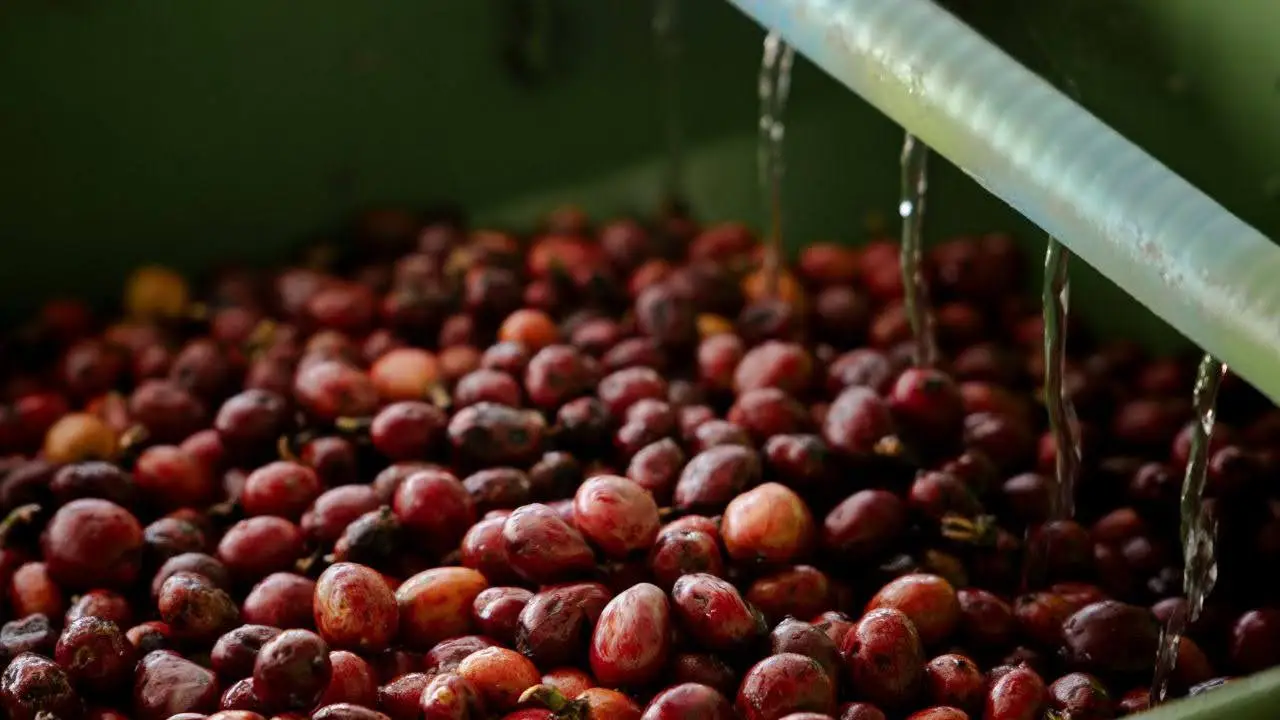
Farming conditions establish coffee quality, while processing determines how much of that quality is preserved for buyers.
In Indonesia, coffee cherries pass through several post-harvest stages, including fruit removal, washing, drying, sorting, and grading. Each stage affects the physical stability and flavor profile of green coffee beans.
Because coffee production is fragmented across smallholder farms, processing facilities are necessary to ensure consistent quality. Differences in drying, moisture, or sorting can significantly affect coffee stability during transport, storage, and roasting.
Consistent processing helps green coffee maintain its quality for overseas buyers by ensuring:
- Stable moisture levels
- Stable physical structure
- Controlled defect levels
- Predictable roasting performance
Without these systems, irregularities in post-harvest handling can lead to quality fluctuations.
Physical stability refers to the structural integrity of green coffee beans during storage and transport. Stable beans maintain their density, moisture balance, and resistance to damage before roasting.
Processing and Quality Control in Indonesia’s Coffee Supply Chain
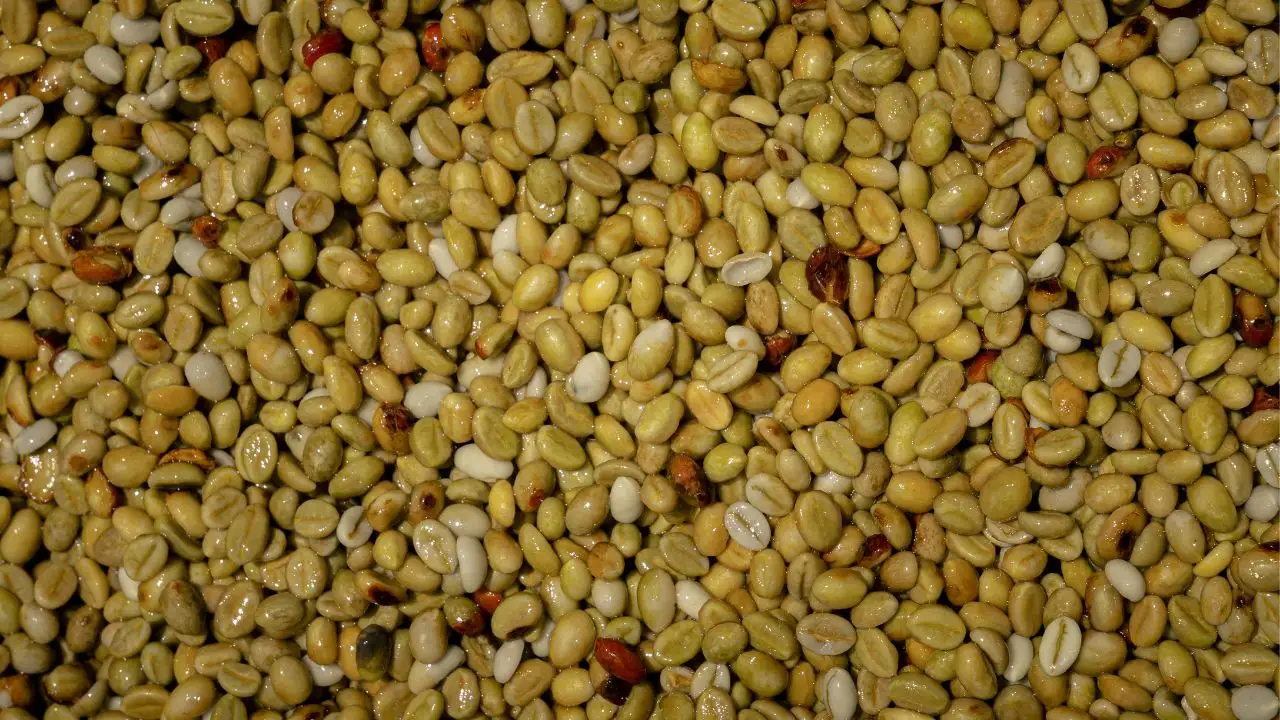
Modern coffee supply chains increasingly depend on specialized processing facilities to stabilize coffee before it reaches international markets.
Professional processing facilities use structured quality control systems, which contain steps such as:
- Controlled washing processes
- Managed drying stages
- Moisture stabilization
- Mechanical and optical sorting
- Defect removal and grading
These processes transform freshly harvested coffee cherries into stable green coffee suitable for international trade.
In Indonesia, where coffee is grown by many small farms, processing companies connect farm production to global buyers. Companies such as Bali Origins source coffee cherries from carefully selected plantations and process them through precision systems for roasting and packaging, preparing them for global B2B markets.
Using structured quality control and controlled processing systems, Bali Origins helps sustain stability and commercial dependability across coffee batches supplied to professional buyers, including roasters, distributors, exporters, and hospitality groups.
Mechanical sorting is a processing step in which machines separate coffee beans by size, density, or weight. This helps remove inconsistent beans before grading and export.
Optical sorting uses cameras and sensors to identify and remove defective beans based on differences in color or shape. It improves consistency and reduces defects before export.
Indonesian Coffee Production Trends and Market Outlook
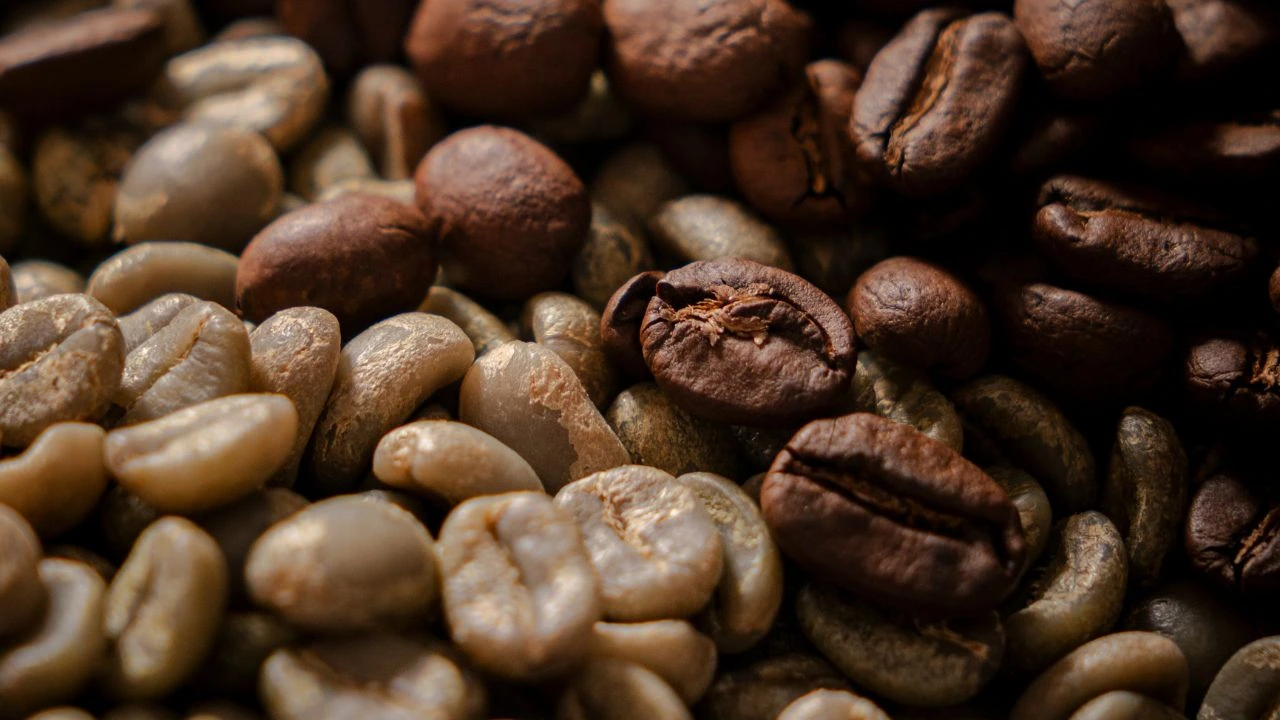
Indonesia’s coffee industry is changing as global demand rises and growing conditions shift.
Research on the national coffee sector shows that production remains stable at about 790,000 tons per year, as several long-term trends now shape Indonesian coffee production.
The total coffee-growing area in Indonesia is projected to reach about 1.29 million hectares by 2026. Meanwhile, domestic consumption is expected to decline slightly, while net coffee exports continue to increase.
However, the industry still undergoes challenges. In many regions, productivity gains are limited. Changing weather can affect flowering, harvest period, and drying. In humid areas, heavy rain can slow drying and reduce the beans’ final quality.
Coffee cultivation area refers to the total land used for growing coffee crops. Changes in cultivation area often indicate shifts in production capacity over time.
What Global Buyers Should Know About Indonesian Coffee Production

Indonesian coffee offers international buyers both a wide range of options and some unique challenges.
Indonesia’s many coffee origins, flavor profiles, and growing conditions give roasters and buyers the chance to create both complex blends and unique single-origin coffees.
To source Indonesian coffee successfully, buyers focus on a few main factors:
- Origin diversity gives buyers access to a broad range of flavors from different islands and elevations.
- Stable processing helps preserve consistent moisture levels, control defects, and support reliable roasting results.
- Working with dependable processing partners helps buyers manage Indonesia’s decentralized farming and meet international quality standards.
When these factors come together, Indonesian coffee stands out in the global market. Its range of origins, unique flavors, and improved processing make it an important source for wholesale buyers and roasters worldwide.
Decentralized coffee production refers to a farming structure in which coffee is grown across many small farms rather than on a few large estates. This model spreads production geographically but requires strong processing systems to maintain consistency.
How Bali Origins Supports Indonesia’s Coffee Supply Chain
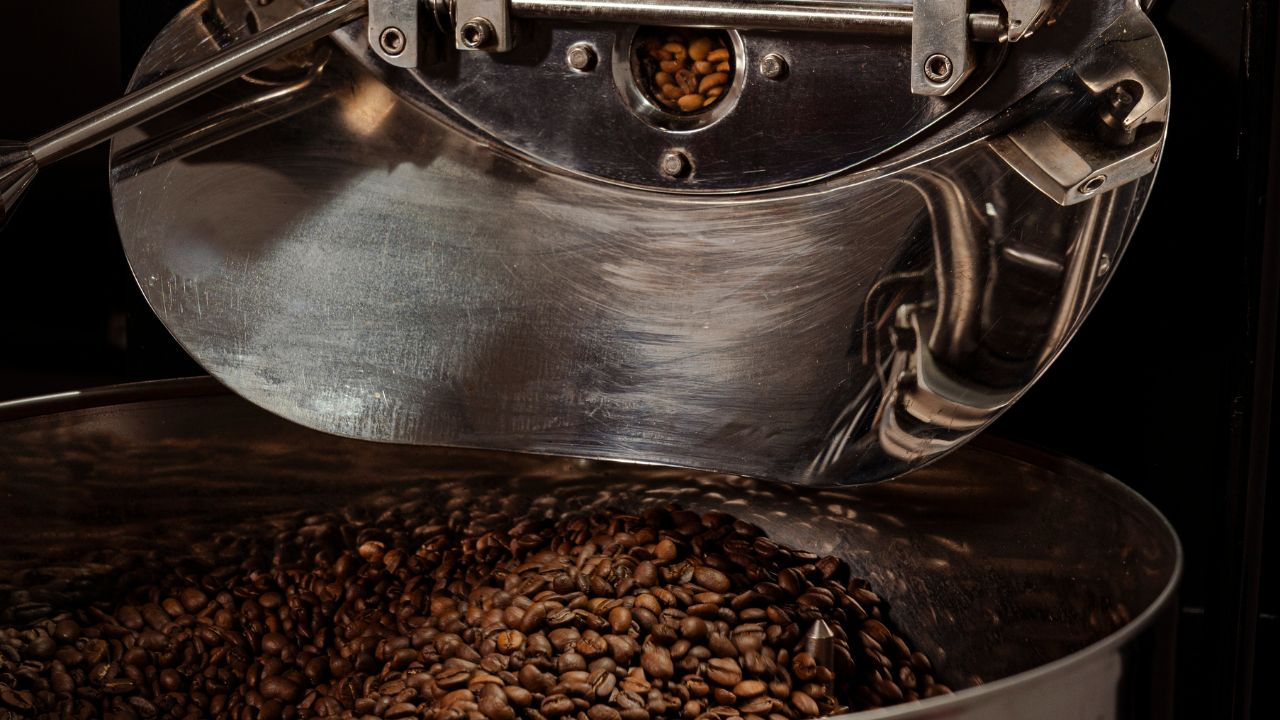
Indonesia’s coffee industry relies on a decentralized network of smallholder farms across many islands and regions. Turning this diverse production into a stable supply for international buyers needs coordinated sourcing, structured processing, and reliable preparation.
Bali Origins works within this structure by connecting selected farms with organized processing and preparation workflows for commercial markets. By aligning origin conditions with professional processing standards, Bali Origins helps ensure Indonesian coffee performs dependably across roasting programs and large-scale supply chains.
For companies exploring Indonesian coffee for wholesale supply or long-term sourcing programs, Bali Origins supports B2B partnerships with systems designed for stability, scalability, and consistent roasting performance.
Coffee Production in Indonesia FAQs
What Is Coffee Production in Indonesia Known For?
Coffee production in Indonesia is known for its geographic diversity and decentralized farming structure. Coffee is grown across thousands of islands with volcanic soil, tropical climates, and varying elevations, creating a wide range of flavor profiles and production conditions. This diversity allows Indonesian coffee to serve both specialty markets and large-scale commercial supply.
How Does Coffee Production in Indonesia Work?
Coffee production in Indonesia is primarily managed by smallholder farmers who typically cultivate coffee on plots between one and five hectares. These farms are usually located in mountainous areas where elevation, rainfall, and soil conditions support coffee cultivation. Because farms are widely distributed, processing facilities play an important role in consolidating and preparing coffee for export markets.
What Types of Coffee Are Produced in Indonesia?
Indonesia produces two main coffee types at a commercial scale: Arabica and Robusta. Arabica is usually grown in highland regions such as Bali, Aceh, Sulawesi, Flores, and Papua, while Robusta is commonly cultivated in lower-altitude regions such as East Java, Lampung, and South Sumatra. These two coffee types serve different roles in global coffee supply chains.
Which Regions Are Major Coffee Producers in Indonesia?
Major coffee-producing regions in Indonesia include Sumatra, Java, Sulawesi, Flores, Papua, and Bali. Each region contributes distinct characteristics influenced by elevation, climate, and soil composition. This regional diversity makes Indonesia one of the most varied coffee origins in the world.
Why Does Processing Play an Important Role in Coffee Production in Indonesia?
Processing is critical because Indonesian coffee is produced by thousands of small farms across different regions. Post-harvest handling steps such as fruit removal, washing, drying, sorting, and grading help stabilize coffee quality before export. Without consistent processing systems, differences in moisture and handling can cause significant variation in roasting performance and flavor.
What Are the Current Trends in Coffee Production in Indonesia?
Indonesia’s coffee production remains relatively stable at around 790,000 tons per year, with gradual expansion in cultivation areas expected in the coming years. Global demand for Indonesian coffee continues to grow, while domestic consumption may shift slightly as export markets expand.
Why Is Indonesia Important to the Global Coffee Supply Chain?
Indonesia plays a significant role in global coffee supply due to its production scale, regional diversity, and ability to serve both specialty and commercial markets. Its wide range of origins and flavor profiles allows buyers to create complex blends or distinctive single-origin offerings.
How Does Bali Origins Support Coffee Production in Indonesia?
Bali Origins operates as a coffee processor and manufacturer, connecting smallholder production with international buyers. By applying controlled washing processes, managed drying systems, and structured quality control, Bali Origins helps stabilize coffee quality and ensure consistent performance for global B2B supply.
How Does Indonesian Coffee Production Impact Global Coffee Markets?
Coffee production in Indonesia influences global markets by supplying a diverse range of coffees for both specialty and commercial programs. Its large Robusta output supports high-volume blends and espresso programs, while highland Arabica contributes to specialty offerings. This combination allows Indonesian coffee to play a strategic role in stabilizing global supply chains and supporting large-scale roasting operations.