
Green coffee packaging protects months of careful farming, processing, and sorting until the coffee reaches the roaster. What happens between the dry mill and the loading dock decides whether that quality is preserved or lost during shipping.
This guide covers each stage of green coffee preparation before shipping, from checking final moisture to choosing packaging and storage. Each choice shapes the quality arriving at the roastery.
At Bali Origins, we prepare every lot carefully before shipping. The quality we build at origin stays with the coffee only if we handle each step with the same attention.
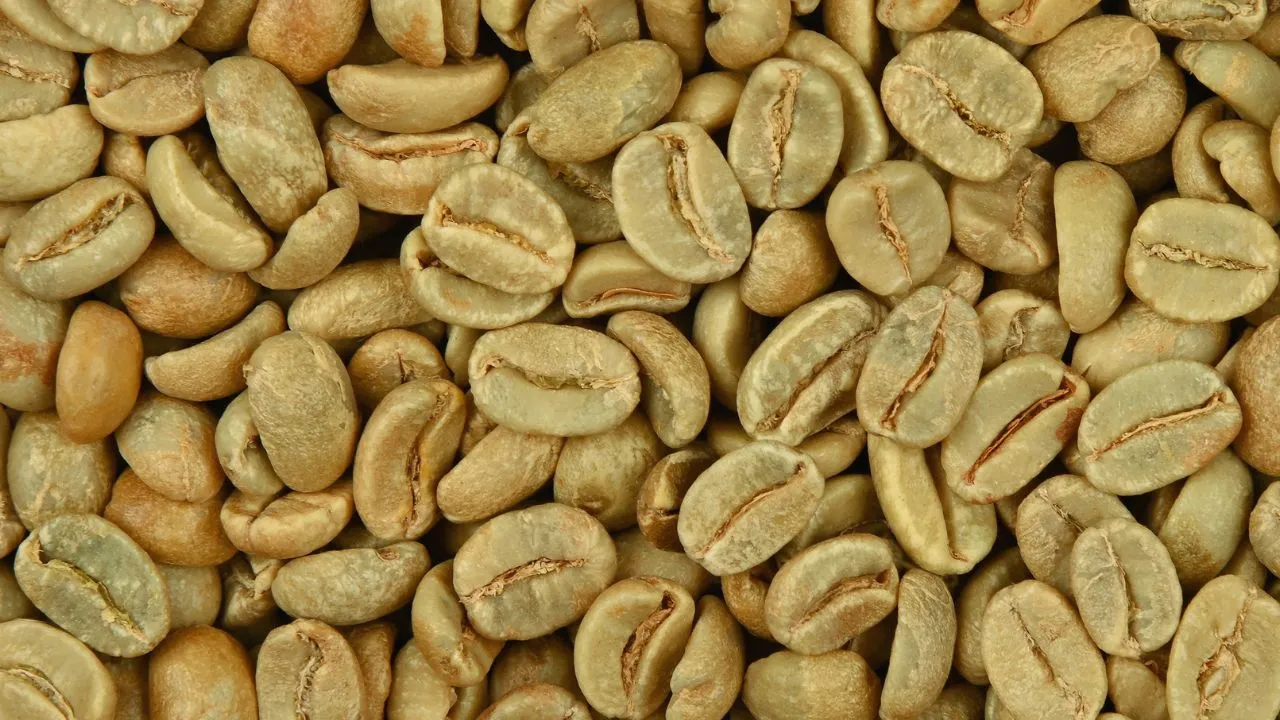
Why Pre-Shipment Preparation Affects Cup Quality
Green coffee continues to change chemically after processing. The rate of these changes depends on storage conditions such as moisture, oxygen exposure, temperature, light, and surrounding odors.
Green coffee chemical changes begin long before they are detectable in the cup. Beans stored in permeable packaging show measurable shifts in chemical composition within three months. Sensory differences appear after six months, and some samples decline further over longer storage.
How green coffee is packed, its moisture level, storage, and container handling affect how well it retains quality during shipping. Careful preparation protects the coffee from outside factors before it reaches the roaster.
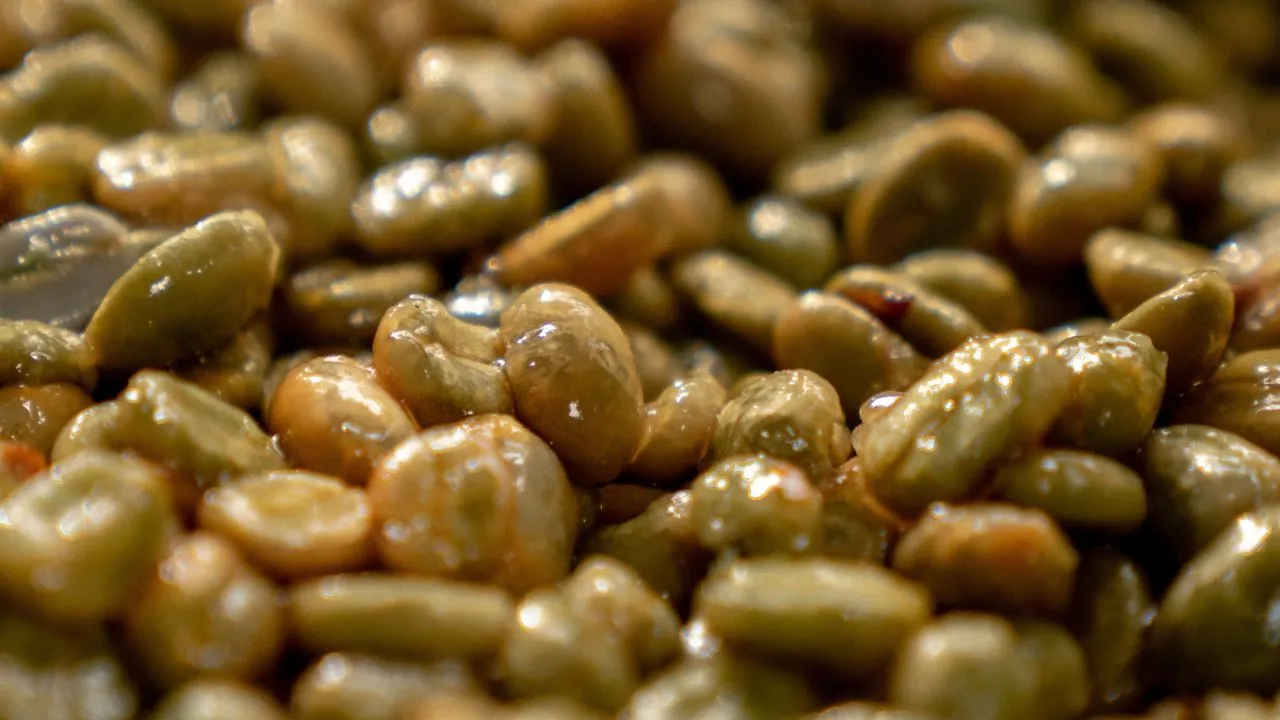
Final Moisture Verification Before Shipment
Before green coffee is packed for storage or transportation, its moisture condition should be checked. Too much moisture can lead to mold or lower quality during storage and shipping. If beans are too dry, they can become brittle and break during handling or grinding.
Most specialty buyers require a moisture range that maintains bean stability and slows aging. Use moisture meters to test each lot, sampling several bags to accurately assess the shipment.
Water activity is another measure of how well green coffee will store. Moisture content indicates total water in the bean, while water activity reflects how much of that water is available. Two lots with identical moisture may have different water activity, resulting in different storage risks.
For specialty coffee stored for extended periods or shipped overseas, checking both moisture and water activity allows buyers and suppliers to assess the coffee’s condition before packing.
What Is Water Activity in Green Coffee?
Water activity (aw) measures the amount of water in green coffee that is available to support chemical reactions and microbial growth. Unlike moisture content, which measures the total amount of water in a bean, water activity indicates how readily that water can participate in these processes. It helps assess the coffee’s stability during storage.
How Different Packaging Options Protect Green Coffee
Packaging keeps green coffee fresh as it travels from origin to roastery. Different materials protect the beans from moisture, oxygen, and other outside factors in different ways. Four main packaging types offer different levels of protection.
Jute Bags or Burlap Bags
A traditional and affordable way to package green coffee. Exporters often choose jute for commercial shipments because these bags are strong, easy to handle, and low-cost. But jute bags allow moisture and oxygen in, so they do not protect the beans well during storage or shipping. For specialty lots that need to stay fresh longer, jute alone is not enough.
Plastic Bags
Standard plastic bags like polyethylene and polypropylene can block some moisture and gases, depending on their thickness and quality. However, these plastics provide less protection than high-barrier packaging designed for specialty coffee.
High-barrier Bags
These are multi-laminate structures designed to prevent gas and water exchange between the coffee and the surrounding atmosphere. Coffee stored in high-barrier bags usually retains its cupping score much longer than coffee in permeable packaging.
Vacuum Packaging
Uses airtight materials and removes most of the air before sealing the bag. This reduces oxygen around the beans. Some exporters use vacuum packs for rare micro-lots, competition coffees, or samples that need extra care.
For specialty coffee from Indonesia, high-barrier liners protect beans from moisture and oxygen during shipping and storage. When choosing packaging, consider the coffee’s starting quality, travel time, storage conditions, and buyer needs.
Food-Grade Liners in Green Coffee Packaging
Food-grade liners are commonly used inside jute or woven polypropylene outer bags to provide an additional protective layer. GrainPro and Ecotact are examples of brands offering this type of packaging for green coffee.
The liner limits how much moisture and oxygen can reach the coffee. When properly sealed and intact during handling, it can reduce exposure to external conditions during storage and transit.
The outer bag supports the shipment, makes it easier to move and stack, protects the liner from damage, and holds the shipping labels.
Using both the liner and the outer bag balances coffee protection with ease of handling during shipping. Its effectiveness, however, depends on the liner’s condition, seal quality, and how the bags are handled during storage and transport.
A protective liner is helpful, but it cannot replace good warehouse and container management. Temperature changes, rough handling, and poor storage can still harm green coffee, even if it is packed in strong barrier materials.
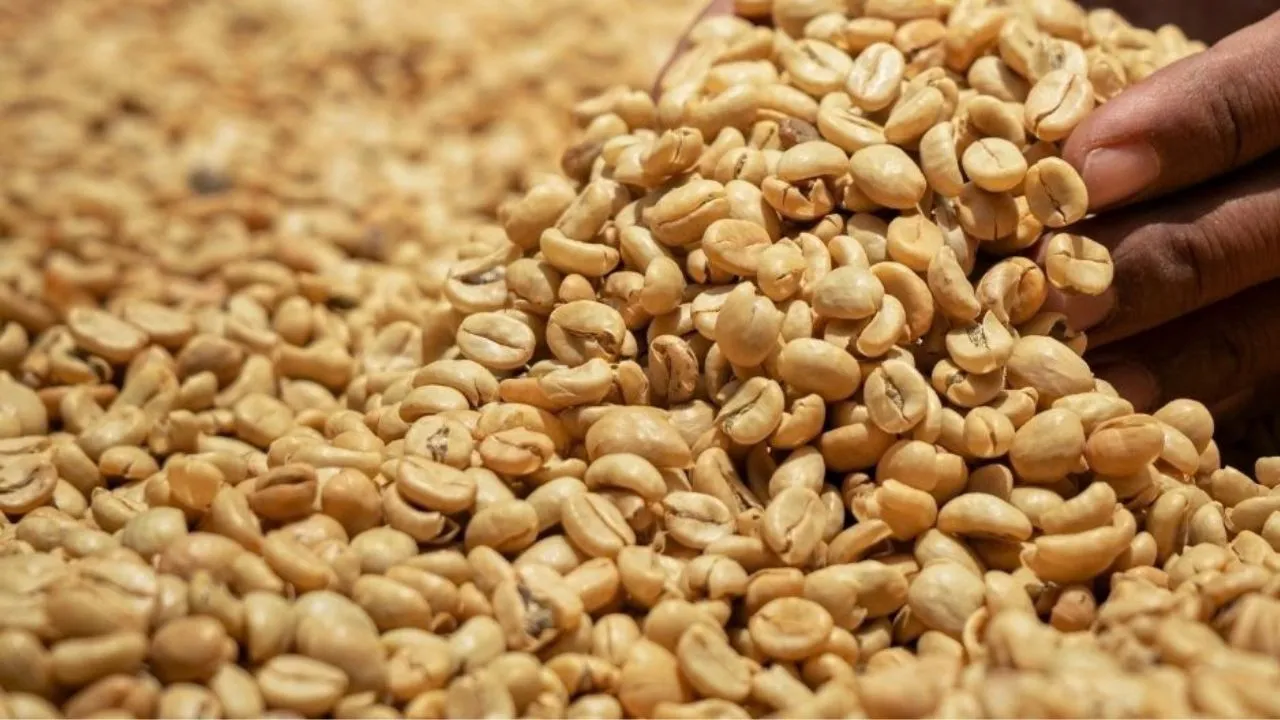
Storage Conditions Before Loading
High-quality packaging cannot offset inadequate warehouse conditions before loading. During the pre-shipment period, green coffee should be stored in an environment that is:
- Dry, with stable humidity. Control relative humidity to prevent condensation inside the bags.
- Cool and away from direct heat. Maintaining a steady temperature matters more than reaching a specific value. Large temperature swings can move moisture inside the bags, even if they’re sealed.
- Off the ground using pallets or shelves. This prevents floor moisture from reaching the bottom bags.
- Stored away from strong odors. Green coffee absorbs surrounding smells, so avoid placing it near fuel, cleaning products, or other strong odors to prevent contamination.
- Protected from direct light, especially if storage exceeds a few days.
The time between processing and loading is also used to prepare shipment documents. Depending on destination and buyer requirements, these may include a certificate of origin, phytosanitary certificate, moisture certificate, and other quality or certification documents.
For context on how the lot reached this stage, our article on the sorting process explains how defective beans are removed before a lot is approved for commercial supply.
Container Loading and Transit
Proper preparation and loading of shipping containers help protect green coffee quality during transport. Unclean containers or careless handling can introduce risks that packaging alone cannot fully prevent.
- Container inspection: Check the inside of the container for leftover moisture, odors from earlier shipments, and any damage to the walls or floor that may let water in.
- Dunnage and stacking: Use the right dunnage and stack bags securely to prevent shifting, protect them from crushing, and keep them away from damp container surfaces.
- Container liner options: For bigger shipments, adding a container liner creates a protective layer between the cargo and the container. How well it works depends on the liner material, installation quality, and the container’s condition.
Ocean transit from Indonesian ports may take several weeks, depending on destination, route, and port schedules. Along the way, containers pass through different climates. Temperature changes can cause condensation inside containers, known as container rain.
Moisture on container surfaces or damaged packaging can harm cargo. Careful inspection, proper loading, and good packaging help reduce these risks during transit.
What Is Dunnage in Container Shipping?
Dunnage refers to materials placed around or beneath cargo to protect it during transportation. In container shipping, it helps secure bags, prevent movement, reduce crushing, and keep cargo away from damp surfaces. Common materials include wooden supports, cushioning materials, and other cargo-securing materials.
What Roasters Should Check When Green Coffee Arrives
When Indonesian green coffee arrives at a roastery or warehouse, buyers can use a few simple checks to see if the coffee stayed in good condition during shipping.
- Moisture reading: The moisture content on arrival should match the departure record, allowing for differences in sampling and measurement methods. A significant increase may indicate moisture exposure during shipping.
- Visual inspection: Check the bags for damage, stains, or signs of condensation. If there is an inner liner, check it for holes or damage before unloading the coffee.
- Odor check: When you open the bags, the coffee should smell clean and fresh, with the typical green coffee aroma. Musty, moldy, or chemical smells can indicate contamination or storage issues.
- Sample cupping: Taste the coffee and compare it to the pre-shipment cupping report to see if the flavor and aroma are still consistent.
Document and discuss any significant deviation from the departure moisture or cupping data with the exporter. If circumstances and insurance terms allow, the buyer may also need to contact the cargo insurer.
At Bali Origins, pre-shipment preparation is part of our approach to maintaining coffee quality beyond processing. We verify moisture before sealing, use suitable high-barrier packaging for specialty lots, and prepare the required shipment documentation.
For roasters and importers sourcing Indonesian green coffee, these steps provide greater visibility into how we prepare each lot before it leaves origin. Contact our team to discuss available lots, packaging options, and shipment schedules.
Green Coffee Packaging FAQs
A. What Is Green Coffee Packaging?
Green coffee packaging refers to the bags, liners, and other protective materials used to store and transport dried, sorted green coffee beans between processing and roasting. The packaging material choice affects how well the coffee is protected from moisture, oxygen, and external environmental conditions.
B. What Is the Best Packaging for Green Coffee?
High-barrier liners provide additional protection against moisture and oxygen exposure during storage and transit. For many specialty coffee shipments, a food-grade liner inside a jute or woven polypropylene outer bag offers a practical balance between protection and handling. Vacuum packaging may also be considered for selected micro-lots or samples requiring additional protection.
C. How Long Can Green Coffee Be Stored Without Losing Quality?
Green coffee storage life depends on its initial condition, moisture content, packaging material, and storage environment. High-barrier packaging can help preserve quality for longer periods by limiting exposure to moisture and oxygen. However, no packaging method can prevent all quality changes, so you should monitor storage duration and conditions.
D. Why Does Moisture Matter for Green Coffee Before Shipment?
Moisture content influences the physical and storage stability of green coffee. Excessive moisture can increase the risk of mold and other quality problems, while very low moisture content may make beans more brittle. Verifying moisture before packaging helps suppliers and buyers assess whether a lot is suitable for storage and shipment.
E. What Are Food-Grade Liners and Why Are They Used for Green Coffee?
Food-grade liners are protective inner bags used inside jute or woven polypropylene outer bags. They help reduce the exchange of moisture and oxygen between green coffee and its surrounding environment. When properly sealed and handled, they provide an additional layer of protection during storage and transit.
F. How Does Bali Origins Prepare Green Coffee Before Shipment?
Bali Origins verifies moisture content at the lot level before sealing, uses suitable high-barrier packaging for specialty markets, and prepares shipment documentation according to buyer and destination requirements. Contact our team to request available lot information or discuss specific shipment requirements.