
Coffee and roasting are closely intertwined processes that shape the final flavor of each cup. How coffee is processed before roasting determines how the beans react to heat.
Coffee offers a wide variety of flavors, including fruit, spice, tea, nut, sugar, and acid notes. The processing method affects moisture, density, and sugar development, which influence roasting behavior and yield the desired flavor profile.
This article explains how coffee processing and roasting shape flavor profiles and why they are important for consistent, high-quality results.
The Relationship Between Coffee and Roasting

Roasting transforms green coffee beans into aromatic coffee beans through controlled heat. This process triggers physical and chemical reactions that develop aroma, body, and flavor.
As coffee beans are heated, they go through several key stages.
- First, the beans cool slightly, then start to turn yellow as enzymes change and sugars begin to caramelize.
- As roasting continues, carbon dioxide and water vapor build up inside the beans. This pressure causes the beans to crack open for the first time.
- After the first crack, the beans become sweeter and move from light to medium roasts, each stage bringing out different flavors.
- In the final stage, heat breaks down sugars and acids in the beans. This triggers the Maillard reaction, which gives coffee its brown color and deeper flavors.
- These heat reactions also release the aromatic compounds that define each coffee’s unique scent.
- During roasting, water leaves the beans, their weight drops, and the beans expand.
- The longer and hotter the roast, the less caffeine remains in the beans.
These changes are not uniform across all coffees. Each batch of green coffee behaves differently based on its origin and processing method.
Because of this variability, coffee and roasting cannot be separated. Roasting develops the characteristics that are already present in green coffee beans.
The Maillard reaction is a chemical reaction between sugars and amino acids during roasting that creates brown color and complex flavor compounds in coffee.
How Processing Methods Shape Green Coffee Characteristics
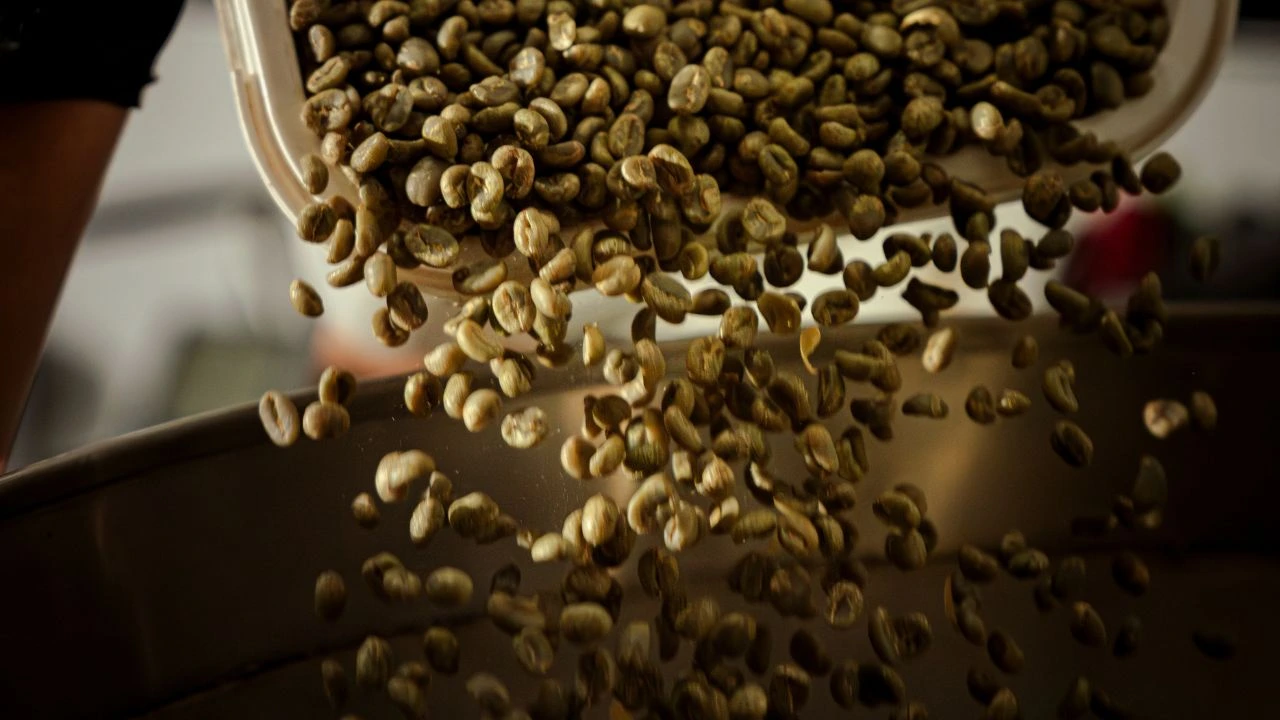
A coffee’s flavor depends on where it is grown. Soil, sunlight, altitude, and rainfall all shape how the coffee tastes.
After harvest and before roasting, coffee goes through processing. How this is done changes the structure and quality of the green beans.
The most common processing methods include:
Washing
In the wet process, cherries are separated, and the beans are washed to remove pulp and mucilage before drying. This gives a cleaner cup and highlights the coffee’s acidity.
Natural processing
With natural processing, coffee dries inside the whole cherry for weeks. This boosts sugar content and brings out more fruit flavors.
Honey processing
Honey processing sits between wet and natural methods. The cherries and pulp are removed, but the sticky mucilage stays on the beans as they dry. This creates coffee with both sweetness and clarity.
Each processing method changes the beans’ moisture, density, sugar levels, and structure. These details matter for roasting.
Therefore, beans processed using different methods will react differently to heat.
How green coffee is stored before roasting also matters. Temperature, light, humidity, and storage time all affect the final cup.
If green beans are not stored well, the coffee can taste flat, musty, or even moldy. For naturally processed beans, careful roasting with the right temperature and timing can bring out their best qualities.
Mucilage is the sticky, sugar-rich layer that surrounds the coffee bean after the fruit is removed. Its presence or removal during processing affects sweetness and clarity in the final cup.
How Processing Affects Roasting Behavior
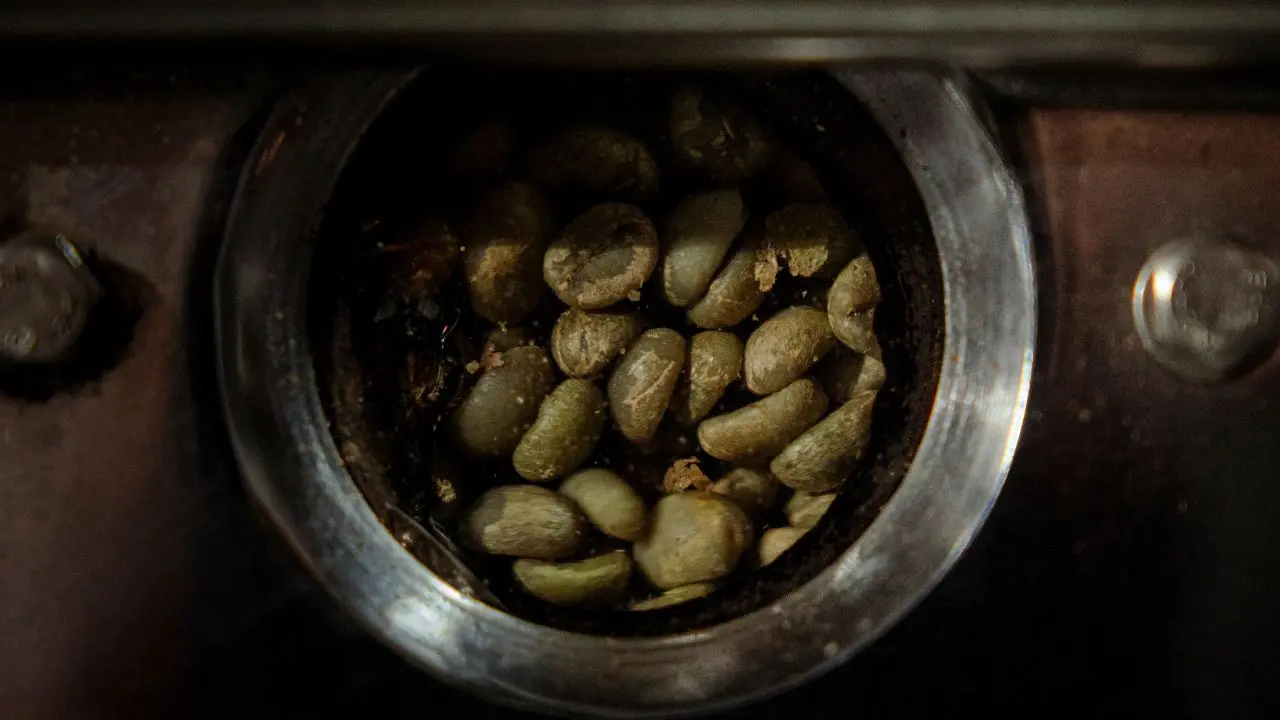
The roasting method affects how coffee absorbs and transfers heat during roasting, which impacts flavor development.
Washed coffee is usually more predictable because its structure is even and it has less sugar.
Natural coffee needs close heat control. Its higher sugar content means caramelization happens more quickly.
Honey-processed coffee sits between washed and natural, with its own balance of sugar and structure.
These differences shape several key aspects of the roasting process:
- Heat absorption and transfer
- Roasting time and development phase
- Risk of burning or uneven roasting
- Control over flavor clarity
Roasters need to adjust their approach based on how the coffee was processed. Each coffee needs its own roasting profile.
Heat transfer refers to how heat moves into and through coffee beans during roasting. It determines how evenly the beans develop flavor and structure.
How Does Roast Level Affect Final Flavor Profile

How coffee is processed and roasted shapes its final taste. Light roasts keep the coffee’s natural clarity, while darker roasts bring out more body and caramel flavors.
Light Roast Coffee
Generally, light roasts produce a bright, acidic, and clean flavor profile, highlighting subtler aromas such as flotral or berry notes.
When brewed, light roast coffee looks pale in the cup, similar to tea.
Medium Roast Coffee
Medium roasts bring out sweeter flavors, like chocolate or caramel, while keeping some of the coffee’s natural complexity.
Roasters can adjust medium roasts to highlight more fruit or sweetness, depending on the beans’ origin.
Dark Roast Coffee
Dark roasts often lose some of the coffee’s original character, but they keep a rich sweetness and depth. When roasted well, they can show chocolate notes.
At deeper roast levels, you may notice more roasted or smoky flavors.
Understanding the effects of these roast levels allows roasters to align processing methods with the desired flavor outcome. If you’d like to learn more about the differences in roast levels, read our guide on the differences between light, medium, and dark roast coffee.
Roast level refers to how long and how intensely coffee beans are roasted. It determines the balance between origin characteristics and roast-driven flavors.
Why Processing Matters for Roasters and Buyers

For coffee roasters and wholesale buyers, the relationship between processing and roasting goes beyond mechanical details. It impacts product consistency, scalability, and quality.
Some primary considerations include:
- Consistency from one batch to the next
- Processing affects how consistently coffee behaves during roasting.
- Predictable flavor profiles
- Efficient roasting
- Product differentiation
The way coffee is processed shapes its flavor, allowing businesses to offer a range of unique profiles.
For businesses operating at scale, these factors are important for maintaining quality and meeting wider market demand.
Processing, Roasting, and Quality Control
Consistent roasting starts with green coffee beans that are handled and prepared with care. Even the best roaster cannot achieve consistent results without strong quality control during processing.
A reliable processing system uses careful washing and drying, keeps moisture levels in check, sorts beans for uniformity, and handles each step after harvest with attention to detail.
Processing methods shape the physical and chemical characteristics of green coffee beans, determining how the beans react during roasting and how the final flavor develops.
When processing is matched to the roasting style, roasters get more predictable and steady results.
Bali Origins supports this process through a structured system for processing and roasting designed for global buyers.
Focusing on consistency, stability, and controlled handling at every stage prepares coffee for the best performance across a wide range of roast profiles and commercial applications.
If you are refining your roast profiles or choosing coffee by processing method, working with a partner like Bali Origins, who understands both processing and roasting, can help you get more consistent results and better flavor. Contact us to learn more.
Coffee and Roasting FAQs:
How Does Coffee Processing Affect Roasting?
Processing determines moisture levels, sugar content, and bean density, all of which influence how coffee reacts to heat. Washed, natural, and honey-processed coffees behave differently during roasting, requiring adjustments in temperature and timing to achieve stable results.
What Happens to Coffee Beans During Roasting?
During roasting, coffee beans undergo physical and chemical changes, including moisture loss, expansion, sugar caramelization, and the Maillard reaction. These processes develop the color, aroma, and flavor compounds that define the final cup.
Why Do Different Coffees Roast Differently?
Each coffee has unique structural characteristics shaped by its origin and processing method. Differences in density, moisture, and sugar levels affect how heat is absorbed and transferred, causing each batch to respond differently during roasting.
How Do Processing Methods Influence Flavor Profiles in Coffee and Roasting?
Processing methods shape how flavors develop during roasting. Washed coffees tend to highlight clarity and acidity, natural coffees emphasize fruit and sweetness, and honey-processed coffees offer a balance between sweetness and structure.
How Does Roast Level Affect Coffee Flavor?
Roast level determines how much of the coffee’s original character is preserved. Light roasts highlight acidity and floral or fruity notes, medium roasts balance sweetness and body, and dark roasts emphasize depth, bitterness, and caramelized flavors.
Why Is Roasting Consistency Important for Coffee Quality?
Consistent roasting ensures that flavor, aroma, and extraction behavior remain stable across batches. Variations in roasting can lead to uneven flavor, affecting product quality and customer experience, especially in commercial operations.
How Do Roasters Adjust Profiles Based on Processing Methods?
Roasters adjust heat application, roasting time, and development phases depending on the coffee’s processing method. Natural coffees often require more careful heat control due to higher sugar content, while washed coffees are typically more predictable.
Why Is Green Coffee Quality Important for Roasting?
Roasting can only develop the potential present in green coffee. Poor handling, unstable moisture, or defects in green beans will result in inconsistent roasting and lower cup quality, regardless of roasting skill.
Why Is Processing Control Critical for Coffee and Roasting Consistency?
Processing control ensures that green coffee beans maintain stable moisture levels, uniform structure, and low defect rates. These factors are essential for predictable roasting behavior and consistent flavor development across batches.
Bali Origins supports this by applying controlled post-harvest handling, structured drying, and quality-monitoring systems to ensure consistent roasting performance across commercial and specialty programs.
How Do Coffee and Roasting Impact Commercial Coffee Programs?
The interaction between coffee processing and roasting affects consistency, scalability, and product differentiation. Businesses rely on predictable roasting performance to maintain quality across large volumes and meet market expectations.