
Green coffee beans are the raw, unroasted seeds of the coffee plant and the starting point of every cup of coffee. At this stage, the beans retain their structure and moisture, helping them remain stable during storage and shipping. How green coffee is chosen, handled, and stored directly affects its quality and performance during roasting.
To understand green coffee, it is necessary to examine factors such as composition, moisture stability, density, grading standards, and supply chain reliability. Green coffee forms the foundation of the global coffee trade and underpins every roasting program and specialty profile developed in professional markets.
This article discusses what green coffee beans are, how they differ from roasted coffee, what they contain, and why their quality is critical for buyers, roasters, and producers operating at scale.
What Are Green Coffee Beans?
Green coffee beans are the dried seeds of coffee cherries. After post-harvest processing, the fruit is removed, and the beans are dried. At this stage, the beans appear pale green and remain dense and structurally intact.
Unlike roasted coffee, green coffee beans:
- retain their original carbohydrate and lipid structure
- contain natural caffeine and chlorogenic acids
- maintain the moisture needed for stable roasting
- have not yet developed the aroma compounds associated with roasting
Much of the coffee’s potential quality is determined at this stage. Roasting only reveals what is already present in the bean. If density, structure, or chemical stability are compromised early, roasting cannot fully restore them.
Chemical stability refers to how well the natural compounds in green coffee remain intact before roasting. Stable beans preserve their internal structure and composition, allowing roasting to develop flavor predictably.
What Do Green Coffee Beans Contain?
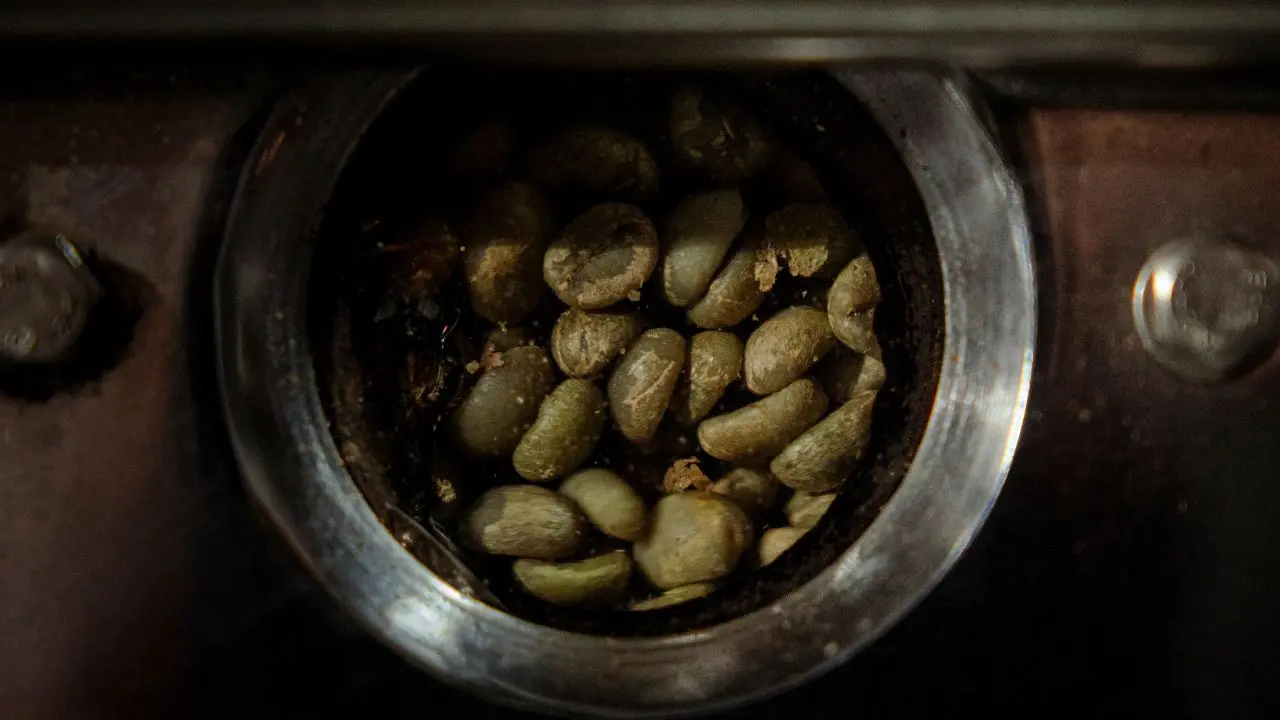
Green coffee beans contain natural compounds that shape both their chemical characteristics and their behavior during roasting.
Chlorogenic acids are more abundant before roasting and break down as the heat changes the bean. These acids drive key chemical reactions during roasting.
Caffeine naturally occurs and remains stable during roasting, although changes in the coffee bean’s structure can affect its flavor.
Carbohydrates and sugars impart sweetness and body when heated. Lipids contribute to mouthfeel and affect extraction, both of which are important for espresso.
In professional roasting, these compounds are important for heat response and cup clarity.
Chlorogenic acids are natural antioxidant compounds found in high levels in green coffee. They decrease during roasting and are often linked to potential metabolic and cardiovascular effects.
Chlorogenic Acids and Their Role in Green Coffee
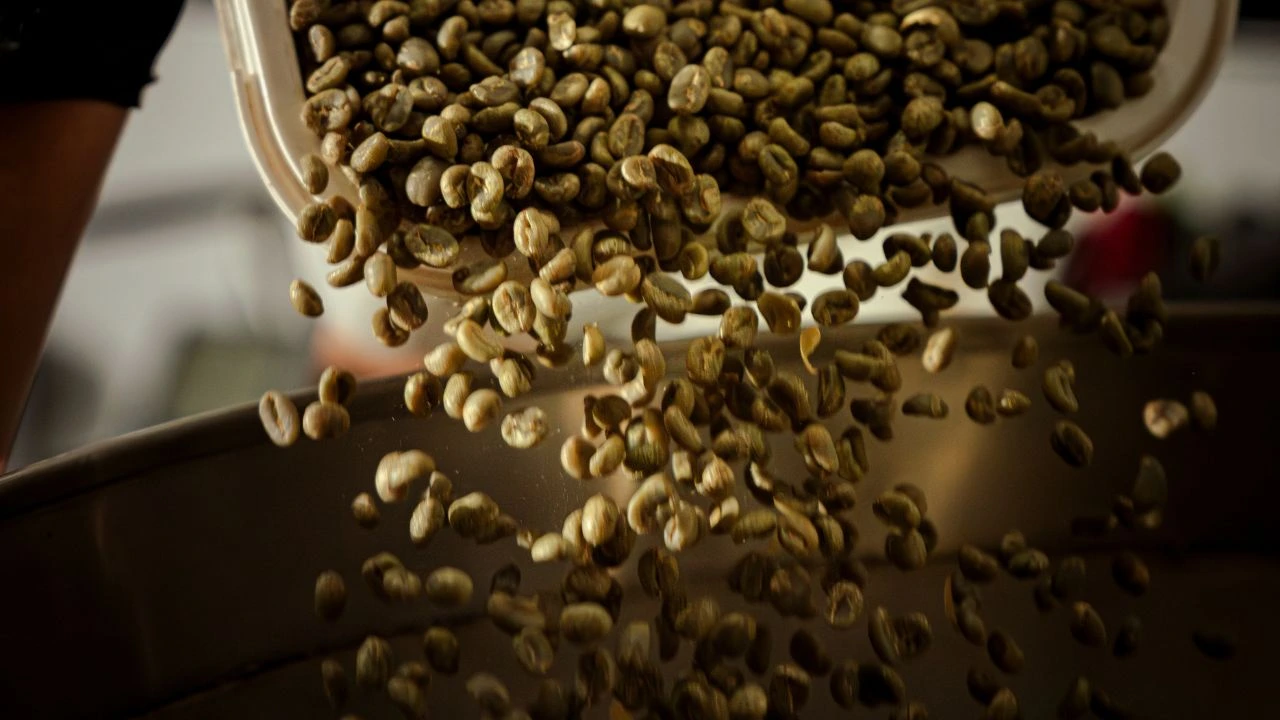
Green coffee beans are sometimes discussed in wellness contexts because they contain chlorogenic acids, compounds associated with antioxidant activity. Some research has analyzed their potential influence on blood sugar regulation and cardiovascular markers, with generally modest findings.
In the coffee industry, these compounds are most important because they act as chemical precursors.
As roasting transforms chlorogenic acids and other structural components, they contribute to acidity, balance, and overall flavor development in the final cup.
Why Green Coffee Quality Determines Roasting Performance
How green coffee responds to heat shapes the outcome of professional roasting. Three main factors influence how the beans perform.
1. Moisture Stability
Moisture content in green coffee beans usually stays within a tight range, helping heat move evenly through the beans. Beans that are too dry can roast too fast and risk scorching. Too much moisture can cause uneven roasting and poor storage.
Measuring moisture accurately helps keep roasting results steady from batch to batch and across several harvests.
2. Density
Density shapes how beans absorb and conduct heat during roasting. Higher-density beans handle heat more predictably, making it easier to guide the roast and highlight each stage of development.
Sorting beans by density lets roasters predict how each lot will react in the roaster.
3. Defect Control
Sorting out defects removes broken, immature, insect-damaged, or discolored beans. Even a few defects may dull the cup’s clarity and make results less consistent.
Checking quality before roasting shapes how precise and consistent the coffee will taste in the cup. Stable green coffee is the starting point for reliable roasting.
Moisture stability refers to maintaining a consistent internal water content within green coffee beans. Stable moisture ensures even heat transfer during roasting and reduces the risk of scorching or uneven development.
How Green Coffee Beans Are Used
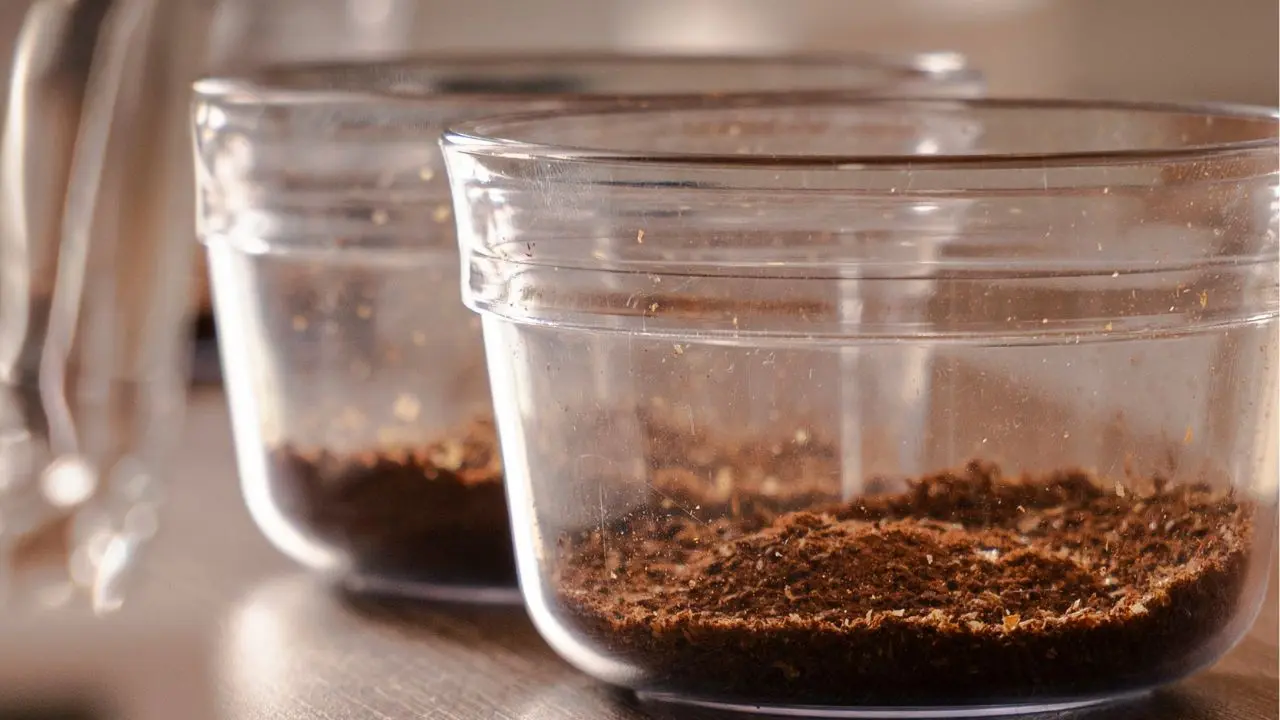
Green coffee beans have a variety of uses across industries, but their main role is in professional coffee production and roasting.
In Supplements and Beverages
Green coffee extract is sometimes processed into capsules or powder. Some companies also brew beverages directly from unroasted coffee beans to highlight their natural composition.
In Professional Coffee Manufacturing
In the coffee industry, green coffee beans are the core raw material that determines roasting performance and the final cup quality. Every roast begins with structural and chemical stability established at the green stage.
For producers and B2B buyers, green coffee beans directly influence:
- Flavor clarity and aroma potency
- Roast steadiness across batches
- Moisture balance and storage stability
- Defect rates and reliability of assessment
- Long-term supply scalability
Quality evaluation at this stage is systematic. Coffee beans are assessed through moisture measurement, density assessment, sieve size classification, defect sorting, and verification of origin and post-harvest handling methods.
These controls form the technical foundation that enables roasters to develop repeatable profiles and increase production.
This is where green coffee moves beyond niche consumer applications and becomes the backbone of commercial coffee manufacturing.
Density grading is a method of sorting green coffee beans based on weight and compactness. Higher-density beans generally roast more evenly and predictably.
Green Coffee Beans vs Roasted Coffee
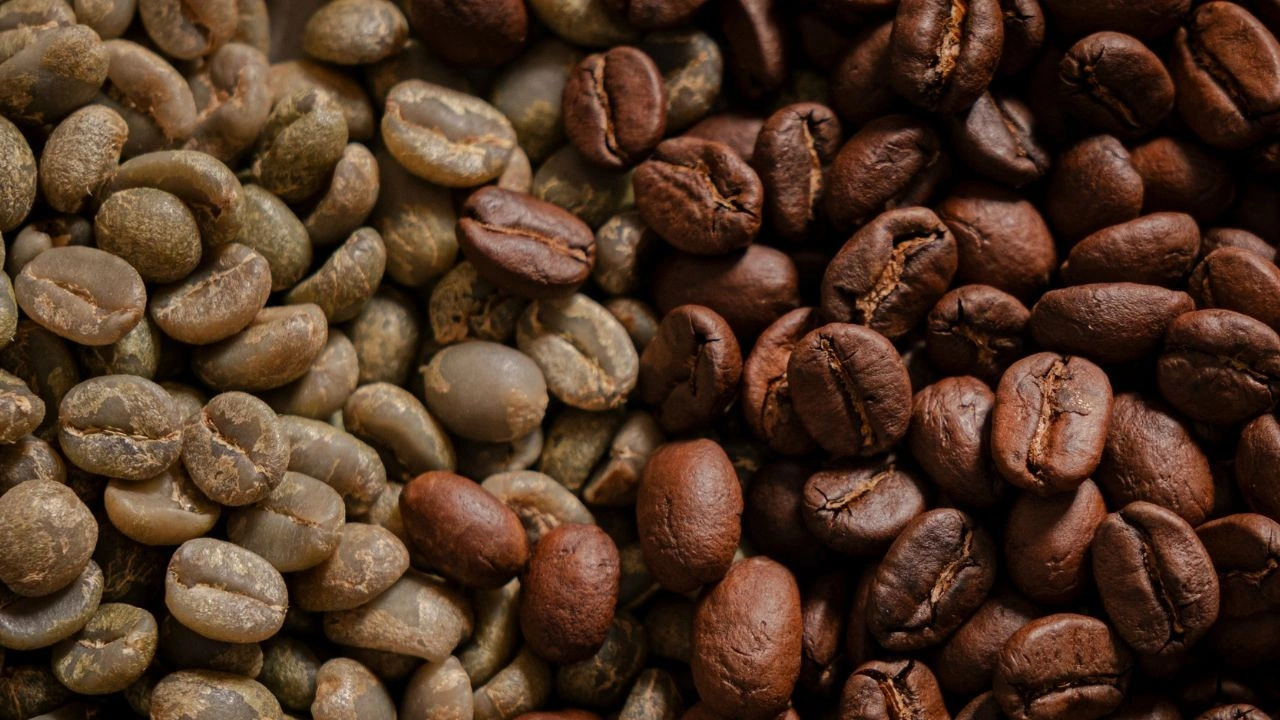
The difference between green and roasted coffee lies in their chemical and structural properties.
Green coffee retains its original compounds and moisture balance. Roasting triggers complex reactions that create aroma compounds, caramelized sugars, and deeper color.
Green coffee holds the potential for quality, while roasting brings out those qualities in the final cup.
For specialty and commercial programs alike, both stages matter. But quality control must begin before roasting. To understand the steps that turn green coffee beans into the final roast, explore our guide to the coffee roasting process.
Melanoidins are compounds formed during roasting through complex chemical reactions. They contribute to coffee’s brown color, aroma, and roasted flavor profile.
Why Green Coffee Quality Matters for the Global Supply Chain
The quality of green coffee ultimately shapes market performance. If moisture is unstable, the risk of mold increases. When processing is inconsistent, roasting results become less predictable. Poor sorting means more defects in the final product.
High-grade green coffee requires:
- Careful farm selection
- Controlled post-harvest handling
- Precise drying
- Moisture stability
- Lot consistency
Professional standards at each stage help maintain high quality and consistent results.
Lot consistency means each batch of green coffee maintains similar moisture, density, and quality characteristics. This supports predictable roasting and repeatable flavor outcomes.
Green Coffee Beans as the Foundation of Quality and Consistency
Green coffee is essential to the coffee industry. It is the starting point for all roasted coffees, espresso blends, and specialty batches.
At Bali Origins, we source green coffee beans exclusively from trusted plantations and process them under certified supervision. We use careful drying, check moisture levels, and follow a clear quality assessment process to keep our lots consistent. Our focus is on precision, reliability, and building long-term supply partnerships.
If you are sourcing green coffee beans for roasting programs or distribution, our team is ready to support your supply strategy with world-class standards and measurable quality control.
Green Coffee Beans FAQs
How Are Green Coffee Beans Different from Roasted Coffee?
Green coffee beans contain higher levels of chlorogenic acids and have not undergone the chemical reactions that occur during roasting. Roasted coffee develops aroma compounds, caramelized sugars, and a darker color, while green coffee represents the structural foundation of flavor potential.
What Do Green Coffee Beans Contain?
Green coffee beans contain chlorogenic acids, caffeine, carbohydrates, proteins, lipids, vitamins, and minerals. Chlorogenic acids are antioxidants that often attract attention in wellness discussions, while structural components influence roasting behavior and cup stability.
Are Green Coffee Beans Safe to Use?
Green coffee beans are generally safe for most adults when consumed appropriately. They still contain caffeine, which may cause side effects for sensitive individuals. Those with medical conditions or taking medication should consult healthcare professionals before use.
Can Green Coffee Beans Be Brewed as a Beverage?
Yes. Green coffee beans can be brewed, producing a lighter, herbal-tasting drink without the complex flavors developed during roasting. However, the flavor profile is significantly different from that of roasted coffee.
What Determines High-Quality Green Coffee Beans?
High-quality green coffee beans are defined by stable moisture levels, careful drying, low defect count, consistent grading, and traceable sourcing. Density, structural integrity, and proper post-harvest handling directly affect roasting consistency.
How Do Green Coffee Beans Affect Roasting Performance?
The density, chemical composition, and moisture balance of green coffee beans influence how heat is absorbed during roasting. Consistent green preparation allows roasters to develop repeatable roast profiles across different volumes and harvest cycles.
Why Are Green Coffee Beans Critical to the Global Coffee Supply Chain?
Green coffee beans represent the foundation of every roasted product, espresso blend, and specialty batch. Consistency at the green stage supports long-term supply reliability, predictable roasting performance, and scalable commercial production.