
Responsible coffee sourcing shapes the quality, consistency, and reliability of every cup you serve. For café owners and roasters buying from Indonesia, understanding sourcing in daily practice helps keep the supply chain steady and dependable.
Indonesia is the world’s fourth-largest coffee producer, with coffee grown in Sumatra, Java, Sulawesi, Bali, Flores, and Papua. Each island has its own coffee profile, and every farmer depends on sourcing choices that affect their livelihoods.
This guide explains what responsible sourcing means in Indonesia and what to consider when choosing or improving your green coffee partners.
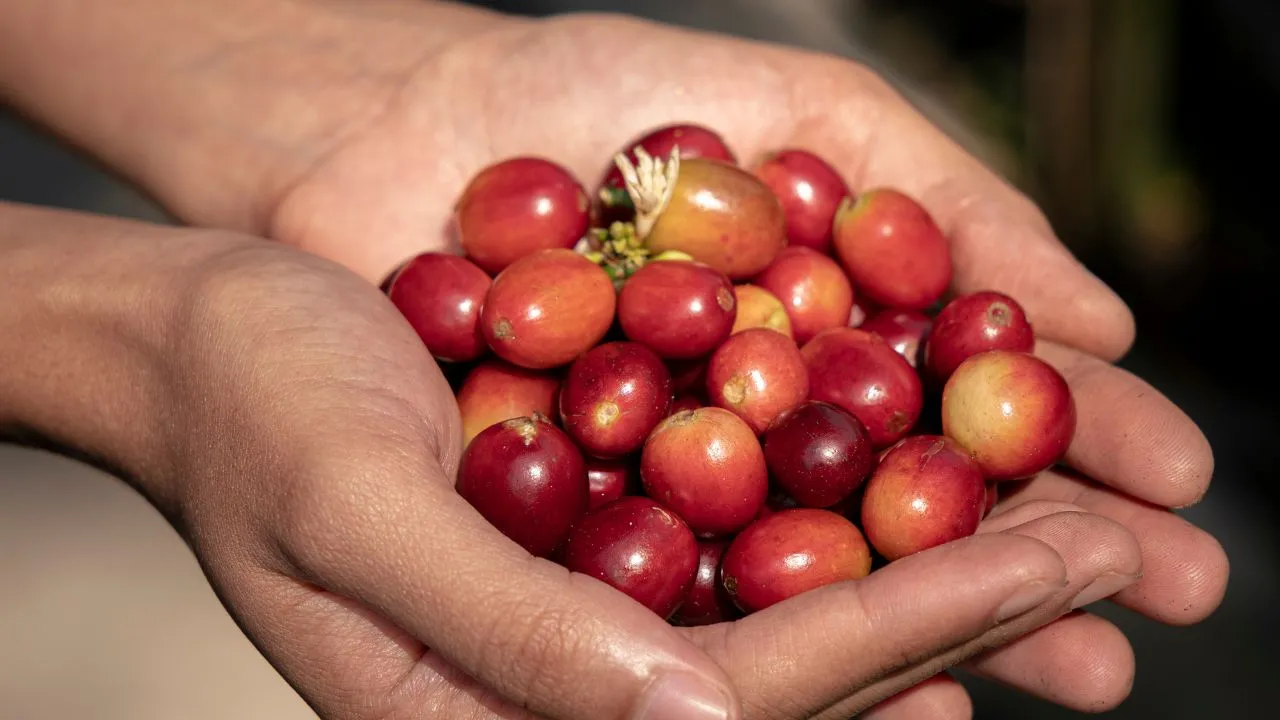
At Bali Origins, we build our supply on responsible sourcing. We work directly with farmers in Bali and other main growing regions in Indonesia, selecting only ripe cherries at harvest and staying involved at every stage after picking. Our long-term relationships with farmers help us maintain consistent quality and provide a clear view of how coffee is produced.
What Is Responsible Coffee Sourcing?
Responsible sourcing is about choosing coffee in ways that support sustainable production and look after the well-being of producers and farmworkers.
This approach goes beyond relying on certification labels. Responsible coffee sourcing includes:
- Paying prices that match the real costs of production and give producers a fair return
- Traceability that allows buyers to understand where their coffee comes from and under what conditions it was grown
- Building long-term relationships with farmers so they have the stability to invest in their farms.
- Offering technical support to help producers improve their crop quality and manage their farms better
- Making sure there is no child or forced labor, that working conditions are safe, and that farmworkers receive fair pay
A 2021 report by the Columbia Center on Sustainable Investment found that even after years of sustainability programs, most smallholder coffee producers in major countries still earn at or below the poverty line.
In many countries, including Indonesia, farmers still earn only a third or a quarter of what would be considered a real living income. Certification labels by themselves do not close this gap. Real change happens when sourcing practices directly benefit farmers.
What Makes Responsible Coffee Sourcing Different in Indonesia
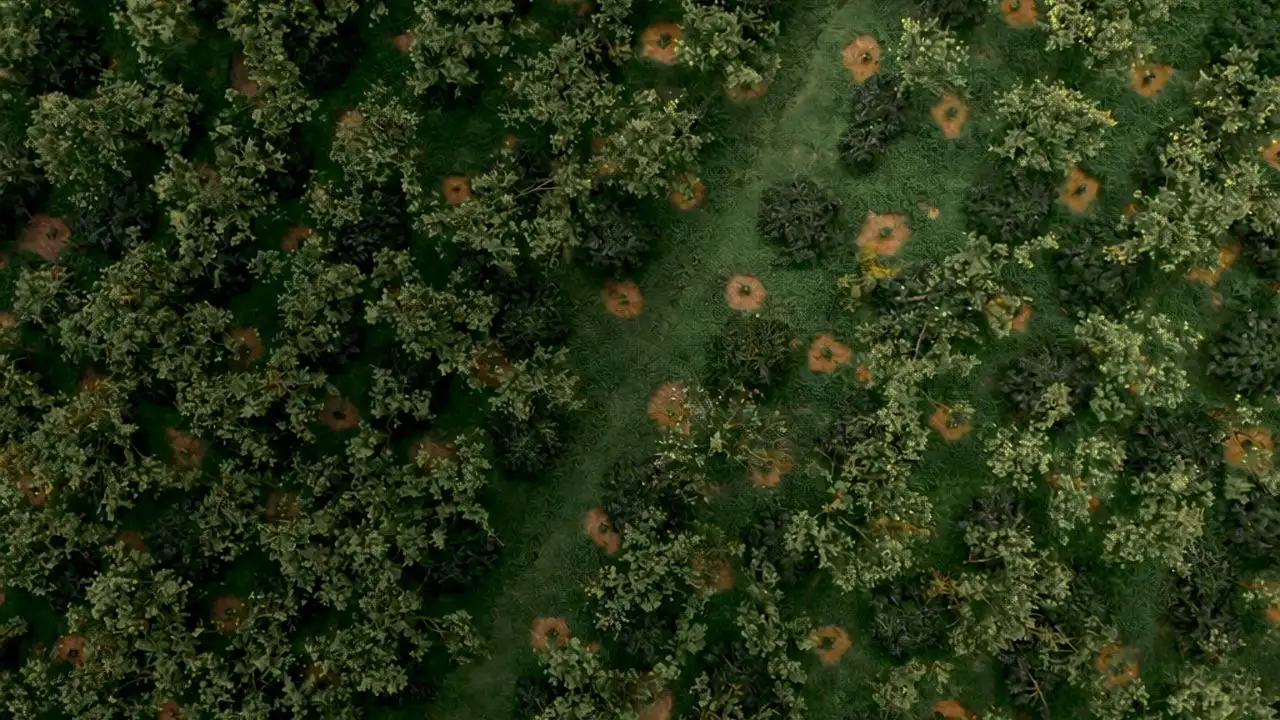
Indonesia’s coffee sector is shaped by over a million smallholder farmers, most working on one to five hectares of land. Coffee often changes hands many times before reaching a mill or exporter, making the supply chain long and fragmented. This makes it harder to trace coffee back to its farm of origin and to ensure farmers are paid fairly for what they produce.
Indonesia grows both Arabica and Robusta coffee in different environments. Arabica from Sumatra, Bali, and Flores is sold as specialty coffee and earns higher prices overseas. Robusta from Java and Sulawesi is used in commercial blends and instant coffee. The local market is strong, so exporters must compete with local buyers for the best coffee.
There are a few important things to know about Indonesian coffee:
- Farm yields are usually lower than in Vietnam or Brazil. Indonesian farmers earn less per hectare, even when farm prices are similar.
- The efficiency of moving coffee from the farm to export varies widely across islands and regions.
- Environmental pressures are a real issue, especially for farms near forests or protected areas. Ensuring that farms comply with environmental rules is becoming increasingly important.
- Labor conditions on farms, especially for seasonal harvest workers, are often overlooked. They matter as much as farmers’ income for responsible sourcing.
For café owners, sourcing coffee from Indonesia requires active effort. It involves working with partners who really know where the coffee comes from and how farmers are treated.
What Is a Smallholder Coffee Farmer?
A smallholder coffee farmer is an individual or family that grows coffee on a relatively small area of land, typically relying on family labor and limited resources. Smallholders produce most of the world’s coffee.
How to Evaluate a Sourcing Partner’s Responsibility Claims
Not every ‘responsibly sourced’ claim means the same thing. When evaluating a green coffee supplier or direct trade relationship, there are specific questions worth asking.
Traceability:
- Can the supplier tell you which region, cooperative, or farmer group the coffee comes from?
- Is traceability documented to the farm-group level, or only to the export mill?
- Are GPS coordinates or farm maps available for the production areas?
Pricing and Farmer Economics:
- Does the supplier track and disclose the farm-gate price paid to producers?
- Are farmers paid a premium above the commodity market price for quality-differentiated lots?
- Does the supplier have any mechanism to support farmers when market prices fall below production costs?
Supply Chain Relationships:
- How long has the supplier worked with their farmer groups?
- Are purchasing commitments made in advance, or is everything spot-traded?
- Does the supplier provide any technical or agronomic support to producers?
Social Compliance:
- Does the supplier have a risk assessment process for child and forced labor in their supply chain?
- Are farmworkers on the farms they source from paid at least the minimum regional wage?
- Are there grievance or reporting mechanisms in place for labor violations?
Suppliers who answer these questions openly differ from those who simply display a certification logo.
What is the farm-gate price?
Farm-gate price is the amount paid directly to farmers before coffee moves through processing, transportation, or export. It reflects what producers actually receive for their coffee.
The Role of Certification in Responsible Coffee Sourcing
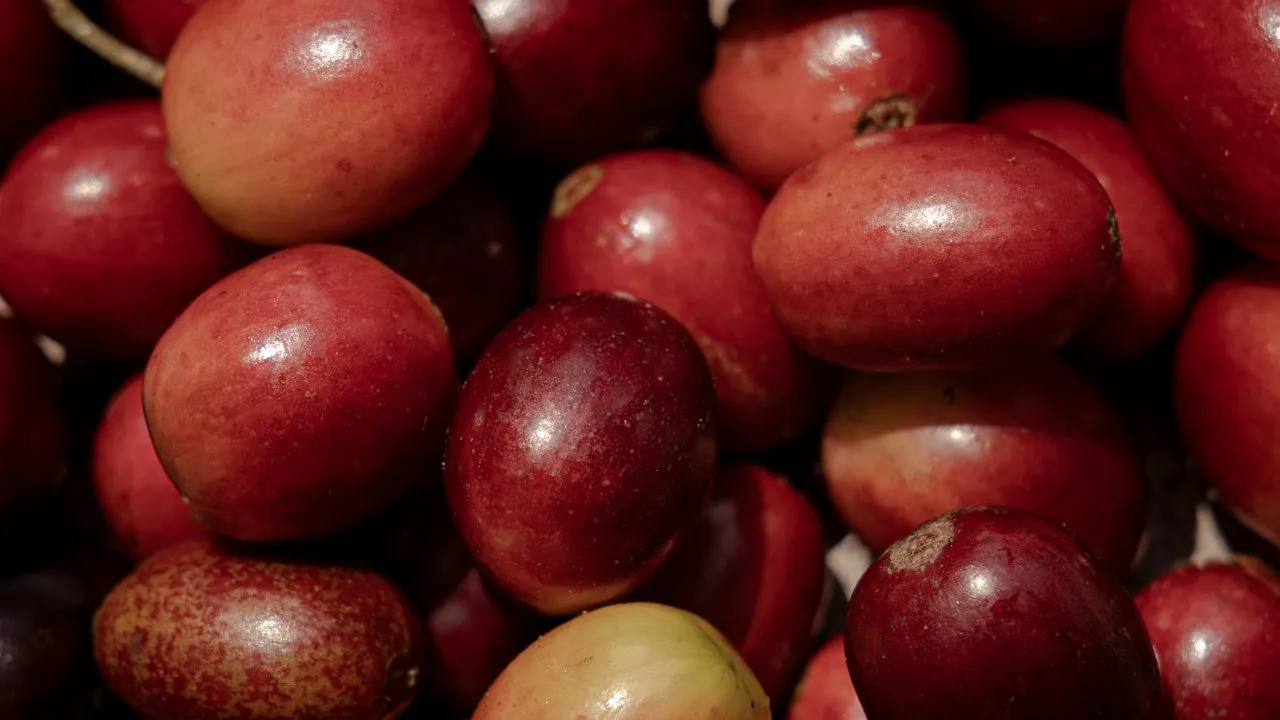
Third-party certifications like Rainforest Alliance, Fairtrade, and 4C set basic sustainability standards across the supply chain. These programs provide external checks and a shared framework for measuring farms against environmental and social goals. They are part of what is known as Voluntary Sustainability Standards, or VSS.
VSS helps producers and companies show that their coffee meets certain environmental, social, and economic requirements. Coffee is the most widely certified crop under these standards.
VSS programs come in three main types. Third-party certifications are reviewed by independent auditors. Second-party verifications are conducted by a related party, such as a trader. First-party assurance means a company uses its own standards to check itself. Each type gives buyers a different level of trust.
However, the extra money from certified coffee is often small for farmers and usually does not close the income gap for smallholders. Producers also have to pay costs to obtain and maintain certification, which can reduce the benefit from the premium price.
For café owners, buying only certified coffee does not always mean buying responsibly. Certification sets a minimum standard, but it does not guarantee that farmers earn a good income or that your supply will stay steady over time.
What matters most in responsible sourcing is how the coffee is actually sourced:
- Long-term buying agreements that help farmers plan for the future
- Prices that cover the costs of production and give farmers a fair profit
- Technical support that helps farmers improve their productivity
- Traceability that allows buyers to verify claims
Certifications work effectively when they support these sourcing practices.
Environmental Sustainability at the Farm Level
Responsible sourcing also means taking environmental impact seriously at the point of production. In Indonesia, where coffee farms are often located near or within biodiversity-sensitive landscapes, this has direct implications for the long-term viability of the supply chain.
Responsible sources stand out by following certain environmental practices:
- Soil management. Farmers who keep their soil healthy by adding organic matter, controlling erosion, and using fertilizers carefully can deliver more consistent cherry quality year after year.
- Water stewardship. Coffee processing needs a lot of water. Suppliers who monitor their water use, protect water sources with buffer zones, and treat wastewater support both the environment and local communities.
- Forest protection. Responsible suppliers avoid clearing forests or changing natural ecosystems near their farms. They should also be able to show where their farmers are located compared to protected forests.
- Climate adaptation. Planting shade trees, growing different crops together, and using climate-smart farming methods help farms stay productive as the weather changes.
For buyers, it is important to know if a supplier truly tracks these practices, not just claims to support them.
What Are Buffer Zones?
Buffer zones are protected strips of vegetation around rivers, forests, or other sensitive ecosystems that help prevent pollution, reduce erosion, and protect biodiversity.

Responsible Coffee Sourcing for Small and Mid-Size Cafés
Responsible sourcing is often seen as something only big companies can influence. In reality, the choices made by small and mid-size roasters and café owners add up. The way they source coffee shapes the working conditions and livelihoods of the farmers they buy from.
If you own a café and want to source Indonesian specialty coffee responsibly, here are some practical steps you can take:
- Work with a green coffee supplier or importer who can trace the coffee back to a specific farm or cooperative.
- Pay a price that reflects the true cost of producing specialty coffee in Indonesia, rather than relying on commodity prices.
- Buy from the same lots or farmer groups over several seasons to build a steady relationship.
- Ask your supplier how they support producers during low harvests or when quality changes.
- Share your sourcing story with customers honestly, based on what you actually know about the coffee.
Smaller buyers may not have dedicated sustainability teams, but they can still ask better questions and prioritize suppliers that provide clear information about sourcing, traceability, and production practices.
How Bali Origins Supports Responsible Coffee Sourcing
Bali Origins supplies specialty-grade Indonesian green coffee to roasters and café operators who value consistent quality and a clear line of sight back to origin.
Our commitment to quality sorting, careful post-harvest handling, and direct relationships with farming communities ensures the coffee we supply reflects practices we can document and stand behind.
We work with buyers to build long-term supply relationships. If responsible coffee sourcing from Indonesia is a priority for your business, we’d like to hear from you. Contact our team to discuss green coffee supply, origin visits, or wholesale inquiries.
Responsible Coffee Sourcing FAQs
A. Why Is Responsible Coffee Sourcing Important?
Responsible coffee sourcing improves supply chain transparency, supports farmers' livelihoods, promotes environmental stewardship, and contributes to more consistent coffee quality. It also enables buyers to build reliable long-term sourcing relationships rather than relying solely on commodity markets.
B. Does Certification Guarantee Responsible Sourcing?
Not on its own. Certifications set useful baseline standards, but price premiums reaching the farm level are often limited. Responsible sourcing also requires fair pricing, traceability, and genuine supply chain relationships.
C. How Do I Know If My Indonesian Coffee Supplier Is Sourcing Responsibly?
Ask whether they can trace their coffee to the farm-group level, what farm-gate prices they pay or track, how long they have worked with their farmer partners, and whether they have any process for monitoring labor conditions on the farms they source from.
D. What Should Buyers Look for in a Responsible Coffee Supplier?
Buyers should evaluate traceability, pricing transparency, long-term relationships with farmers, post-harvest quality control, environmental practices, and labor standards. Suppliers should be able to document these practices rather than relying solely on certification claims.
E. How Does Responsible Coffee Sourcing Improve Coffee Quality?
Long-term sourcing relationships encourage farmers to invest in better cultivation and post-harvest practices. Stable purchasing commitments and regular quality feedback help improve consistency, resulting in coffee that performs more predictably during roasting and brewing.
F. How Can Small Cafés Practice Responsible Coffee Sourcing?
Small cafés can source responsibly by working with suppliers that offer traceable coffee, maintaining long-term purchasing relationships, paying prices that reflect production costs, and choosing partners that support producers beyond harvest. Responsible sourcing does not require large purchasing volumes but does require informed sourcing decisions.
G. How Does Bali Origins Approach Responsible Coffee Sourcing?
Bali Origins builds direct relationships with farming communities across Bali and other Indonesian coffee regions while maintaining involvement throughout post-harvest handling. Through traceable sourcing, quality-controlled processing, and long-term partnerships, Bali Origins delivers specialty coffee backed by transparent, responsible practices.