
Indonesian coffee is known for its diversity. Grown on volcanic islands with varied elevations and microclimates, it offers a broad range of flavors, from chocolate notes in Java to citrus clarity in the Bali highlands.
For buyers and roasters, understanding how Indonesia’s coffee profiles vary by region, altitude, soil, climate, and post-harvest handling is essential. Each factor shapes the final cup and affects consistency and quality.
This guide looks at how Indonesian coffee tastes across key regions and explains why origin is central to cup character.
What Shapes the Flavor Profile of Indonesian Coffee?
Indonesian coffee is known for its full body and earthy depth, but this only tells part of the story. The true character of Indonesian coffee is found in its structural diversity.
Across Indonesia, coffee grows in mineral-rich volcanic soil and humid tropical climates, from lowland Robusta farms to high-altitude Arabica plantations. These conditions shape the coffee’s acidity, sweetness, density, and aroma.
Multiple key factors shape the flavor and structure of Indonesian coffee:
- Elevation and temperature stability
- Volcanic soil mineral composition
- Rainfall intensity and seasonal patterns
- Farm selection and harvest time
- Post-harvest handling precision
Since these factors vary from island to island and even between sub-regions, Indonesian coffee does not have a single national profile. Instead, each region develops its own distinct character.
Java Coffee: Balanced and Structured

Java coffee is known for its well-structured, stable cup profile, which sets it apart from other Indonesian origins. East Java, especially the highlands around Ijen, is vital to this reputation.
Java Ijen coffee from East Java shows chocolate undertones, mild spice, and clean, moderate acidity. Its stable, well-defined profile suits medium-roast programs that require clarity along with balance.
Java Preanger coffee from West Java has a soft floral aroma and caramel sweetness. Its balanced acidity highlights the coffee’s natural flavors.
Core flavor profile:
- Medium body
- Chocolate and nutty notes
- Clean finish
- Balanced acidity
For buyers, East Java coffees offer consistent quality and moderate flavor intensity, making them a popular choice for espresso and filter brewing.
A clean finish means flavors fade smoothly without bitterness, harshness, or muddiness. It leaves a clear aftertaste.
Lombok Coffee: Emerging Highland Character
Lombok coffee grows in volcanic soils on highland farms, shaping its balanced body, gentle fruitiness, and soft chocolate notes.
Typical profile:
- Medium body
- Soft chocolate depth
- Subtle fruit nuance
- Moderate acidity
As processing in Lombok becomes more organized, buyers can expect consistent quality and a clearer Indonesian profile.
Bali Arabica: Bright, Clean, and Expressive
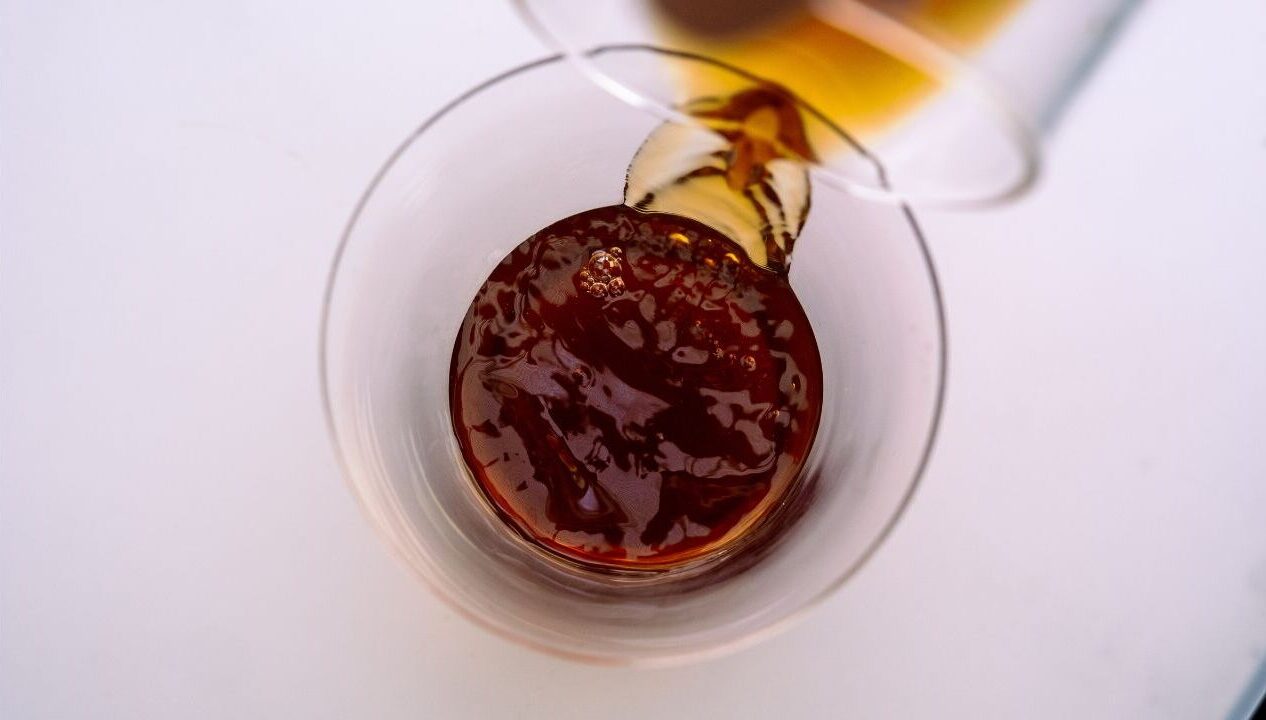
Bali Arabica from the Kintamani highlands stands out in Indonesia for its clarity alongside bright, clean flavor. Grown at high elevations on volcanic soil, it produces a cup lighter and more balanced than other Indonesian coffees.
Washed Bali coffees often have notes of orange and lemon, gentle sweetness, and a clean finish. Careful washing preserves the coffee’s natural acidity and keeps the flavor profile clear, without heavy or earthy notes.
Typical profile:
- Citrus brightness
- Floral aromatics
- Clean sweetness
- Structured acidity
- Smooth body
This clearness makes Bali coffee particularly suitable for specialty light- and medium-roast profiles where definition, balance, and transparency in the cup are priorities.
Regional coffee flavor is formed by more than just geography. How farmers manage harvest schedule, drying, and grading also affects sweetness, body, and acidity in the cup.
Knowing the larger production landscape helps buyers assess consistency and supply stability. For a deeper look at the most influential growing regions and production hubs, explore our guide to top Indonesian coffee regions.
Structured acidity means the coffee’s brightness is clear and balanced, fitting smoothly into the overall flavor. It brings clarity to the cup without overpowering the sweetness or body.
Sumatra Coffee: Earthy Depth with Regional Variation
Sumatra coffee is known for its full body and earthy depth, but the flavor profile changes by sub-region. Elevation, local climate, and processing methods shape how each coffee tastes.
Gayo Highlands coffees tend to have floral and herbal spice notes with a clear, balanced sweetness. Lintong coffees often show gentle fruit flavors over a chocolate base. Mandheling is recognized for its dark chocolate character and heavy body. Blue Batak coffees can bring out vanilla and almond aromas with a touch of spice.
Common structural traits include:
- Full body
- Earthy or herbal tones
- Dark chocolate depth
- Mild to moderate acidity
- Lingering finish
Within Indonesia’s wider spectrum, Sumatra lies at the heavier, more textural end of the flavor range, in contrast to cleaner, brighter island profiles.
Sulawesi Coffee: Layered Aroma and Structured Balance

Sulawesi coffee is noted for its multi-layered aroma and well-defined structure. In the Toraja highlands, it typically has a dense texture, hints of spice, dark chocolate depth, and restrained fruity brightness.
Distinctive characteristics include:
- Medium to full-bodied texture
- Subtle spice notes
- Dark chocolate nuances
- Soft fruit nuances
- Clean and long-lasting finish
This mix of texture, spice, and clarity makes Sulawesi coffee ideal for specialty menus aiming for structured depth and balanced articulation.
Layered aroma means coffee releases different scents one after another, rather than a single main smell. This gives the coffee a more complex and interesting character.
Flores Coffee: Clean, Sweet, and Approachable
Flores coffee is cultivated in volcanic soil and under stable climatic conditions, resulting in a clean, smooth flavor profile.
Distinctive characteristics include:
- Smooth to medium body
- Caramel sweetness
- Delicate cocoa aroma
- Light fruity undertones
- Balanced acidity
From regions like Bajawa, Flores coffee combines chocolate depth with subtle citrus brightness, creating a smooth, easy-to-enjoy profile.
Flores performs well at light- to medium-roasts, offering balanced sweetness and controlled acidity. It suits specialty cafes and commercial programs.
Balanced acidity means brightness is present but not overpowering. It adds freshness without creating sharp or sour sensations.
Choosing Indonesian Coffee by Flavor Goal

Different regional profiles serve different product objectives. Below is a simplified reference table to help buyers align origin selection with intended cup direction.
| Flavor Goal | Recommended Origins | Practical Notes for Buyers |
| Fruity and floral | Washed Bali Kintamani, Java Preanger, selected East Java highland lots | Suitable for light- to medium-roast profiles where citrus clarity, floral lift, and clean sweetness are priorities. Controlled-fermentation styles can increase fruit intensity in specialty programs. |
| Chocolatey but clean | East Java Ijen, Flores, Lombok highland Arabica | Offers cocoa depth, balanced acidity, and a cleaner finish than heavier Indonesian styles. Works well for structured espresso and versatile filter programs. |
| Herbal spice with clarity | Toraja, select East Java structured lots | Delivers mild spice character with defined body and moderate acidity. Suitable for menus seeking depth without excessive earthiness. |
| Low acidity blending base | East Java Arabica base with small percentages of aged components | For pour-over blends requiring plush mouthfeel and minimal sharpness, aged Arabica components can add depth. Keep aged coffee at or below 15 percent of the total blend weight in filter applications to avoid flatness. |
How Elevation Influences Indonesian Coffee Flavor
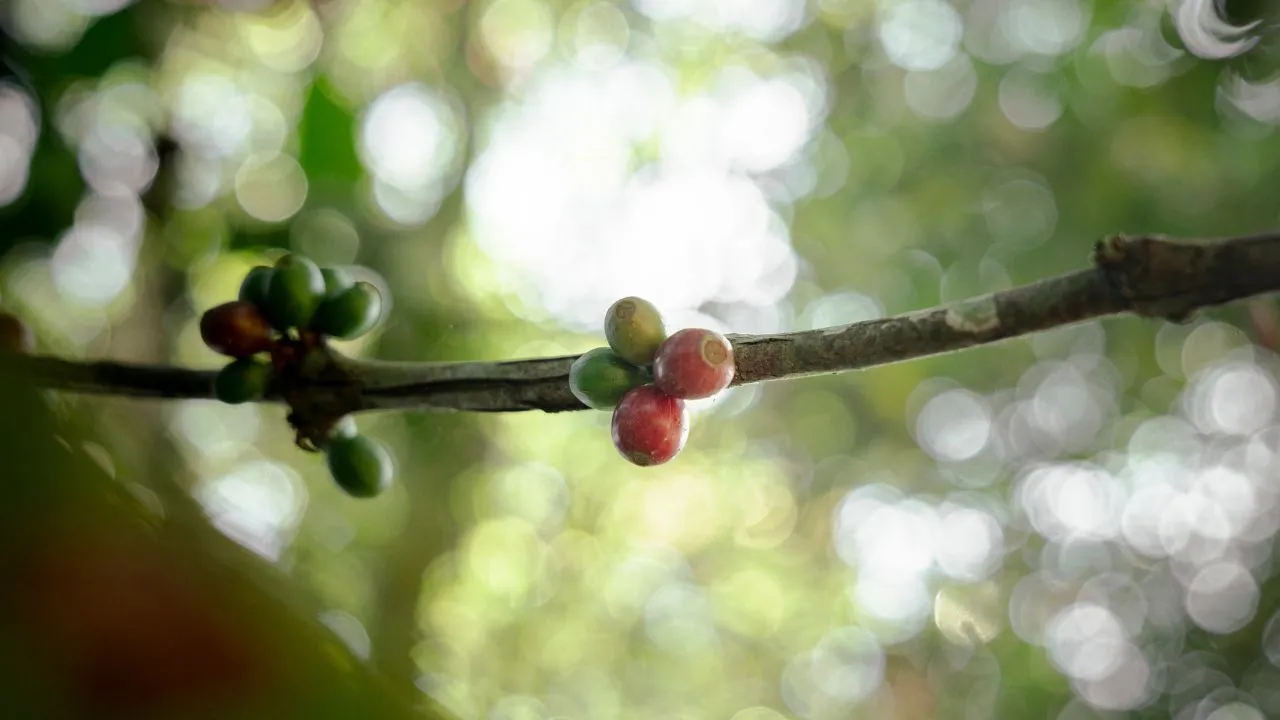
Elevation shapes how quickly coffee cherries mature and how much sugar they develop.
In higher-altitude regions, cherries mature more slowly. This gradual process allows sugars to build up, resulting in more complex aromas and brighter acidity.
At lower elevations, cherries develop faster. This usually means the coffee has a stronger body and lower acidity. These conditions are typical in areas where Robusta is grown.
Elevation gives buyers a clear idea of how the coffee will roast, what level of acidity to expect, and how balanced the cup will be.
Arabica and Robusta Within Indonesian Coffee
Indonesia produces both Arabica and Robusta coffee, each with distinct commercial roles.
Arabica delivers aromatic complexity and balanced acidity, making it a good fit for specialty and premium café programs.
Robusta results in a heavier body, stronger bitterness, and higher caffeine levels. It is widely used in espresso blends and high-volume commercial roasting.
Many Indonesian blends mix Arabica and Robusta to balance flavor, crema, and body.
Source Indonesian Coffee with Structured Quality Control
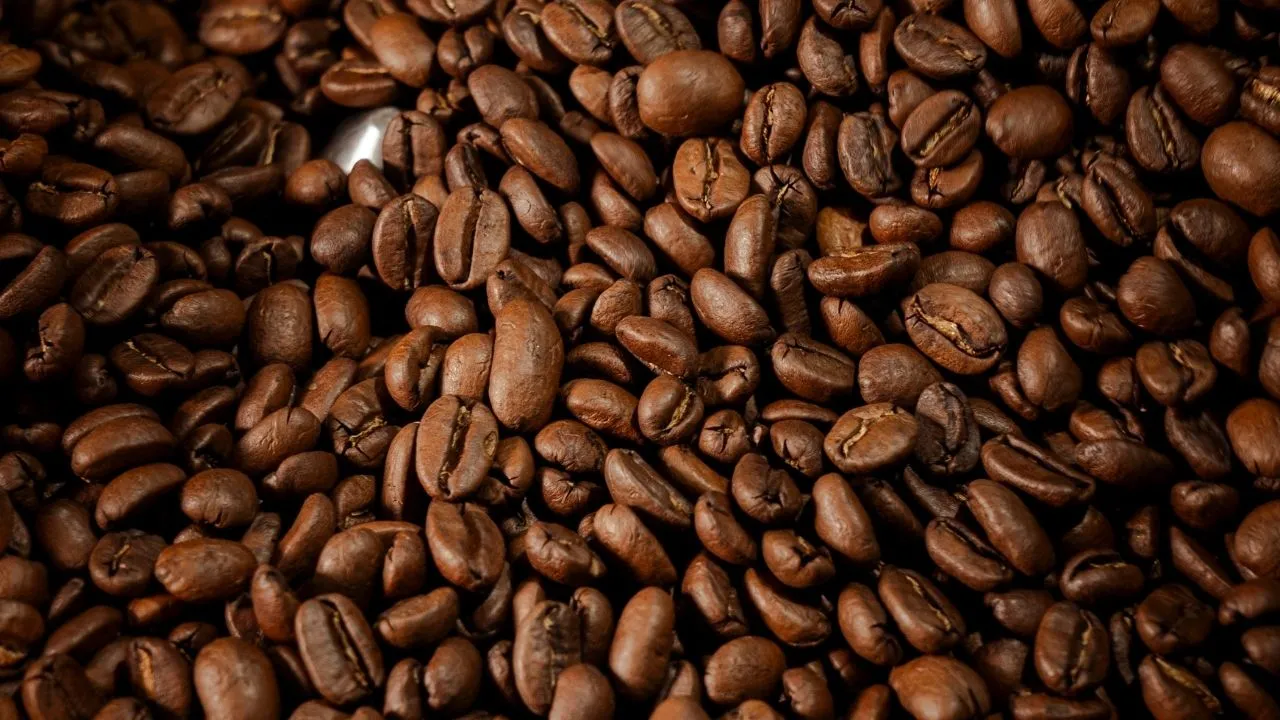
Indonesian coffee offers remarkable regional diversity, particularly across Bali, East Java, and emerging islands such as Lombok. For commercial buyers, preserving that character consistently throughout harvest, processing, roasting, and brewing defines long-term performance.
Quality control covers moisture, drying, grading, and traceability to ensure each batch fits the expected cup profile. Without these steps, the natural flavors of each region can shift from lot to lot.
Bali Origins partners with selected farms across Indonesia, focusing on careful post-harvest handling, controlled washing, and steady grading. This approach supports stable cup quality, predictable roasting, and a supply that meets business demand.
If you are sourcing Indonesian coffee for specialty programs, hospitality operations, private label, or large-scale distribution, connect with Bali Origins to explore structured supply solutions tailored to your market needs.
Indonesian Coffee FAQs
What Defines the Taste Profile of Indonesian Coffee?
Indonesian coffee is defined by structural diversity rather than a single national flavor. Across different islands, variations in elevation, soil composition, climate, and post-harvest handling create distinct cup characteristics ranging from earthy and full-bodied to bright and citrus-led.
Why Does Indonesian Coffee Taste So Different Across Regions?
Indonesia’s geography includes volcanic soil, tropical humidity, and wide elevation ranges. These environmental differences influence acidity, sweetness, body, and aroma. As a result, Java, Flores, Lombok, and Bali each express unique profiles.
How Does Java Coffee Compare to Other Indonesian Coffee Regions?
Java coffee is generally more balanced and structured. It often presents chocolate undertones, moderate acidity, and a clean finish, making it suitable for both espresso and filter programs requiring consistency.
What Makes Bali Arabica Unique Among Indonesian Coffees?
Bali Arabica, especially from Kintamani, is known for citrus brightness, floral aromatics, and clean sweetness. Its structured acidity and clarity make it well-suited for light- and medium-roast profiles in specialty coffee programs.
Which Indonesian Coffee Is Best for Fruity and Floral Profiles?
Washed Bali Kintamani, Java Preanger, and Gayo Long Berry are commonly selected for citrus and floral characteristics. These origins highlight clarity and aromatic complexity.
Which Indonesian Coffee Is Best for Chocolatey and Low-Acidity Profiles?
Java Ijen, Flores, and Lintong offer balanced cocoa depth with moderate acidity. For lower-acidity blending goals, structured Arabica bases can be adjusted to achieve a plush mouthfeel while maintaining clarity.
What Role Do Arabica and Robusta Play in Indonesian Coffee?
Arabica contributes aromatic complexity and balanced acidity, making it suitable for specialty and premium programs. Robusta provides a stronger body, greater bitterness, and higher caffeine levels, supporting espresso blends and commercial-scale roasting.
Can Indonesian Coffee Be Used in Both Specialty and Commercial Programs?
Yes. Indonesian coffee supports both segments. Highland Arabica serves specialty menus focused on clarity and aroma, while Robusta and body-forward Arabica styles support espresso blends and large-scale commercial programs.