
Green coffee bean wholesale at container scale is different from sample buying or small-lot sourcing. B2B buyers look for detailed lot specifications, consistent quality, reliable supply, and complete documentation before agreeing to regular shipments.
Transitioning to wholesale volumes changes supplier evaluation. Shipment consistency, harvest planning, logistics, and communication matter as much as initial sample quality.
This article explains what B2B buyers should consider when sourcing Indonesian green coffee at wholesale volume, from lot specifications and quality consistency to harvest planning, Incoterms, documentation, and supplier relationships.
At Bali Origins, we supply premium green and roasted coffee beans from Indonesia to roasters and wholesale buyers at scale. Our supply chain ensures consistency across every shipment.
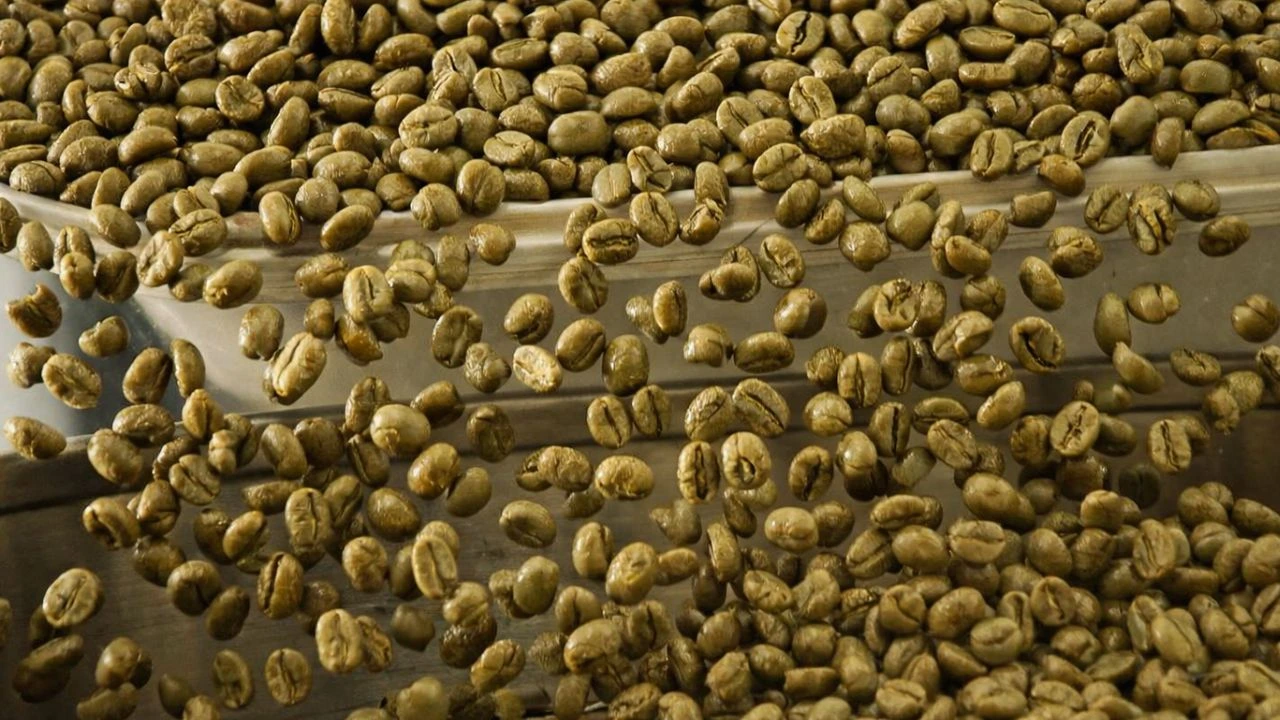
What Does Green Coffee Bean Wholesale Mean at Container Scale?
Wholesale sourcing is not the same as buying small test amounts. When ordering by the container, buyers need to check if a supplier can reliably meet the agreed coffee standards for larger orders and repeated shipments.
A standard 20-foot container can carry about 19.2 metric tons of green coffee packed in 60-kilogram bags, or roughly 320 bags. The exact amount may change depending on the container, packaging, and weight rules.
For international B2B procurement, a Full Container Load (FCL) is practical when shipment volume makes dedicated container shipping more cost-effective than a shared Less than Container Load (LCL). FCL offers exclusive use of the container. LCL combines smaller shipments with other cargo. The best choice depends on shipment volume, freight rates, handling needs, and destination costs.
The bigger consideration is consistency. A good pre-shipment sample shows what one batch offers but does not guarantee the supplier can match the same standards in future shipments.
That is why wholesale buyers need to evaluate the supplier’s processes as well as the coffee itself.
Which Specifications Should Buyers Define Before Ordering?
Buyers should clearly define specifications for a wholesale green coffee lot before finalizing the purchase agreement.
A label like “Grade 1 Arabica from Bali” does not provide enough detail for a complete purchasing specification. Depending on what the buyer needs, the specification might include:
| Specification | What Buyers Should Define |
| Origin | Island, region, farming area, or cooperative where relevant |
| Botanical variety | The coffee variety included in the lot |
| Processing method | Washed, natural, honey, or other specified method |
| Screen size | Required screen range and whether mixed screens are acceptable |
| Moisture content | Target range and acceptable limits |
| Defect allowance | Maximum acceptable defect level and applicable grading method |
| Cupping profile | Target sensory characteristics and evaluation criteria |
| Crop year | Harvest year and expected freshness window |
| Packaging | Bag type, bag size, and any buyer-specific packaging requirements |
Setting these specifications ahead of time gives both sides a clear standard to follow. It also makes it easier to check the shipment once the coffee is delivered.
For repeat buyers, these specifications can form a consistent purchasing framework, eliminating the need to renegotiate with each shipment.
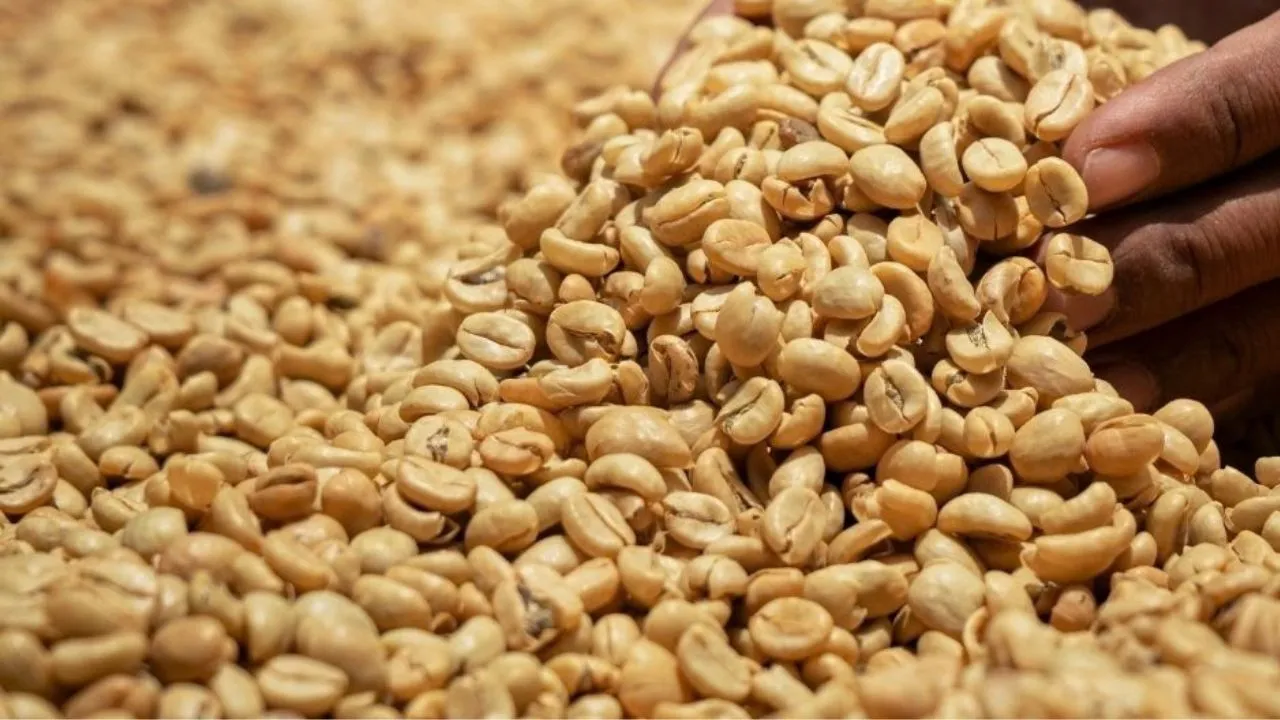
How Can Suppliers Maintain Consistency Across Wholesale Shipments?
In green coffee bean wholesale, the main challenge is building a relationship with a supplier who can deliver consistent quality across multiple orders.
Consistency starts with how coffee is sourced and handled before it reaches the buyer. When coffee comes from different producers or regions, changes in harvest conditions and raw material quality affect the final lot. Focusing on specific sourcing areas and using controlled post-harvest processes helps suppliers manage this variation more consistently.
Quality control also continues through sorting, moisture checks, lot evaluation, and preparing coffee before shipment. Clear standards for each lot help suppliers and buyers agree on moisture, screen size, defects, and cup profile.
For wholesale buyers, consistency is not determined by a single sample’s quality alone. It depends on the processes used to prepare, evaluate, and maintain the coffee from sourcing through shipment.
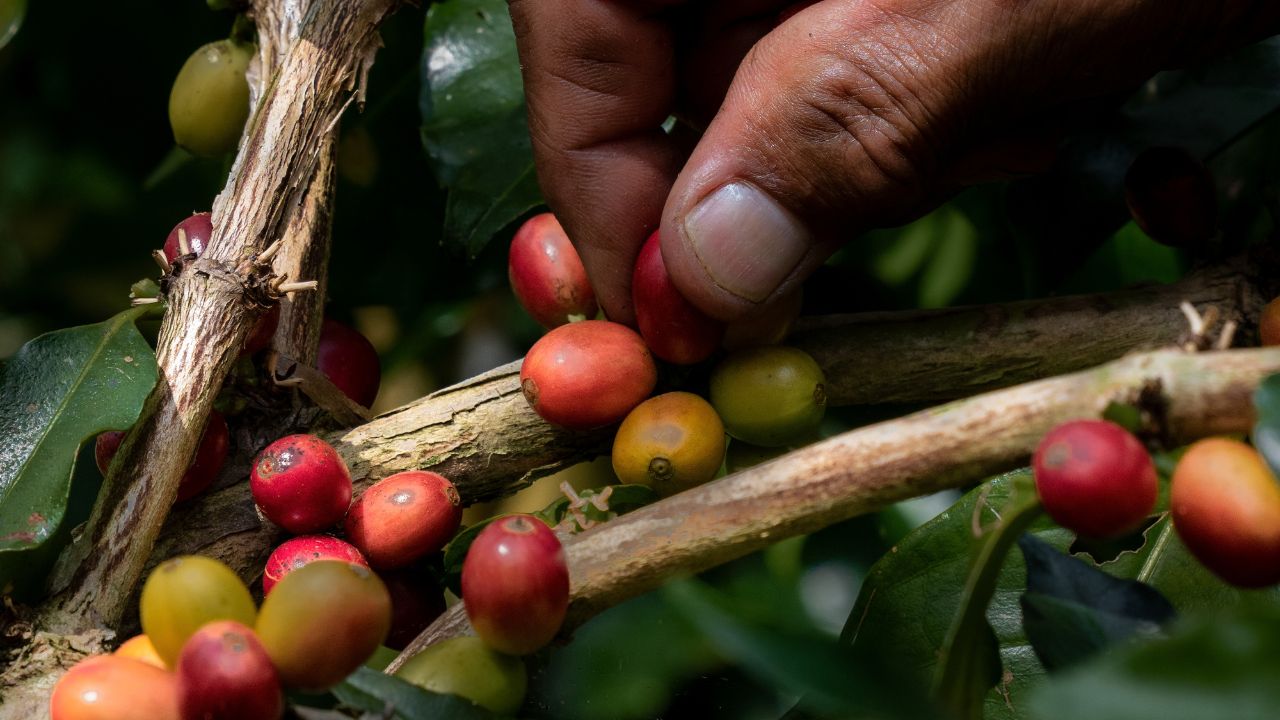
How Should Buyers Plan Around Indonesian Harvest Seasons?
Indonesia’s coffee harvest season runs from June to September. Buyers seeking fresh-crop lots should place orders and finalize specifications before or early in the harvest window, not after processing and warehousing.
A buying calendar is essential for wholesale planning. Strong supply relationships start with forward purchase agreements that set expectations for producers and processors before harvest begins. This allows better planning for sourcing, labor, and post-harvest handling.
Buyers who rely only on spot purchases after milling and bagging may have limited options and less control over production methods.
When purchasing at scale, carefully consider commitment volumes. Buying slightly below projected demand and supplementing with spot purchases can help avoid excess aging stock if demand changes. Indonesian green coffee stays fresh for a long time with proper storage, but its shelf life is not unlimited.
For a broader look at Indonesia’s coffee production and its role in global supply, read our article on coffee production in Indonesia.
Which Incoterms Should Green Coffee Wholesale Buyers Understand?
Incoterms specify the responsibilities of buyers and sellers, including costs, delivery obligations, and the point at which risk transfers.
FOB and CIF are the most commonly used terms for Indonesian green coffee shipments.
FOB
Under FOB (Free on Board), the seller delivers the goods on board the vessel at the agreed port of shipment. From that point, the buyer generally takes responsibility for main ocean freight and subsequent costs, according to the agreed contract and applicable Incoterms rules.
FOB gives experienced buyers more control over freight arrangements, especially when they work with freight forwarders or shipping providers.
CIF
Under CIF (Cost, Insurance and Freight), the seller arranges and pays for ocean freight and minimum insurance to the named destination port. However, risk transfers at the port of shipment when the goods are loaded on board the vessel.
CIF can simplify freight coordination for buyers who prefer the supplier to arrange the main carriage.
Neither option is automatically better. The appropriate arrangement depends on the buyer’s logistics capabilities, shipping relationships, destination, and purchasing structure. Buyers should also confirm the specific Incoterms version and named place or port in the sales contract.
What Are Incoterms?
Incoterms are internationally recognized trade terms published by the International Chamber of Commerce (ICC). They define key responsibilities between buyers and sellers, including delivery obligations, cost allocation, and when the risk of loss or damage transfers. For international green coffee shipments, the agreed Incoterm helps both parties understand their respective responsibilities.
What Documents Should Buyers Expect With a Wholesale Shipment?
Proper documentation is essential in international green coffee procurement. Each destination and shipment may have different rules, so buyers should check requirements with their importer, customs broker, and local authorities.
Common documents may include:
- Bill of Lading: Shipping document with key details about the cargo and transport.
- Commercial Invoice: Specifies the transaction value and commercial details.
- Packing List: Lists packaging, quantities, and shipment contents.
- Certificate of Origin: Confirms the declared origin of the goods and may support preferential tariff treatment where applicable.
- Phytosanitary Certificate: Confirms compliance with plant-health requirements for the destination market.
- Quality or Inspection Documentation: May include information on moisture, physical quality, or inspection results, depending on buyer requirements.
- Fumigation Certificate: Required when applicable, based on destination or shipment requirements.
For buyers supplying the European Union, additional requirements may apply under the EU Deforestation Regulation (EUDR), depending on the company’s supply chain role and the products involved.
What Is a Bill of Lading?
A bill of lading is a transport document issued by a carrier or its representative that records key shipment details and confirms receipt of the goods for carriage. Depending on its form and applicable rules, it can also serve as evidence of the contract of carriage and, in some cases, a document of title. For green coffee buyers, it helps document the shipment and its transportation arrangements.
Building a Reliable Green Coffee Bean Wholesale Relationship
At larger volumes, wholesale sourcing becomes a long-term supply relationship rather than a series of individual transactions.
Buyers can support a more reliable relationship by communicating specifications early, providing realistic volume forecasts, agreeing clearly on purchasing and payment terms, and addressing quality issues with reference to the agreed specifications.
Suppliers need to provide clear updates about availability, harvest conditions, quality differences, preparation schedules, and documentation.
The objective is to establish a supply process where both sides know the expected specifications, acceptable variation, and how quality will be controlled.
B2B buyers need a steady coffee supply with consistent quality, dependable volume, and a supplier who can manage processing systems to meet every shipment’s requirements.
Bali Origins supplies premium green and roasted coffee beans from Indonesia to global distributors, exporters, cafés, retailers, and hospitality partners. With innovative processing, strict quality control, and international quality standards, we support wholesale partners looking for consistent supply and long-term sourcing relationships.
Looking for a reliable wholesale coffee supply from Indonesia? Contact Bali Origins to discuss your requirements, available coffee, and supply needs.
Green Coffee Beans Wholesale FAQs
A. What is the minimum order for wholesale green coffee from Indonesia?
Minimum order quantities vary by supplier, coffee type, packaging and purchasing arrangement. Container-scale buyers may use Full Container Load (FCL) shipments, while smaller wholesale orders may be available through other arrangements. Buyers should confirm minimum volumes and commercial terms directly with their supplier.
B. How do I ensure consistent quality across multiple container shipments?
Start with a clearly defined product specification and work with a supplier that can demonstrate control over sourcing, processing, sorting, moisture management, and lot evaluation. Then compare pre-shipment samples and quality reports against the agreed specification for each shipment.
C. What Incoterms are standard for Indonesian green coffee wholesale?
FOB and CIF are commonly used for international coffee shipments. FOB generally gives the buyer more control over main freight arrangements, while CIF lets the seller arrange ocean freight and insurance to the named destination port. The appropriate option depends on the buyer's logistics setup and commercial agreement.
D. How far in advance should I place a wholesale order?
Buyers seeking specific origins or fresh-crop coffee should plan before or early in the relevant harvest period. In Indonesia, Arabica harvests generally occur from June through September, though timing varies by growing area and conditions.
E. How does Bali Origins support wholesale buyers?
We supply large-scale lots of premium green and roasted coffee beans from Indonesia with verified moisture and physical quality documentation. Contact us to discuss available lots, specifications, and shipment schedules.