
Coffee roasting is a carefully managed process that triggers many chemical reactions. Each one changes the aroma, flavor, acidity, and body of the final cup.
Understanding what happens inside the bean during roasting is the foundation of every quality decision made between origin and the final brew.
This article explains the science behind coffee roasting. Learn what happens to the beans at each stage, which chemical reactions shape the flavor, how roast level affects taste, and why careful process control leads to consistent quality.
For a coffee manufacturer like Bali Origins, roasting science shapes every sourcing and processing decision made to deliver consistent quality to roasters and wholesale buyers at scale.
What Coffee Roasting Does to the Bean
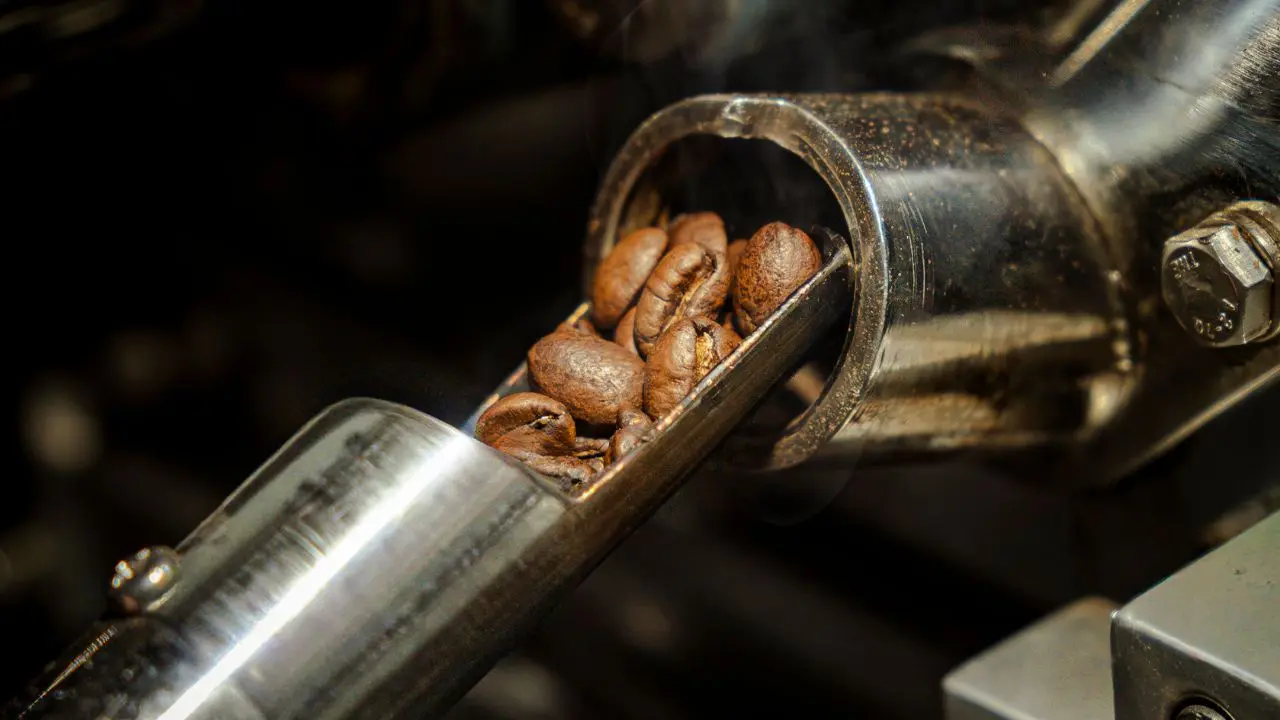
Before roasting, green coffee beans are dense and hard, with thick cell walls and little internal space. This makes it harder for heat to move evenly through them during roasting. Physical attributes naturally vary by coffee variety and growing conditions.
Raw coffee beans contain about 10-12% moisture along with sugars, fats, proteins, acids, and minerals. Arabica beans tend to have more sugar, fats, and organic acids, while Robusta beans have more caffeine, some different acids, and more free amino acids.
Green coffee has little of the characteristic aroma associated with roasted coffee and can have grassy, vegetal, and astringent sensory characteristics.
Roasting transforms the beans. Under carefully controlled heat, coffee beans undergo both physical and chemical changes. They expand, lose density, and become more porous. Air escapes, sugars and amino acids react to form new flavors, acids break down, and oils move through the bean. Carbon dioxide builds up and is released. By the end, the beans are aromatic, complex, and full of flavor.
These changes depend on the temperature, roasting time, and the method of heat application. Even small adjustments during roasting can have a big impact on the final cup.
What Does Porous Mean in Coffee Roasting?
Porous means the coffee bean develops more internal space and tiny openings during roasting. This change allows gases to escape and influences extraction during brewing.
The Six Stages of Coffee Roasting
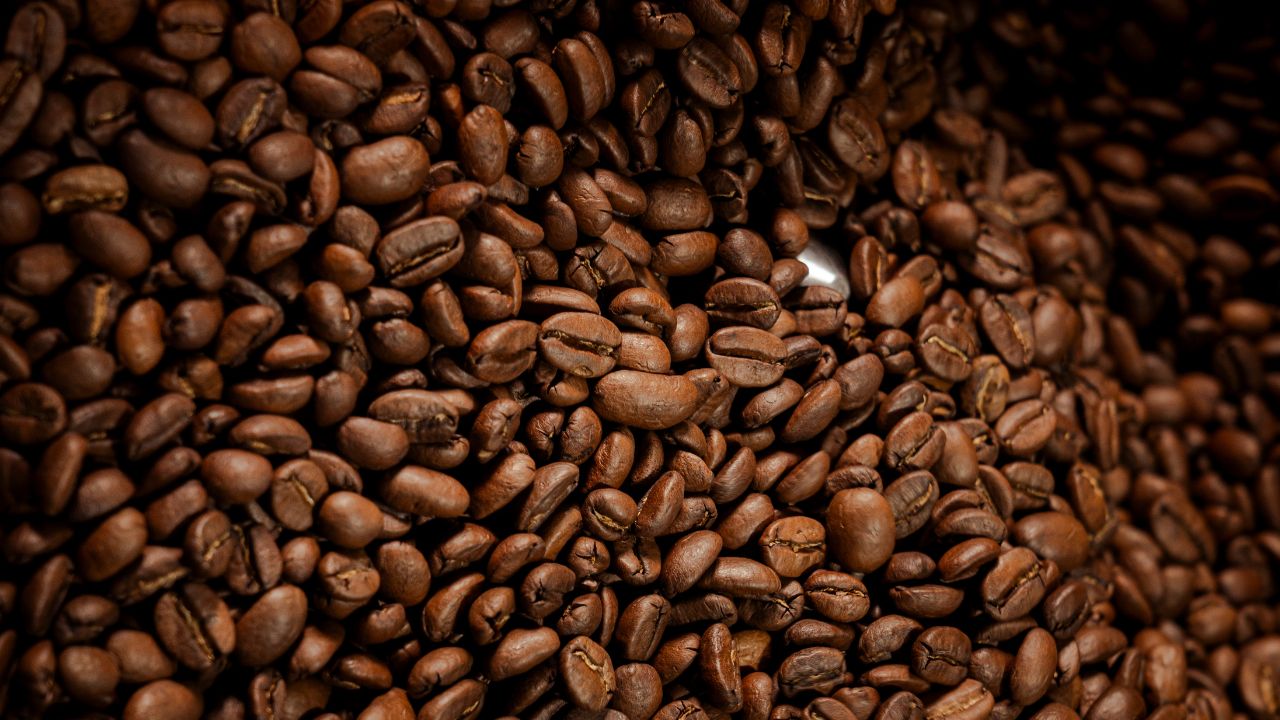
Roasting coffee is a step-by-step process. Each stage directly shapes the final flavor.
- Drying: In the first phase, beans are exposed to low heat to remove leftover moisture. The beans turn yellow and start to smell like toasted bread. It is important to control this step because drying too quickly can cause cracks inside the beans and lead to uneven roasting.
- Initial Browning Reactions: As heat increases to moderate roasting temperatures, browning begins. Maillard reactions and early caramelization create the first roasted aromas. How quickly the beans heat up at this point affects the balance of sweetness, acidity, and bitterness.
- First Crack: At higher roasting temperatures, the beans begin to release heat. The first crack sounds as gas pressure builds inside each bean. This is when full flavor and aroma start to develop.
- Development Phase: After the first crack, this stage is the most important. Maillard and caramelization reactions continue. The roaster decides when to end the roast, choosing a light, medium, or dark roast.
- Second Crack: When roasting continues beyond the optimal development window, the beans undergo a second crack. Oils come to the surface, and their aroma becomes stronger and more toasted. If beans stay at this stage too long, they can burn and lose quality. Many specialty roasters skip this phase to keep flavors clear.
- Cooling: Rapid cooling stops chemical reactions and locks in the flavors developed during roasting. After cooling, the beans need time to release carbon dioxide before grinding or brewing.
The quality of drying shapes how evenly the beans brown. Careful control during the development phase determines whether you get a light, medium, or dark roast. Roasting is cumulative. You cannot fix mistakes from earlier stages later on.
What Is the Maillard Reaction in Coffee?
The Maillard reaction is a chemical reaction between sugars and amino acids during roasting. It creates a brown color and many of the roasted, sweet, and nutty flavors found in coffee.

Chemical Reactions That Shape Coffee Flavor
Three main reactions shape the flavor of roasted coffee.
The Maillard Reaction starts at moderate roasting temperatures. This reaction is what gives coffee its brown color and much of its aroma. As sugars and amino acids react, they create melanoidins and a mix of compounds that bring out sweet, floral, nutty, and roasted notes in the coffee.
The Maillard Reaction produces different flavors depending on temperature and time. This is why small roasting adjustments can significantly change flavor development in the cup.
Sugar caramelization begins as temperatures climb higher into the roast. As sugars break down, coffee becomes less acidic and tastes sweeter. If caramelization continues too long, the coffee turns bitter.
Chlorogenic acids are found in large amounts in green coffee. During roasting, these acids break down, affecting the coffee’s body, astringency, and aftertaste. As they degrade, acidity drops at every roast level.
These chemical changes create over 800 aroma compounds, giving coffee its wide range of flavors.
What Are Aroma Compounds in Coffee?
Aroma compounds are volatile substances created during roasting that shape coffee’s smell and influence how flavor is perceived.
How Roast Level Shapes Flavor and Aroma
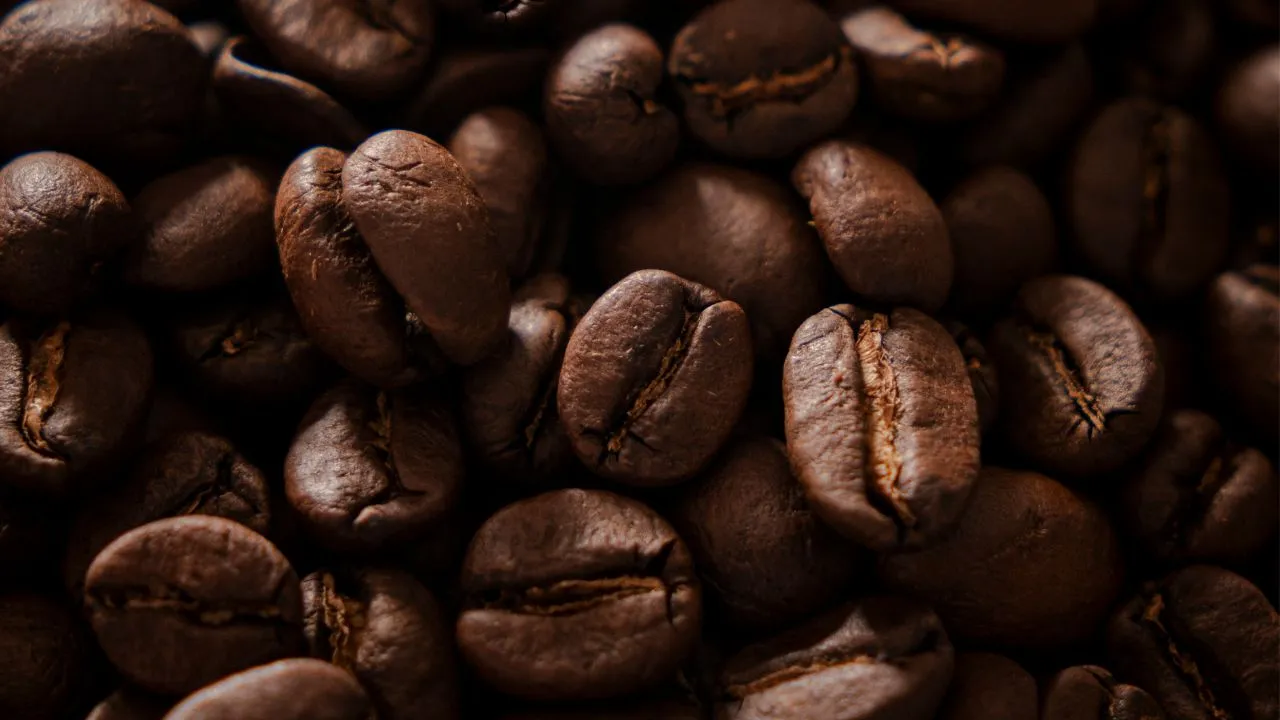
The roast level is set during the development phase. This step shapes how the coffee will taste and smell. Each roast level highlights different qualities in the coffee.
Light Roast
Light roasting uses less heat, which helps keep the coffee’s natural acids and delicate flavors. This brings out bright acidity and clear fruity or floral notes. Light roasts commonly taste sweet, fresh, and sometimes a bit like bread. These coffees are popular in specialty markets that value clarity and complexity.
Medium Roast
Medium roast is the balance point. At this stage, flavors from Maillard and caramelization reactions are more developed, adding chocolate, caramel, and nutty notes. Acidity becomes softer, while sweetness and body increase. Many specialty coffee drinkers prefer light and medium roasts for their balanced taste.
Dark Roast
Dark roasting uses higher heat for a longer time. Acidity drops, bitterness increases, and fresh flavors shift to toasted, smoky, and burnt-caramel notes. The beans become oily as their natural oils rise to the surface.
If roasted too dark, coffee can taste unbalanced and lose its natural character.
The table below summarizes the sensory progression across roast levels:
| Roast Level | Temperature Range | Acidity | Aroma Profile | Body |
| Light | Lower heat range | High | Fruity, floral, bright | Light |
| Medium | Moderate heat range | Balanced | Chocolate, caramel, nutty | Medium |
| Dark | Higher heat range | Low | Smoky, toasted, bitter | Heavy |
To help you choose the best roast for your taste and brewing preferences, read our article outlining the key differences between light, medium, and dark roast coffee.
Why Process Control Matters in Coffee Roasting
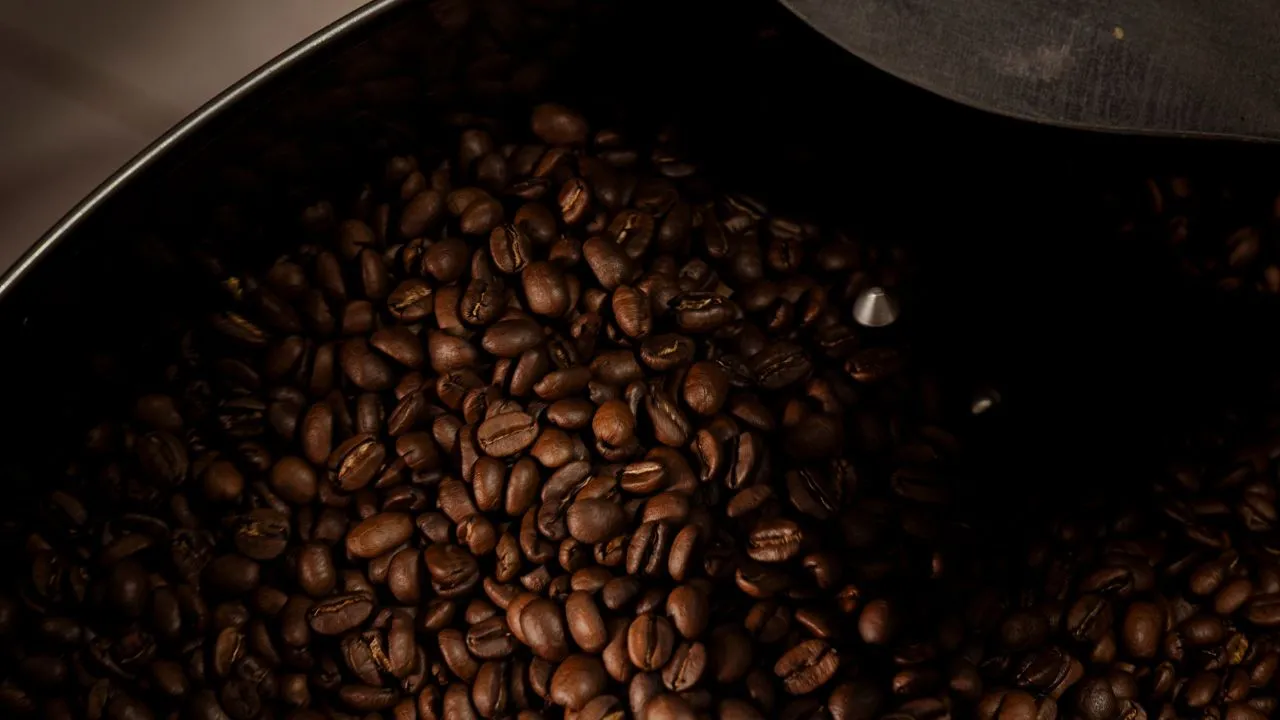
Understanding how roasting works matters, but consistently controlling it from batch to batch makes an operation truly professional.
Three main factors determine roast quality: temperature, time, and airflow.
- Temperature controls how quickly and how much the coffee changes during roasting. If the heat rises too quickly, the outside burns while the inside stays undercooked. If it rises too slowly, important flavors are lost, and the coffee tastes flat.
- Airflow moves heat through the beans and removes unwanted gases. Without enough airflow, roasting can become uneven, and off-flavors may appear.
- Time, along with temperature changes, shapes the balance of acidity, body, and bitterness in the finished cup.
Modern roasting operations use digital controllers, sensors, and software to closely track and control these variables. Tools like Agtron analyzers and colorimeters measure roast level and connect it to taste, making visual checks less subjective. Gas sensors monitor CO2 and CO levels and identify critical stages, such as the first crack, as they occur.
For wholesale buyers and distributors who purchase large amounts of roasted coffee, process control is important. Roasters with clear profiles, well-calibrated equipment, and batch records can maintain more consistent flavor across shipments. Without these systems, it is hard to achieve consistency.
Green Coffee Quality and Consistent Roasting Outcomes
The roasting process starts with the quality of the green coffee. Factors like bean density, moisture, and post-harvest handling all affect how the beans roast. Denser beans require more heat to achieve the right roast, and uneven moisture can make it tough to get consistent results.
That is why the steps before roasting matter as much as what happens in the roastery. When green coffee is handled carefully, dried to the right moisture, and monitored at every stage, roasters have a more stable foundation for consistent roasting.
For roasters and wholesale buyers looking to build lasting supply relationships, the science of roasting highlights a simple fact: great coffee starts long before the roasting begins.
Bali Origins supplies premium Indonesian coffee beans, produced through structured post-harvest handling and managed by a certified processing team with consistent quality control at every stage. Each lot is prepared to help specialty and wholesale buyers achieve consistent roasting results in international markets.
If you are looking for reliable green coffee with documented processing standards, contact us to talk about sourcing and long-term supply options.
Roast Coffee FAQs
A. What Does It Mean to Roast Coffee?
Roast coffee refers to the process of heating green coffee beans to trigger physical and chemical changes that develop aroma, flavor, acidity, and body. Roasting transforms dense, grassy green beans into aromatic coffee ready for brewing.
B. What Happens to Coffee Beans During Roasting?
During roasting, coffee beans lose moisture, expand, become more porous, and develop aromatic compounds. Sugars caramelize, acids break down, and gases such as carbon dioxide form and escape, shaping the final flavor profile.
C. How Does Roast Level Affect Coffee Flavor?
Roast level shapes the balance between acidity, sweetness, body, and bitterness. Light roasts emphasize floral and fruity notes, medium roasts highlight chocolate and caramel sweetness, and dark roasts produce a heavier body with smoky and toasted flavors.
D. Which Roast Levels Typically Preserve More Origin Character?
Light and medium roast coffee generally provides the greatest flavor clarity because they preserve more of the coffee’s natural acidity and origin characteristics. Specialty coffee programs often favor these roast levels to showcase complexity and terroir.
E. How Are Roasting and Brewing Coffee Connected?
Roasting and brewing coffee are directly connected because the roast level affects the extraction behavior during brewing. Light roasts often require more precise brewing to highlight acidity and complexity, while darker roasts extract more easily and emphasize body and roast character.
F. How Does Coffee Roasting and Temperature Influence Flavor?
Coffee roasting and temperature are closely linked because heat determines how sugars caramelize, acids break down, and aromas form. Controlled temperature development creates balanced flavor, while excessive or unstable heat can flatten complexity or introduce bitterness.
G. How Does Coffee Roasting Affect Caffeine Content?
Caffeine is relatively stable during normal coffee roasting, so roast level alone does not create a major difference in caffeine content. Differences between brewed light and dark roast coffee can also depend on the coffee variety, dose, and whether the beans are measured by weight or volume.
H. How Does Bali Origins Support Consistent Roast Coffee Performance?
Bali Origins prepares premium Indonesian coffee through structured post-harvest handling and certified quality control systems. By stabilizing green coffee before roasting, Bali Origins helps specialty and wholesale buyers achieve more reliable roast coffee performance and consistent flavor across batches.