
Fresh roasted coffee is widely seen as a sign of high quality. Many believe that the fresher the coffee, the better the taste. But is that true?
The fact is more complicated than most marketing claims. Coffee is not a food product where maximum freshness always means better quality. Roasting causes chemical changes in the beans that affect the final taste in your cup.
This guide explains what fresh roasted coffee means, how it changes over time, and why freshness is more complex than it may seem at first.
For Bali Origins, understanding what fresh roasted coffee really means shapes how we think about the beans and how we handle them from the moment they leave the plantation until they reach the roastery.
What Does “Fresh Roasted Coffee” Actually Mean?
“Fresh roasted coffee” is widely understood as coffee that was roasted very recently. It is generally assumed that a shorter interval between roasting and brewing results in better flavor.
Coffee, however, does not reach its best flavor right after roasting. As it rests, gases escape, and the flavors continue to develop.
Freshly roasted coffee usually means beans used within a few days to a few weeks after roasting.
The exact window depends on several things:
- The packaging material and its barrier properties
- Storage temperature and humidity conditions
- The specific variety, roast level, and processing method of the coffee
Roast dates are now a common indicator of quality, since coffee slowly loses its aroma as it ages. Freshly roasted coffee often smells better than older beans. Still, the roast date does not tell the whole story about how the coffee will taste.
What Is Barrier Packaging for Coffee?
Barrier packaging is packaging with specialized materials designed to limit the movement of oxygen, moisture, and aromas. It helps preserve coffee quality for a longer period by slowing flavor degradation after roasting.
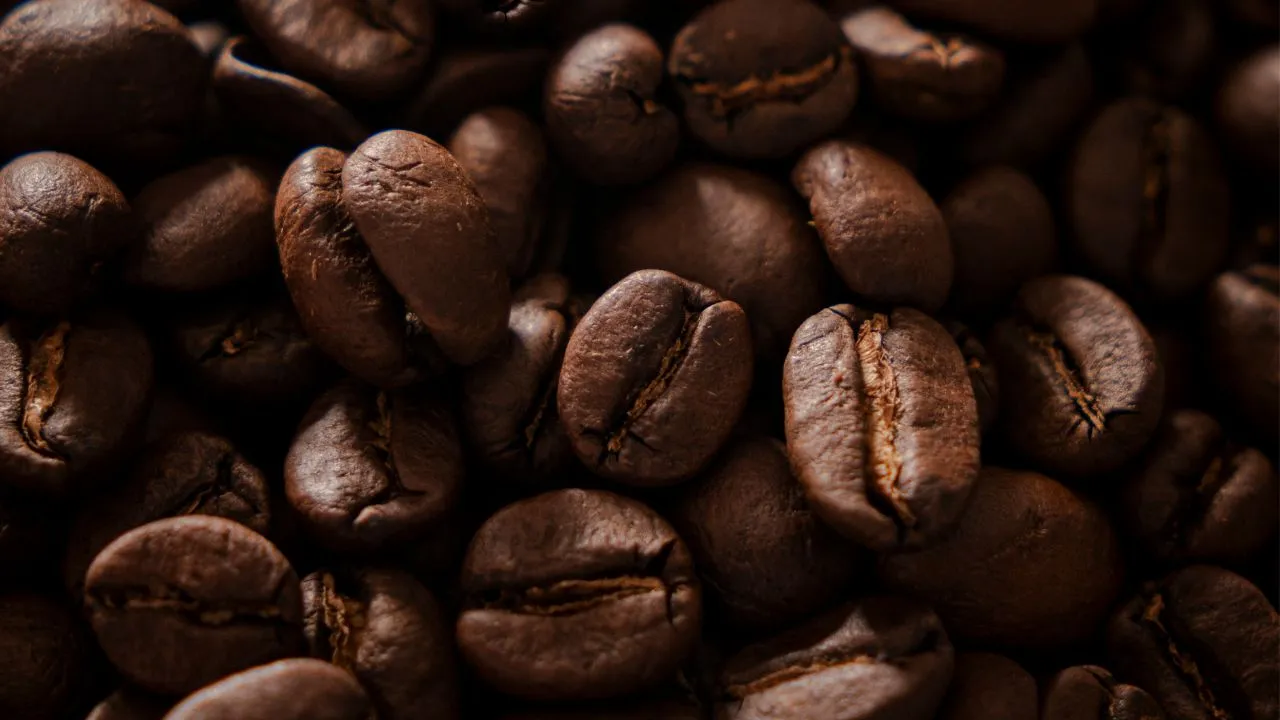
What Happens After Coffee Is Roasted
Freshness in coffee is more complex than it seems. To see why, it helps to look at what roasting does to a coffee bean.
Green coffee beans do not have the flavors we expect from coffee. They are dense, grassy, and stable. Roasting changes this. Heat triggers chemical reactions that produce hundreds of new compounds from the raw bean. These compounds give coffee its aroma and flavor.
However, many of these new compounds are unstable. As soon as roasting ends, two things start to reduce the flavor. First, evaporation. The most delicate aromas begin to escape through the packaging or into the air right away.
Second, chemical reactions start. Compounds in coffee react with oxygen and other compounds. This slowly changes the balance of aromas in the coffee.
Research suggests that this is not just a drop in quality. Instead, the aroma profile becomes unbalanced over time. Some compounds fade while others grow stronger. This changes the flavor in ways you can measure in a lab and taste in the cup.
The compounds most affected by this process can be grouped into a few main types:
- Some aromatic compounds are highly reactive and start to change just a few days after storage begins
- Compounds that change when oxygen interacts with the coffee’s natural fats
- Highly volatile aromas that escape quickly through packaging without an effective barrier
This explains why freshness is not just a single moment after roasting. It follows a curve. There is a start, a peak, and then a slow decline, all shaped by how the coffee is handled after roasting.
Learn more about how roasting shapes the flavor profiles by reading our article on the relationship between coffee and roasting.
What Are Volatile Aromas?
Volatile aromas are highly delicate aroma compounds that easily evaporate into the air. These compounds are often responsible for the freshest and most distinctive coffee aromas.
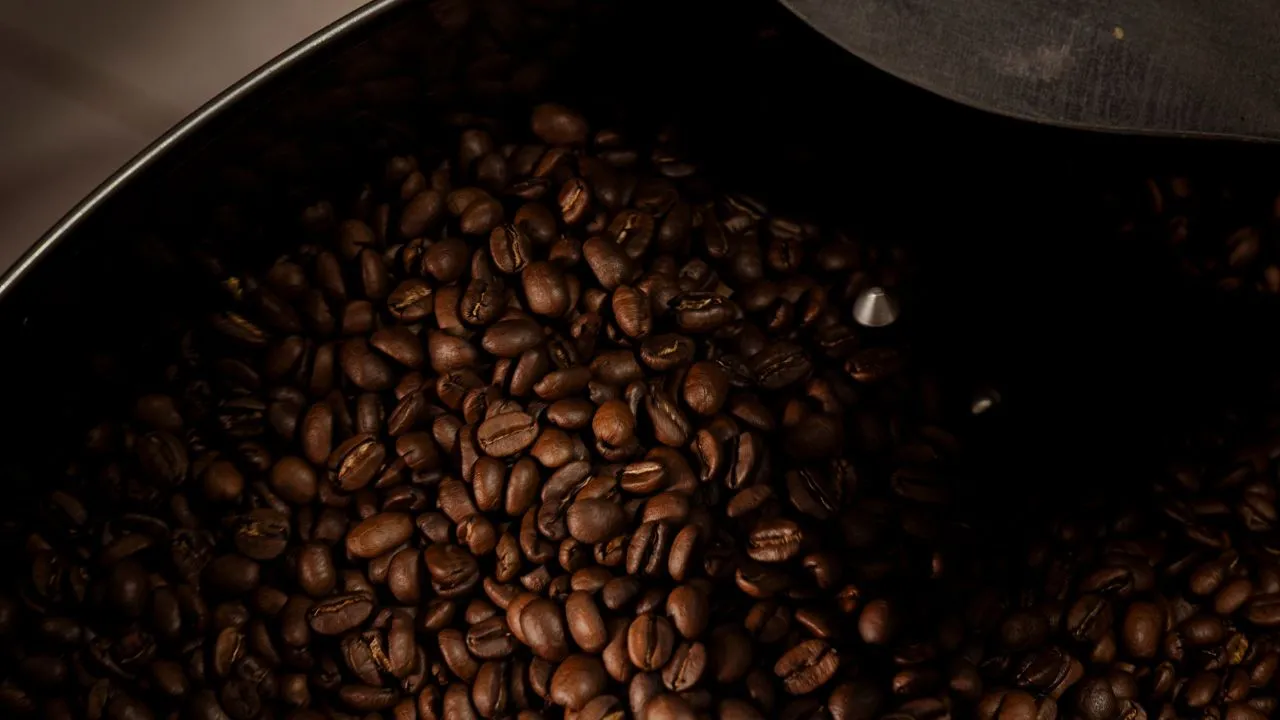
Does Fresher Roast Always Mean Better?
In coffee, freshness does not always guarantee better quality. Rested coffee and freshly roasted coffee are not the same product in the cup, and most experienced tasters can tell the difference.
This difference is mainly due to CO2 degassing. After roasting, coffee releases large amounts of carbon dioxide that can affect extraction and reduce flavor clarity. Brewing coffee too soon after roasting often results in flat, harsh, or sour flavors because it has not stabilized.
As CO2 slowly releases over the following days, flavors become more balanced and the coffee’s natural character clearer. This maturation phase is important for quality.
The Specialty Coffee Association (SCA) cupping protocol calls for a minimum 8-hour rest, with the coffee cupped within 24 hours of roasting before sensory testing, but many roast profiles benefit from a longer rest period to reach peak quality.
What Is Sensory Testing in Coffee?
Sensory testing is the structured evaluation of coffee using taste, aroma, body, acidity, and other sensory attributes. It is commonly used to assess quality and consistency.
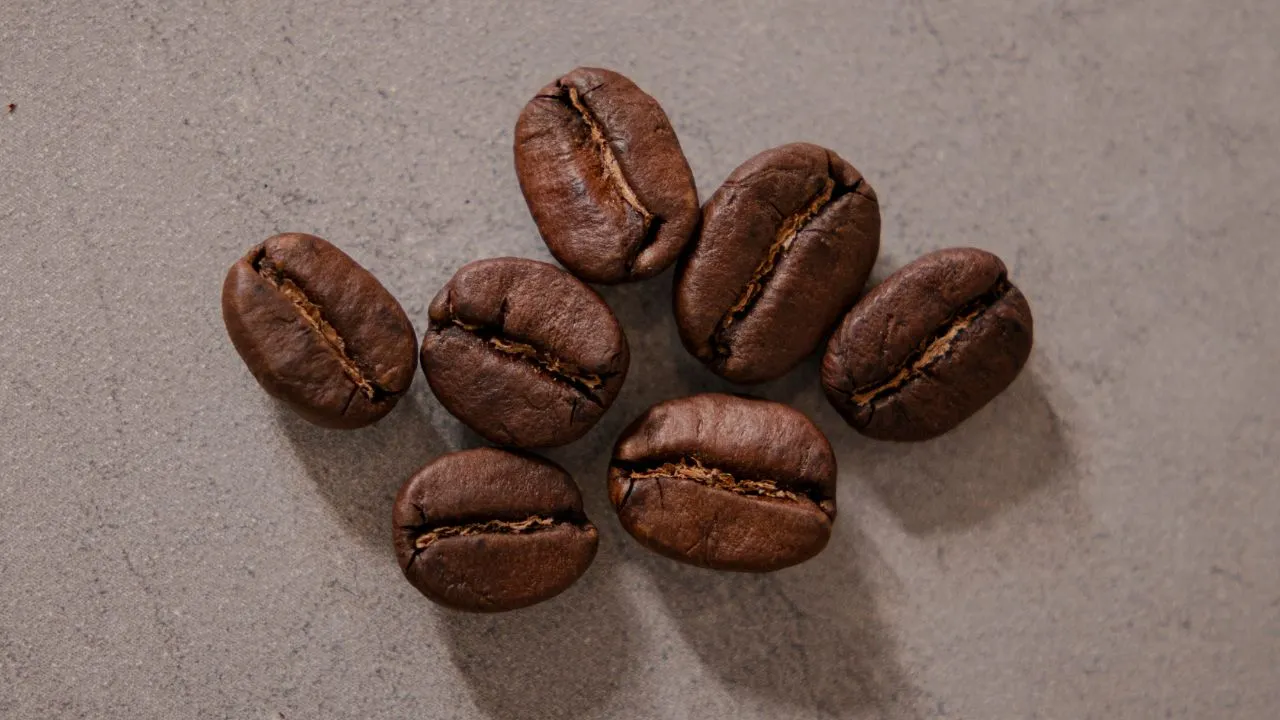
When Does Coffee Reach Peak Freshness?
Freshness is more than just the time right after roasting. It covers several stages. Understanding these stages helps roasters and buyers choose the best time to taste, sell, or brew coffee.
In the first 24 hours after roasting, coffee releases the most CO2. Brewing coffee this early often results in a flat or dull cup, even with high-quality beans. Most specialty roasters avoid tasting or serving coffee this soon.
Between 2 and 8 days after roasting, CO2 levels drop, and the coffee’s aroma and flavor develop. This is when the coffee begins to show its real character. Filter roasts are usually ready to drink during this time, but espresso often needs a little more time.
Coffee often tastes its best between 8 and 21 days after roasting. In this window, cupping scores are highest, and the coffee matches the roaster’s goals. Importers and distributors should use this time for quality checks.
After this peak period, sealed aluminum bags help coffee keep its quality for months. Once the bag is opened, though, quality drops quickly. Air speeds up flavor loss, and the coffee can lose its best qualities in just a few days.
What Is Cupping in Coffee Evaluation?
Cupping is a standardized coffee tasting method used by professionals to evaluate aroma, flavor, acidity, body, and overall quality.
A Simple Guide to the Post-Roast Window
| Stage | What’s Happening | What It Means |
| 0–24 hours | High CO2 release | Too soon to evaluate or brew well |
| 2–8 days | CO2 settling, aromas stabilizing | Flavor becomes more defined |
| 8–21 days | Peak window for most profiles | Best time for cupping and evaluation |
| Up to 12 months (sealed, aluminum packaging) | Slow, gradual change | Good commercial shelf life |
| After opening | Volatile loss accelerates | Use within days, reseal tightly |
Why Coffee Quality Depends on More Than Roast Date
Freshness is important, but it is only one factor in what makes coffee taste good. Focusing solely on roast date overlooks the many steps that define the final cup.
What matters most is how coffee is handled after roasting. Good packaging, careful storage, and proper resting time protect quality.
At Bali Origins, this perspective guides everything we do. The care we put into cherry selection, along with carefully managed washing, drying, and quality control, protects the complex compounds that make Indonesian specialty coffee worth sourcing.
Bali Origins supplies traceable, premium Indonesian coffee to roasters and distributors who understand that quality begins long before the bag is sealed. Contact our team to discuss supply partnerships and current availability.
Fresh Roasted Coffee FAQs
A. What Is Fresh Roasted Coffee?
Fresh roasted coffee refers to coffee that has been roasted recently and is still within its optimal flavor development period. However, freshly roasted coffee does not necessarily perform best immediately after roasting. The coffee needs time to release excess carbon dioxide and stabilize before reaching its peak flavor.
B. Is Fresh Roasted Coffee Better Than Older Coffee?
Not always. While very old coffee may lose aroma and flavor complexity, coffee that is too fresh can also perform poorly. Most coffees require a resting period after roasting before they reach their ideal balance and flavor clarity.
C. How Long After Roasting Should You Wait Before Brewing Coffee?
Most specialty roasters recommend resting coffee for 2 to 5 days for filter brewing and 5 to 10 days for espresso. Many coffees reach their peak flavor between 8 and 21 days after roasting, when carbon dioxide release has stabilized, and flavors become more balanced.
D. When Does Fresh Roasted Coffee Reach Peak Flavor?
For many roast profiles, peak flavor occurs between 8 and 21 days after roasting. During this period, aroma compounds are well developed, and carbon dioxide levels have settled sufficiently to support balanced extraction and flavor clarity.
E. Why Does Fresh Roasted Coffee Need to Rest?
After roasting, coffee releases significant amounts of carbon dioxide. Brewing too early can interfere with extraction and create flat, harsh, or sour flavors. Resting allows the coffee to stabilize and express its intended flavor profile more clearly.
F. Why Can Fresh Roasted Coffee Taste Sour?
Fresh roasted coffee can taste sour when brewed before enough carbon dioxide has escaped. Excess gas can disrupt extraction and prevent the coffee from developing balanced sweetness and clarity of flavor.
G. How Long Does Fresh Roasted Coffee Stay Fresh?
When stored in sealed, high-barrier packaging, coffee can maintain acceptable quality for up to 12 months. However, peak freshness typically occurs during the first few weeks after roasting. Once a bag is opened, aroma loss accelerates and quality gradually declines.
H. Does Packaging Affect Fresh Roasted Coffee Quality?
Yes. Packaging plays a major role in preserving aroma and slowing oxidation. High-barrier materials, particularly aluminum-layer packaging, help maintain coffee quality more effectively than standard packaging materials.
I. How Does Bali Origins Support Fresh Roasted Coffee Quality?
Bali Origins focuses on quality long before roasting begins. Through careful farm selection, controlled post-harvest handling, managed drying, and rigorous quality control, Bali Origins helps preserve the characteristics that allow coffee to perform consistently throughout its optimal post-roast window.
J. Does the Same Freshness Window Apply to Every Coffee?
No. Different coffee varieties, roast levels, and processing methods can reach peak flavor at different times. Specialty roasters often adjust recommended resting periods based on the specific characteristics of each coffee lot.