
Coffee bean moisture content is one of the most fundamental variables in green coffee quality, but it often gets less attention than origin, variety, or processing method.
Moisture starts shaping quality before other factors show up in the cup. It affects how beans age in storage, how they roast, and what buyers or roasters find when they open a bag. If the moisture is too high or too low, the quality drops quickly.
For buyers and roasters, moisture content is a clear sign of how well single-origin coffee was handled from harvest to shipment.
At Bali Origins, we focus on moisture content as part of our quality control for our single-origin Bali coffee beans. From drying beds at origin to final preparation, every step aims to maintain consistency through controlled drying, quality control, and moisture verification. This helps preserve the clean acidity, fruit-forward aroma, and dense structure that come from Bali’s highland terroir.
What Is Coffee Bean Moisture Content?
Moisture content is the amount of water in a coffee bean, shown as a percentage of its total weight.
This measurement applies to green, unroasted coffee. During roasting, most of the moisture leaves the beans as heat drives the moisture out. Moisture level in green coffee matters because it affects how well the beans retain quality before roasting.
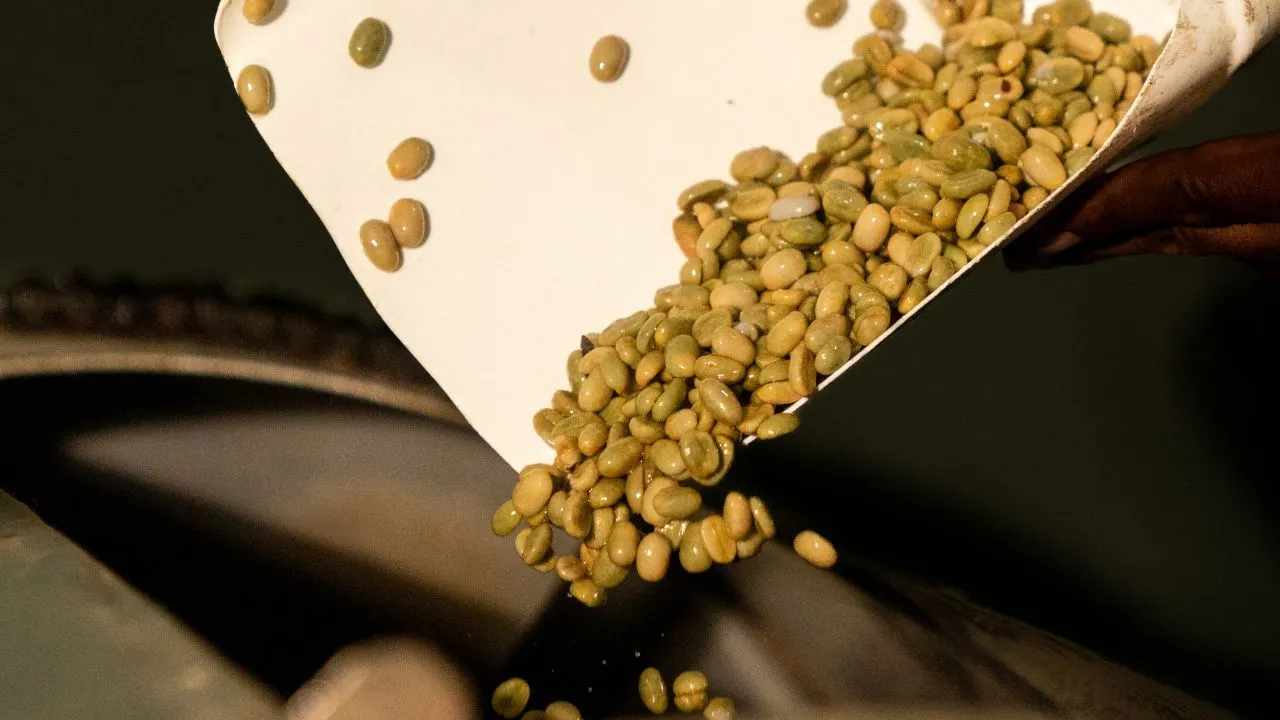
The Specialty Coffee Association (SCA) and the International Coffee Organization (ICO) set the standard moisture range for green coffee at 9% to 13%.
Why the Right Moisture Range Matters
There is a reason this range is not simply “as dry as possible.” Both extremes cause problems, and the two risks are quite different.
When Moisture is Too High
Green coffee with excessive moisture becomes active during storage. Bacteria, mold, and yeast can grow easily. If the seed is dead after processing, enzymes start to break down the bean, changing its chemistry and damaging the acids and compounds that give coffee its flavor.
This leads to musty or off flavors in the cup, less brightness, and a shorter shelf life. In bad cases, you may see mold and have to reject the whole crop.
When Moisture is Too Low
Overdried coffee has its own problems. When beans lose too much water, they shrink and lose their shape. The cell walls break down, so beans look shriveled and uneven. Experienced buyers see this right away as a sign of lower quality.
In roasting, overdried beans move too quickly through the early stages, making it hard to control development. The cup often ends up with a thin body, weak aroma, and less sweetness.
What Are Coffee Cell Walls?
Cell walls are the structural components that help coffee beans maintain their shape and internal integrity. Damage to these structures can affect roasting and cup quality.
The Target Window and What It Protects
| Moisture Level | Status | Risk |
| Above 13% | Too high | Mold, microbial growth, flavor degradation |
| 9% – 13% | Acceptable range | Stable, roasts predictably |
| Below 9% | Too low | Bean distortion, uneven roasting, loss of sweetness |
How Moisture Content Affects Roasting
Moisture is not just about how long coffee keeps. It also changes what happens during roasting.
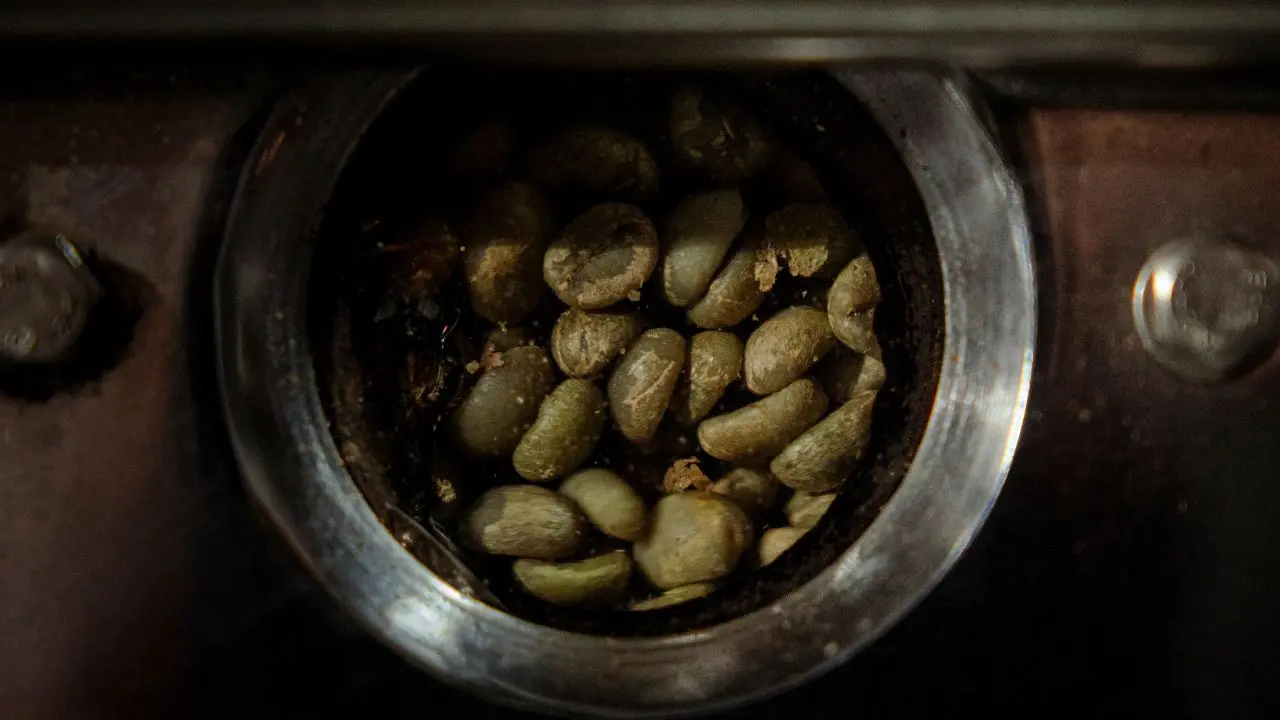
Before coffee can start to brown and develop flavor, the water inside the bean has to leave. Beans with more moisture need extra heat at the start to drive off that water. Roasters working with high-moisture coffee often extend the initial drying stage to ensure the beans are ready for the next steps.
On the other hand, beans with lower moisture move through the early roasting stages more quickly. They can reach the color-change stage before they have time to develop sweetness and body. If the roast is not adjusted, the coffee may look finished on the outside but taste underdeveloped.
When all the beans in a lot have the same moisture, they roast the same way every time. For commercial buyers, this is what makes a reliable roast profile possible. If moisture levels change from batch to batch, roasters have to adjust their settings each time.
To understand what happens to a bean once moisture leaves and heat takes over, explore our guide on the science of coffee roasting.
What Is the Drying Stage in Coffee Roasting?
The drying stage is the first phase of roasting, in which heat removes the remaining moisture from the coffee bean before browning and flavor development begin.
Moisture Content vs Water Activity
People often mix up these two measurements, but they actually mean different things.
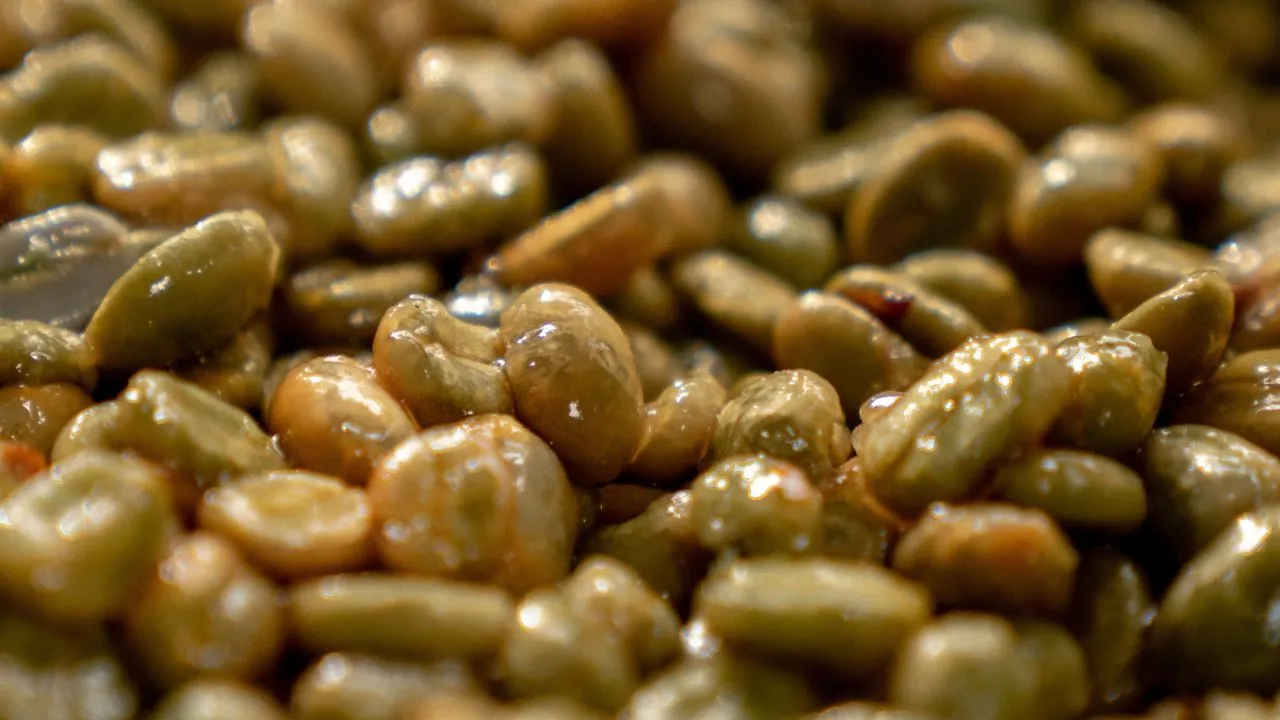
Moisture content indicates how much water is inside the coffee beans. Water activity shows how much of that water is available for microbes to grow.
Water activity is measured on a scale from 0 to 1. Green coffee stays shelf-stable when its water activity sits within a moderate range. If it exceeds a certain point, mold and microbes can grow, even if the moisture content seems normal.
Two coffees might have the same moisture reading but very different water activity. This depends on how tightly the water is held in the bean. For example, coffee dried quickly with high heat can have the same moisture percentage as coffee dried slowly and evenly, but they will behave differently in storage.
This difference is important for roasters and buyers who store or ship coffee over long distances. Moisture content helps guide roasting, while water activity indicates how well the coffee can be stored before use.
What Does Shelf-Stable Mean?
Shelf-stable means a product can be stored safely for extended periods without significant quality loss or microbial growth under normal conditions.
How Moisture Content Is Measured
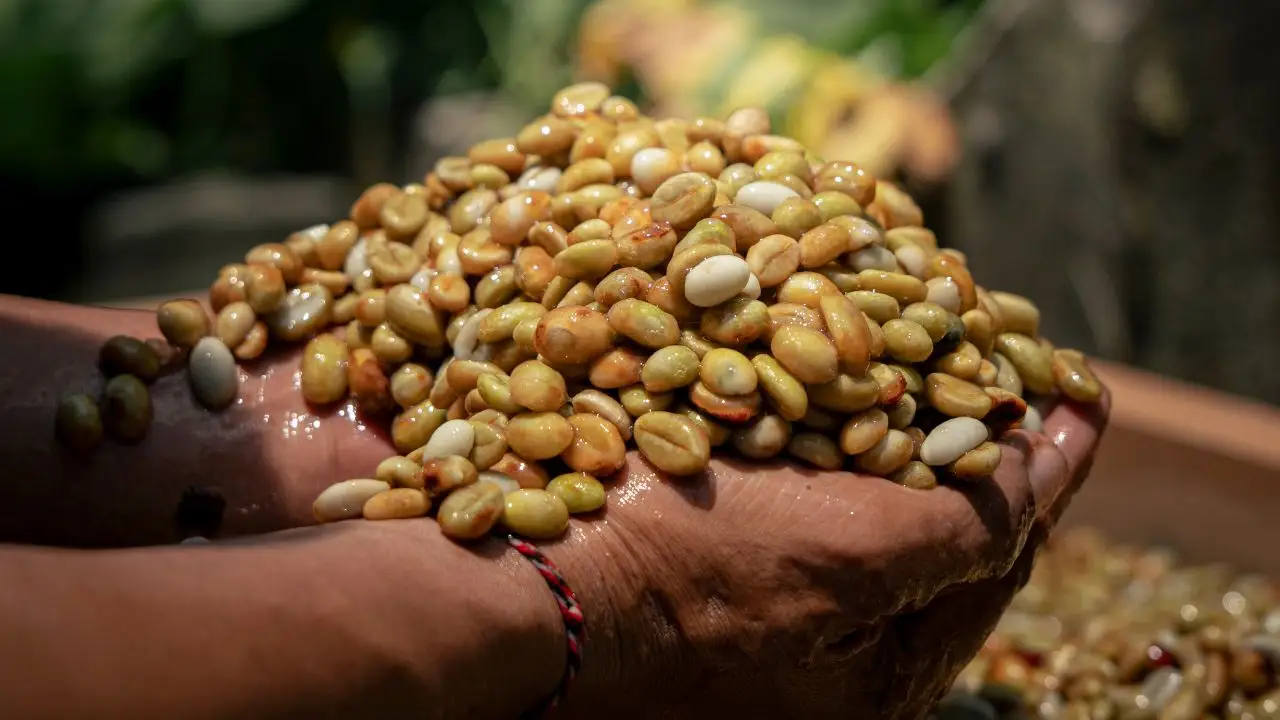
Measuring moisture in coffee means finding out how much water is inside the beans or ground coffee.
There are a few main ways to check coffee moisture. Some methods are very accurate, while others are made for quick checks during harvest or processing.
Oven drying (gravimetric method)
This is the standard method used around the world to measure moisture. A weighed sample is placed in a controlled-heat oven until all moisture has evaporated, then weighed again.
The difference in weight shows how much water the coffee contained. This method takes longer but is very accurate. It is used to check and calibrate other meters, and is the best option if you are unsure about another meter’s results.
Capacitance moisture meters
The most common tools for measuring moisture in the field. These electronic meters estimate moisture by seeing how coffee responds to an electrical charge. They use temperature, bulk density, and capacitance to give a reading.
For the best results, take careful samples, properly calibrate the meter, and use a calibration curve designed for coffee. Compared with oven drying, a good meter provides reliable results for quality control at origin and upon shipment arrival.
Near-Infrared (NIR) spectroscopy
A newer method that works well for large-scale operations. NIR uses near-infrared light to scan ground coffee and measures how much light is absorbed at certain wavelengths. Because water absorbs light at specific points, this method can estimate moisture without harming the sample.
With the right calibration model, it can predict moisture in ground coffee almost as accurately as oven drying. NIR is fast, non-destructive, and requires minimal sample preparation, making it a good choice for busy quality control labs.
The Role of Drying Conditions in Moisture Control
Moisture content is more than just a target number. It reflects choices made throughout the whole post-harvest process.
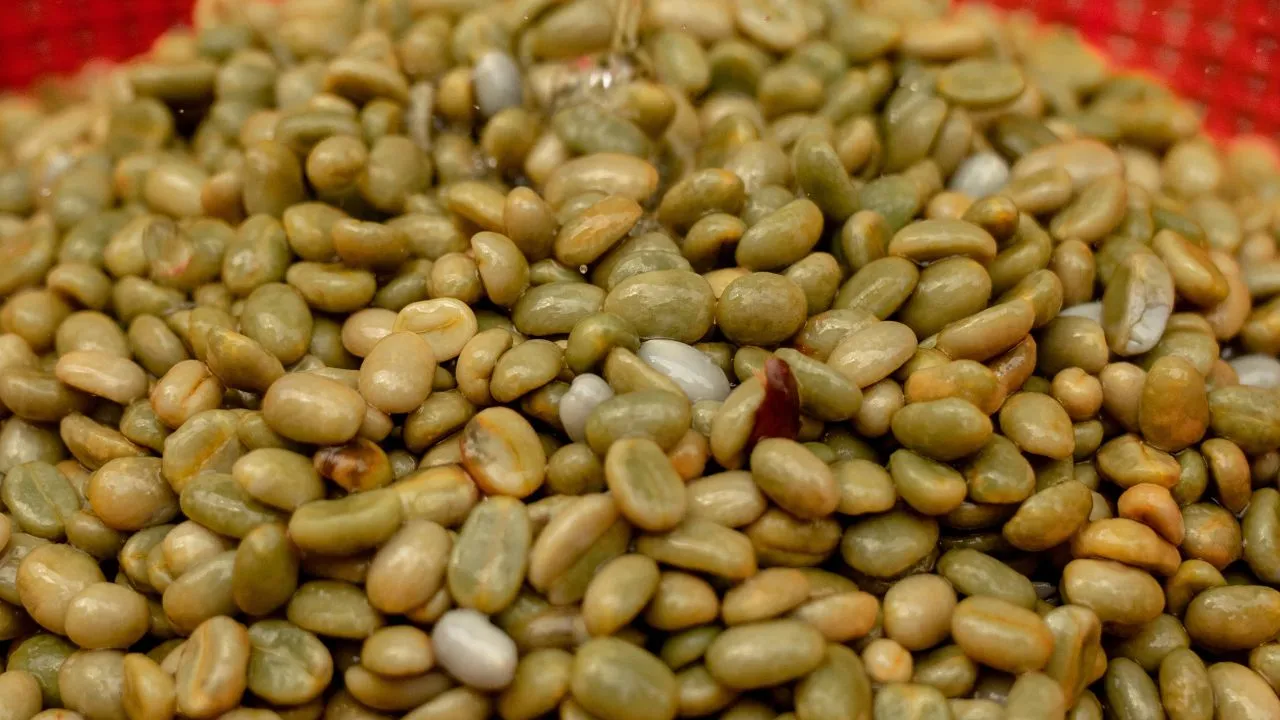
Once the fruit is separated from the seed, the green bean still holds a lot of water. Drying aims to reduce this moisture to the right level in a steady way.
If beans dry too fast, especially with high heat, the outside can harden while the inside stays wet. Beans may look dry, but trapped moisture can cause issues later, leading to uneven roasting or unexpected results.
Drying too slowly, especially in humid conditions, brings the same risks as having too much moisture. It also allows oxygen to break down the coffee’s natural aromas faster.
Drying beans carefully on clean, well-managed surfaces, turning them often, and closely monitoring humidity helps maintain stable moisture levels. The drying process and the care given can be tasted in the final cup.
How Buyers Evaluate Coffee Bean Moisture Content
For buyers and roasters assessing Bali or other Indonesian single-origin coffee, moisture content should appear on the lot’s certificate of analysis (COA) or quality report. Here’s what to look for:
- Green coffee should have moisture at 10% to 12% before it ships. This is the standard for export-ready lots.
- Specialty lots usually sit in the middle of that range. This range keeps the coffee stable during shipping and gives you better control when roasting.
- If the moisture is low, ask how the coffee was dried and check if the beans are still in good condition. Always request a sample before buying.
- If the moisture is too high, the coffee was not dried enough before storage or shipping. This is a clear warning sign at any point.
Ask if moisture was measured with a calibrated meter or by oven drying, and find out when in the supply chain the reading was taken.
Readings at the origin and destination can differ slightly due to humidity during transit. A small difference is normal, but a big one should be checked.
What Is a Certificate of Analysis (COA)?
A Certificate of Analysis is a document that records key quality measurements for a coffee lot, including moisture content and other technical specifications.
How Moisture Content Affects Coffee Storage
After coffee is dried to the right level, the next step is keeping it there during storage. Coffee easily takes in moisture from the air around it.
Storage environments should maintain relative humidity within a stable, moderate range. As temperature drops, relative humidity rises for the same absolute moisture content in the air, which is why storage conditions need to be calibrated to the facility’s coolest expected temperature.
Packaging is also important. Using sealed liners inside jute bags helps protect the beans by slowing moisture changes caused by the air. This method is widely used to keep coffee in good condition during storage, from the farm to roasting.
Managing moisture is part of every step at Bali Origins. From drying at the source to quality checks before shipping, each lot comes with moisture data. This helps buyers and roasters plan their roasting with confidence.
If you are interested in specialty green coffee from Bali and want reliable, traceable lots with the right moisture content, contact the Bali Origins team to learn what’s available and the terms.
Coffee Bean Moisture Content FAQs
A. What Is Coffee Bean Moisture Content?
Coffee bean moisture content is the percentage of water contained within green coffee beans. It is one of the most important quality indicators because it affects storage stability, roasting behavior, shelf life, and overall coffee quality. rn
B. What Is the Ideal Moisture Content for Green Coffee Beans?
The accepted range for specialty green coffee is 9%-13%. Most export-ready specialty lots target 10% to 12% moisture because this range supports stable storage and predictable roasting performance. rn
C. Can You Roast Coffee with High Moisture Content?
Yes, but it requires adjustments to the roast. Higher-moisture coffee needs more time and energy during the drying phase to remove excess water before flavor development begins. Without proper adjustments, roasting may become uneven or underdeveloped.
D. How Is Moisture Content Measured at Origin?
Most producers and mills use calibrated electronic moisture meters for routine quality control. Oven drying is used as the industry reference method to verify accuracy, while larger operations increasingly use NIR technology for faster testing.rn
E. Does Coffee Bean Moisture Content Affect Flavor?
Yes. Moisture content influences heat transfer during roasting, which affects sweetness, body, and flavor development. It also affects storage stability, as excessive moisture can accelerate flavor degradation and create off-notes in the cup.rn
F. How Does Coffee Bean Moisture Content Affect Roasting?
Moisture determines the energy required during the early stages of roasting. Higher-moisture beans require longer drying phases, while lower-moisture beans progress through roasting more quickly. Consistent moisture helps create repeatable roast profiles.rn
G. What Is the Ideal Water Activity for Green Coffee?
Green coffee is generally considered shelf-stable when water activity remains ideally between 0.45–0.55, with 0.70 as the upper safety ceiling. Above this range, the risk of mold growth and microbial activity increases significantly.rn
H. Why Do Roasters Care About Uniform Moisture Content?
Uniform moisture content allows beans to absorb heat consistently during roasting. When moisture varies significantly within a lot, some beans may roast faster than others, creating uneven flavor development and reduced batch consistency.rn
I. What Packaging Helps Protect Coffee Bean Moisture Content?
Sealed barrier packaging and protective liners help reduce moisture exchange with the environment. These packaging systems are widely used in specialty coffee supply chains to maintain stability during storage and transportation.rn
J. How Does Bali Origins Manage Coffee Bean Moisture Content?
Bali Origins monitors moisture content throughout the drying, storage, and pre-shipment preparation processes. Each lot undergoes quality checks and moisture verification to support stable roasting performance, reliable shelf life, and consistent quality for global B2B buyers.rn