
Coffee bean sorting is a critical step between harvest and roasting. A single defective bean can affect the taste of a whole cup, and some defects appear only after processing.
This guide reviews common defects in green coffee, how each sorting method works and what it detects, and why multi-stage sorting is standard in specialty production.
At Bali Origins, structured post-harvest handling and quality-control procedures help identify physical defects and reduce unwanted variation before coffee reaches B2B buyers. This approach ensures our lots consistently meet roasters’ expectations.
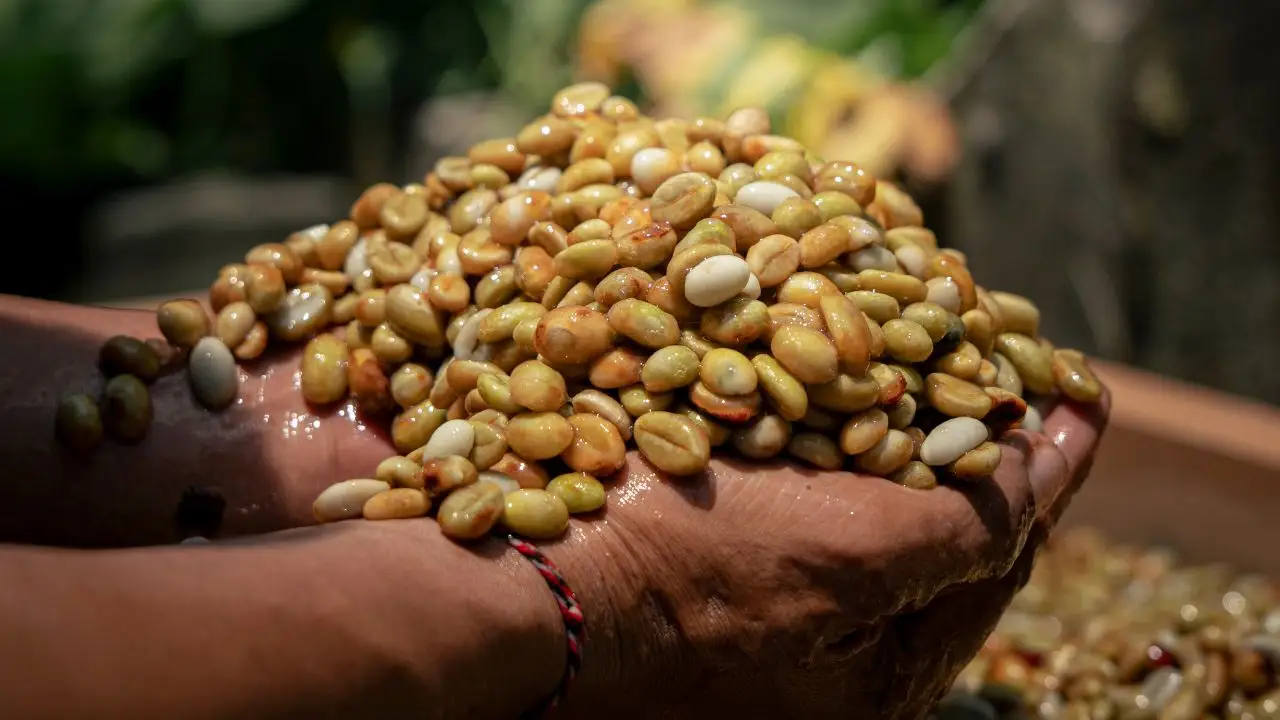
Why Defective Beans Matter for Coffee Quality
Defective beans lower cup quality, especially when they bring unwanted flavors. They react differently to heat, roast unevenly, and add tastes that do not fit the coffee’s natural profile.
Here are the most common defects and how they affect your coffee’s taste:
- Black beans (full or partial) come from overripe or decomposed cherries. They often bring harsh, bitter, or chemical flavors to the cup and are classified as a primary defect under the SCA green coffee grading system.
- Sour beans (full or partial) result from unwanted microbes during drying. They usually look yellow or brown and add sharp, sour, or vinegar-like flavors.
- Quakers are beans that do not ripen fully and therefore fail to darken properly during roasting. They come from unripe cherries and can make the coffee taste flat, papery, or dry, reducing the cup’s sweetness and depth.
- Insect-damaged beans have been eaten or marked by pests. This affects how they roast and often results in dull or unpleasant flavors.
- Broken and chipped beans roast faster than whole beans. They can burn or over-roast, which may spoil the batch’s taste.
- Shells and pods are leftover husks or unprocessed cherries. They can burn in the roaster and add unwanted chaff to your coffee.
Understanding why these defects affect flavor matters as much as knowing how to remove them. Each defect changes the bean’s chemistry. Once present, no roasting method can fully fix it.
What Is a Quaker in Coffee?
A quaker is an underdeveloped bean that fails to darken properly during roasting because its internal sugars were not fully developed at harvest. Quakers most commonly result from immaturity, insufficient tree nutrition, insect damage, or microbial attack. They produce flat, papery, or astringent notes in the cup.
Stage One: Flotation Sorting at the Cherry Level
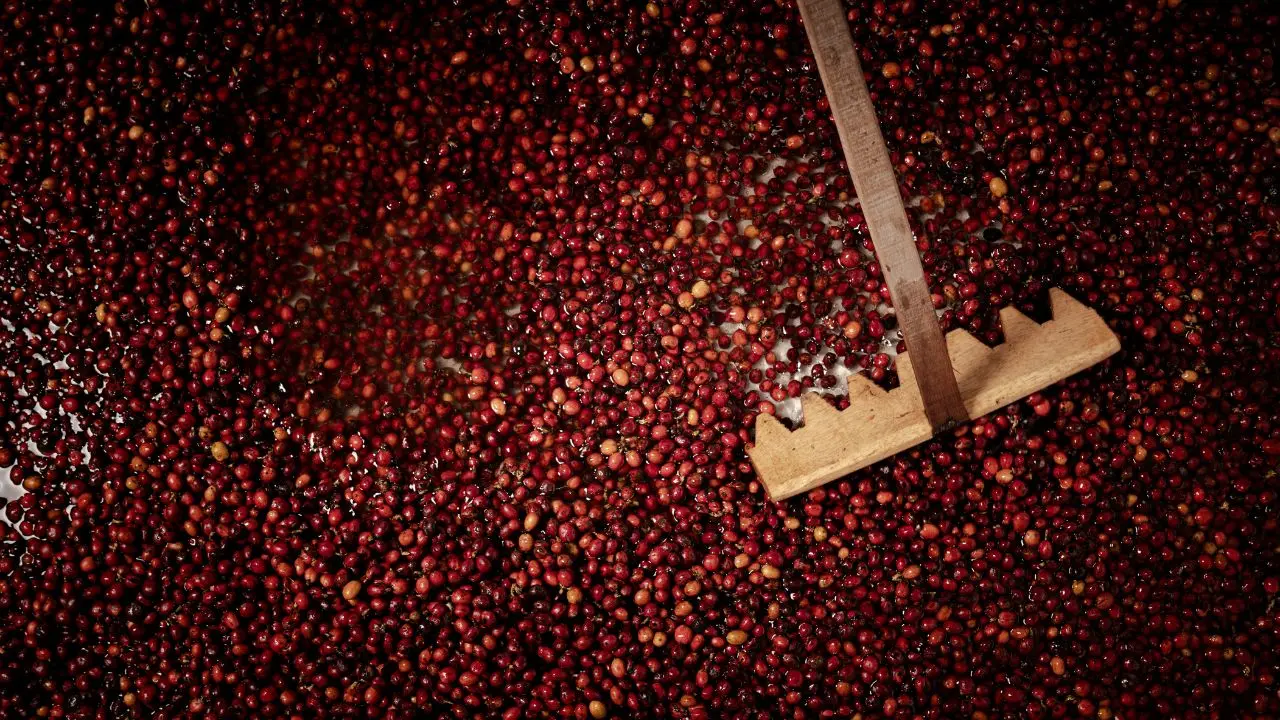
Sorting starts before pulping. In flotation sorting, freshly picked cherries are placed in water tanks. Healthy, dense cherries sink to the bottom. Overripe, hollow, or insect-damaged cherries float and are removed from the surface.
This step removes many potential defects before processing, including cherries likely to become sour or black beans during drying. Cherry density indicates the bean’s development and condition inside.
Flotation sorting does not catch every defect. Some cherries with hidden damage still sink if they have enough flesh. This is why flotation is only the first step in a series of checks.
Stage Two: Density Sorting After Drying
After drying and hulling, beans are sorted by weight using air separation or gravity tables.
In air separation, or winnowing, beans pass through a column of air. Lighter, underdeveloped, or damaged beans are carried further and collected separately, while heavier, healthy beans fall closer to the starting point.
On gravity tables, dried beans are placed on a tilted, vibrating surface. Heavier beans move to one side, while lighter, defective beans shift to the other. When properly adjusted, this method effectively separates beans by density.
Higher-density beans usually have a strong internal structure. Beans that do not meet the density standard often roast unevenly, taste flat, or hide internal damage not visible on the surface.
What Are Gravity Tables in Coffee Processing?
Gravity tables are sorting machines that separate coffee beans by density using a vibrating surface and controlled airflow. Heavier, denser beans move in a different direction from lighter beans, allowing producers to remove underdeveloped or damaged beans.
Stage Three: Screen Sorting by Size
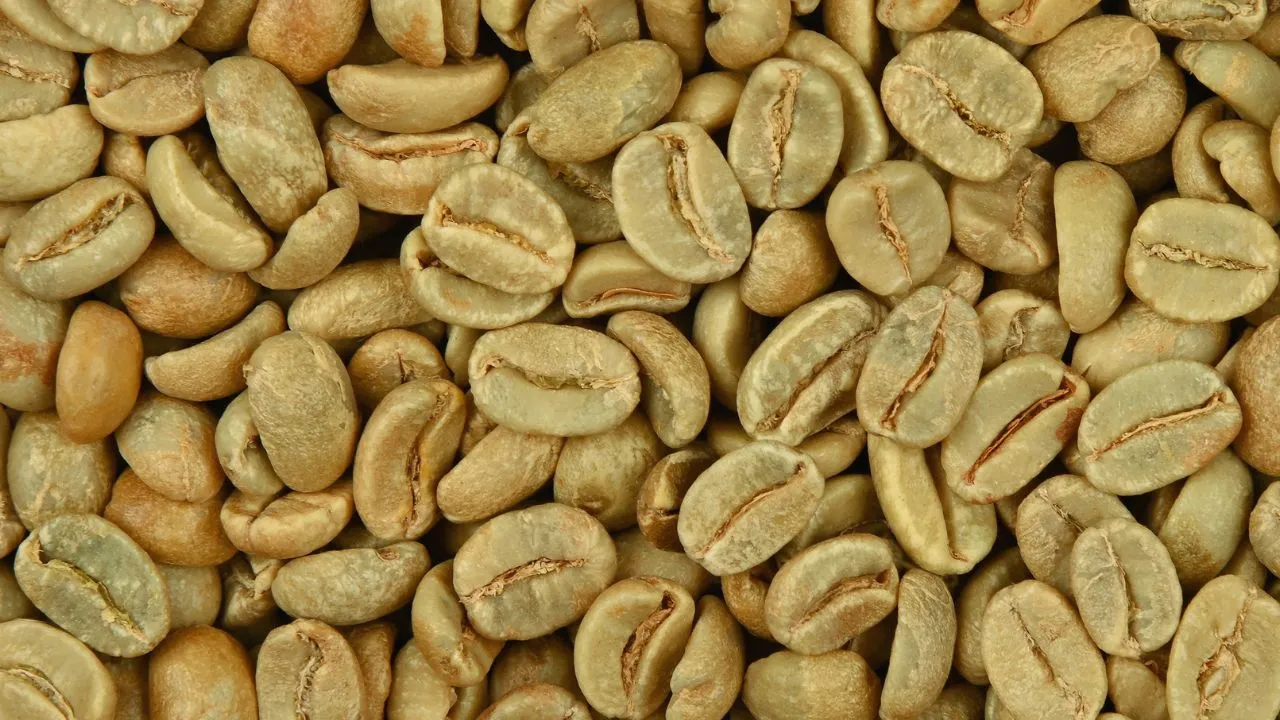
Screen sorting grades dried green coffee beans by passing them through mesh screens with smaller apertures to separate beans by diameter. Beans that fall through the smaller screens are removed as undersized.
Size uniformity is important during roasting. Smaller beans tend to heat and develop faster than larger ones under the same conditions, which can cause uneven roasting within a batch. This may result in a mix of correctly roasted, under-roasted, and over-roasted beans, even with a properly set roasting profile.
Screen sorting also serves a commercial grading function. Screen size is commonly included in green coffee specifications and helps buyers evaluate a lot’s expected uniformity before roasting.
To see how this connects to Indonesia’s national grading standards, read our article on how Indonesia grades its coffee and how it compares to international standards.
Stage Four: Color Sorting
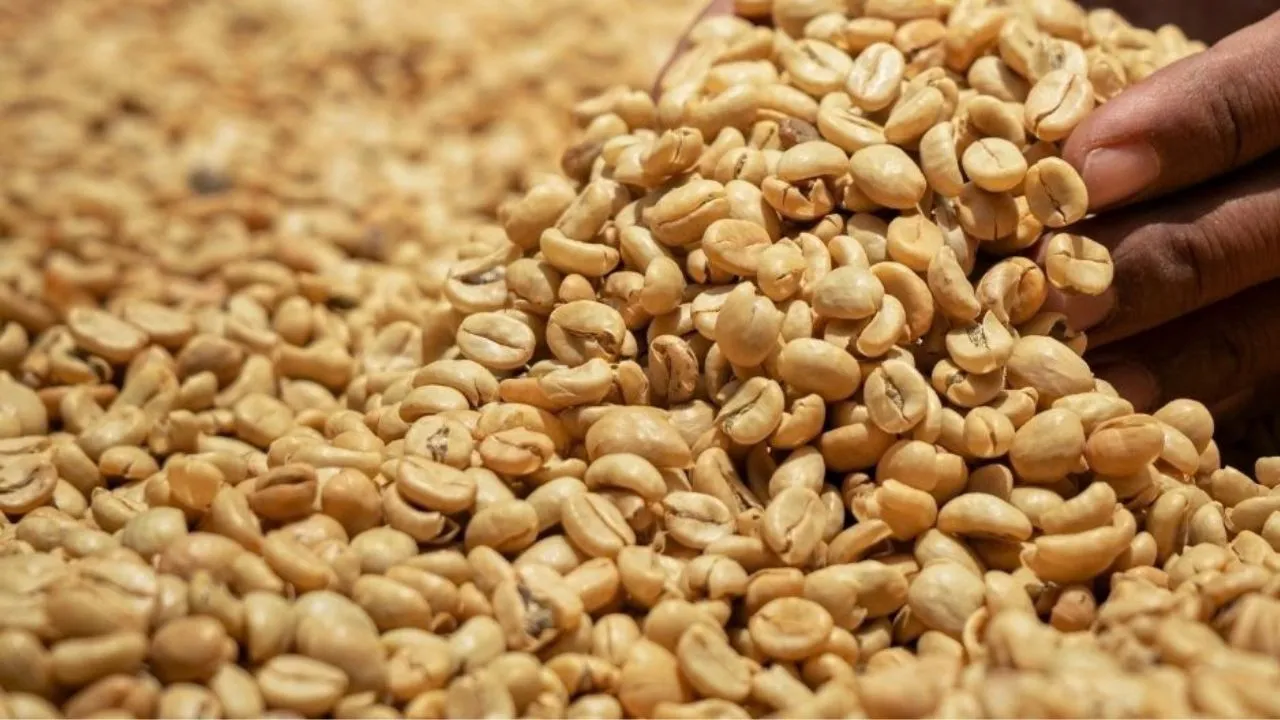
Color sorting is the final filter. It catches defects that density and size sorting cannot detect. In specialty production, hand sorting is often used along with optical machine sorting.
During hand sorting, trained workers spread dried green beans on a table or conveyor and remove irregular beans. This step finds partial blacks, partial sours, discolored beans, and shell pieces. Skilled sorters at well-lit tables can spot small color differences machines may miss.
High-quality specialty lots may go through this process two or three times depending on quality standards and defect count. Each round finds defects missed earlier. Hand sorting is especially effective at identifying partial and subtle visual defects that optical systems may not detect consistently.
Optical color sorters use sensors to spot color differences based on a set standard. When they find an unusual bean, a quick burst of air removes it from the line. Modern machines process large volumes accurately and keep consistent color standards.
The limitation of optical sorting is that it reads only surface color. A bean with internal damage and an intact exterior will pass undetected. That is why color sorting works best as the final step after density and size sorting, not as a replacement for those earlier stages.
From Sorting to Roasting Consistency
No single sorting step removes every defect. Each stage catches what the last missed, so the process builds on itself. Flotation sorting removes many defects early. Density sorting removes more underdeveloped and damaged beans. Screen sorting ensures the beans are uniform in size. Color sorting finds any remaining visual flaws.
Skipping one or more stages leaves more defects for later sorting steps to remove. A lot that skips density and size sorting will reach the color sorting table with a higher proportion of defects and a higher miss rate.
For roasters, how a lot is sorted matters as much as the final defect count. A lot that reaches SNI Grade 1 after careful multi-stage sorting is different from one that gets the same grade with only basic sorting. The grade shows the result. The process shows how the coffee will perform during roasting.
Every lot we supply at Bali Origins goes through a clear sorting process at origin. It starts with cherry flotation, then density separation, screen sorting, and finally hand-picking at the green bean stage. This way, roasters get green coffee that performs predictably from the first batch.
If you are facing issues with roast consistency or defects in your current supply, we are happy to talk about how our processing and sorting standards can help. Contact our team to request samples or start a sourcing conversation.
Coffee Bean Sorting FAQs
A. What Is Coffee Bean Sorting?
Coffee bean sorting is the process of removing defective, damaged, or underdeveloped beans from a green coffee lot using physical and visual methods. It is applied at multiple stages during post-harvest processing and preparation for B2B supply to protect cup quality and roasting consistency.
B. Why Do Defective Beans Affect Roast Quality?
Defective beans have compromised internal chemistry, meaning the sugars and amino acids needed for Maillard reactions and caramelization are depleted or absent. They do not roast at the same rate as sound beans and introduce off-flavors, flatness, or bitterness into the finished cup.
C. What Is Coffee Bean Color Sorting?
Coffee bean color sorting is a quality control process that uses optical sensors and cameras to identify and separate beans by color. The technology detects visual defects such as black beans, discolored beans, insect-damaged beans, and other imperfections that may affect the final coffee quality. By removing defective beans, color sorting improves lot uniformity and reduces unwanted flavors.
D. What Are the Key Benefits of Sorting Coffee Beans Before Roasting?
Sorting coffee beans before roasting helps remove defective beans, improve batch uniformity, and reduce the risk of inconsistent flavor development. It also allows roasters to work with more consistent raw materials, supporting predictable heat absorption, stable roast profiles, and better cup quality. In commercial coffee production, effective sorting can reduce quality variation between batches and improve final-product reliability.
E. What Is the Difference Between Hand Sorting and Optical Sorting?
Hand sorting relies on trained workers to visually identify and remove defective beans on a conveyor or sorting table. Optical sorting uses sensor arrays to detect color anomalies and eject defective beans with a burst of air. Hand sorting catches partial and subtle defects that optical machines can miss. Most specialty operations use both.
F. How Does Bali Origins Approach Sorting for the Lots It Supplies?
We apply multi-stage sorting across all lots, beginning with cherry flotation at harvest and continuing through density separation, screen sizing, and hand-picking at the green bean stage. We cup all lots before shipment to verify that the physical sorting process translated into clean cup quality. Contact us to learn more about our green coffee standards.