
Wet-hulled coffee stands out for its full body, mild acidity, and earthy or herbal flavors. In Indonesia, this method is called Giling Basah. Unlike the washed process, the parchment layer is removed before the bean is fully dry.
This article explains how wet-hulled coffee is processed, why it develops a distinctive cup profile, and what wholesale buyers and roasters should consider when sourcing these lots.
At Bali Origins, we source coffee from Bali and Lombok, where washed and natural processing are central to our product range. Understanding Giling Basah gives useful context for comparing Indonesia’s regional coffee profiles and their processing methods.
What Wet-Hulled Coffee Means
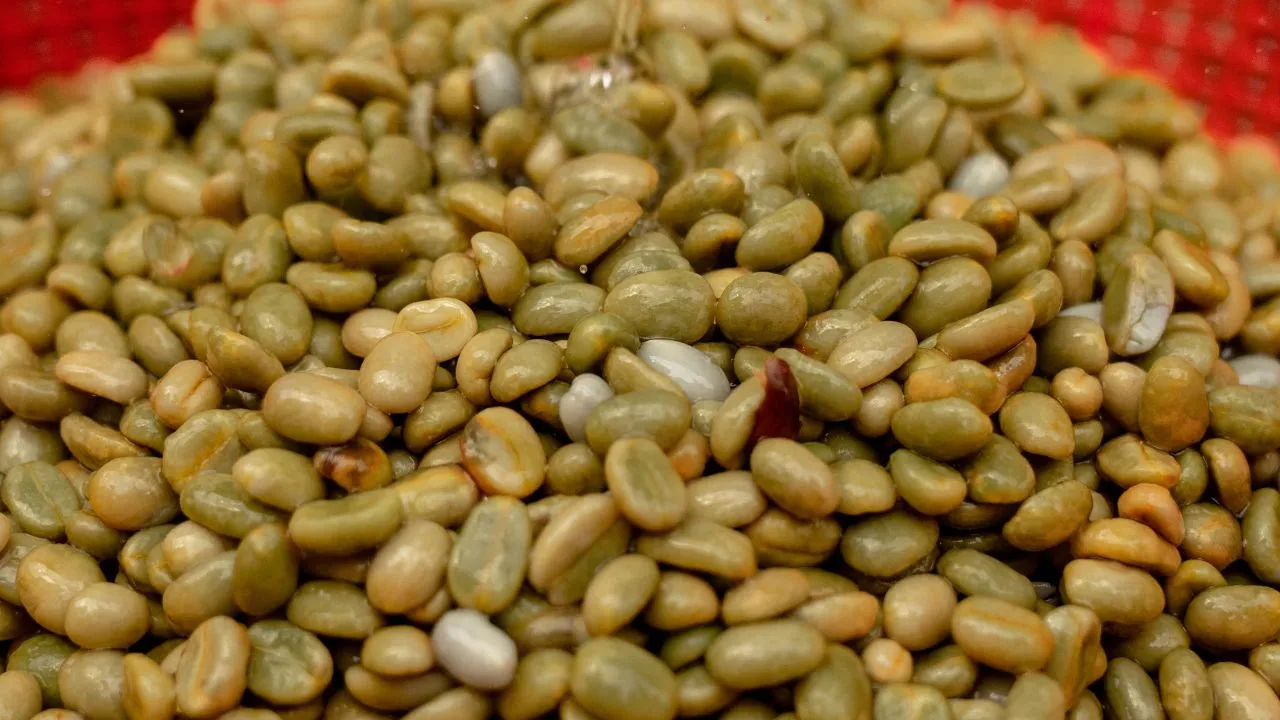
Giling Basah, or “wet hulling,” refers to removing the parchment layer from coffee beans while they still have a lot of moisture, instead of waiting for them to dry completely.
In the standard washed process, coffee beans dry inside their parchment before removal. In wet hulling, beans are only partially dried before the parchment is removed while they are still moist and soft. The green coffee is then dried again.
This process changes how beans are handled and dried. Without the parchment during final drying, beans are more exposed and at greater risk of damage or uneven moisture loss.
Wet hulling is not simply another name for washed coffee. While both methods share some initial steps, they differ in the timing of parchment removal and the final drying process.
What Is Coffee Parchment?
Coffee parchment is the thin, papery protective layer surrounding a coffee bean inside the dried fruit. It is also known as the endocarp. In conventional washed processing, beans are dried with this layer intact before removing it.
Why Giling Basah Developed in Indonesia
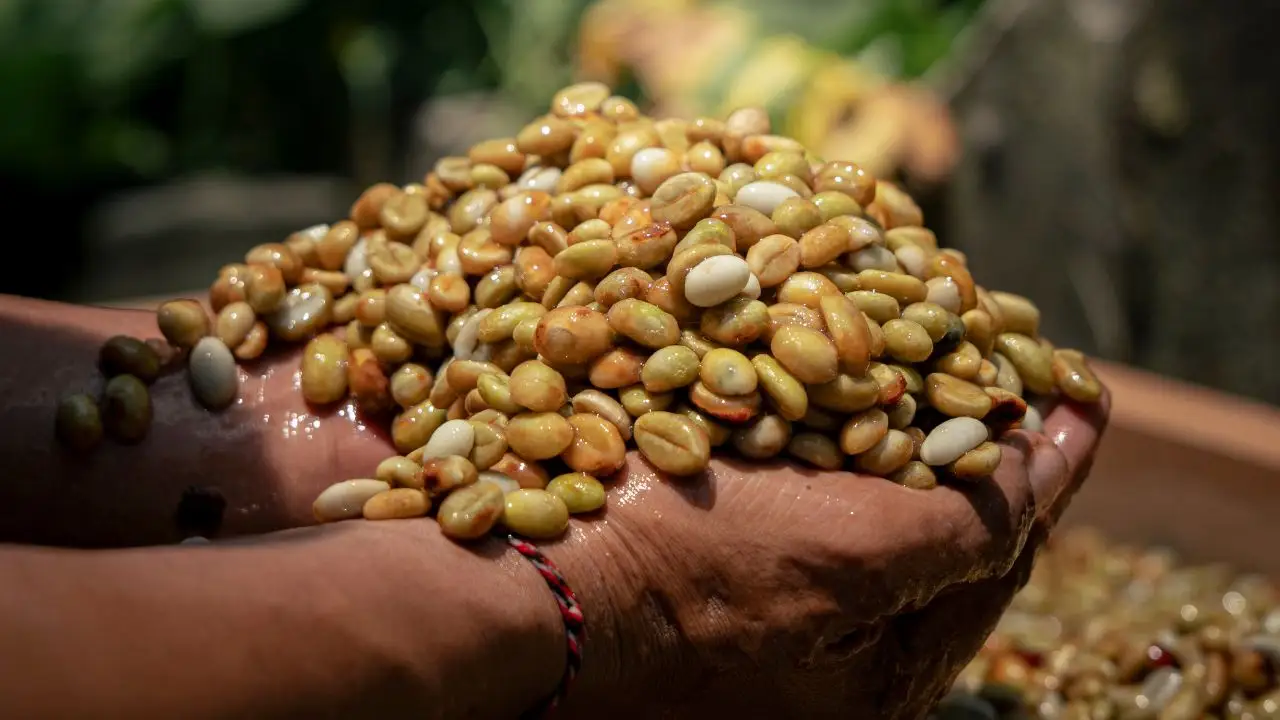
Giling Basah is common in Indonesia’s coffee regions where high humidity and frequent rain make drying difficult. This method helps producers control drying time and reduce weather risks, especially for smallholder farmers.
Climate and Drying Conditions
In regions like the Gayo Highlands and parts of Sulawesi, high humidity and frequent rain slow drying when coffee remains in parchment. As a result, drying fully washed coffee to export-ready moisture levels can take weeks, increasing the risk of weather delays and mold.
Wet hulling solves this problem by taking off the parchment while the beans are still moist. The exposed beans then dry faster through direct contact with air and heat, often cutting the final drying stage to a few days. Actual drying times depend on weather, equipment, and processing methods.
Smallholder Supply Chains
In some Indonesian regions, farmers sell partially dried coffee to local collectors. The collectors gather it and take it to processing mills. This system allows farmers to sell their crop before it is fully dried. Timing and payment terms vary by location and buyer, leading to different economic results in each supply chain.
How the Wet-Hulling Process Works
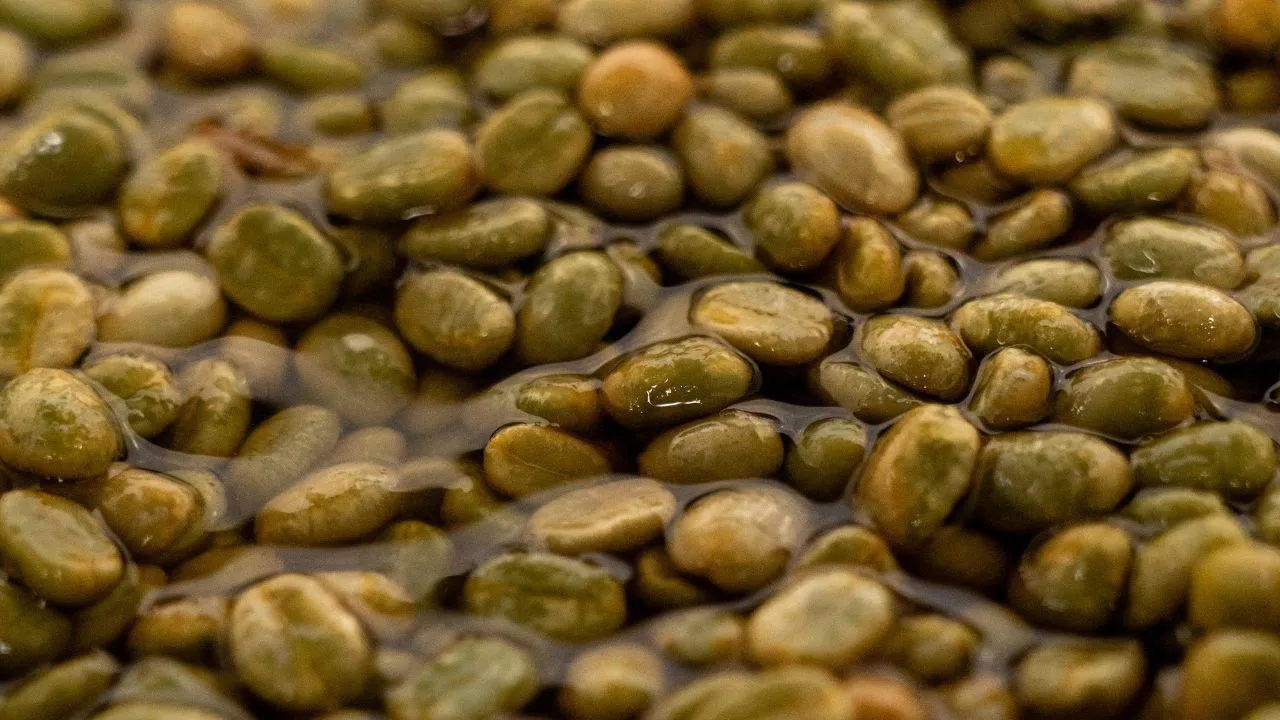
Wet-hulled coffee goes through several steps. Although the order and moisture goals vary by producer, the main difference is that the parchment is removed before the beans are fully dried.
1. Picking and depulping
Coffee cherries are harvested and depulped to remove the outer skin and pulp, leaving the beans in their parchment and covered in mucilage.
2. Mucilage removal and washing
Producers remove mucilage from the depulped beans using their preferred method. This stage is similar to washed processing, but drying methods differ.
3. Partial drying
The beans are partially dried in parchment until they reach 30–40% moisture, depending on the producer’s approach. This step typically takes 1-2 days, depending on the weather.
4. Wet hulling at the mill
Partially dried beans are processed through a wet-hulling machine that removes the parchment while the beans are still moist and soft. Careful handling and machine settings at this point help prevent breakage and damage.
5. Final drying
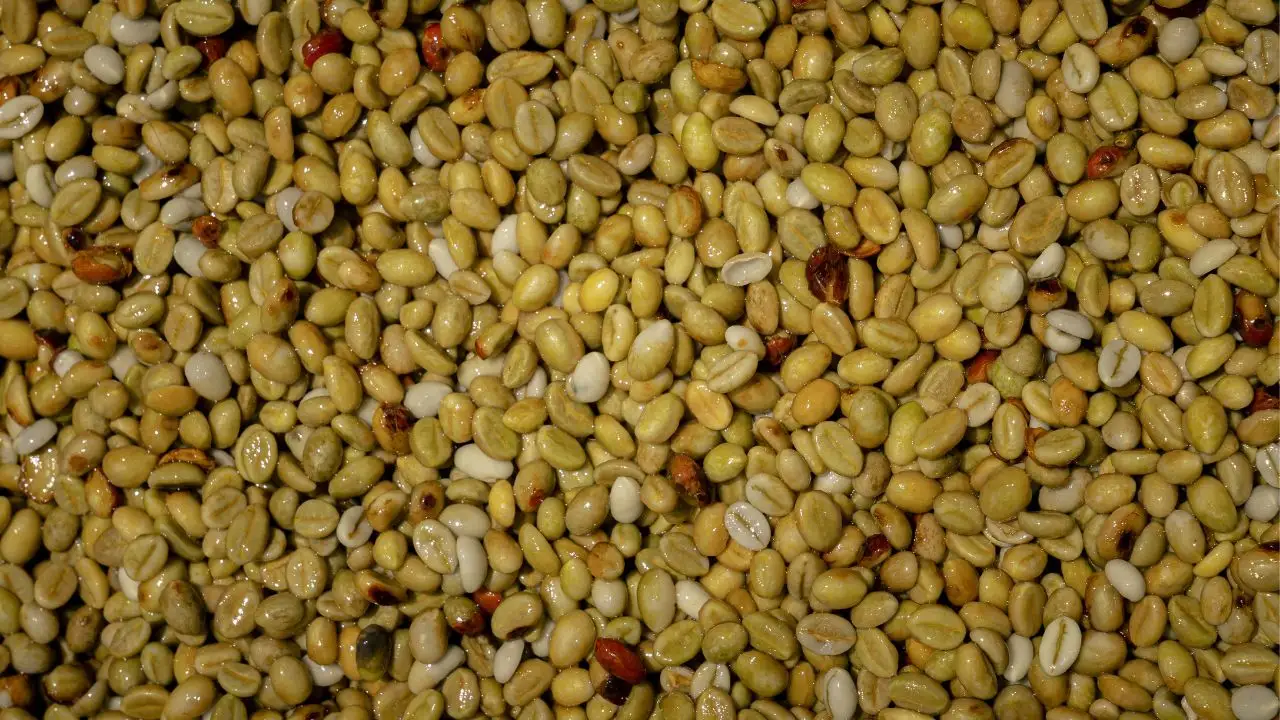
After hulling, the green beans are further dried to a moisture level suitable for storage and shipment. Drying conditions, airflow, turning frequency, and rain protection affect moisture removal.
6. Sorting and grading
Dried beans are sorted to remove defects and unwanted material. This step improves lot uniformity and gives buyers a clearer basis for assessing physical quality before roasting.
The main difference is the timing of hulling. In conventional washed processing, parchment stays on during drying, while in Giling Basah, it is removed when the beans still have much higher moisture.
What Is Mucilage in Coffee Processing?
Mucilage is the sticky, pectin-rich layer between the coffee cherry’s pulp and the parchment surrounding the bean. It contains sugars and other compounds that can influence post-harvest processing.
How Wet-Hulled Coffee Shapes the Cup
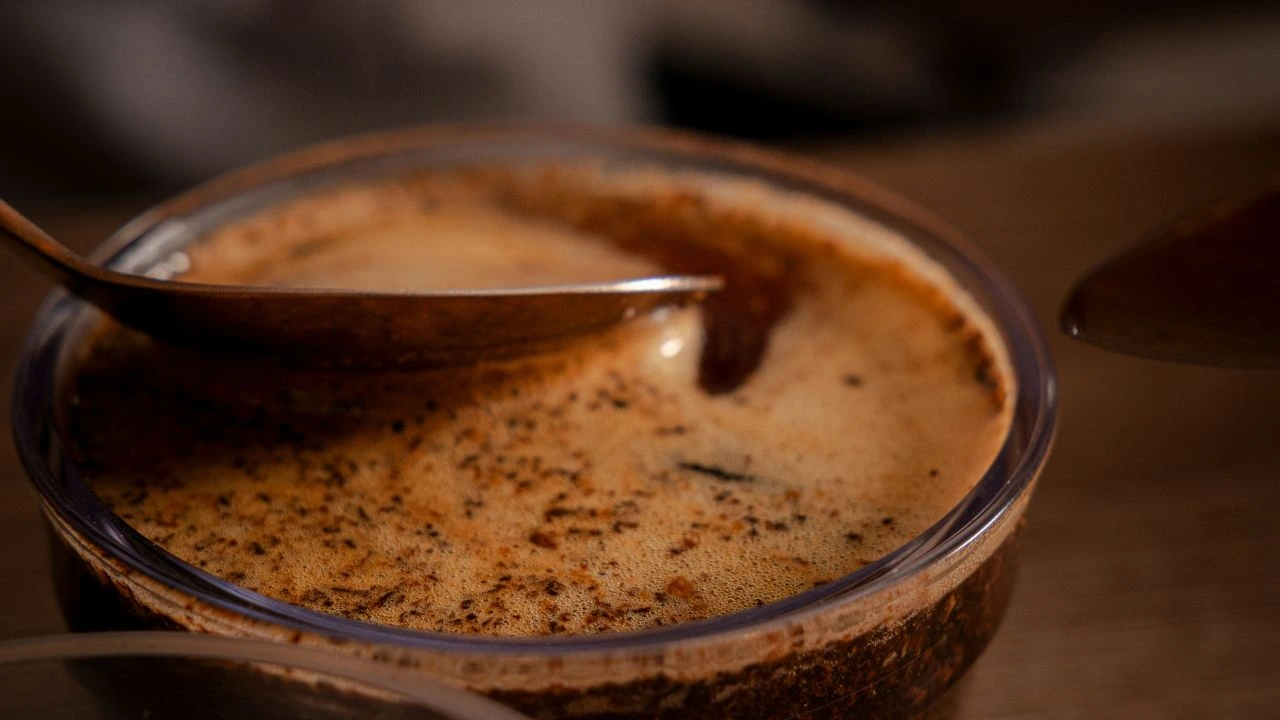
Wet-hulled coffee is known for its distinctive body, acidity, and flavor. Origin, variety, growing conditions, raw bean quality, and post-harvest handling shape the final cup.
- Full body: Wet-hulled coffee usually has a rich, heavy mouthfeel. It is a good choice for products needing weight and depth in their flavor profile.
- Relatively low perceived acidity: Wet-hulled coffees are often less bright or sharply acidic than many washed coffees. Acidity depends on where the coffee is grown, the conditions, and how it is processed.
- Earthy, herbal, and woody notes: Wet-hulled coffee can have flavors like earth, cedar, herbs, dark chocolate, or tobacco. These are common in traditional wet-hulled coffees from places like Sumatra, but their strength can vary from lot to lot.
- Sweetness and aroma: When wet-hulled coffee is well processed, it can show sweetness and complex aromas alongside its heavier traits. Some lots may have notes like brown sugar, molasses, spice, or dark fruit. While a strong earthy taste is normal, musty or moldy flavors are not desirable, even in wet-hulled coffee.
For wholesale buyers, it is important to distinguish between a characteristic regional profile and unwanted flavor defects. Cupping and physical evaluation help determine if a lot’s flavor fits its intended use and meets quality specifications.
What Determines the Quality of Wet-Hulled Coffee?
Wet hulling creates handling challenges because it removes the parchment while the beans are still moist and soft. Final quality depends on how carefully the coffee is managed through partial drying, hulling, final drying, and sorting.
Important quality factors include:
- Even drying: Uneven moisture loss can cause inconsistent roasting and increase storage risks. Use suitable drying surfaces, airflow, and rain protection to address these issues.
- Careful handling: Beans are softer during wet hulling and can be damaged more easily than fully dried beans. Broken or chipped beans lower the physical grade and make roasting less consistent.
- Clean cup profile: Earthy or woody notes may be typical, but musty, mold-like, or undesirable flavors require further investigation. Buyers should evaluate coffee through cupping, not just by origin or processing labels.
- Physical cleanliness: Sorting removes damaged beans and other unwanted material. Buyers should review physical grade and defect details to ensure they meet their standards.
To learn more about finding and removing defects before roasting, see our guide on the sorting process: how defective beans get removed before roasting.
How Roasters Can Work with Wet-Hulled Coffee
Wet-hulled lots often roast differently from washed or natural coffees because bean structure, density, and moisture vary. Roasters should evaluate each lot individually instead of applying a single profile to all wet-hulled coffees.
Several considerations can help guide the process:
- Roast development: Medium-to-dark profiles often enhance the body and deeper flavors of wet-hulled coffee. The optimal roast level depends on the specific lot and desired cup profile.
- Avoiding underdevelopment: Insufficient roast development can produce raw or harsh notes. Roasters should sample and cup each roast to find the optimal profile.
- Blend applications: Wet-hulled coffees can add body and depth to blends with brighter coffees. Suitability depends on both the blend profile and the individual lot.
- Pre-purchase evaluation: Buyers should request cupping and physical quality data and test samples at relevant roast levels before purchasing larger volumes.
These steps help roasters assess whether a lot meets their menu, product specifications, and supply needs.
Source Indonesian Coffee with a Clear Understanding of Processing
Bali Origins supplies premium green and roasted coffee beans from Indonesia, focused on consistency and quality. We support specialty and wholesale buyers with transparent product information and quality control at every processing stage.
Learning about each coffee-processing method makes it easier for buyers to compare Indonesian coffee origins.
If you are evaluating coffee for a new wholesale program or sourcing Indonesian coffee for your business, contact our team to discuss available products, samples, and documentation.
Wet Hulled Coffee FAQs
A. What is wet hulled coffee?
Wet-hulled coffee, known in Indonesia as Giling Basah, is processed by removing the parchment while the beans still contain substantial moisture, before drying is complete. The exposed green beans are then dried further. The method is commonly associated with full body, relatively low perceived acidity, and earthy or woody flavor notes.
B. Why is wet hulling used in Indonesia?
Wet hulling developed in response to local production conditions, including humid weather, rainfall, and smallholder supply chains. Partial drying, followed by early parchment removal, lets producers move coffee through the processing chain before final drying is complete.
C. What does wet hulled coffee taste like?
Wet-hulled coffee is often described as full-bodied, with relatively low perceived acidity and notes that may include earth, cedar, herbs, dark chocolate, or tobacco. The exact profile depends on the coffee's origin, growing conditions, and handling.
D. Is wet-hulled coffee the same as washed coffee?
No. The methods differ mainly in when they remove the parchment. Washed coffee is generally dried in parchment before hulling, while wet-hulled coffee removes the parchment before drying is complete. As a result, their flavor profiles and handling requirements can differ.
E. Which Indonesian regions produce wet-hulled coffee?
Wet hulling is most closely associated with Sumatra and is also used in parts of Sulawesi and Flores. Processing methods vary by producer, so buyers should confirm the method used for each lot rather than relying on the region name alone.
F. Does Bali Origins supply wet-hulled coffee?
Bali Origins sources from Bali and Lombok, where washed and natural processing are standard. To compare our fully washed or natural Bali and Lombok Arabica with wet-hulled Indonesian origins, contact our team to discuss available lots and request samples.