
Anaerobic coffee is processed in sealed tanks with minimal or no oxygen during a controlled stage before drying. This changes how microorganisms react with the sugars and other compounds in the coffee cherry, affecting the final cup’s aroma, sweetness, acidity, and body. The results can be strong fruit flavors, floral scents, or even a wine-like taste, so careful control is needed to keep results consistent.
In this article, we cover how anaerobic coffee processing works, the main styles buyers might see, how the process changes the cup profile, and the production risks that are important for commercial buyers.
At Bali Origins, we believe any processing method’s effectiveness depends on precise control. Anaerobic processing highlights this because time, temperature, and oxygen levels in the sealed tank determine whether a lot becomes premium coffee or inconsistent. For this reason, our certified processing team measures and documents every sealed batch.
What Is Anaerobic Coffee?
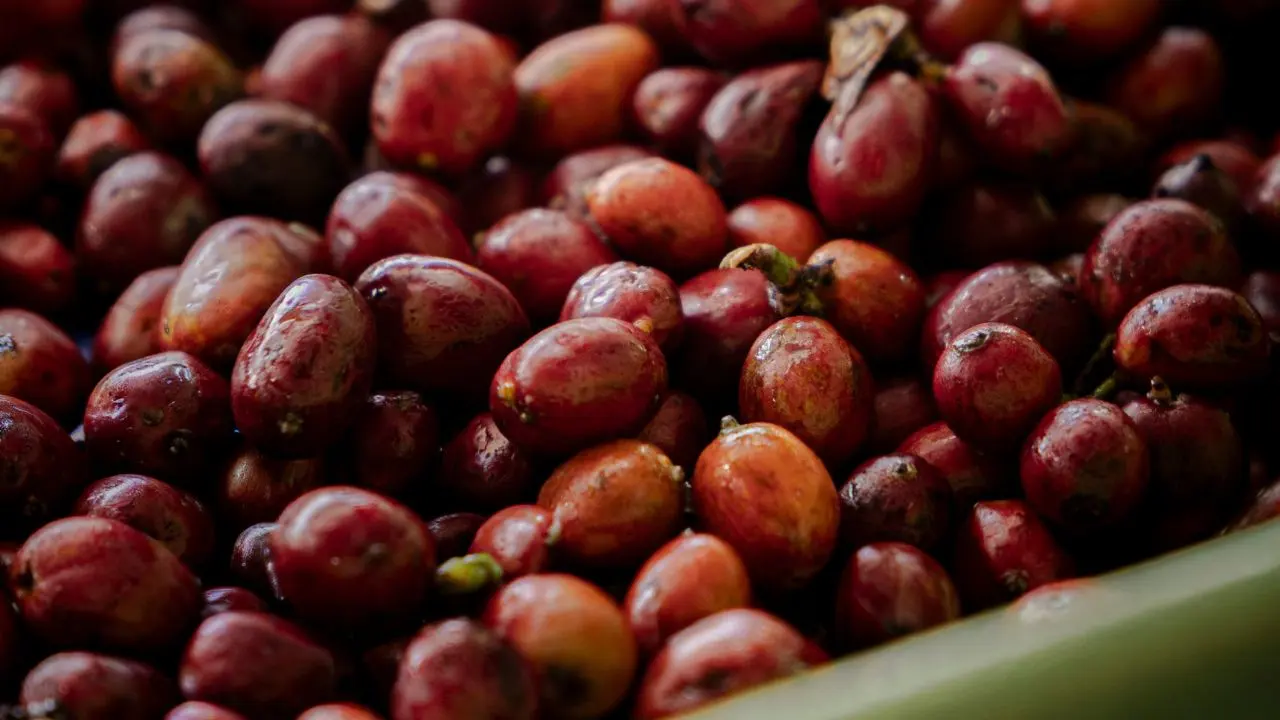
Anaerobic coffee is made by adding a controlled low-oxygen step to coffee processing. The coffee enters this stage as whole cherries or pulped beans with mucilage. Then it moves on to a drying method, such as natural, honey, or washed processing.
Inside a sealed tank, microorganisms break down sugars and other compounds in the coffee fruit and mucilage. With less oxygen, the microbes behave differently and create new compounds. These changes can influence the coffee’s aroma and taste after roasting.
As microorganisms and the coffee fruit consume oxygen, carbon dioxide builds up in the tank. Processors may use one-way valves or water locks to release pressure while limiting outside air. Some systems add carbon dioxide or nitrogen at the start to further reduce oxygen.
This stage can last from several hours to over a week, depending on the method. Processing time, temperature, acidity, cherry condition, and oxygen levels all influence the final result. After the tank stage, the coffee proceeds to drying.
How Anaerobic Processing Works
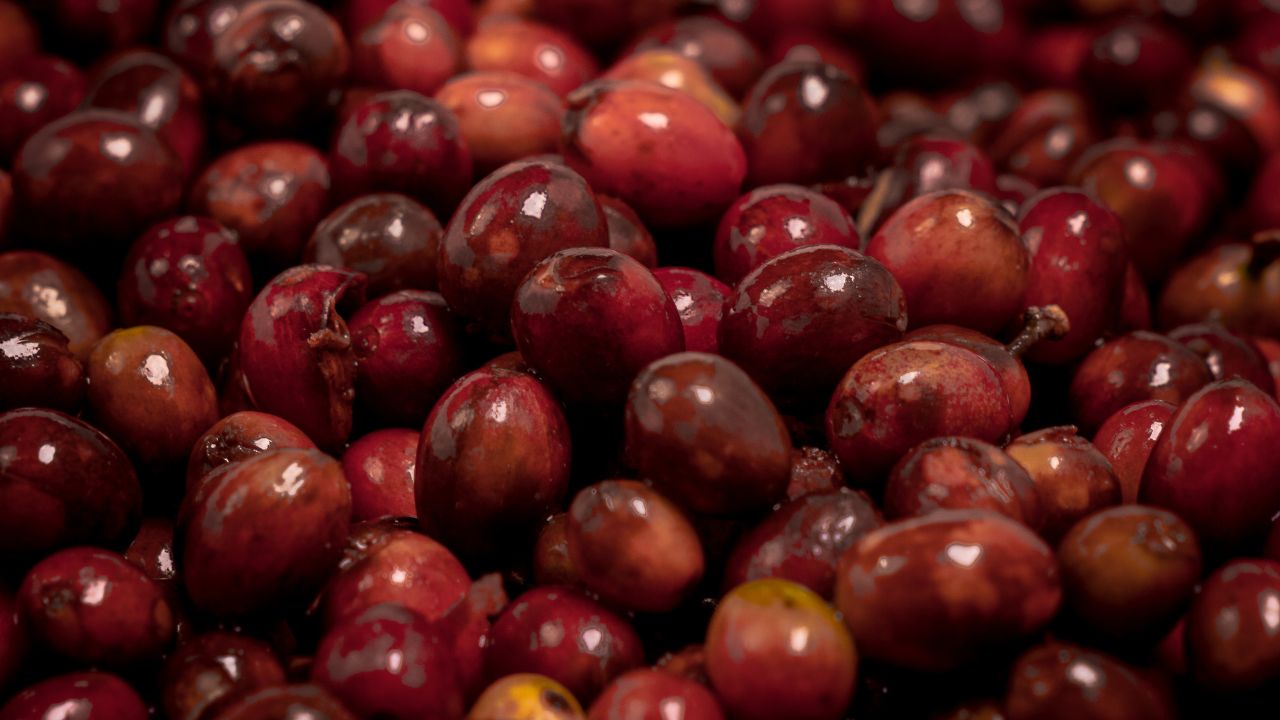
While details depend on the processing style and equipment, most anaerobic coffees follow a few main steps.
- Cherry selection: Producers select ripe cherries and remove defective fruit. Sorting for uniform ripeness reduces batch variation.
- Tank loading and sealing: Producers place whole cherries or pulped beans with mucilage in a sealed tank, drum, or other container.
- Oxygen management: Processors limit oxygen exposure with sealed systems. Some equipment lets carbon dioxide escape while blocking outside air.
- Controlled holding: The coffee stays in the tank for a set period. Processors monitor time, temperature, and acidity to manage conditions and track batch changes.
- Drying: Processors remove the coffee from the tank and dry it according to processing style. Natural lots dry inside the whole cherry, honey lots retain mucilage, and washed lots have mucilage removed before drying.
- Hulling and quality sorting: Once the coffee reaches a suitable moisture level, it is hulled (where required), sorted, and quality-assessed before grading and packing.
The drying method remains an important part of the final profile. Two lots with similar sealed-tank stages can develop different cup characteristics if one dries inside the cherry and the other dries after mucilage removal.
The Main Styles of Anaerobic Coffee
The term anaerobic refers to the low-oxygen stage, not a specific drying method. Offer sheets may pair this term with processing styles like anaerobic natural or anaerobic honey to show how the coffee is handled before and after the tank stage.
| Style | What goes into the tank | How it is finished | Typical cup direction |
| Anaerobic natural | Whole cherries | Dried with the fruit intact | Intense fruit, wine-like, heavy body |
| Anaerobic honey | Pulped beans with mucilage | Dried with mucilage remaining on the beans | Sweetness, fruit character, and rounded body |
| Anaerobic washed | Coffee prepared for washed processing | Mucilage removed before drying | Brighter and cleaner, with distinct aromatics |
| Carbonic maceration | Whole cherries in a tank supplied with carbon dioxide | Usually dried as a natural | Vivid fruit character and distinctive aromatics |
| Semi-carbonic maceration | Whole cherries in a sealed tank without injected carbon dioxide as the defining step | Usually dried as a natural | Layered fruit character and complex aromatics |
Carbonic maceration is named after a winemaking technique. In coffee processing, producers add carbon dioxide into a sealed tank of whole cherries to displace oxygen. Semi-carbonic maceration relies on the cherries’ natural respiration to create the desired conditions.
These methods differ in how they create the tank environment. This distinction matters because oxygen levels, temperature, acidity, and holding time affect how the coffee develops its characteristics.
How Oxygen-Free Processing Shapes Flavor
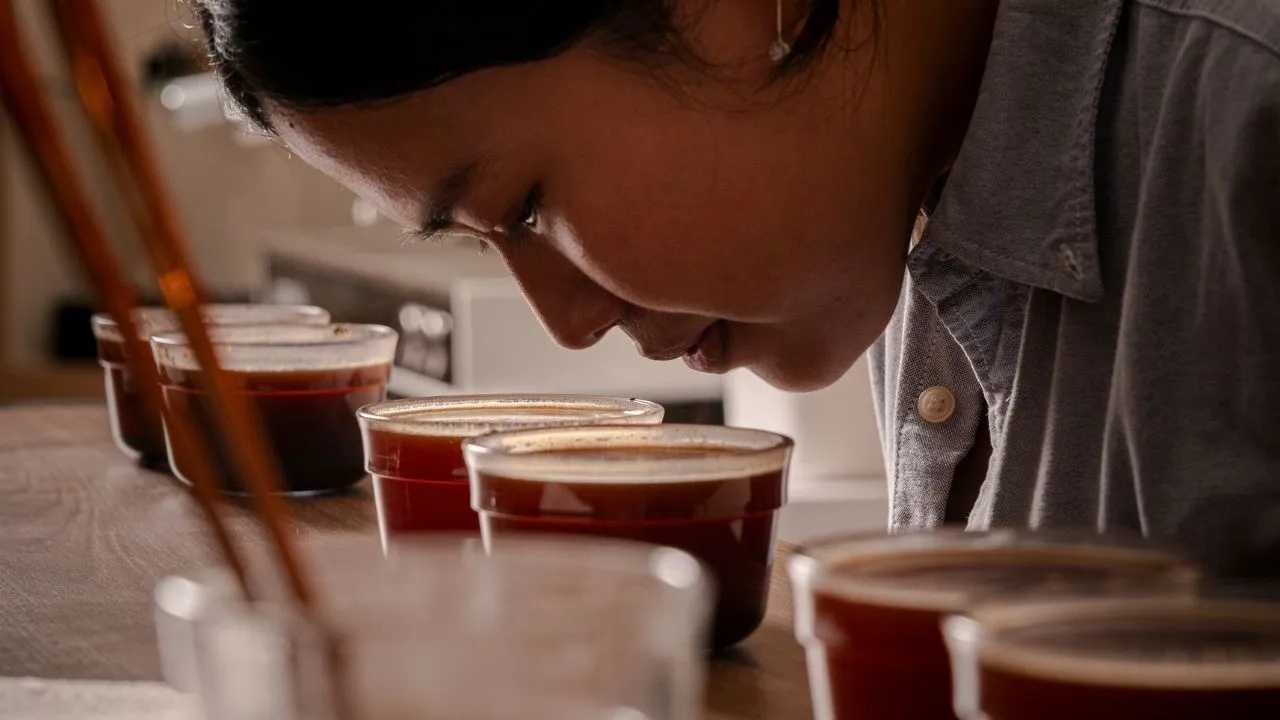
Without oxygen, microbes in the tank produce different compounds, especially lactic acid, aromatic esters, and small amounts of alcohol. As the fruit breaks down, these compounds move into the bean and carry through to the roasted cup.
A well-controlled anaerobic lot can show:
- Aromatic intensity: Notes of red berries, grape, tropical fruit, florals, or spice.
- Sweetness: A pronounced impression of sweetness, shaped by the coffee’s raw material and processing conditions.
- Body: A fuller, juicy, or syrupy mouthfeel.
- Acidity: A profile that can feel rounded and fruit-driven rather than sharply citrus-like.
Studies on Arabica coffee from Sajang Village in Sembalun, East Lombok, show that semi-carbonic processing scores higher for aroma, taste, and body. Natural-processed coffee, by contrast, scores higher for sweetness.
What Are Aromatic Esters in Coffee?
Aromatic esters are chemical compounds that contribute to a coffee’s aroma and flavor. Depending on the compounds present, they can be associated with fruity or floral characteristics. In anaerobic processing, changes in the tank environment can influence the development of aroma-related compounds and shape the coffee’s final sensory profile.
The Risks Behind a Sealed Tank
Anaerobic processing gives processors greater control, but excessive adjustments can pose significant risks to commercial supply.
| Risk | What causes it | Potential impact |
| Overdeveloped flavors | Excessive holding time or unsuitable temperatures | Overly sharp, sour, boozy, or vinegary notes |
| Contamination | Poor tank hygiene or inadequate equipment control | Off-aromas, visible defects, and rejected lots |
| Batch variation | Differences in ripeness, holding time, temperature, or acidity | Changes in cup profile between batches or shipments |
| Uneven drying | Inadequate drying control after the tank stage | Uneven moisture levels, inconsistent roasting, and reduced storage stability |
| Higher production costs | Specialized tanks, monitoring, labor, and additional quality checks | Higher prices and limited availability for some lots |
Managing these risks starts before the coffee enters the tank. After the tank stage, thorough drying and moisture checks are critical before hulling and storage.
For commercial buyers, these controls are important because a good sample must match a larger lot that meets quality standards. Consistent batches also matter if the coffee will be used on a regular menu or as part of a long-term product line.
What Anaerobic Coffee Means for Commercial Buyers
Anaerobic coffee offers a unique option in specialty coffee. Its strong aroma and fruit notes suit single-origin releases, tasting flights, specialty café menus, and premium retail products focused on differentiation.
Before selecting a lot, buyers should evaluate several factors:
- Processing style: Confirm whether the lot is anaerobic natural, honey, washed, or another defined style, and understand how it was dried after the tank stage.
- Process control: Review the available records for holding time, temperature, acidity, and oxygen management.
- Cup profile: Evaluate a representative sample against the intended flavor profile and application.
- Lot consistency: Ensure the sample matches the lot you will receive and that the producer can maintain the same quality in future batches.
- Commercial suitability: Consider price, available volume, delivery schedule, and whether the profile fits the intended menu or product range.
Roasters should adjust their approach for each coffee rather than use one roast profile for all. Lighter-to-medium roasts usually preserve the delicate aroma and fruit notes in anaerobic coffees. Find the best roast level by sample roasting and tasting.
Different roast levels can change the aroma, acidity, and body. Our coffee roasting profile guide explains how these choices shape the final cup.
Bold Flavor Still Needs a Steady Hand
Anaerobic processing creates opportunities for distinctive coffee profiles, but the final beans’ quality depends on consistent management at each stage. Careful handling, controlled processing conditions, and reliable quality checks help turn an experimental profile into a product that meets commercial expectations.
At Bali Origins, we process premium Indonesian coffee beans for roasters, distributors, and café chains seeking distinctive profiles and dependable quality. Our certified team handles coffee from Bali and Lombok using controlled manufacturing systems and quality checkpoints to ensure consistent results and reliable wholesale supply.
If you are considering anaerobic coffee for your product range, contact the Bali Origins team to discuss your requirements.
Anaerobic Coffee FAQs
A. What does anaerobic coffee taste like?
Well-managed anaerobic coffee is typically fruity, sweet, and aromatic, with notes of red berries, grape, or tropical fruit, and a fuller body. Poorly managed lots can taste boozy, sour, or vinegary.
B. How does Anaerobic Coffee processing affect flavor profiles?
Anaerobic coffee processing can create intense fruit aromas, pronounced sweetness, fuller body, and distinctive floral or wine-like notes. Common flavor characteristics include red berries, grapes, tropical fruit, and spices. The final profile depends on fermentation time, temperature, oxygen levels, acidity, and the drying method. Poor process control can result in overly sour, vinegary, or alcoholic flavors.
C. What is the difference between carbonic maceration and semi-carbonic maceration?
Carbonic maceration injects carbon dioxide into a sealed tank of whole cherries to quickly remove oxygen. Semi-carbonic maceration seals the cherries without injected gas and relies on their own respiration, sometimes submerging them in water.
D. What is the difference between the anaerobic coffee process and washed processing?
The main difference is that anaerobic processing introduces a controlled low-oxygen stage, while washed processing focuses on removing the coffee fruit and mucilage before drying. Anaerobic coffee can undergo this tank stage before being finished using a washed method, so the two processes are not mutually exclusive. Anaerobic washed coffee often combines distinctive aromatics and fruit character with a brighter, cleaner cup profile, whereas conventionally washed coffee typically emphasizes clarity and origin characteristics.
E. Why is anaerobic coffee more expensive?
Anaerobic processing can require specialized tanks, closer monitoring, additional labor, and more intensive quality control. Production costs, limited availability, and demand for distinctive cup profiles can all drive the price.