
Bean processing starts on the farm before the beans reach the roaster. It is the step after harvest when the outer layers of the coffee cherry are removed from the seed. How this is done can change the final cup, even if the beans come from the same origin, variety, and harvest season.
Buyers and roasters seeking premium coffee should understand processing methods. It affects flavor, moisture, shelf life, and determines if a batch meets specialty coffee standards.
This article breaks down the two primary bean processing methods (dry and wet) and what each means for the quality of the beans you source.
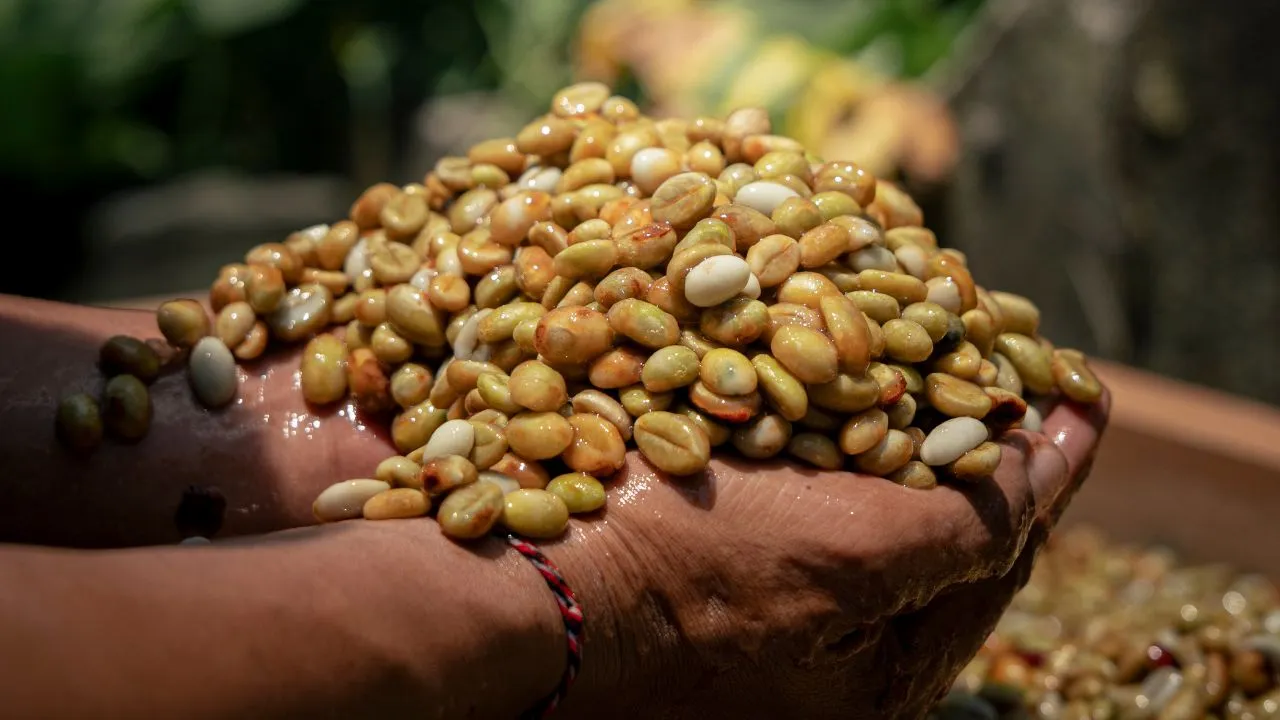
What Is Bean Processing and Why Does It Matter?
Every coffee bean begins as the seed inside a fruit called a cherry. Each cherry has several layers that need to be removed before the bean is ready for drying, storage, and shipping.
- Exocarp: The outer skin of the cherry
- Mesocarp: A soft, fibrous pulp beneath the skin
- Mucilage: A sticky pectin layer surrounding the parchment
- Endocarp: The hard parchment that protects the seed
- Silver skin: A thin membrane covering the bean itself
The timing and method used to remove these layers determine if the coffee is dry or wet-processed. Freshly harvested coffee cherries contain about 55-60% moisture.
For safe storage and export, beans must be dried to about 12% moisture. How this drying is done influences the rest of the process.
What Is Parchment Coffee?
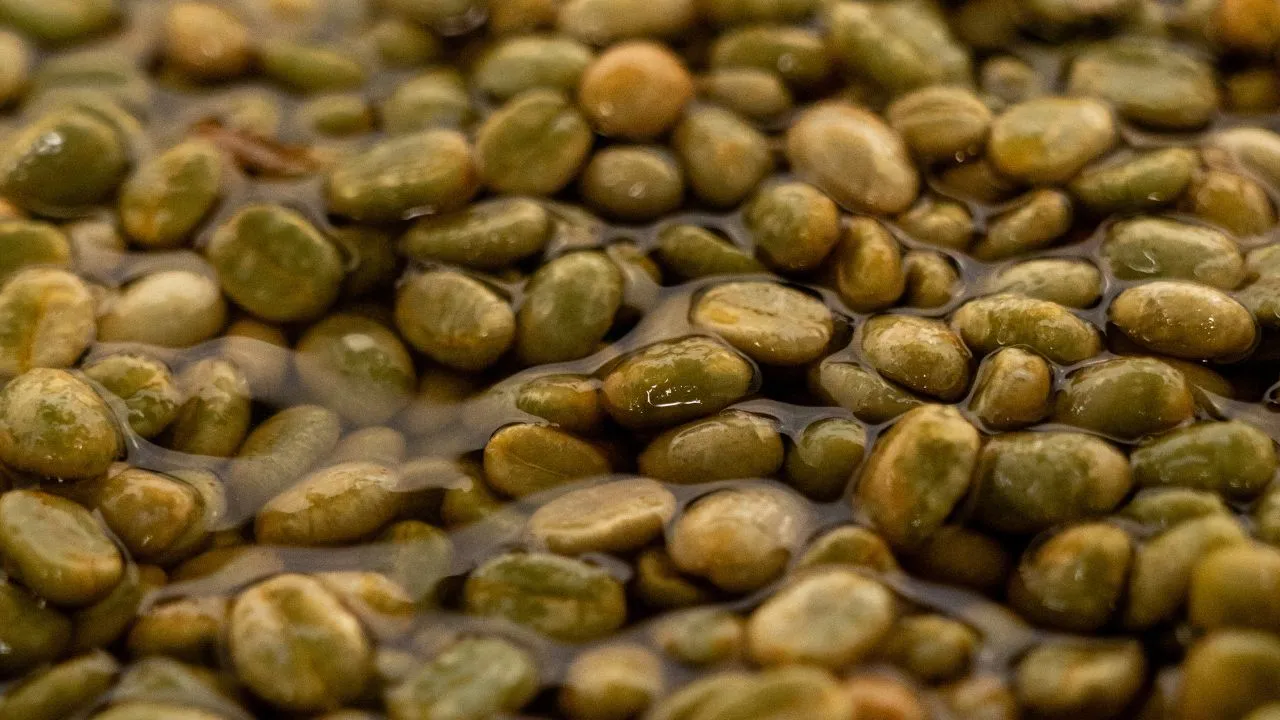
Parchment coffee refers to coffee beans that still retain their protective parchment layer after pulping and before final hulling. This layer protects the beans during drying.
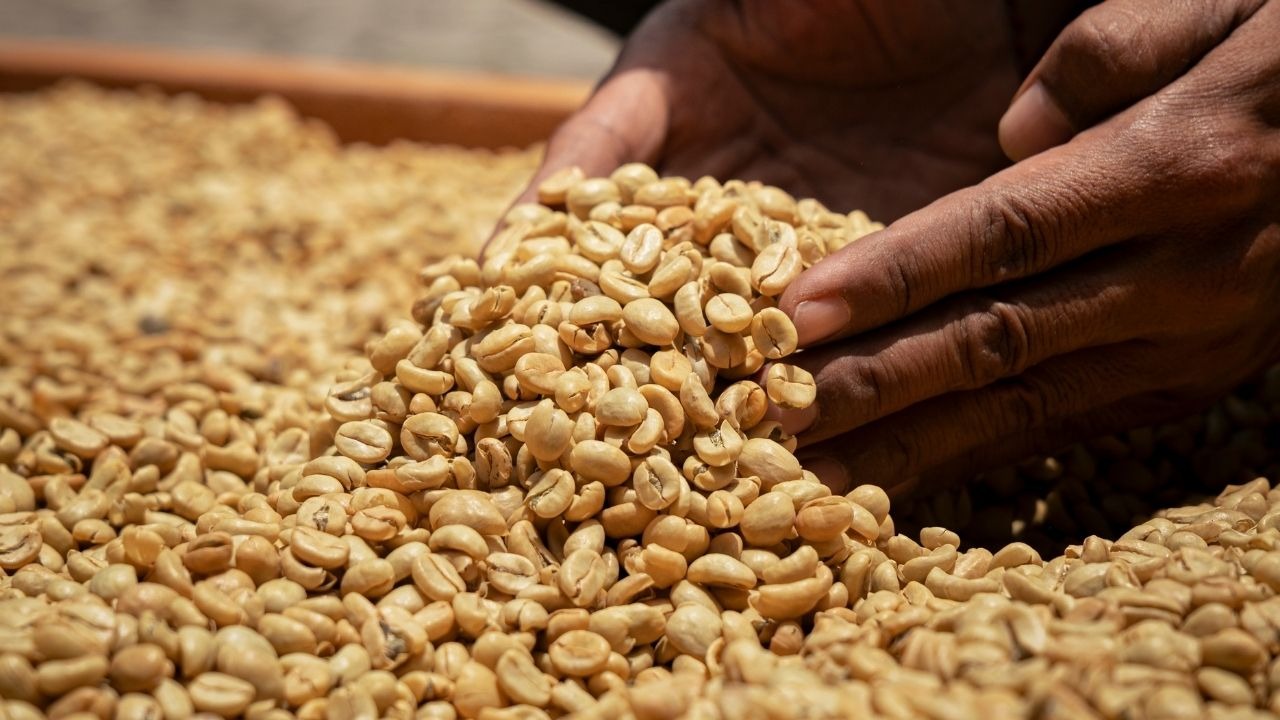
Dry Bean Processing and How It Shapes Flavor
Dry processing, also known as natural processing or unwashed coffee, is the oldest post-harvest method. It is still widely used in Brazil, Ethiopia, Indonesia, and other regions where the climate supports open-air drying.
How Dry Bean Processing Works
After harvest, the whole coffee cherry is dried naturally, without machine use. The skin, pulp, and mucilage remain around the bean during this time. This careful method helps keep the bean’s natural flavors. Here are the main steps in the process:
- Hull: After the outer layers have dried and shrunk, machines remove the parchment in a single step, revealing the green bean.
- Spread: Cherries are laid out on raised beds, patios, or drying floors in layers no deeper than 40 millimeters.
- Dry: The cherries stay in the sun for 12 to 21 days, depending on the weather.
- Rake: Workers often turn the cherries to help them dry evenly and prevent mold or discoloration.
- Monitor temperature: The cherries need to stay below 45°C to protect the beans inside from damage.
Because the bean spends weeks in direct contact with the cherry’s sugars and fruit, dry-processed coffee develops complex, fruit-forward flavors. Notes of berries, dried fruit, dark chocolate, and sometimes a wine-like character are common.
This coffee usually has a fuller body and more natural sweetness, but the taste can vary more from batch to batch.
Dry processing costs less and requires minimal equipment, making it accessible for smallholder farmers. However, it depends on the weather. Unexpected rain can ruin an entire drying batch.
Without careful monitoring, uneven drying can lead to quality defects that affect the final cup and reduce commercial value. Consistency, a top priority for B2B buyers, requires disciplined management at every stage.
What Does Full Body Mean in Coffee?
Full-body refers to the heavy, rich sensation coffee creates in the mouth. Full-bodied coffees often feel thicker and more intense.
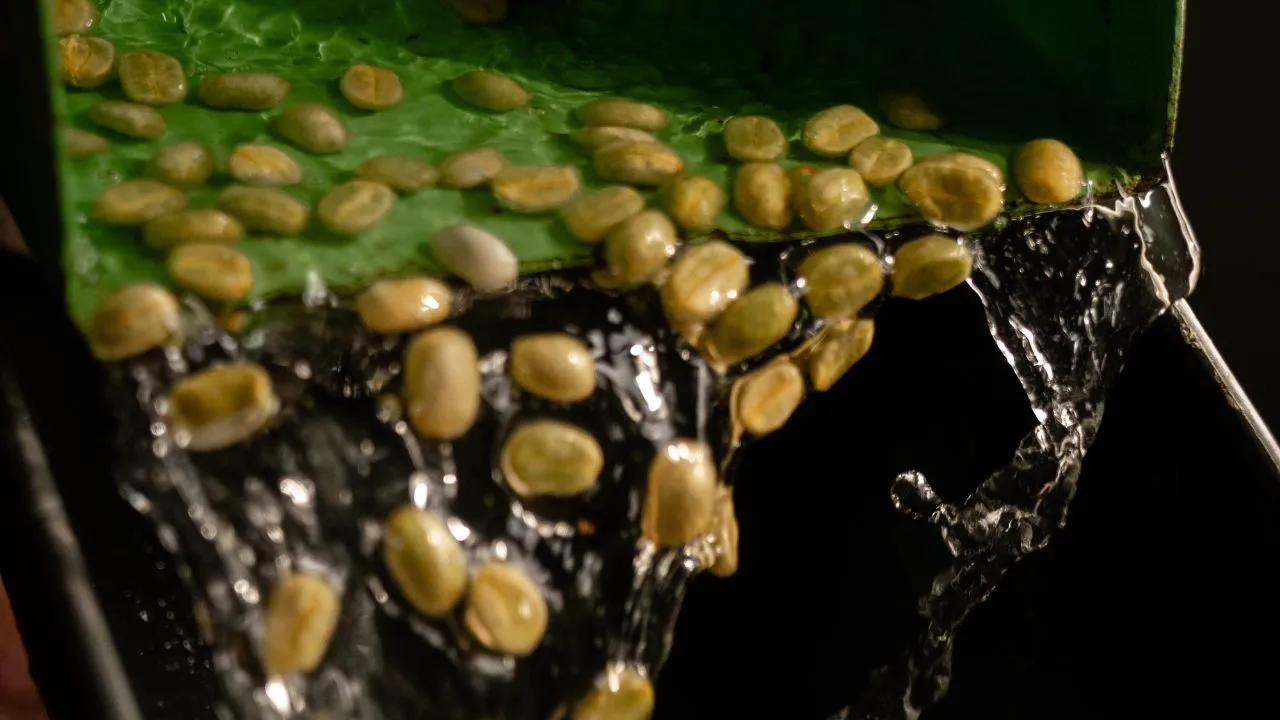
Wet Processing and Why Buyers Value It
Wet processing, or washed processing, uses water and machinery to handle coffee. While it requires more resources than dry processing, it delivers consistency valued by specialty buyers.
How Wet Processing Works
Wet processing reduces variables and gives producers greater control over quality. The steps are:
- Sort: Cherries are placed in water. Ripe, dense cherries sink, while underripe or damaged ones float and are removed.
- Pulp: Machines remove the outer skin and pulp, leaving the bean covered by parchment and mucilage.
- Wash: Beans are rinsed with clean water to remove any leftover mucilage.
- Dry: Parchment coffee is dried on raised beds or in dryers until the moisture content falls to 10-12%.
- Hull: After the outer layers have dried and shrunk, machines remove the parchment in a single step, revealing the green bean.
When the fruit is removed early, the true qualities of the bean stand out. This leads to a clean, bright cup that clearly shows the coffee’s origin, altitude, soil, and variety.
For specialty buyers seeking consistent, clear flavors, washed lots are often the standard.
Wet processing uses a lot of clean water, which raises costs and needs careful handling. Wastewater from pulping and mucilage removal must be treated properly to protect local water supplies. This has become an important part of responsible sourcing.
Wet-processed Arabica often earns higher prices in specialty and international markets because of its clear flavor and reliable quality.
What Is Pulping in Coffee Processing?
Pulping is the step where machines remove the outer skin and pulp from coffee cherries after sorting. The bean remains covered by parchment and mucilage.
Dry vs Wet Bean Processing Compared
| Factor | Dry Processing | Wet Processing |
| Also known as | Natural, unwashed | Washed |
| Fruit removal timing | After drying | Before drying |
| Equipment required | Minimal | Pulping machine, processing tanks |
| Water use | Very low | High |
| Drying time | 12–21 days (sun) | 7–15 days (parchment) |
| Flavor profile | Fruity, full-bodied, complex | Clean, bright, high acidity |
| Batch consistency | Higher variability | High consistency |
| Typical market segment | Blends, naturals, espresso | Specialty, single-origin, premium export |
| Climate requirement | Hot and dry | Flexible; water access required |
A Third Option: Honey Processing
More producers, especially in Central America and Southeast Asia, are now using a hybrid method called honey processing. This method is also known as pulped natural or semi-washed.
In this method, the outer skin is removed as in wet processing, but some or all of the mucilage is left on the bean during drying.
The amount of mucilage left on the bean affects the outcome. Yellow, red, and black honey mean more mucilage is retained, giving the coffee a full body and more fruity flavors.
Honey-processed coffee offers a balance between the acidity of washed coffee and the sweetness and body of natural coffee. For buyers looking to build a varied selection, honey-processed lots are a unique choice between the two main methods.
What Do Yellow, Red, and Black Honey Mean?
Yellow, red, and black honey refer to different honey-processing styles based on the amount of mucilage that remains during drying. More retained mucilage generally creates a heavier body and sweeter flavor profiles.
How Bean Processing Affects Roasting Performance
The way coffee is processed at the farm affects how roasters should handle the beans.
Roasting begins with drying. At this stage, the beans warm up from about 25°C to 120°C to remove any remaining moisture.
Bean density also matters. Denser beans need more time in the roaster to reach the same roast level as lighter ones.
Natural-processed beans keep more fruit sugars and are usually denser. This causes them to behave differently during roasting, especially when the temperature goes above 150°C. Careful processing at the farm is closely connected to roast quality.
What Is Coffee Bean Density?
Bean density describes how compact and heavy a coffee bean is relative to its size. Denser beans generally require more controlled roasting to develop evenly.
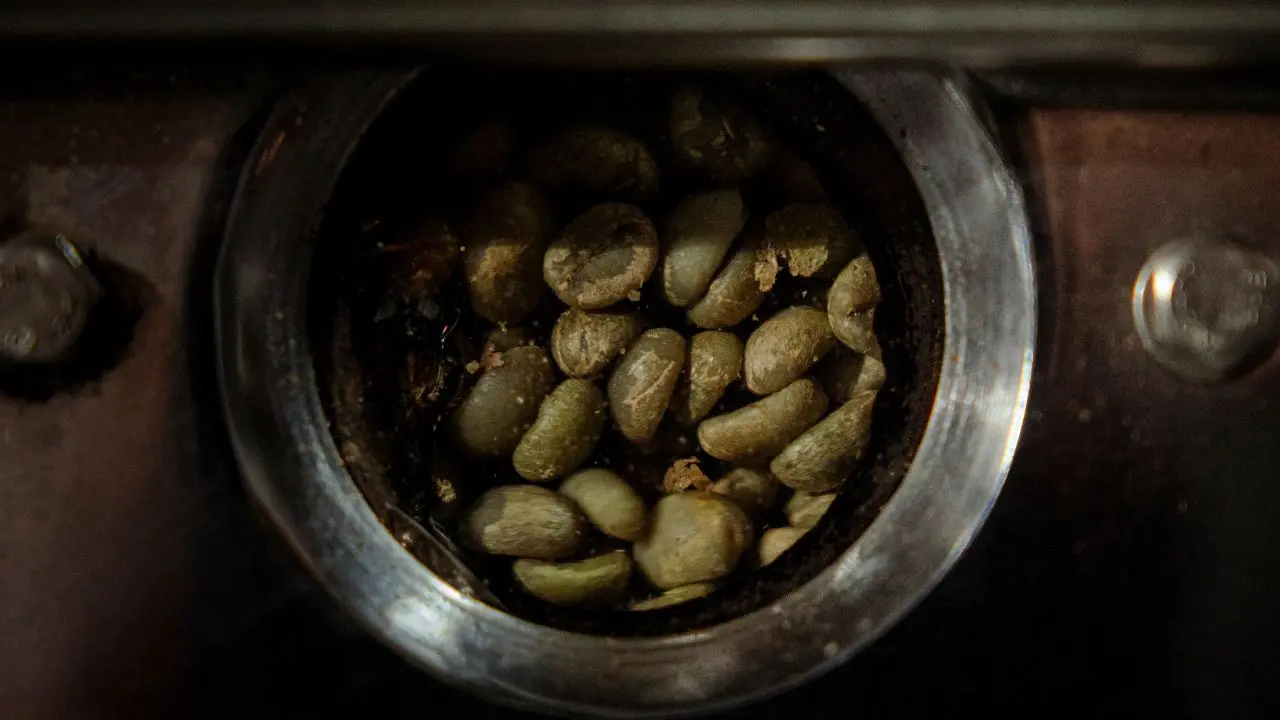
Matching Roast Profiles to Processing Style
Processing affects how coffee behaves during roasting and influences the flavors that develop in the cup. Choosing the right roast profile brings out the qualities developed during processing and supports more reliable cup results.
- Natural-processed beans taste sweeter and feel richer in the cup. Roasters need to manage heat to prevent sugars from burning. Medium and dark roasts highlight their body and sweetness. Very dark roasts can hide defects in lower-quality beans.
- Washed beans are known for their clean taste and even moisture, which helps make roasting more consistent and handling smoother, especially when working with new lots. Their clear origin flavors work well in lighter roasts, where the natural acidity and fruit or floral notes can stand out.
Roast level should support the qualities created during processing. Washed coffees are best for lighter roasts because they keep their acidity and clear origin flavors.
Honey and natural coffees are best at medium roasts, where their sweetness and body are most noticeable. Roasting washed beans too dark or natural beans too light goes against the work already done at the farm.
Because processing directly influences roasting performance, more specialty importers and direct-trade buyers now request post-harvest records as part of their quality evaluations. Without documented processing information, roasters face greater uncertainty in maintaining product consistency.
To learn more about what affects flavor consistency after roasting, read our article on why coffee can taste different from roast to roast.
How Processing Supports Reliable Coffee Sourcing
Choosing between dry and wet processing depends on desired flavor, consistency, and local conditions. Each method has its own benefit and produces coffee suited to different market needs.
Premium green coffee results from careful post-harvest handling, not only from variety or altitude. Consistent, precise processing at every stage preserves quality from harvest to final cup.
For buyers and roasters, processing is more than a line on a spec sheet. It plays a major role in sourcing decisions. Clear processing records and documented moisture levels help roasters achieve reliable batch-to-batch results.
Bali Origins sources premium coffee beans from trusted plantations and follows a structured post-harvest handling process managed by a certified team. Each lot undergoes consistent quality control to meet specialty and wholesale buyers’ needs.
For roasters and distributors seeking a reliable supply of well-processed green coffee, Bali Origins offers consistency, traceability, and scalability for long-term sourcing. Contact us to discuss supply options or potential collaboration.
Bean Processing FAQs
A. Why Does Bean Processing Matter in Coffee Quality?
Bean processing affects how coffee develops flavor, maintains stability, and performs during roasting. Even coffee from the same farm and harvest can taste different depending on how it is processed. Processing decisions influence acidity, sweetness, body, and consistency.
B. How Does Dry Bean Processing Affect Coffee Flavor?
Dry processing often produces coffee with fruit-forward flavors, fuller body, and greater sweetness. Common tasting notes include berries, dried fruit, dark chocolate, and wine-like characteristics. However, flavor can vary more between batches if drying conditions are not carefully managed.
C. What Is the Difference Between Dry and Wet Bean Processing?
The main difference lies in when the fruit is removed. Dry processing removes the fruit after drying, while wet processing removes it before drying. Dry processing usually creates sweeter and heavier profiles, whereas wet processing emphasizes clarity, brightness, and consistency.
D. Which Roast Profiles Match Different Bean Processing Methods?
Washed coffees generally perform best at lighter roast levels where acidity and origin clarity remain visible. Natural and honey-processed coffees often show their sweetness and body more effectively at medium roasts. Matching roast profile to processing style supports better flavor development.
E. What Should Buyers Consider When Evaluating Bean Processing?
Buyers should review processing documentation, moisture stability, drying control, and batch consistency. Processing information helps determine whether a coffee will meet roasting expectations and long-term supply requirements.
F. How Does Bali Origins Maintain Bean Processing Consistency?
Bali Origins sources coffee from trusted plantations and applies structured post-harvest handling managed by a certified processing team. Through controlled drying, documented handling, and consistent quality checks, Bali Origins supports reliable roasting performance and traceable supply for specialty and wholesale buyers.