
Coffee supply chain reliability depends on understanding why lot-to-lot variation occurs and how these inconsistencies affect cup quality. Even when buying from the same farm, region, or harvest, buyers and roasters might notice differences in flavor, density, or how the beans roast.
This guide explains why coffee batches can be inconsistent, from post-harvest handling to shipping, and offers ways for roasters to maintain consistently high quality.
At Bali Origins, we ensure consistency through rigorous quality control, transparent traceability, and structured post-harvest handling from farm to final supply.
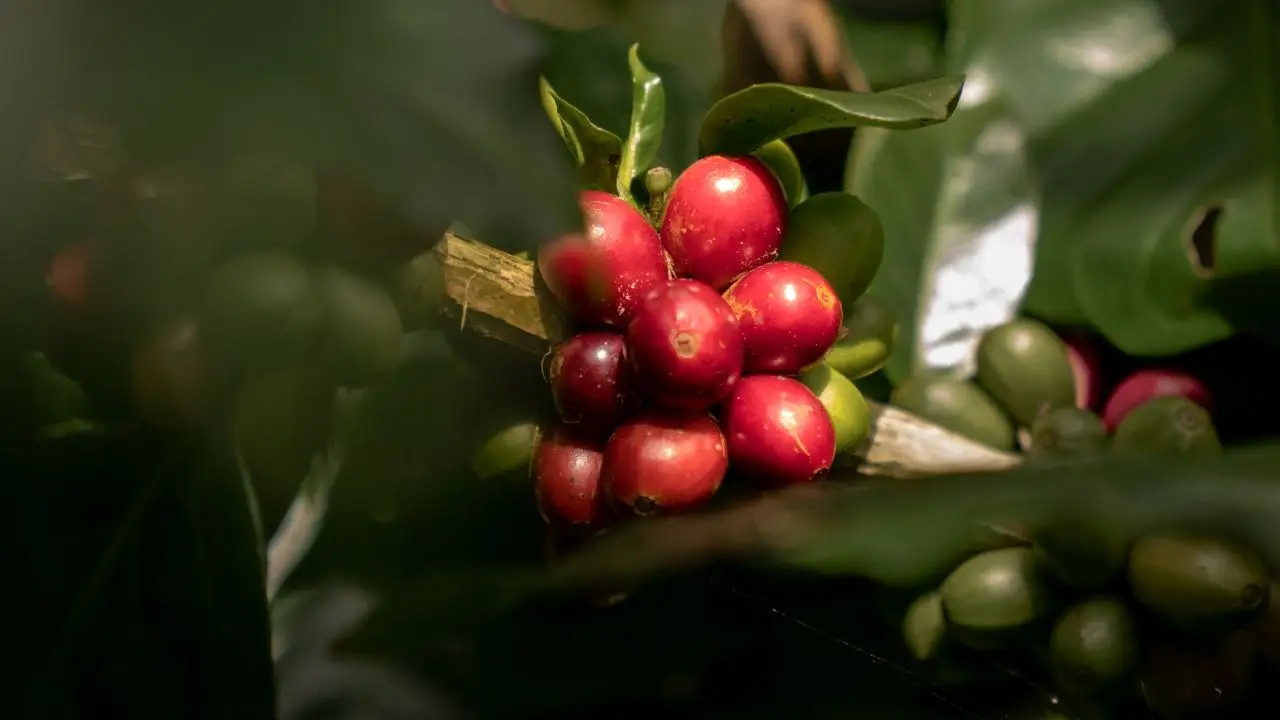
The Root Causes of Variation at Origin
Country or region of origin provides useful context, but lots from the same origin are not automatically interchangeable. Buyers and roasters should therefore consider the factors that can materially affect lot consistency rather than treating every coffee within a broad category as equivalent.
There are several reasons why lots from the same origin can be different:
- Crop year: Weather and other conditions change each harvest and can affect the coffee’s qualities.
- Botanical variety: Different coffee plant varieties can react differently during processing and roasting.
- Processing method: Natural, washed, and other processing methods can create differences in moisture, flavor, and physical characteristics.
- Physical condition: Differences in bean condition affect how consistently a lot performs during roasting.
- Storage environment: Temperature, humidity, and storage conditions can influence the condition of green coffee over time.
- Supplier handling: How coffee is handled before and during shipping can also make lots different.
- Sensory assessment: Cup characteristics can vary between lots, even within the same broader origin.
These factors show why origin alone is not enough to predict how a coffee lot will perform. To understand how coffee origin influences quality, consistency, and scale, read our guide to coffee origin and its impact on coffee quality.
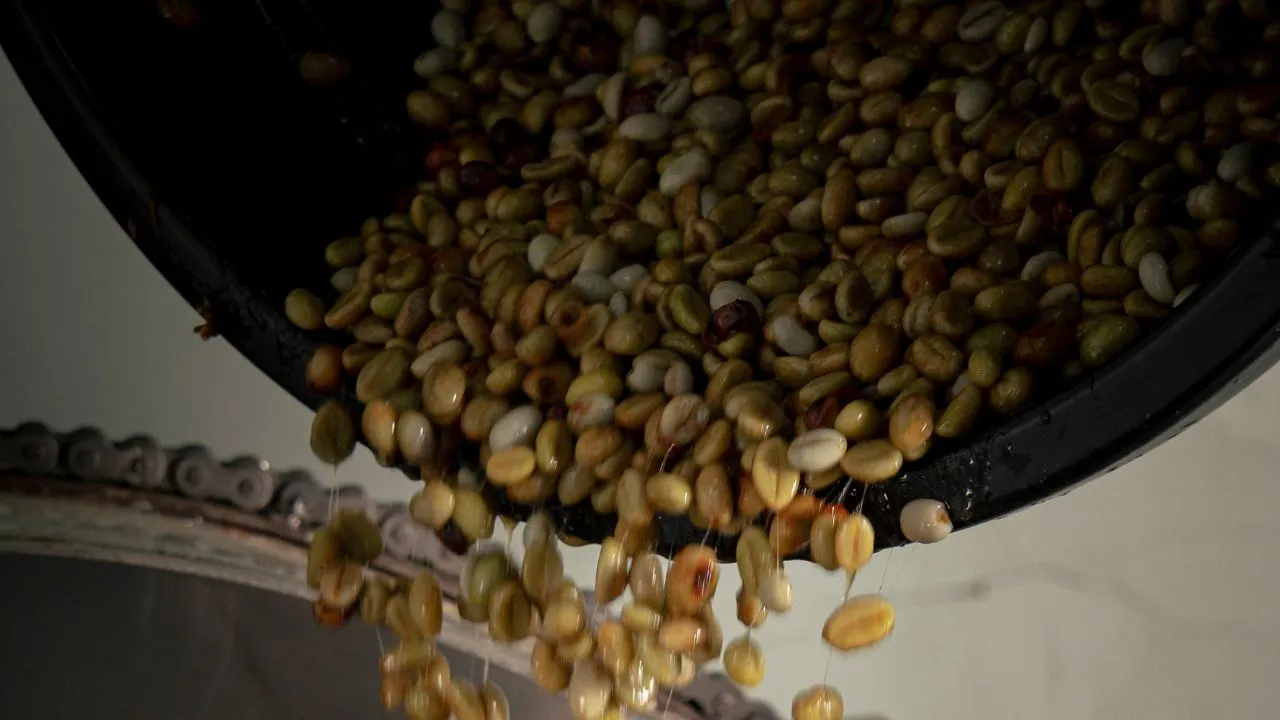
How Processing Methods Influence Lot Consistency
Processing methods create factors that affect lot consistency. Natural processed coffees often show more variation than washed coffees because drying is less controlled. Differences in drying rate and post-harvest conditions can contribute to variations in moisture, physical properties and chemical composition within or between lots.
Uneven drying creates beans with different moisture levels. Drier beans develop faster, while wetter beans take longer. This internal variation is hard to correct during roasting.
Lots from cooperatives may include mixed varietals, which respond to heat differently due to variations in cellular structure and density. This adds further variation during roasting.
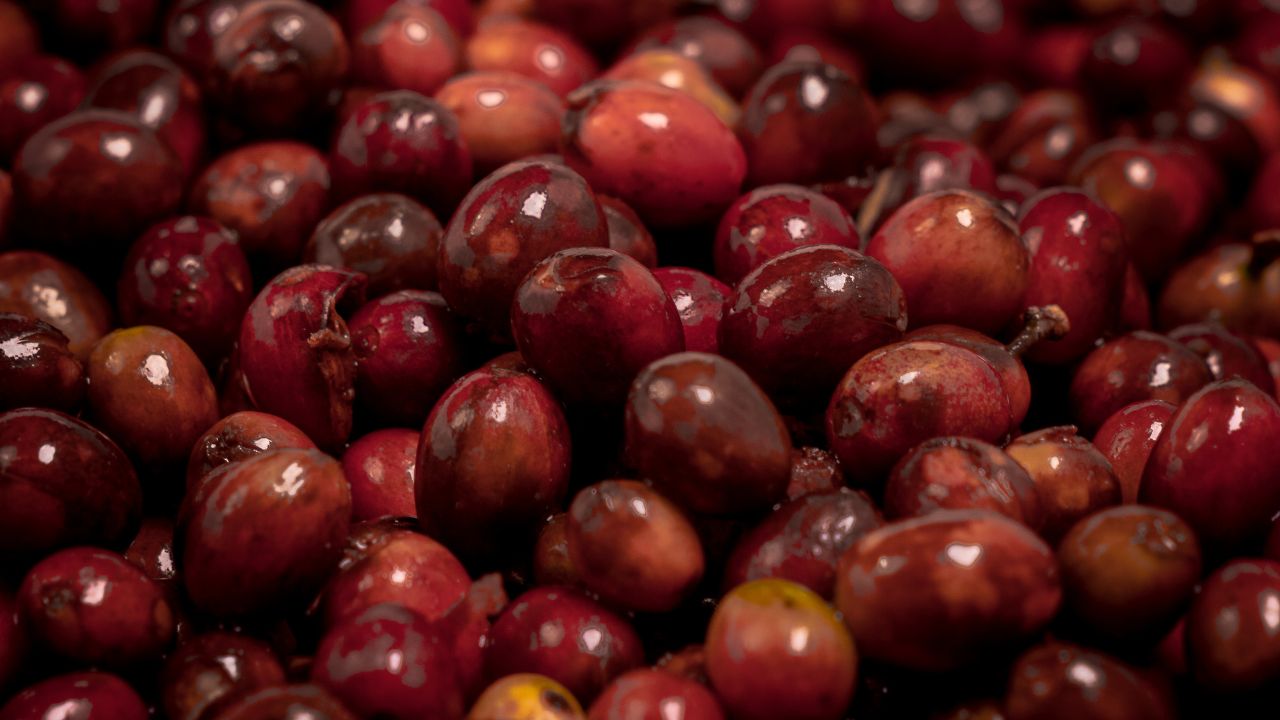
Challenges Across the Coffee Supply Chain
After harvest, coffee moves through a complex and sometimes unpredictable logistics network. Most coffee is grown in humid regions, often in developing countries, and passes through several hands before reaching the roaster.
Managing inventory is a challenge at every stage. The need for stability grows as more intermediaries get involved. Reliable, cost-effective supply chains depend on strong relationships and trust among everyone involved.
Macro-environmental factors increase these logistical hurdles, making a complete coffee supply chain risk assessment essential. Coffee producers face significant risks and uncertainty, including disease, heavy rain, and changing temperatures.
This is why coffee planning needs both careful sourcing and flexibility. Many businesses now spread their orders across regions to reduce disease and weather risk. Some roasters take a different approach, buying what is available and well-priced instead of locking in specific coffees ahead of time.
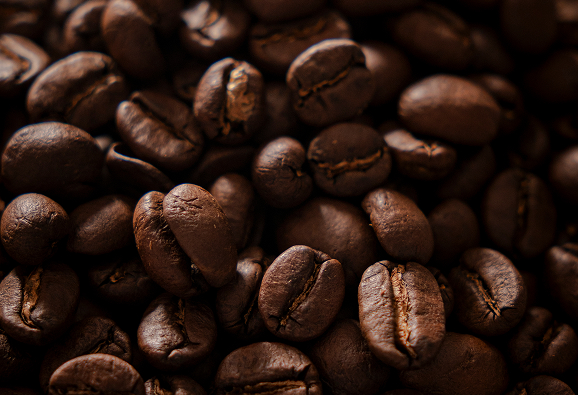
How Green Coffee Variability Impacts Roasting Performance
The physical and chemical differences in green coffee beans affect how they react during roasting. If a blend tastes right but cannot be made on time, it is not a workable option.
Factors such as the roaster used, batch size, yield, capacity, timing, transfers, and specific product needs affect whether you can execute a coffee recommendation.
Even with proper heat distribution and agitation, non-uniform beans entering the roaster will result in an uneven roast. Mixed screen sizes are a common cause of this inconsistency.
When a batch has many different bean sizes, smaller beans roast faster than larger ones under the same conditions. Larger beans need more energy to reach the same development. This often causes small beans to be properly developed or overdeveloped while large beans remain underdeveloped.
How Can Roasting Conditions Worsen Green Coffee Variation?
Uneven heat distribution worsens these problems. When the drum is overloaded, beans near the wall get more direct heat than those in the center, and airflow is limited. If the charge temperature is too high, beans touching the drum first darken quickly on the outside before heat spreads evenly, causing scorching and making the roast harder to control.
Lower-density beans and naturally processed coffees are more at risk because they are softer and respond more to heat. Insufficient stirring, slow drum speed, or hot spots in the roaster can also lead to uneven heat transfer.
When this happens, the coffee loses clarity in the cup. The flavors get mixed up, so you might taste sweetness from well-roasted beans along with grassy or sour notes from beans that did not roast enough. If the problem is worse, you might also notice flat, papery, or dull flavors if some beans stall during roasting.
What Is Charge Temperature?
Charge temperature is the temperature of the roaster when green coffee is first loaded into the drum. It influences how quickly heat transfers into the beans and plays a key role in achieving even roast development.
Reducing Variation Across the Coffee Supply Chain
Achieving batch-to-batch consistency requires proactive management at every stage of the supply chain. For roasters and buyers, several practices can help reduce variation and support more consistent roasting results:
| Source of Variation | What Can Be Done | Why It Matters |
| Bean size differences | Source well-graded green coffee with consistent screen sizes | Helps reduce uneven development during roasting |
| Moisture variation | Check moisture consistency before roasting | Helps beans respond more predictably to heat |
| Known moisture variability or natural processing | Use a lower charge temperature and more gradual first phase | Gives moisture more time to equalize before the Maillard reaction |
| Uneven heat transfer | Maintain equipment, use adequate agitation, and select appropriate batch sizes | Supports more uniform heat distribution |
These practices can help prevent scorching, promote even development, and support greater consistency across coffee lots.
How Bali Origins Supports Coffee Supply Chain Consistency
Managing lot-to-lot variation requires transparency and strict quality checks. Identifying causes of changes during post-harvest processing, logistics, and roasting helps buyers make informed choices to support their brand’s flavor.
Bali Origins provides premium Indonesian coffee beans, produced with structured post-harvest handling and managed by a certified processing team that ensures consistent quality control. Each lot is prepared to help specialty and wholesale buyers achieve reliable roasting results in international markets.
Getting a stable, high-quality product takes more than expecting uniformity. It requires a supplier who values clear post-harvest processes and traceable sourcing.
We invite you to speak with our sourcing team to learn more about our current harvest offerings and how we can align with your production goals. Contact Bali Origins to discuss current coffee availability, lot specifications and long-term B2B supply requirements.
Coffee Supply Chain FAQs
A. What Is the Coffee Supply Chain?
The coffee supply chain covers the journey from cultivation and harvesting through post-harvest processing, storage, transportation, roasting and distribution. Each stage influences the consistency and quality of the final product.
B. How Does the Coffee Supply Chain Work?
The coffee supply chain begins with coffee cultivation and harvesting, followed by processing, grading, storage, export, transportation, roasting, and distribution. Because coffee passes through multiple participants before reaching roasters, consistency depends on careful quality control and coordination throughout every stage.
C. Why Can Coffee from the Same Farm Taste Different?
Coffee from the same farm can produce different cup profiles because every lot is influenced by harvest conditions, processing methods, bean size, moisture content, storage, and handling. Even when the origin remains the same, these variables can change how coffee performs during roasting.
D. How Do Bean Size and Moisture Affect Coffee Consistency?
Uniform bean size and moisture content help coffee absorb heat evenly during roasting. When beans differ in size or moisture, they roast at different speeds, increasing the risk of uneven development and inconsistent flavor in the cup.
E. How Can Buyers Reduce Supply Chain Risks When Sourcing Coffee?
Buyers can reduce supply chain risks by sourcing from suppliers with structured quality control, consistent grading standards, traceable post-harvest processes, and diversified sourcing strategies. These practices help minimize quality variation caused by environmental, logistical, and processing differences.
F. How Does Bali Origins Deliver More Consistent Coffee Across Different Lots?
Bali Origins minimizes lot-to-lot variation through transparent traceability, structured post-harvest handling, and rigorous quality control managed by a certified processing team. By standardizing preparation before export, Bali Origins helps specialty roasters and wholesale buyers achieve more predictable roasting performance and consistent cup quality across shipments.