
Coffee cupping is the standardized method the specialty coffee industry uses to evaluate and compare coffees. For roasters and café owners sourcing green coffee, understanding how cupping scores work and what they measure can help make better buying decisions.
A cupping score gives you an idea of a coffee’s quality before you commit to a lot, but only if you know how to interpret it.
At Bali Origins, we evaluate every coffee we supply through cupping. We build our selection on sensory quality, not just origin or variety.
This guide explains how the SCA cupping system works, what the different score ranges mean for buyers, how each part of the coffee is evaluated, and what the newer CVA framework changes for buyers.
What Is Coffee Cupping?
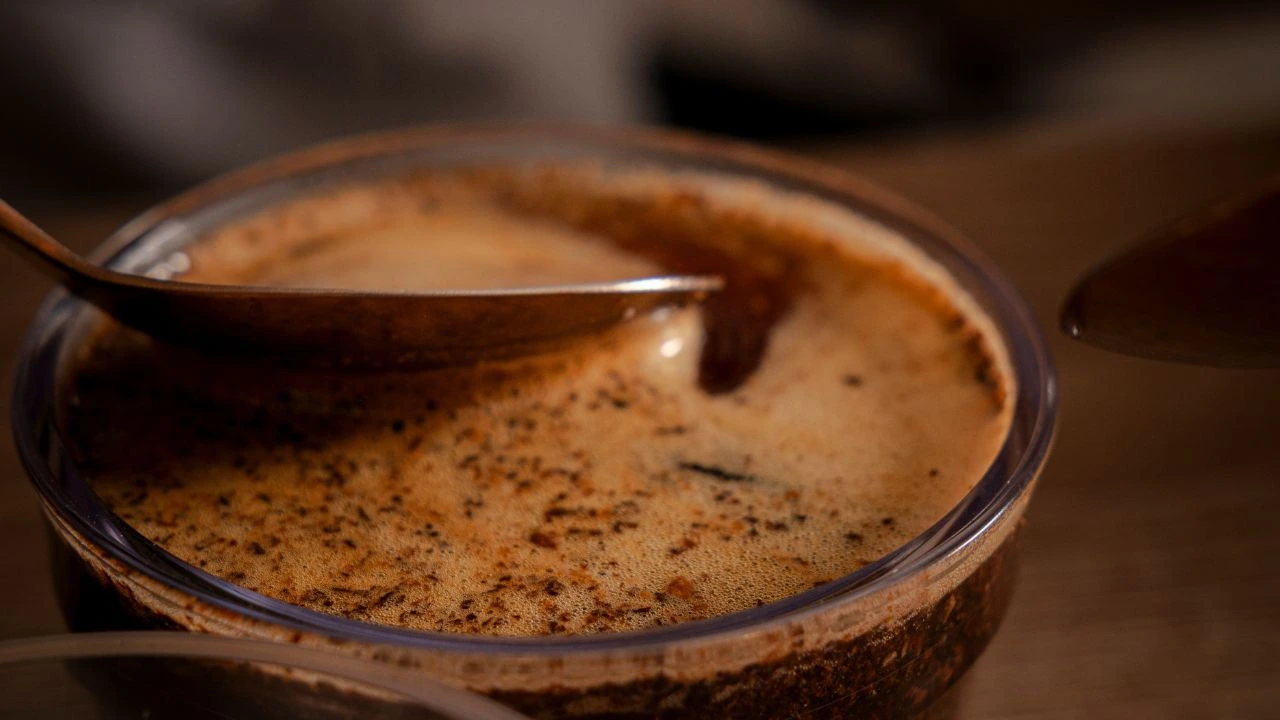
Cupping is a structured method professionals use to evaluate and score coffee’s sensory quality. This system enables fair comparison of coffees with different processing methods and harvest times.
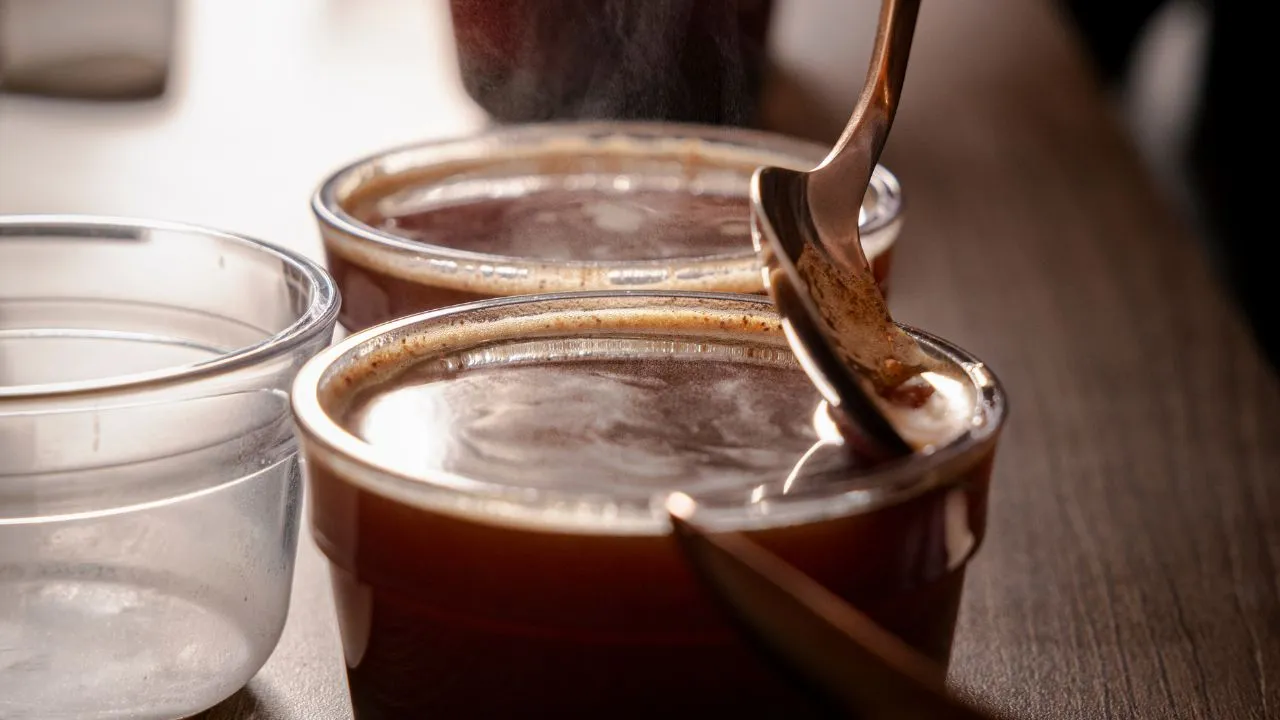
In a standard cupping procedure, tasters prepare each coffee sample in several cups, usually five. They assess each cup individually for aroma, fragrance, flavor, acidity, body, aftertaste, and sweetness as the coffee cools. During this process, tasters identify defects, inconsistencies, and positive characteristics within the coffee lot.
Cupping takes place throughout the supply chain. At the farm, it checks harvest quality. At the processing site, it makes sure the process is consistent. Importers and exporters use cupping to set the grade and price, while roasters rely on it to evaluate green coffee beans before purchase.
What Is a Coffee Lot?
A coffee lot is a specific batch of coffee that is harvested, processed, and managed together. Cupping scores apply to individual lots, not an entire farm or coffee origin.
The Traditional SCA 100-Point Scoring System
For many years, the coffee industry used the SCA’s 100-point cupping system as a common reference for evaluating coffee quality. The Specialty Coffee Association used a 100-point scale to evaluate coffee quality in ten areas. Seven are scored from 6 to 10 points, while uniformity, clean cup, and sweetness are assessed across five samples.
The three cup-by-cup categories each contribute up to 10 points:
- Uniformity evaluates whether all five cups taste consistent.
- Clean cup assesses if the cups are free from off-flavors or defects.
- Sweetness measures if any sweetness is perceptible in each cup.
Well-processed, high-quality coffee usually receives full marks in these three categories. Lower scores indicate processing defects or inconsistent fermentation.
The seven scaled attributes are each scored between 6 and 10 points:
- Fragrance and aroma: Fragrance refers to the smell of dry ground coffee before water is added. Aroma is the scent after infusion. Both are evaluated before breaking the crust.
- Flavor: The coffee’s main character, combining all taste and aroma sensations as the liquid passes over the palate.
- Aftertaste: The duration and quality of flavor that remains at the back of the palate after swallowing or expelling the coffee.
- Acidity: Positive acidity is described as brightness, while excessive acidity is considered sourness. Good acidity adds liveliness and a clean fruit character.
- Body: The tactile weight and texture of the coffee in the mouth, also known as mouthfeel.
- Balance: How well the various attributes work together. A balanced coffee has no single element that dominates or detracts from the others.
- Overall: The coffee’s overall quality, evaluated at the conclusion of the tasting.
Each of these seven categories is scored in 0.25-point increments. Specialty coffee usually scores between 7.25 and 9.00 in most categories, with 6 considered “good” and 9 “outstanding.”
A final deduction for taint or fault is applied if defects are found in individual cups. The deduction amount depends on the severity and number of cups affected.
Although traditional 100-point scores remain widely recognized and used within the coffee trade, the SCA formally adopted key components of its Coffee Value Assessment (CVA) as new cupping standards in 2024, replacing the organization’s 2004 cupping protocol and form.
This distinction is important when comparing coffee scores from different suppliers, evaluators, or periods.
How Traditional Cupping Scores Are Commonly Interpreted
Traditional cupping scores remain a familiar reference point throughout the coffee industry. They are commonly interpreted approximately as follows:
| SCA Score | Quality Tier | Typical Use | Characteristics |
| Below 70 | Defective | Rejected | Significant defects and poor cup quality |
| 70–79.75 | Commodity Grade | Commercial coffee | Clean but lacks distinctive character |
| 80–84.75 | Entry-Level Specialty | Blends, espresso programs | Consistent quality with simpler flavor profiles |
| 85–89.75 | Specialty Single Origin | Filter, premium menus | Distinct origin character and greater complexity |
| 90+ | Exceptional | Competitions, auctions | Rare coffees with outstanding clarity and complexity |
Coffee scoring below 80 is typically clean and drinkable but lacks regional character or complexity. Most mass-market coffees fall into this category.
Coffees scoring 80 to 84.75 points meet specialty standards and taste clean, but their flavors are simpler. These coffees work well in blends and for espresso in coffee shops focusing on consistency and value.
Coffees scoring 85 to 89.75 points are often sold as single-origin. These coffees have clear, positive flavors and are good enough to be featured on menus or retail packaging. Many Indonesian specialty coffees from well-managed estates with careful post-harvest handling are in this range.
Coffees scoring 90 points or higher are known for their complexity, clarity, and distinct character. Coffees scoring 90 points or above are relatively uncommon and are often associated with exceptional sensory characteristics and premium markets. Such beans usually fetch high prices at competitions and at auctions.
These score tiers help buyers set expectations for flavor, menu placement, and pricing when selecting coffees.
For most coffee shops, selecting a coffee that scores between 85 and 87 with clear traceability to Indonesia is a better option than buying an unscored coffee from the same region at a lower price.
How Origin and Processing Shape Cupping Scores
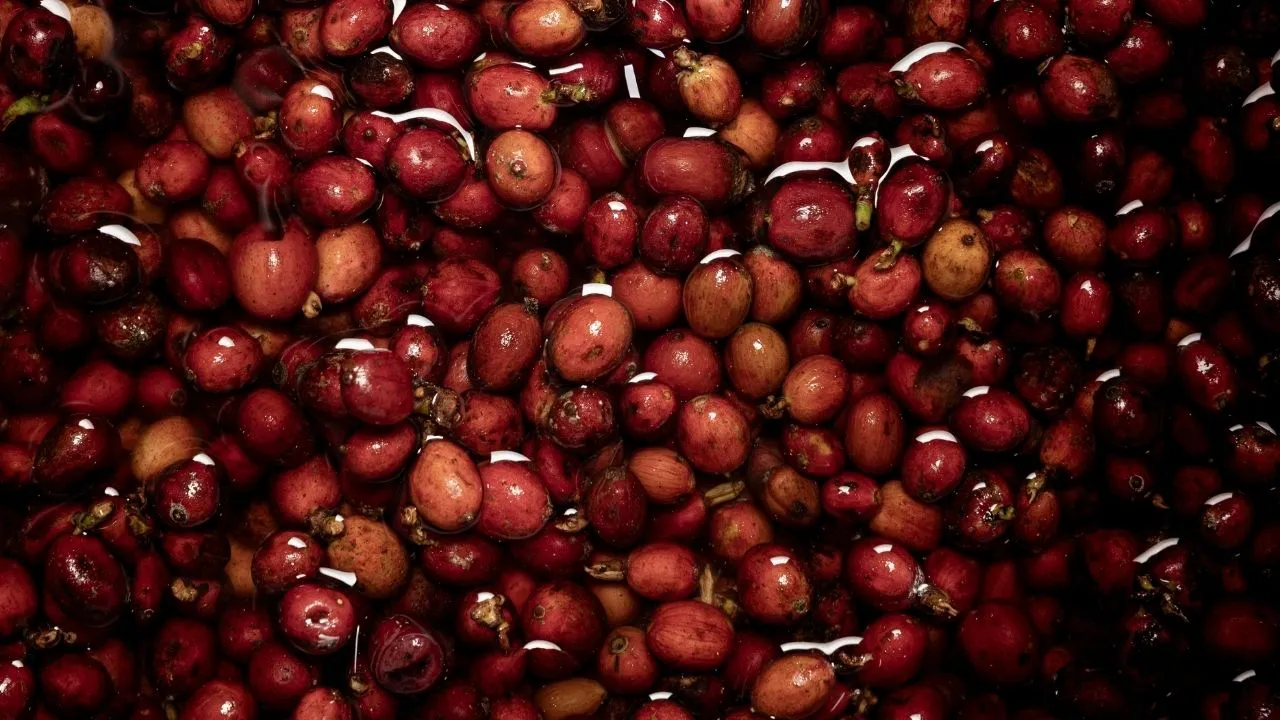
A cupping score shows how genetics, soil, climate, harvest timing, cherry selection, fermentation, drying, and milling shape coffee taste. Each step can improve or reduce the final cup.
For Indonesian coffee, the cupping score serves as a benchmark to help correct frequent inaccuracies in origin claims.
Indonesia provides excellent growing conditions, though coffee quality varies by region, producer, and processing method.
Cupping scores for Indonesian coffee reveal several important details:
- The clean cup score shows whether the wet-hulling process, common in Sumatra and shaping body and flavor, was done well or left unwanted earthy flavors.
- The acidity score shows the difference between bright, high-altitude Arabica from Flores and Bali and the lower-acidity Robusta grown in Java.
- The body score depends on the coffee variety and the post-harvest processing method. Wet-hulled coffees often have a heavier, more intense body.
- The uniformity score shows how consistent the cherry selection was during harvest. This serves as an early indicator of the farmers’ attention to detail and the strength of the cooperative’s quality control measures.
To better understand how processing works across the main growing regions, read our article on coffee production in Indonesia.
The SCA's Coffee Value Assessment: What Changed and Why It Matters
In 2024, the SCA introduced the Coffee Value Assessment (CVA) as a new coffee evaluation method. The CVA replaces the single 100-point form with four complementary assessment types: physical, descriptive, affective, and extrinsic.
Physical Assessment
Measures the quality of green coffee beans, such as moisture content, physical defects, color, and bean size.
Descriptive Assessment
Here, evaluators record what they taste in the cup using clear terms and rating scales, without making quality judgments.
For example, evaluators rate acidity by strength, not by taste. This makes results more reliable across evaluators and markets and reduces the subjectivity of older scoring systems.
Affective Assessment
At this stage, evaluators note personal or market preferences and assess eight attributes on a scale from 0 to 9. This indicates how well the coffee meets their standards or those of the target market.
The maximum score in this section is 72 points. For those who require the traditional 100-point scale, the SCA provides a conversion calculator.
Extrinsic Assessment
This section gathers additional information about the coffee, including origin, processing method, certifications, and traceability.
This formalizes the industry’s recognition that coffees with traceable origins, certifications, and single-farm provenance offer value beyond sensory scores.
A major change in the CVA is separating objective description from subjective evaluation. Previously, a score such as “Flavor 8.5” combined intensity, complexity, and personal preference. The CVA now clearly distinguishes between documenting an attribute’s intensity and assessing how much the evaluator values that attribute.
The CVA reduces personal bias associated with single scores and provides a clearer understanding of a coffee’s value and market position. With the CVA, scores from trained evaluators may differ from those assigned under the previous CQI system. A coffee that previously scored 84 may receive a different rating using the new method.
When comparing scores across sources or time periods, it is important to understand the evaluation framework applied.
What Is Sensory Evaluation?
Sensory evaluation is the process of assessing coffee using human senses such as smell, taste, and mouthfeel under standardized conditions. Because perception can vary between evaluators and tasting conditions, interpret sensory results alongside objective quality data.
What a Score Doesn't Tell You
A cupping score is a helpful indicator, but it does not fully capture a coffee’s value or its fit for your program.
A score reflects a single moment influenced by the evaluator, date, roast level, grind setting, and water temperature. The same coffee might get different scores depending on where and how it is tested.
Scores do not convey traceability, farm practices, or whether producers were paid fairly. Two coffees with identical scores may come from very different supply chains.
For café owners who value both sourcing integrity and brew quality, a score is only one of several factors to consider. A score makes it easier to compare coffee lots, set clear quality standards, and share expectations with suppliers and customers. When used well, it is a useful tool for buying decisions.
Source Indonesian Specialty Coffee with Documented Quality from Bali Origins
At Bali Origins, we evaluate coffee lots through structured quality control and sensory assessment alongside careful sourcing and post-harvest handling. Our focus is on delivering consistent Indonesian coffee for B2B partners that require reliable quality and supply. Offerings range from clean, approachable single origins to exceptional regional lots ideal for standout menus.
We partner with roasters and café owners who value traceable and responsibly sourced coffee. If you are looking for Indonesian specialty green coffee with complete quality records, we would be glad to discuss our available options. Contact us today to request samples or start a sourcing conversation.
Coffee Cupping and SCA Scores FAQs
A. What Does an SCA Score Mean?
An SCA score is a total quality rating on a 100-point scale based on evaluations of ten attributes: fragrance, flavor, acidity, body, aftertaste, balance, uniformity, clean cup, sweetness, and overall impression. Coffees scoring 80 and above are considered specialty grade.
B. What Is a Good Cupping Score for Specialty Coffee?
Traditionally, coffees scoring 80 points or above on the SCA's 100-point scale have been classified as specialty coffee. Under the SCA's current framework, however, specialty coffee is understood more broadly through the distinctive attributes that create additional value in the marketplace.
C. What Is the SCA Coffee Value Assessment?
The CVA is the SCA's updated evaluation framework introduced in 2024. It replaces the single 100-point form with four assessment types: physical, descriptive, affective, and extrinsic. It separates objective description of a coffee's attributes from subjective quality judgments.
D. How Do Cupping Scores Apply to Indonesian Coffee?
Indonesian coffee varies significantly in quality by origin and processing method. A verified cupping score from a specific lot is one of the most reliable ways to evaluate whether a particular Indonesian coffee meets your quality threshold before purchasing.
E. Does Bali Origins Provide Cupping Scores for Their Coffee?
Yes. We evaluate our lots through the cupping process at origin and provide quality documentation to buyers. Contact us to learn more about available lots and scoring information.