
Coffee roasters are essential to the Indonesian coffee industry. They source coffee beans from various regions, including Java, Bali, and Lombok, each producing distinctive flavors influenced by local soil, climate, and post-harvest handling.
To compete globally, coffee roasters must master roasting techniques and understand the unique qualities of each green coffee bean. Origin, processing, and quality control influence the roasting results and final flavor.
In this article, we will explore the factors that set Indonesian coffee roasters apart, focusing on how they use diverse coffee origins and innovative processing methods to deliver consistent quality and shape their role in the global coffee market.
The Role of Coffee Roasters in Indonesia’s Coffee Industry
Indonesia ranks fourth among the world’s coffee producers. Coffee roasters link local farmers to global buyers by transforming harvested beans into high-quality coffee for the market.
Roasters help bring out the unique flavors in Indonesian coffee by carefully managing light, medium, and dark roasts.
To produce high-quality coffee, roasters need to understand how each bean’s structure and origin affect the final cup.
In Indonesia, beans can differ widely depending on where and how they are grown and processed. Roasters must:
- Adjust roast profiles to match the density and moisture of each batch of beans
- Control heat carefully to develop flavors while keeping the unique qualities of each origin
- Maintaining consistency across batches despite variability in raw materials
Indonesian coffee roasters are building their reputation by connecting with international partners. They export roasted beans, as well as unique local products such as kopi susu and palm sugar blends.
At the supply chain level, coffee roasters in several Indonesian urban centers are beginning to use blockchain-based traceability. This lets them verify origin and market a compelling narrative to consumers and B2B buyers who demand transparency.
A roast profile is a planned set of temperature, time, and heat adjustments used during roasting. It determines how flavors develop and how the final coffee will taste.
Coffee Origin and Its Impact on Roasting
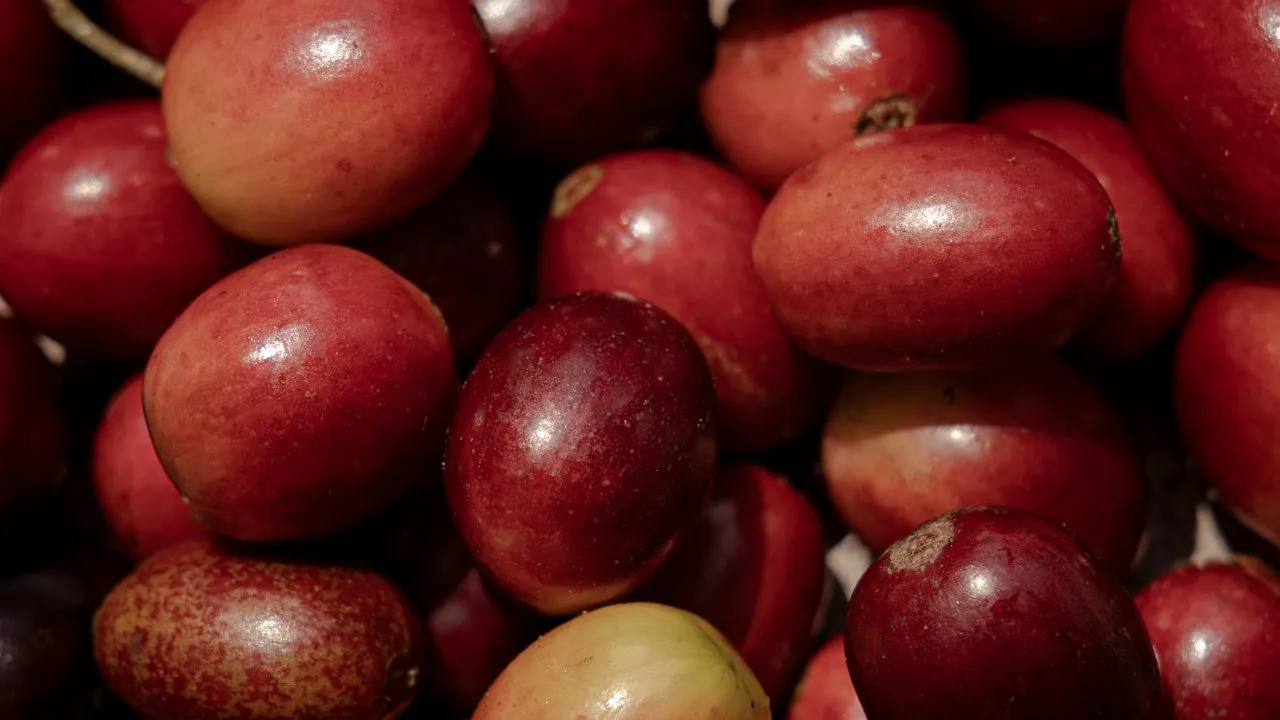
The geographical origin of a coffee bean is a major factor in determining its flavor profile. Each region produces coffee with distinct characteristics that influence roasting behavior and flavor development.
In regions such as Java and Bali, volcanic soil and high mountains help produce coffee with earthy, spicy, citrus, and chocolate-like aromas.
Each coffee origin needs a specific roasting method to highlight its best qualities and maintain consistency. Even a slight change in temperature can affect the flavor.
Light roasts keep the coffee’s natural flavors, highlighting its acidity and soft floral or fruit notes. Medium roasts balance these with sweeter flavors like caramel and chocolate.
Dark roasts cover the coffee’s original character and bring out strong, bold flavors from the roasting process.
To better understand how coffee origin shapes quality and consistency during roasting, explore our guide on its impact on production and supply.
What Sets Indonesian Coffee Roasters Apart
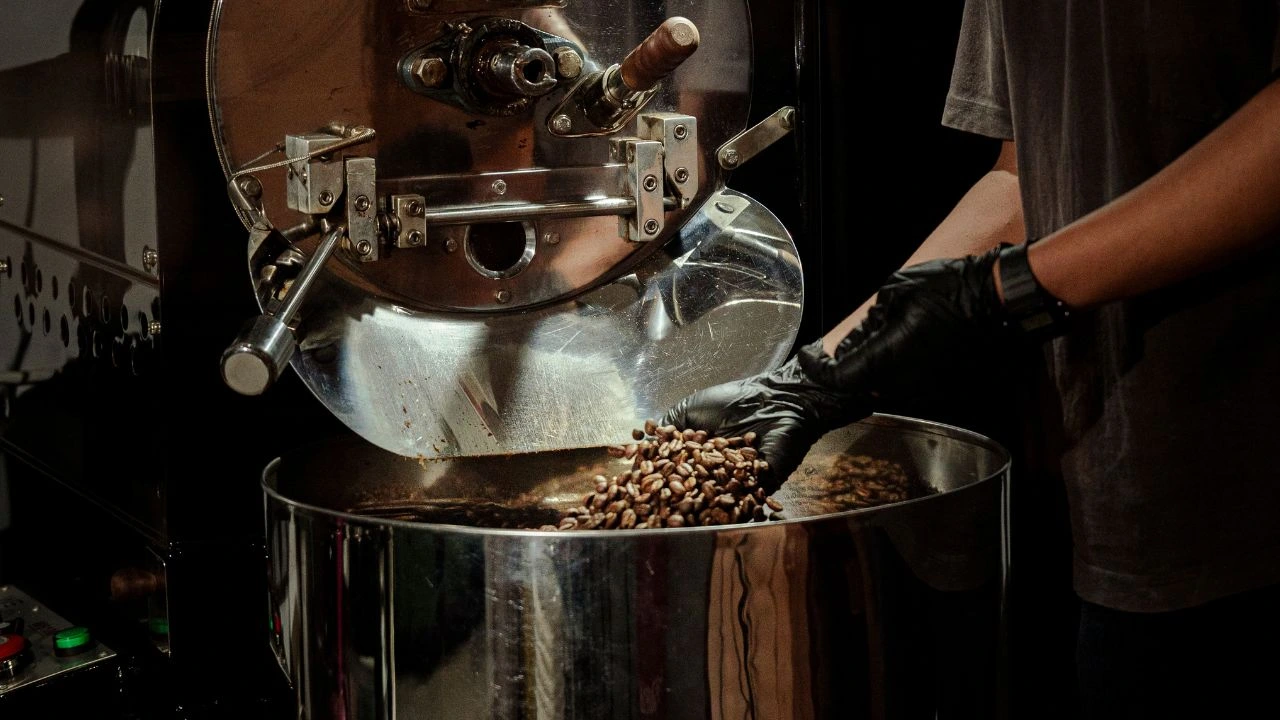
Indonesian coffee roasters are recognized in the global market for several strengths closely tied to the coffee ecosystem. These factors include:
1. Direct Access to a Wide Range of Coffee Origins
Indonesian coffee roasters benefit from direct access to some of the world’s most sought-after beans. For example, Indonesian Arabica is highly valued in the United States specialty coffee market.
Indonesian roasters can source coffee beans with a wider range of flavor profiles. This proximity lets them maintain quality control throughout production.
2. Preserving the Character of Each Region
Indonesian coffee roasters combine tradition with modern innovation. Roasting methods are often adapted to preserve regional identity.
This helps keep Indonesian coffee true to its roots, while also meeting the consistency that specialty buyers expect.
3. Expertise in Different Processing Methods
The different characteristics of Indonesian coffee beans require roasters to explore processing techniques to achieve desired flavor profiles.
4. Balancing Body and Complexity
Many Indonesian coffees have a strong structure, making them a good choice for both blends and single-origin offerings.
5. Supporting Local Farming Communities
Indonesian coffee roasters work directly with farming communities to encourage sustainable agricultural methods, including organic farming and environmentally friendly processing.
This close partnership helps maintain high coffee quality and supports the sustainability of local communities.
A coffee blend is a combination of beans from different origins used to create a balanced and consistent flavor profile.
Processing and Its Influence on Roasting Quality
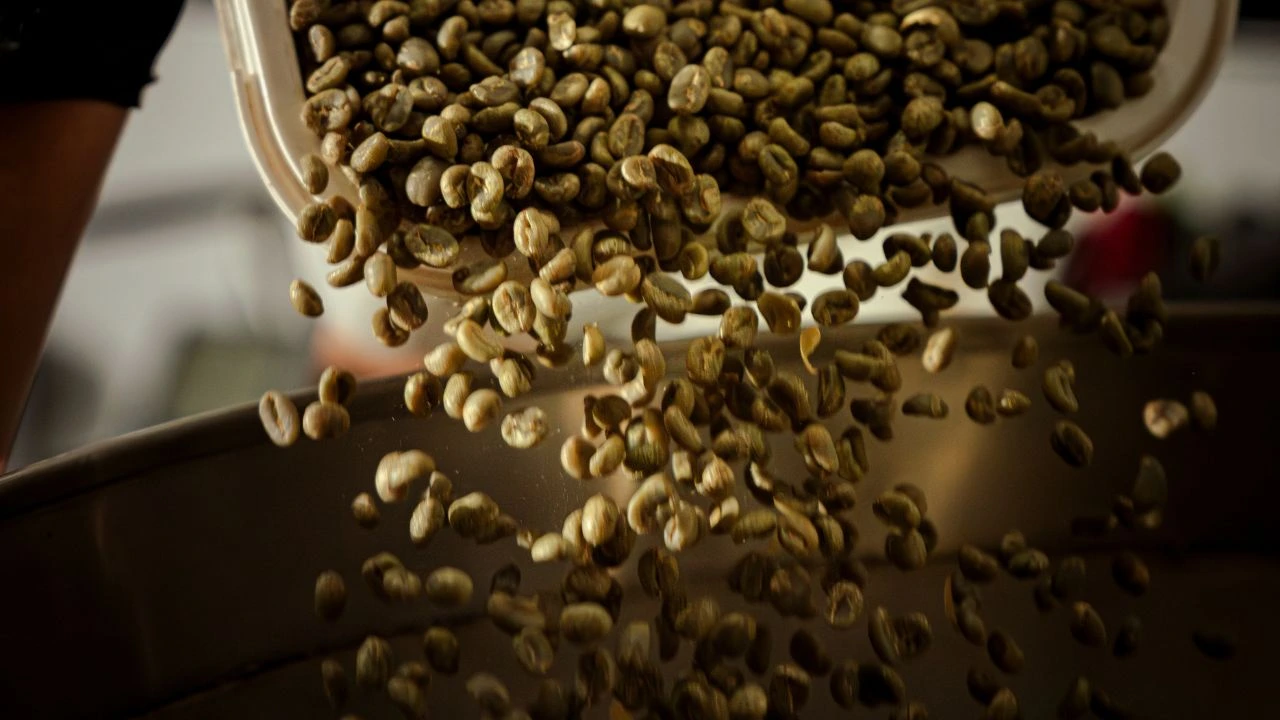
The way coffee is processed and handled after harvest shapes the beans’ qualities and how they react during roasting.
Several important processing factors can influence how coffee roasts:
- Moisture stability affects heat transfer during roasting.
- Bean density affects how quickly coffee absorbs heat.
- Sugar content influences caramelization and flavor development.
- Uniformity helps achieve consistent roasting results.
Without structured processing, even high-quality coffee often yields inconsistent roasting results.
At this stage, Bali Origins works closely with trusted plantations and uses a clear system for processing, drying, and roasting. This careful approach keeps our green coffee bean consistent and helps buyers achieve reliable results, batch after batch.
Uniformity refers to how similar coffee beans are in size, density, and moisture. High uniformity helps achieve even roasting and consistent flavor.
The Connection Between Processing, Roasting, and Market Expectations
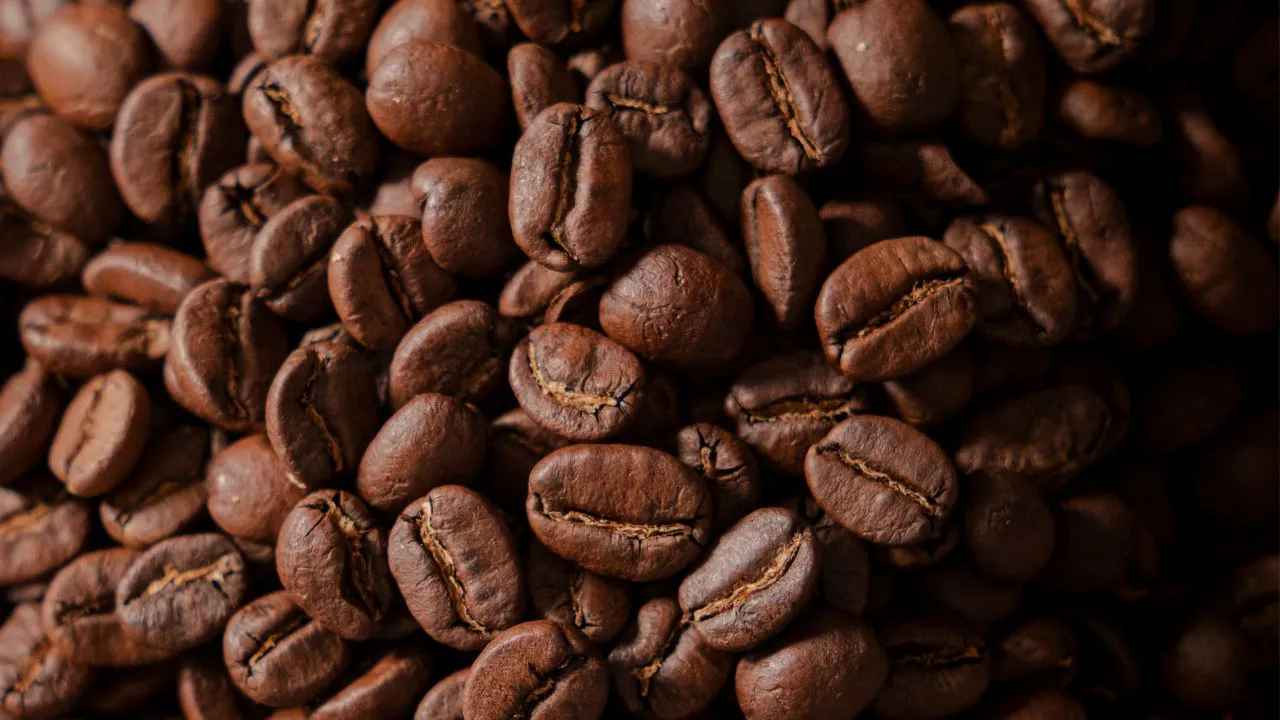
The global specialty coffee industry depends on a strong relationship between farm-level processing, roasting expertise, and buyer demands. Beyond unique flavors, buyers value reliability and consistency.
A Specialty Coffee Association report finds that sustainability is an increasingly important factor in consumer purchasing decisions, especially in specialty coffee markets.
Roasters must ensure transparency in sourcing and maintain quality control across the supply chain.
Three things are essential to succeed in the global market:
- Origin characteristics, which influence coffee’s flavor
- Processing methods, which ensure consistent quality and prepare coffee for roasting
- Roasting techniques, which develop and refine the final flavor profile
Coffee roasters rely on well-prepared green coffee beans to achieve consistent results. Buyers expect roasters to provide coffee that meets high standards for quality, transparency, and environmental care.
Supply chain transparency refers to clear visibility into where coffee comes from and how it is handled throughout the production process. It helps buyers verify quality and sourcing practices.
Bringing Indonesian Coffee to Global Markets with Consistency
In Indonesia, coffee roasters operate within a system in which both the origin and processing method directly affect the final product.
To meet global standards, every step matters. From choosing the right plantation to handling cherries after harvest and preparing for roasting, each stage shapes quality.
Consistency comes from organized processing, steady green coffee bean preparation, and a coordinated supply system. This delivers dependable results for different roast profiles and commercial requirements.
Bali Origins works closely with select plantations and uses a structured system for processing and roasting. This helps deliver consistent flavor and a dependable supply for global buyers.
Indonesian coffee exporters depend on partners who coordinate origin, processing, and roasting to maintain consistent quality across batches.
Bali Origins provides an integrated system for long-term B2B supply and a scalable coffee program. Contact us to learn more or discuss partnership opportunities.
Coffee Roaster FAQs
What Do Coffee Roasters Do?
Coffee roasters transform green coffee beans into roasted coffee by applying controlled heat. This process develops aroma, body, and flavor, allowing the coffee’s origin characteristics to be expressed in the final cup. Roasters must adjust their approach based on each bean’s structure, moisture, and origin.
Why Are Coffee Roasters Important in the Coffee Industry?
Coffee roasters connect coffee producers with global markets. They play a key role in shaping flavor, ensuring quality, and delivering consistent products for both specialty and commercial use. Their work determines how coffee performs in brewing and consumption.
How Do Coffee Roasters Influence Flavor Profiles?
Coffee roasters influence flavor by controlling roast level, heat application, and development time. Light roasts preserve acidity and origin clarity, medium roasts balance sweetness and body, and dark roasts emphasize bold, roast-driven characteristics.
How Does Coffee Origin Affect Coffee Roasters’ Decisions?
Coffee origin determines bean density, moisture content, and flavor potential. Roasters must adjust roasting profiles to match these characteristics, as even small changes in temperature can significantly affect the final flavor.
What Sets Indonesian Coffee Roasters Apart in Global Markets?
Indonesian coffee roasters stand out for their direct access to diverse coffee origins, their ability to preserve regional flavor identities, and their expertise in handling a range of processing methods. These strengths allow them to produce coffee that meets both specialty and commercial standards.
Why Is Processing Important for Coffee Roasters?
Processing affects moisture, density, sugar content, and uniformity, all of which influence how beans behave during roasting. Without controlled processing, even high-quality coffee can yield inconsistent roast profiles.
How Do Coffee Roasters Adjust for Different Processing Methods?
Roasters modify heat application and roasting time depending on the processing method. Beans with higher sugar content, such as naturally processed coffee, require careful control to avoid uneven roasting, while washed coffees tend to be more predictable.
What Technologies Are Coffee Roasters Using Today?
Some coffee roasters use digital tools and blockchain-based traceability systems to verify origin and improve transparency. These systems help meet growing demand for traceable and accountable coffee sourcing in global markets.
What Do Buyers Expect from Professional Coffee Roasters?
Buyers expect coffee roasters to deliver consistent flavor, reliable quality, and transparent sourcing. In global markets, roasters must meet standards for traceability, sustainability, and scalability while maintaining product performance.
How Does Bali Origins Support Coffee Roasters and Global Buyers?
Bali Origins works with selected plantations and applies structured processing, drying, roasting, and packaging systems. This integrated approach ensures stable green coffee preparation and consistent roasting performance, supporting long-term B2B supply and scalable coffee programs.