
Coffee acidity is the bright, lively quality that gives a cup its crisp, juicy, or fruity character. Although important in coffee cupping, it is often confused with sourness or pH. For commercial buyers, understanding what affects acidity helps choose coffees that match customer preferences.
This article explains the acids behind coffee acidity and how origin, ripeness, processing, roasting, and brewing influence its expression in the cup.
At Bali Origins, we produce premium Indonesian green and roasted coffee beans through structured sourcing, controlled post-harvest handling and quality control. These processes help manage unwanted variation and support more consistent product characteristics for B2B buyers.
What Is Coffee Acidity?
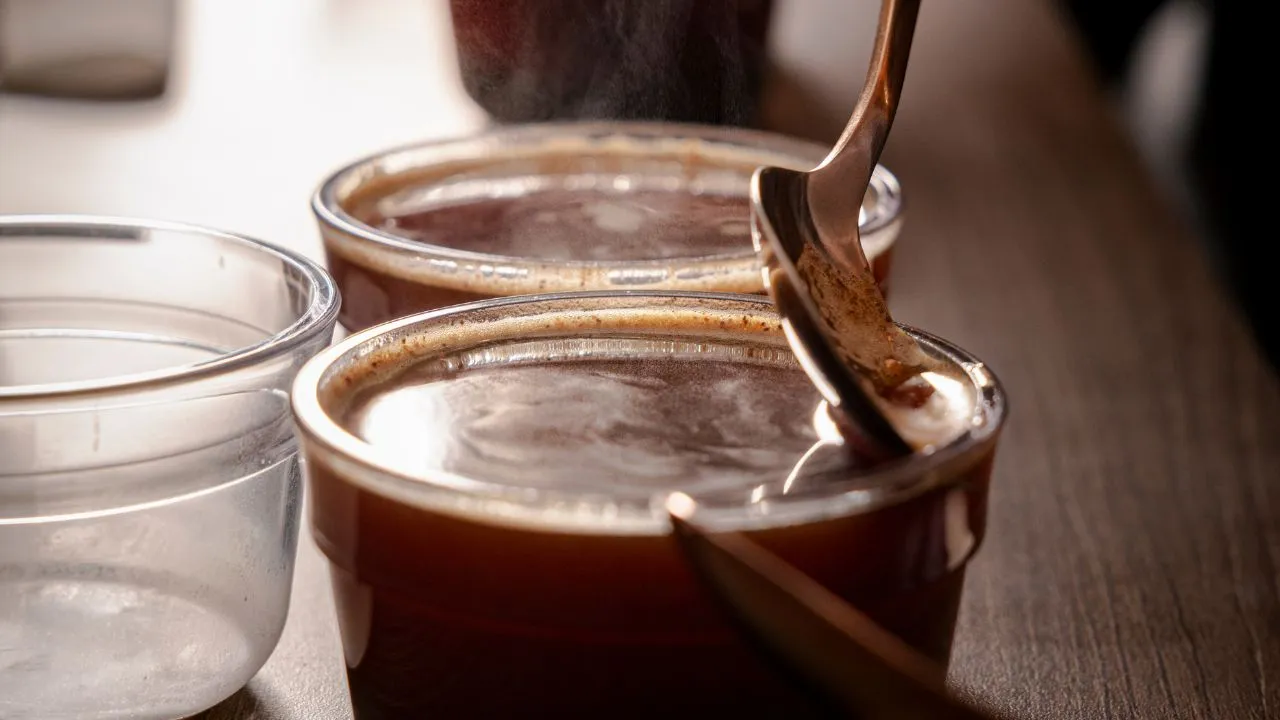
In coffee, acidity means brightness, liveliness, and fruity character in the cup. It brings notes like green apple, citrus, red grape, and stone fruit. When acidity balances sweetness and body, the coffee tastes crisp, juicy, and expressive. Too much sourness makes the coffee taste sharp and unbalanced. Too little acidity can make coffee taste flat or dull.
Coffee acidity is different from pH. Brewed coffee is mildly acidic, but pH alone does not explain how bright or sour it tastes. Coffees with the same pH can taste very different because the mix of organic acids, sugars, and other compounds affects flavor.
This difference matters in the coffee business. When buyers ask for low-acidity coffee, they usually want a smoother, rounder flavor, not a specific pH level. Coffee selection, processing, and roasting all influence this experience.
Which Acids Shape Coffee Flavor?
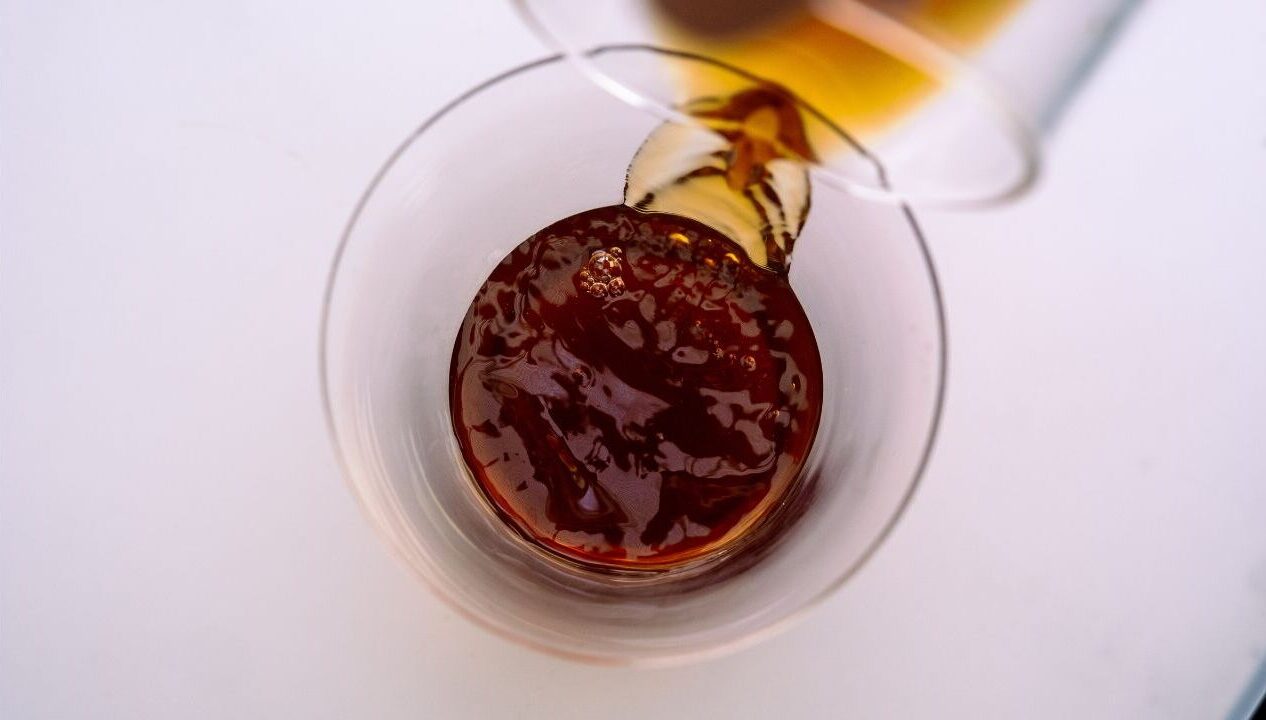
Coffee contains several organic acids that shape its sensory profile.
- Citric acid: Associated with lemon, orange, and grapefruit, it adds a bright, lively character to many coffees.
- Malic acid: Linked to flavors like green apple, pear, and stone fruit. It gives coffee a crisp, clean feel.
- Tartaric acid: Associated with grape and wine-like notes, it enhances fruit character but can taste sharp if not well balanced.
- Phosphoric acid: Contributes a sparkling quality that makes the cup feel especially lively.
- Acetic acid: At high levels, it produces vinegar-like sharpness, which can signal problems during post-harvest handling.
- Chlorogenic acids: These compounds break down during roasting into quinic and caffeic acids, contributing to bitterness and other roast-related characteristics.
The balance of these acids determines whether coffee tastes juicy and bright or sharp and sour. Growing conditions influence the initial chemical composition, while processing and roasting shape how these characteristics develop in the cup.
What Are Organic Acids?
Organic acids are naturally occurring compounds that contribute to coffee’s flavor and acidity. Different acids create different sensory impressions, from citrus-like brightness and crisp apple notes to sharper, vinegar-like flavors.
What Shapes Coffee Acidity Before Processing?
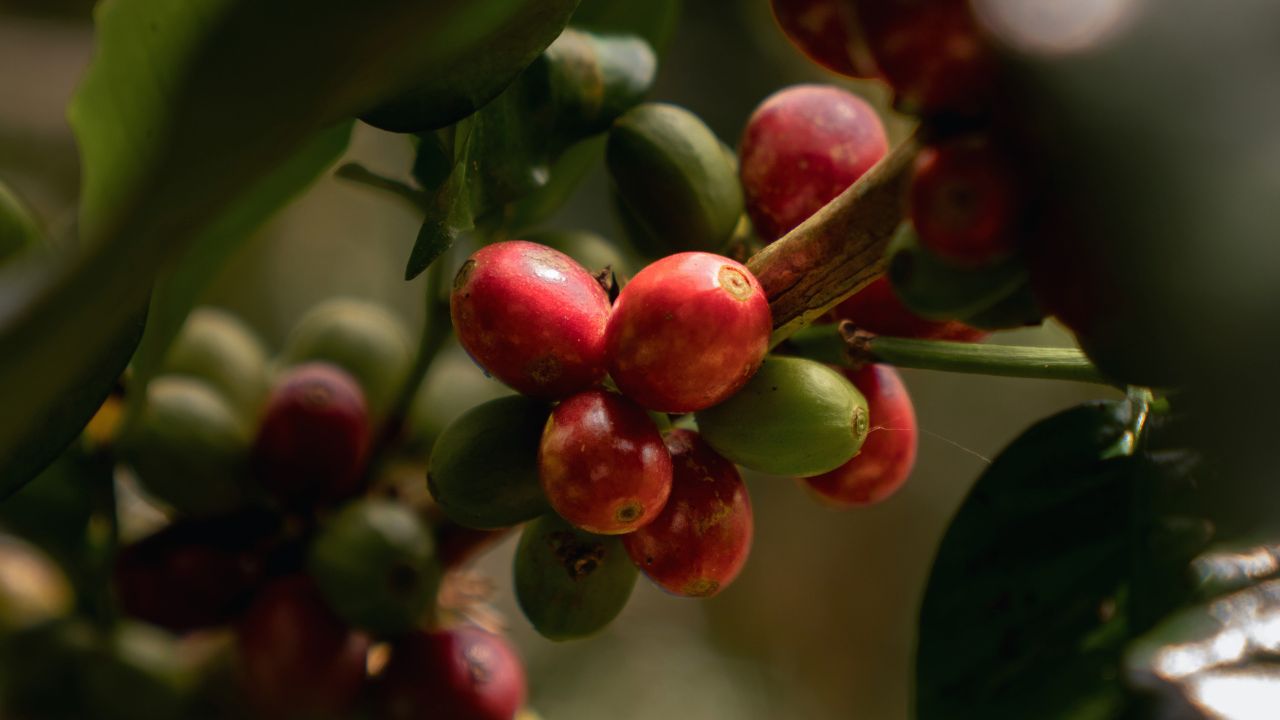
Processing and roasting affect acidity, but coffee cherry growth sets the foundation. Variety, elevation, climate, origin, and ripeness determine the coffee’s initial flavor.
Variety
Genetics shape coffee’s composition and sensory traits. Arabica often tastes more acidic, while Robusta is usually stronger and more bitter because it has more caffeine. Each variety also brings its own fruit, floral, or citrus flavors.
Elevation and Climate
Cooler temperatures at higher elevations slow cherry development and affect sugar and compound accumulation in the seed. High-grown coffees often have bright acidity and complex flavors.
Origin
Different regions produce unique flavors. Kenyan and Ethiopian coffees often have bright, fruity acidity. Indonesian coffees display diverse acidity profiles depending on their growing region, coffee type and processing method. Some have softer perceived acidity and fuller body, while others offer bright, clearly defined acidity.
Ripeness
Harvest maturity strongly affects the balance between acidity and sweetness. Ripe cherries provide a strong base for balanced flavor. Underripe cherries can produce sharp, grassy, or astringent notes. Overripe cherries can add heavy, muddy, or overly sharp fruit notes.
Careful cherry selection is essential for processors. Processing can improve coffee qualities, but good raw material still matters most.
What Is Astringency?
Astringency is a drying or puckering sensation in the mouth, similar to the feeling strong tea can cause. In coffee, it can make the cup feel rough rather than smooth.
How Does Processing Influence Coffee Acidity?
Processing influences perceived acidity by changing how the coffee fruit is handled before and during drying. Methods differ in fruit retention, mucilage removal, and drying conditions.
| Processing Method | Influence on Acidity | Typical Cup Profile |
| Washed | Removing mucilage before drying often highlights acidity and flavor clarity. | Clean, bright, with defined citrus or apple notes. |
| Honey | Retaining mucilage during drying can add sweetness and a more rounded acidity profile. | Sweet, balanced, with rounded body. |
| Natural | Drying the whole cherry often emphasizes fruit character and sweetness alongside acidity. | Fruity, sweet, with fuller body and softer perceived acidity. |
| Wet-hulled | Early parchment removal and the drying method contribute to its characteristic flavor profile. | Full-bodied, earthy or herbal, with softer perceived acidity. |
| Anaerobic | A controlled low-oxygen stage can shape the acid profile and intensify fruit character. | Pronounced fruit notes with complex, sometimes wine-like acidity. |
Which Processing Controls Help Maintain Balanced Acidity?
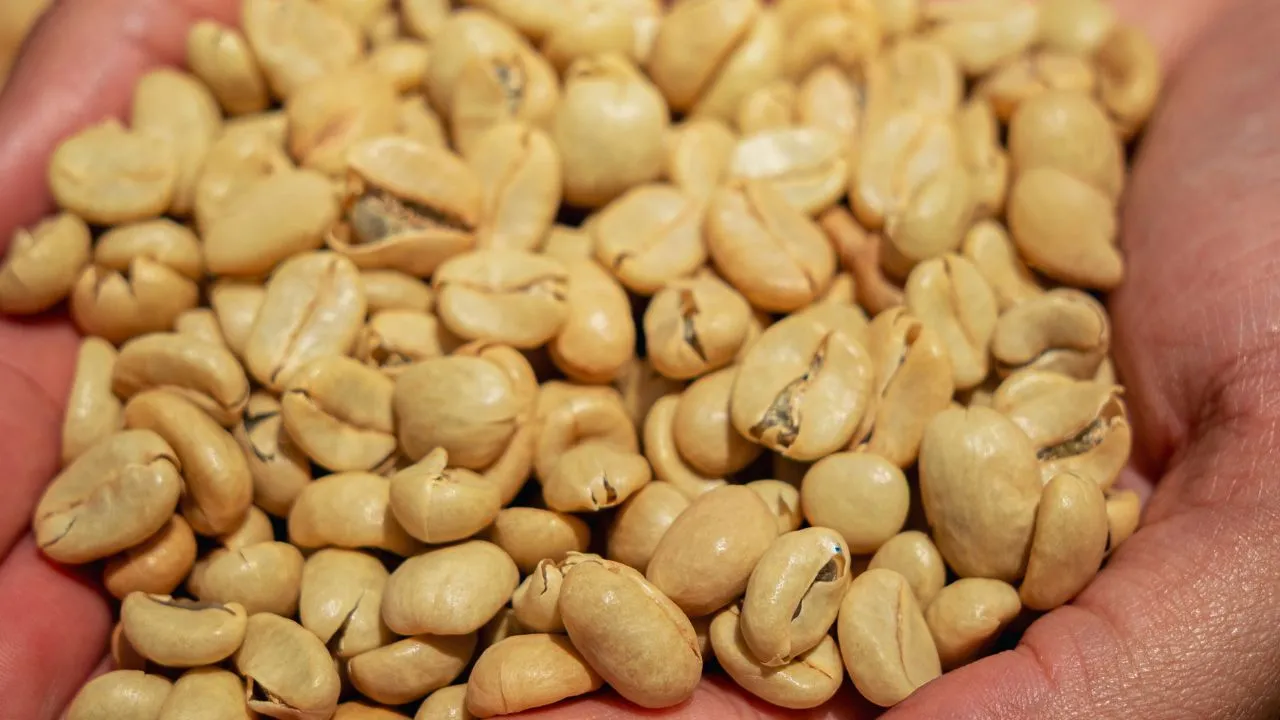
The processing method defines the approach, while daily controls ensure the desired profile is maintained.
- Processing time: The time in the tanks changes the conditions inside. If these are not well controlled, the coffee can become too sharp or develop unwanted sour flavors.
- Cleanliness: Clean tanks, channels, tools, and drying surfaces help prevent contamination and unwanted flavors.
- Drying consistency: Even drying maintains quality and storage stability. Uneven drying causes inconsistent moisture and undesirable cup characteristics.
- Cherry sorting: Removing underripe, overripe, and damaged cherries reduces defects that can disrupt sweetness and acidity.
These controls are especially important for commercial lots, where the flavor profile needs to stay consistent from processing to delivery.
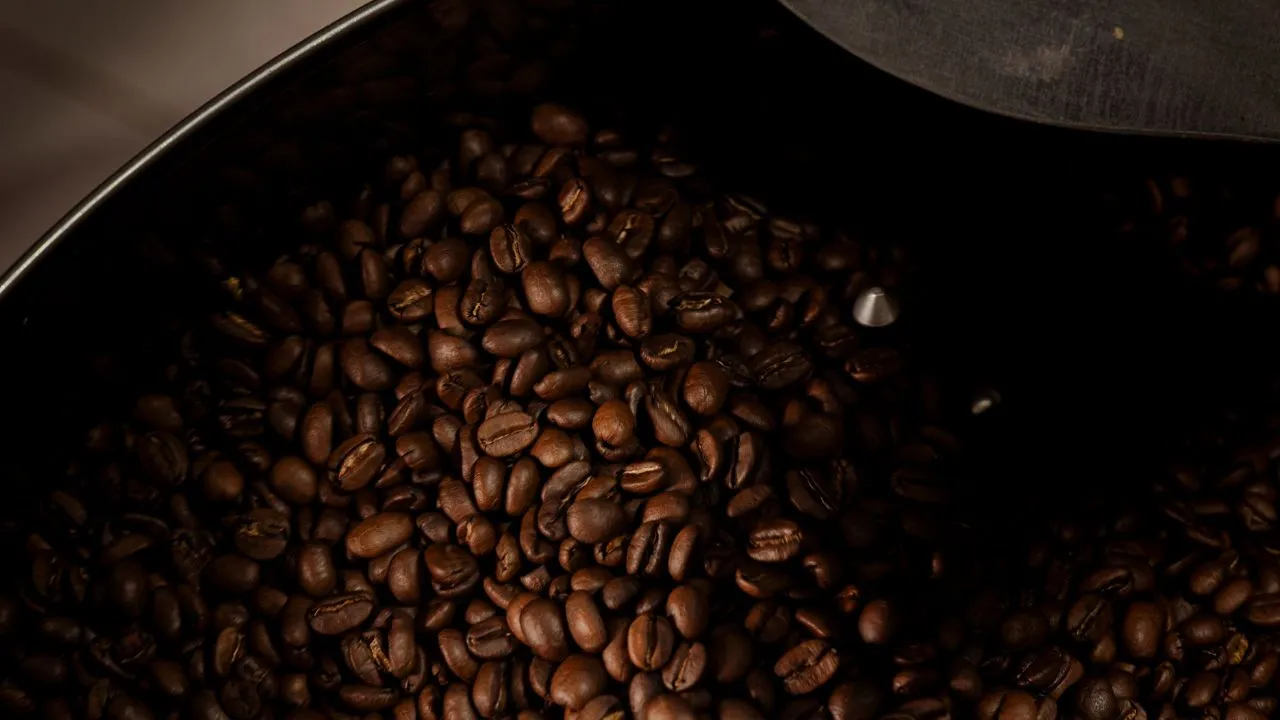
How Do Roasting and Brewing Change Perceived Acidity?
Roasting strongly shapes how acidity shows up in the cup. As the roast darkens, the types of acids change, and browning and roasting flavors become stronger.
Lighter roasts typically retain more of the coffee’s origin character and brightness. Citrus, apple, and floral notes remain distinct when the green coffee has an appropriate flavor profile.
Medium roasts balance acidity, sweetness, body, and caramel-like notes. They are ideal for a rounded cup that maintains some fruit clarity.
Darker roasts reduce perceived brightness and highlight bitter, chocolatey, smoky, and roasted notes. More roast development breaks down chlorogenic acids, increasing bitterness.
Brewing also shapes perceived acidity. Extraction determines the balance of sourness, sweetness, bitterness, and body. Under-extracted coffee often tastes sharply sour because it lacks sweetness and flavor. Adjusting grind size, water temperature, brew ratio, or contact time can help produce a more balanced cup.
Cold brew typically tastes smoother and less sharp than hot coffee from the same beans. Different brewing conditions change extraction. Perceived acidity reflects both the coffee and its roasting and brewing methods.
Understanding roast levels helps you choose the right balance of acidity, sweetness, and bitterness for your preferred cup. Explore our guide to learn how roasting shapes coffee flavor and body.
What Coffee Acidity Means for Commercial Buyers
No single acidity level is perfect for coffee. The optimal profile depends on the product’s intended use and the target customer’s preferences.
For specialty filter and single-origin coffees, clean, bright acidity highlights citrus, apple, berry, and floral flavors. Washed coffees and lighter roasts typically deliver these profiles.
For espresso and milk-based drinks, balanced acidity pairs well with sweetness and body. Honey, natural, and wet-hulled coffees can suit these needs.
Coffees with softer acidity and fuller body suit customers who enjoy smooth, rounded cups. Many Indonesian coffees fit this profile.
When sourcing, buyers should use sensory terms to describe acidity, such as bright and citrusy, crisp and fruit-forward, or soft and rounded. These descriptions provide processors and roasters with clearer targets than general requests for high- or low-acidity coffee.
Sourcing Coffee With the Right Acidity Profile
Acidity shapes how coffee tastes in the cup. Managing it starts with choosing the right cherries and continues through processing, drying, roasting, and quality checks. Setting a clear target profile and maintaining steady quality control helps preserve the qualities that make coffee valuable for your business.
At Bali Origins, we process premium coffee beans from trusted plantations in Bali and Lombok. Our certified team applies controlled methods and quality checkpoints from cherry intake to drying and cupping. This ensures consistent flavor profiles and reliable wholesale supply for our B2B partners.
If you are sourcing coffee for a specific acidity profile, contact the Bali Origins team to discuss your requirements and available lots.
Coffee Acidity FAQs
A. What is coffee acidity?
Coffee acidity is the bright, lively quality in the cup, often tasting like citrus, apple, grape, or stone fruit. In cupping, it refers to perceived flavor rather than the coffee's chemical pH.
B. Is acidity in coffee a good thing?
Yes. Balanced acidity adds clarity, liveliness, and fruit character, helping keep sweetness from tasting heavy. When sourness dominates, the cup can taste sharp and unbalanced.
C. Which processing method produces the most acidity?
Washed processing often produces the clearest expression of acidity because it removes the mucilage before drying. Natural, honey, and wet-hulled coffees often show fuller body or rounder profiles, but final acidity also depends on the coffee's origin, variety, ripeness, and processing controls.
D. Does dark roast coffee have less acidity?
Generally, yes. Darker roasting reduces many organic acids associated with brightness and emphasizes roasted, bitter, chocolate-like flavors.
E. Is low-acid coffee easier on the stomach?
Some people with acid reflux or a sensitive stomach find certain coffees more comfortable to drink than others. Roast level, brewing method, and caffeine content can also affect how individuals respond.
F. Why are Indonesian coffees known for low acidity?
Many Indonesian coffees combine growing conditions and processing methods, especially wet hulling, that favor full body and deep sweetness over bright acidity. Washed Indonesian coffees can also display bright, clearly defined acidity.