
Honey process coffee retains some sticky mucilage around the bean after removing the skin and pulp. In Bali Kintamani, producers use honey processing alongside washed and natural methods. This gives coffee buyers another option to shape sweetness, body, and cup profile.
At Bali Origins, we process premium Indonesian coffee beans for B2B partners seeking consistent quality and unique cup profiles. Our certified team uses controlled methods to highlight each coffee’s sweetness, body, and flavor, including the distinct qualities of honey-processed coffee.
This overview explains the honey process, the significance of different mucilage levels, and how each affects sweetness, body, and supply risk.
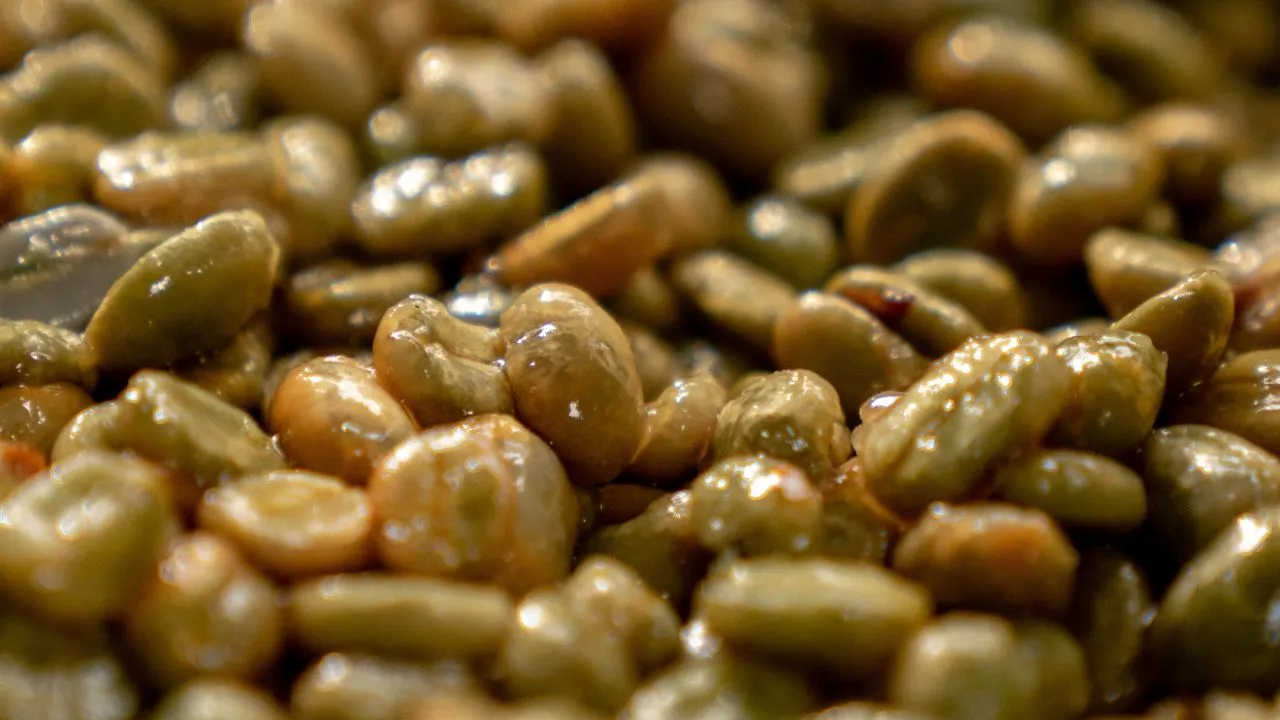
What Is Honey Process Coffee?
Honey process coffee is a middle ground between the two most common processing methods. In the washed method, the skin, pulp, and mucilage are removed before drying. With natural coffee, the beans dry inside the whole cherry. Honey processing removes the skin and pulp but keeps some sticky mucilage on the parchment as the coffee dries.
This process uses no actual honey. The name comes from the sticky, sugary layer that covers the parchment and gives the beans a shiny, honey-like look as they dry.
Honey processing became popular in Costa Rica and is similar to Brazil’s pulped natural method. Producers in Central America, Asia, and Indonesia now use this approach to balance sweetness, body, and acidity.
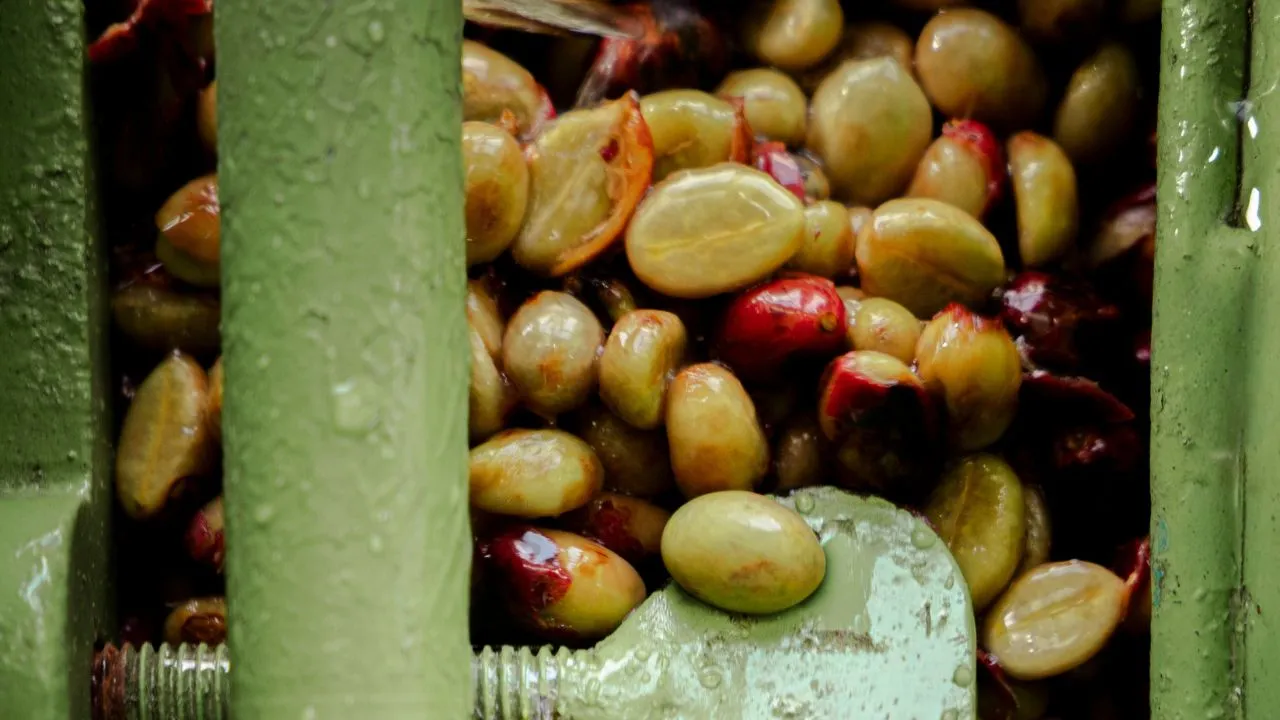
How the Honey Process Works
Honey processing consists of five main stages. Variations in mucilage retention and drying methods define each honey style.
- Cherry selection: Ripe cherries are picked and sorted to ensure consistent quality.
- Pulping: Machines remove the skin and pulp, leaving a specific amount of mucilage on the parchment. Some processors use additional equipment to control mucilage retention.
- Drying with mucilage on: The parchment is spread on drying beds and turned regularly for even drying. Unlike washed processing, honey processing skips the washing stage and proceeds directly to drying.
- Hulling: When the coffee reaches the target moisture level, the dried mucilage and parchment are removed.
- Quality sorting: Hulled coffee is sorted and graded before packing to meet product specifications.
Honey processing uses less water than the washed method by skipping some washing stages. This makes it a practical choice for producers aiming to reduce water use during post-harvest handling.
To compare honey processing with other post-harvest methods, read our article on dry vs. wet coffee bean processing.
What Is Coffee Mucilage?
Coffee mucilage is the sticky, sugar-rich layer between the coffee cherry’s pulp and the parchment surrounding the bean. It contains sugars and pectin and remains on the parchment during honey processing.
White, Yellow, Red, and Black Honey: What the Levels Mean
Honey processing covers a range of styles. The names white, yellow, red, and black honey indicate how much mucilage remains on the parchment and how the coffee is dried. These choices affect drying time and the cup profile.
| Honey level | Mucilage left on | Drying | Cup direction |
| White honey | A thin trace | Fastest, closest to washed coffee | Clean and bright, with gentle sweetness |
| Yellow honey | A light layer | Fast, usually in full sun | Balanced, with mild sweetness and a clean finish |
| Red honey | A substantial layer | Slower, often with partial shade | Fuller body, greater sweetness, caramel and ripe-fruit notes |
| Black honey | Most of the mucilage | Slowest, usually shaded or covered | Pronounced sweetness, syrupy body, and rich fruit notes |
Color names commonly describe honey styles, but they are not standardized technical terms. Processors set their own pulping and drying parameters, so the same color label may indicate different methods. For commercial buyers, it is more effective to understand the specific processing method and cup profile than to rely solely on the label.
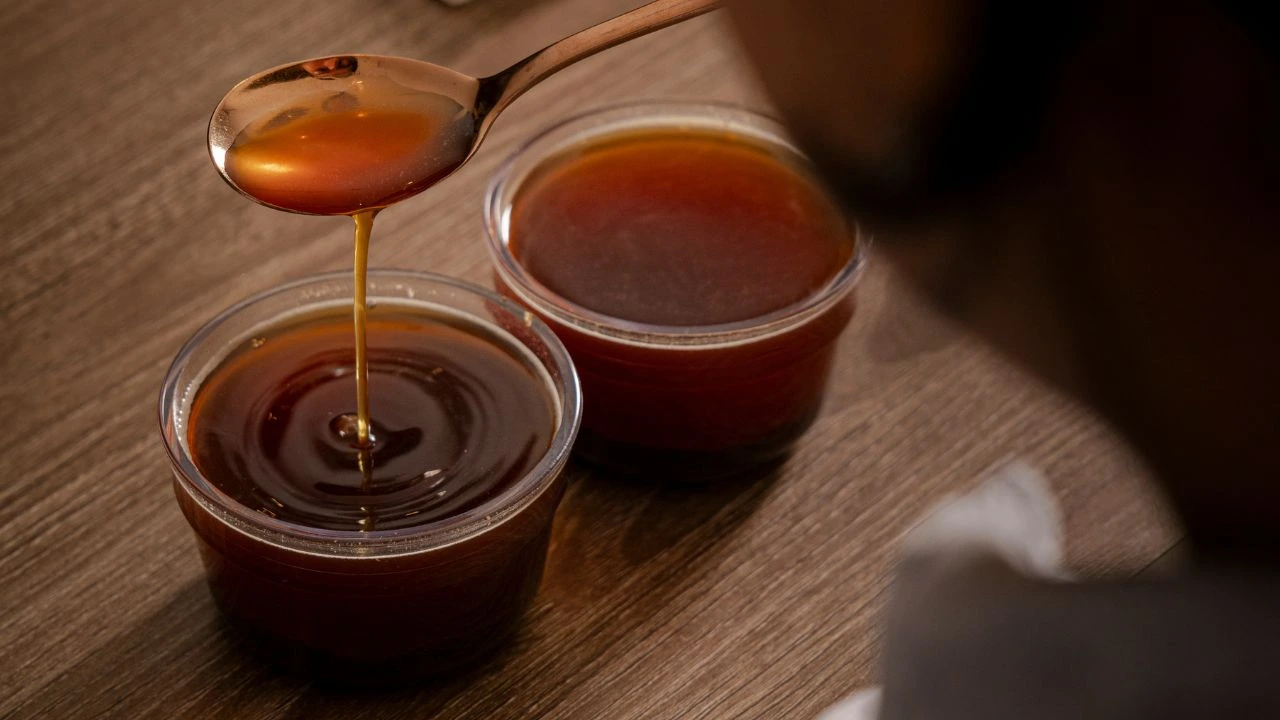
How Mucilage Levels Shape Sweetness and Body
Mucilage contains sugars and pectin. Retaining more of this layer affects how the parchment dries and shapes the coffee’s final taste.
- Sweetness: Red and black honey coffees taste noticeably sweeter, with flavors like caramel, brown sugar, and ripe fruit. White and yellow honey coffees usually have a lighter sweetness.
- Body: White and yellow honey coffees often have a medium, smooth body. Red and black honey coffees are usually rounder and fuller, and black honey can even have a syrupy feel.
- Acidity: Lighter honey styles maintain more of the brightness found in washed coffees. Heavier honey styles offer softer acidity and a rounder taste.
- Aroma: Honey coffees may feature fruity, caramel-like, and mellow aromatics. A 2025 study published in the National Library of Medicine found a rich range of aroma compounds in Arabica coffees with higher mucilage retention.
For buyers, the honey scale offers a practical way to choose the right balance of sweetness, body, and acidity. The optimal level depends on the product, such as a clean filter coffee, balanced espresso, or richer milk-based drink.
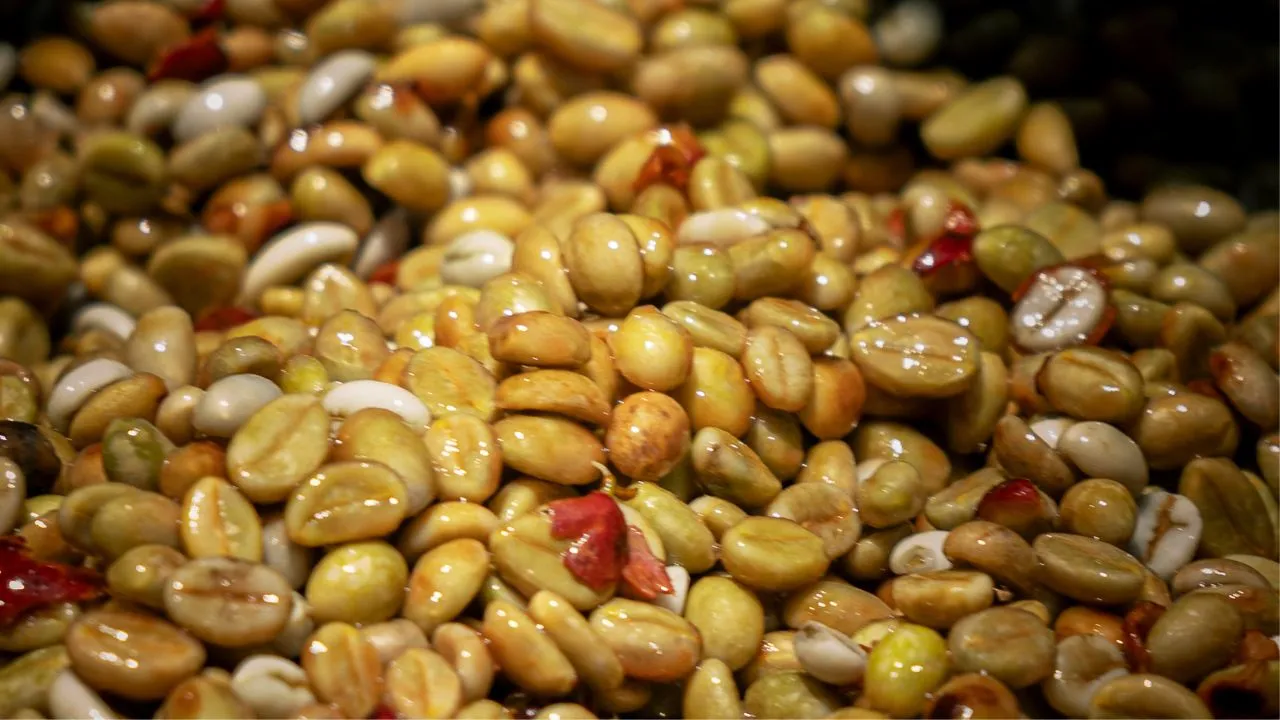
Where the Processing Risk Sits
While mucilage enhances sweetness, it also complicates drying. Its stickiness can cause parchment to clump, trap moisture, and promote mold, sour flavors, and overripe notes.
Effective drying depends on consistent airflow and moisture control. Too much direct sun can harden the outer layer before internal moisture escapes. Poor airflow or thick layers slow drying and increase the risk of mold and defects.
Drying becomes more labor-intensive as mucilage retention increases:
- White and yellow honey: These styles dry quickly and are easier to manage than those with more mucilage.
- Red honey: More mucilage requires careful management of layer thickness, turning frequency, and moisture levels.
- Black honey: High mucilage retention presents the greatest drying challenge. Producers must closely control shade, airflow, rain protection, and moisture before hulling and storage.
Consistent pulping, thin and even drying layers, frequent turning, rain protection, and regular moisture checks help maintain quality. Heavier honey styles require more handling and drying time, increasing production costs.
Choosing the Right Honey Level for Your Business
Select the honey level based on your desired cup profile and intended application.
- White or yellow honey: Ideal for pour-over and filter coffees, house blends, and café menus seeking a clean cup with gentle sweetness.
- Red honey: Well-suited for espresso programs and single-origin offerings that require fuller body and pronounced sweetness without a heavy profile.
- Black honey: Suited for premium or limited offerings where rich sweetness, a syrupy mouthfeel, and pronounced fruit character are central to the product.
Roasters should note that honey coffees may develop color faster than washed coffees because of residual compounds on the bean surface. This can increase the risk of scorching when using the same roast profile. To prevent this, lower the charge temperature slightly, monitor the drying phase closely, and watch for the darker bean appearance as first crack approaches.
Start With the Cup You Want to Deliver
Choosing honey process coffee starts with the intended cup profile, but consistent results also require controlled processing, drying, and moisture management.
Bali Origins is a coffee manufacturer serving B2B partners worldwide. We adhere to HACCP-aligned food safety standards and employ a certified processing team trained in international quality protocols. Our controlled systems ensure consistent output and reliable supply, using premium Indonesian coffee beans from Bali and Lombok.
Tell us the sweetness, body, and cup profile you want to achieve. Visit Bali Origins to discuss your wholesale coffee requirements.
Honey Process Coffee’s FAQ
A. What is honey process coffee?
Honey process coffee is pulped to remove the skin and pulp, then dried with some or most of its mucilage remaining on the parchment. The method produces a range of cup profiles, from clean and gently sweet to rich, full-bodied, and fruity.
B. Does honey process coffee contain honey?
No. The name refers to the sticky, sugar-rich mucilage that coats the parchment during drying and looks like honey. No honey is added to the coffee.
C. What is the difference between yellow, red, and black honey?
The colors describe different honey-processing styles, primarily distinguished by mucilage retention and drying practices. Yellow honey retains a lighter layer and generally dries faster, while red and black honey retain more mucilage and require longer, more closely managed drying. Red and black styles are associated with fuller body and more pronounced sweetness.
D. Is honey process coffee sweeter than washed coffee?
Honey process coffee is known for its sweetness and rounder body. Red and black honey styles typically deliver a more pronounced sweet profile than lighter honey styles, while washed coffee is generally associated with a cleaner cup and brighter acidity.
E. Is honey process the same as pulped natural?
They are closely related methods. Both remove the skin and pulp before drying the coffee with mucilage still on the parchment. Honey processing is commonly described by named mucilage-retention levels, while pulped natural processing is associated with the method widely used in Brazil.