
Single-origin coffee lets wholesale buyers highlight the flavor and identity of a specific growing region. However, it may not suit every product or business. Selecting between single-origin and blends requires weighing trade-offs in flavor, consistency, availability, and cost across multiple harvests.
This article explains how single-origin coffee and blends differ, where each can add value to a wholesale program, and how buyers can plan sourcing to balance product differentiation with supply consistency.
At Bali Origins, we supply premium single-origin green coffee from Bali and Lombok, as well as roasted coffee, to wholesale partners including cafés, distributors, retailers, and hospitality operators. Both formats serve different roles in a well-built wholesale program.
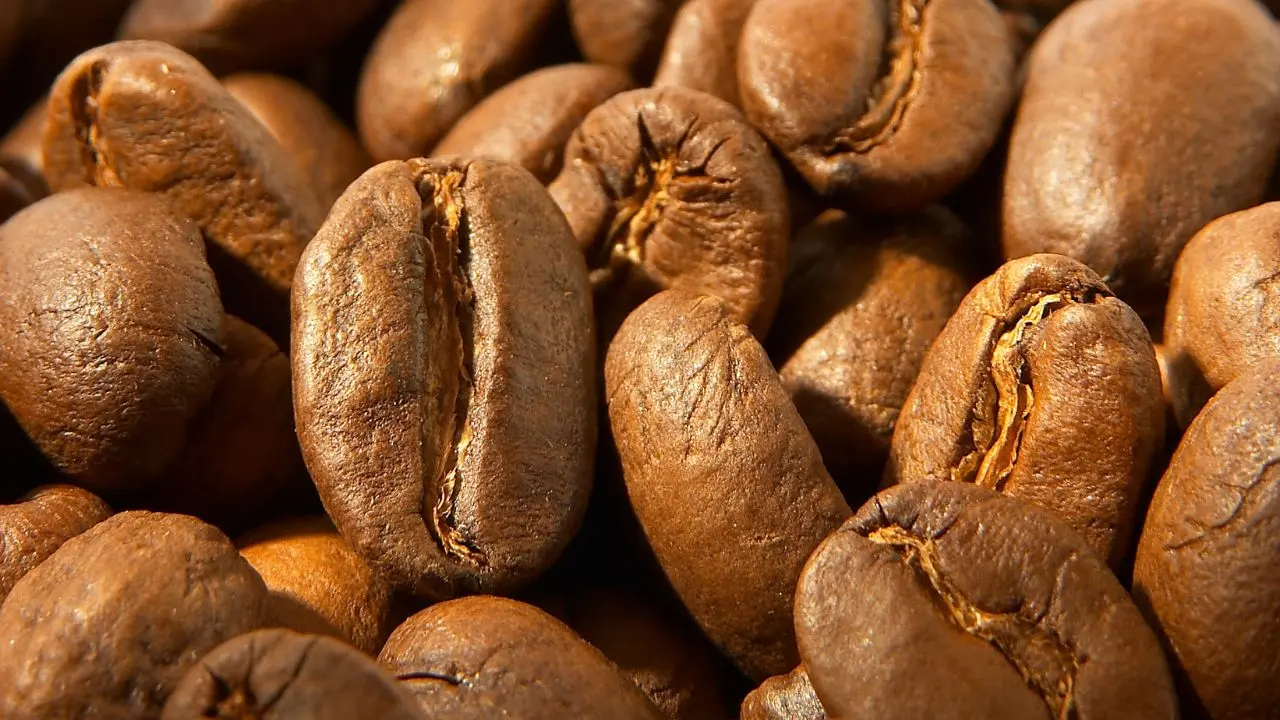
What Single Origin Coffee Means at Wholesale Scale
For consumers, single-origin usually means coffee from one country or farm. In wholesale, the definition is more specific because it affects how the supply chain works over time.
Single-origin coffee in a wholesale context refers to coffee that comes from a specific, traceable place. This could be a single farm, cooperative, processing station, or a named region within a country. Each lot’s flavor profile reflects its source, rather than being blended from different places to reach a set taste.
This is important for wholesale buyers for a few reasons:
- Flavor varies by season. A Bali Arabica lot from one harvest may taste different from the next year’s lot from the same region. Rainfall, temperature, harvest timing, and processing conditions all influence the cup profile.
- Supply is limited. An individual farm or cooperative lot has a limited available volume. Once a lot sells out, buyers may have to wait for the next harvest or find a similar lot, which can change the final product.
- Traceability supports product differentiation. Knowing where a lot comes from lets buyers share its unique story and qualities. This information should remain clear from sourcing to roasting, packaging, and the final product description for customers.
Wholesale buyers choosing single-origin coffee need a sourcing plan that accounts for these factors, rather than treating each lot like a regular commodity.
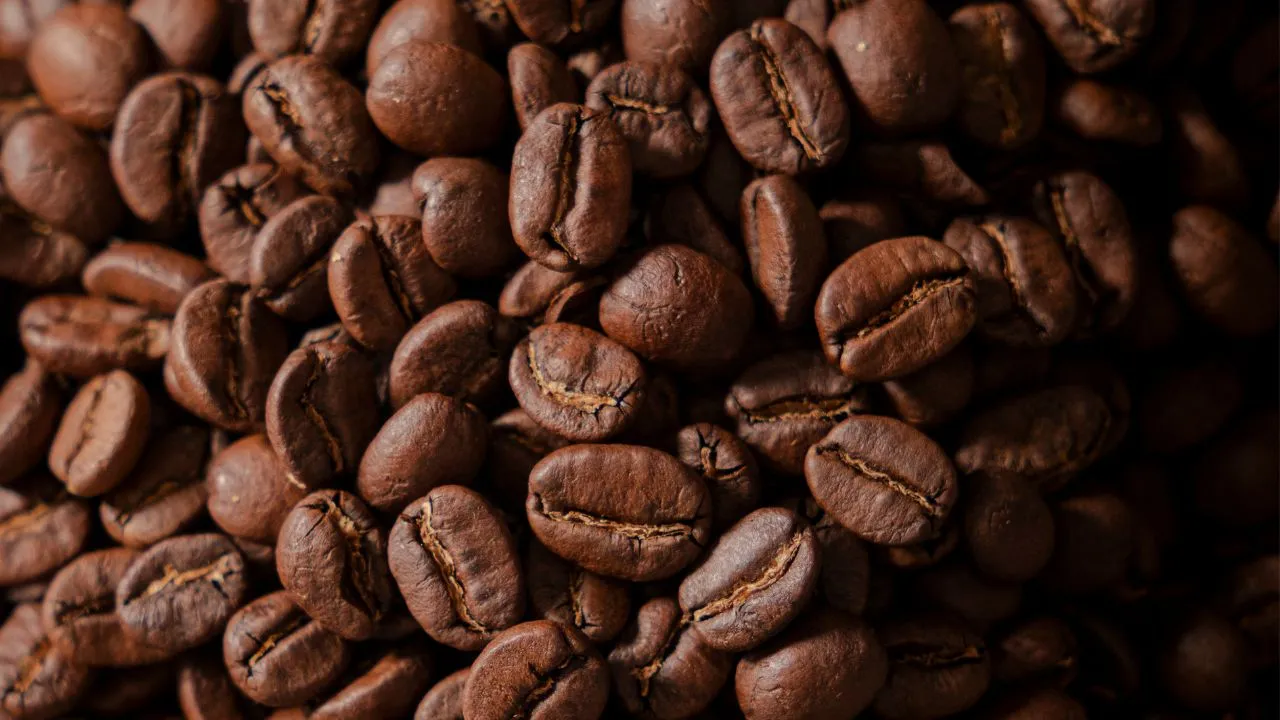
Where Single Origin Adds Value in a Wholesale Program
Single-origin coffee adds value to wholesale programs when its flavor profile and story meet buyer and customer expectations.
Menu Differentiation and Product Storytelling
For cafés and specialty retailers whose customers value flavor discovery and origin transparency, a traceable single-origin lot provides clear information about the coffee’s source and unique qualities. For example, a Bali Kintamani Arabica allows a detailed product description when its origin and flavor notes are documented. Whether this uniqueness supports a higher price depends on market conditions and customer demand.
Rotating Seasonal Offerings
Some wholesale programs offer single-origin coffees as rotating specials alongside their main house blend. Each lot introduces different flavors and encourages customers to explore new options. Seasonal availability becomes a program feature rather than a limitation.
Specialty-Focused Accounts
Cafés, specialty retailers, and hospitality businesses focused on coffee origins can use single-origin coffee to expand their menus and share sourcing details. Origin information and tasting notes should align with each business’s standards and what customers expect.
Filter and Pour-Over Programs
Brewing methods like filter and pour-over highlight differences in coffee origin and processing, making single-origin lots well-suited to menus focused on flavor exploration. However, they are not the only option. Roasters can also create blends for filter brewing, depending on the desired flavor notes and café operations.
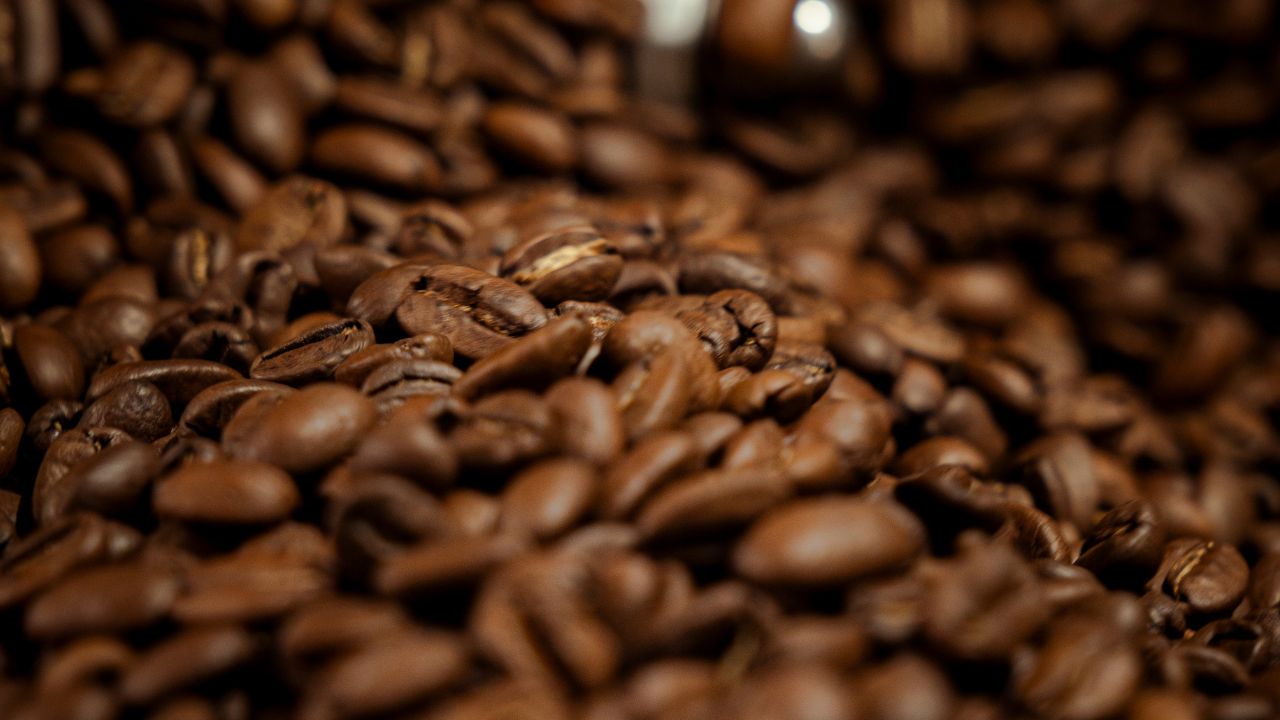
Where a Blend Can Be the Better Choice
A well-made blend supports consistent quality, makes handling larger orders easier, and keeps options open. By mixing coffees with different strengths, roasters can shape the flavor they want and adjust when harvests or supply change.
Espresso-Based Menus
Roasters commonly use blends for espresso to balance acidity, sweetness, body, and finish, which is especially beneficial for cafés with many milk-based drinks. Single-origin coffees may also be suitable, depending on the beans, roast, recipe, and consistency needs.
Core House Coffee
For businesses serving the same coffee daily, a blend made for a specific flavor profile can be a strong choice. If one coffee is unavailable, roasters can adjust the blend to maintain the same taste. Clear standards and regular quality checks ensure consistency.
High-Volume and Price-Sensitive Accounts
Blends let roasters select coffees based on taste, availability, and price goals, helping them maintain competitive pricing for wholesale buyers. When choosing a blend, buyers should consider price, flavor, volume, and the coffee’s intended use.
Operational Simplicity
A main blend with a set flavor profile can simplify buying, staff training, and recipe planning, especially for hospitality groups with multiple locations. This works best with a consistent supply and minimal brewing adjustments.
Single Origin vs. Blend for Wholesale Coffee Programs
Wholesale buyers should consider flavor differentiation, menu positioning, supply consistency, and cost when choosing between single origin coffee and blends.
The table below summarizes the main differences to help buyers choose the format that best fits their product range and operational needs.
| Consideration | Single-Origin Coffee | Coffee Blends |
| Sourcing | From a defined geographic source, such as a farm, cooperative, processing station, or region | Combined from two or more coffees to develop a target profile |
| Flavor profile | Highlights characteristics associated with a specific source and lot | Designed to achieve a particular balance or flavor profile |
| Seasonal variation | Changes between harvests may be more apparent in the final cup | Component ratios can be adjusted to help maintain the intended profile |
| Supply planning | Requires attention to lot availability and transitions between harvests | May offer more flexibility when a component becomes unavailable |
| Menu application | Useful for origin-focused menus, seasonal features, and flavor exploration | Useful for core menu offerings and products requiring a defined flavor profile |
| Cost considerations | Depends on origin, lot quality, availability, and purchasing terms | Component selection may provide cost flexibility, but does not guarantee a lower price |
Choosing the right coffee format is only one part of building a reliable wholesale program. Buyers should also consider quality consistency, product requirements, and supply arrangements before committing to a supplier. For more guidance, read our article on what to check before signing a wholesale roasted coffee supply contract.
The Supply Chain Reality: Consistency Requires Planning
The main challenge in developing a single origin wholesale program is not just sourcing a quality lot, but also preparing for changes or unavailability.
Managing single-origin supply at wholesale volume may involve:
- Forward purchasing: Arrange orders in advance when demand forecasts and available information allow. The goal is to secure enough volume without committing to more stock than the business can use.
- Cupping new lots: Assess new lots against the current product profile to identify differences in flavor and quality before offering them to customers.
- Transition planning: Plan how to share changes in origin, harvest, or flavor profile when the current lot runs out. This could mean updating product descriptions, recipes, or staff instructions.
- Alternative sourcing: Find a comparable or suitable lot if the original source cannot meet volume needs. Always evaluate substitutes to ensure consistent quality and flavor.
These practices also apply to blends, though change management differs. Blends offer more flexibility to adjust components. Single origin programs depend more on lot availability and each harvest’s characteristics.
What Is Forward Purchasing in Coffee Sourcing?
Forward purchasing is arranging coffee purchases in advance to secure supply for future demand. Buyers use demand forecasts and available supply information to plan order volumes before their current stock runs out. This approach can reduce the risk of supply gaps, although buyers must avoid committing to more coffee than their business can use.
Planning Single Origin Coffee Supply for Wholesale Orders
Before choosing a single-origin lot as a core or featured product, buyers should consider these factors:
- Available volume: Check how much coffee is available and if it will last through your expected sales period.
- Lot information: Review the origin details, processing method, cupping results, and any important physical quality information.
- Harvest variation: Find out what is known about the lot’s profile and how this harvest compares to previous ones if that information is available.
- Replenishment options: See if another lot from the same source or a similar region will be available when the current lot runs out.
- Product transition: Decide how you will let staff and customers know about any changes in flavor, origin, or availability.
These considerations help buyers align coffee origin and cup profile with purchasing needs and support effective planning by recognizing that each harvest may differ.
Bali Origins supplies single-origin green coffee from Bali and Lombok Arabica regions, offering washed and natural-processed lots with pre-shipment cupping data and quality documentation. We also provide premium roasted coffee for wholesale partners seeking ready-to-use products.
Whether developing a rotating single-origin menu or sourcing a core product, your choice should reflect your desired flavor profile, volume, consistency, and supply needs.
Bali Origins works with wholesale partners seeking premium Indonesian coffee and supply options suited to their product requirements. Contact our team to discuss available lots, coffee formats, and supply possibilities.
Single Origin Coffee FAQs
A. What is single-origin coffee?
Single-origin coffee comes from a defined, traceable geographic source, such as a single farm, cooperative, processing station, or named growing region. Its cup profile reflects that source and its growing and processing conditions, rather than blending coffees from multiple sources to reach a target profile.
B. Is single origin coffee better than a blend?
Neither format is inherently better. Single-origin coffee can work well for seasonal menus and products that highlight origin and flavor differences. Blends can help roasters develop a target flavor profile and manage supply changes. The better choice depends on the product, brewing method, customer expectations, and business requirements.
C. Why can single origin coffee change between harvests?
Weather, harvest timing, growing conditions, and post-harvest processing can vary from one season to another. These differences can influence the coffee's flavor and roasting behavior, even when the lots come from the same farm or region.
D. How do wholesale buyers manage single origin supply consistency?
Buyers can forecast demand, confirm available volume, evaluate each incoming lot, and plan for changes when a lot sells out. Identifying a suitable alternative can help reduce supply gaps, although a replacement lot may have a different cup profile.
E. What Indonesian single origin coffees does Bali Origins supply?
Bali Origins supplies single-origin green coffee from Bali and Lombok Arabica-growing regions, including washed and natural-processed lots. Premium roasted coffee is also available for wholesale partners. Contact the team to discuss available lots, cupping data, and supply volumes.
F. How is single-origin coffee different from direct trade?
Single origin describes the coffee's geographic source. Direct trade describes a purchasing relationship between buyers and producers, often involving more direct communication and fewer intermediaries. A coffee can be single origin without being purchased through a direct trade arrangement, and a direct trade relationship does not necessarily mean the coffee is single origin.