
Coffee quality assurance starts at the tree and depends on careful handling at every stage, from picking to drying. Consistent attention preserves the coffee’s natural character.
In tropical regions, harvest timing depends on rainfall, temperature, and coffee flowering patterns. These factors vary annually and can affect quality if not managed carefully.
This article examines how each post-harvest stage influences final cup quality, identifies risks when controls lapse, and explains how producers and suppliers maintain consistency despite seasonal changes.
At Bali Origins, we partner directly with farming communities where harvest conditions vary each year. Managing quality amid this variability is central to our work.
Why Does Harvest Variability Affect Coffee Quality?
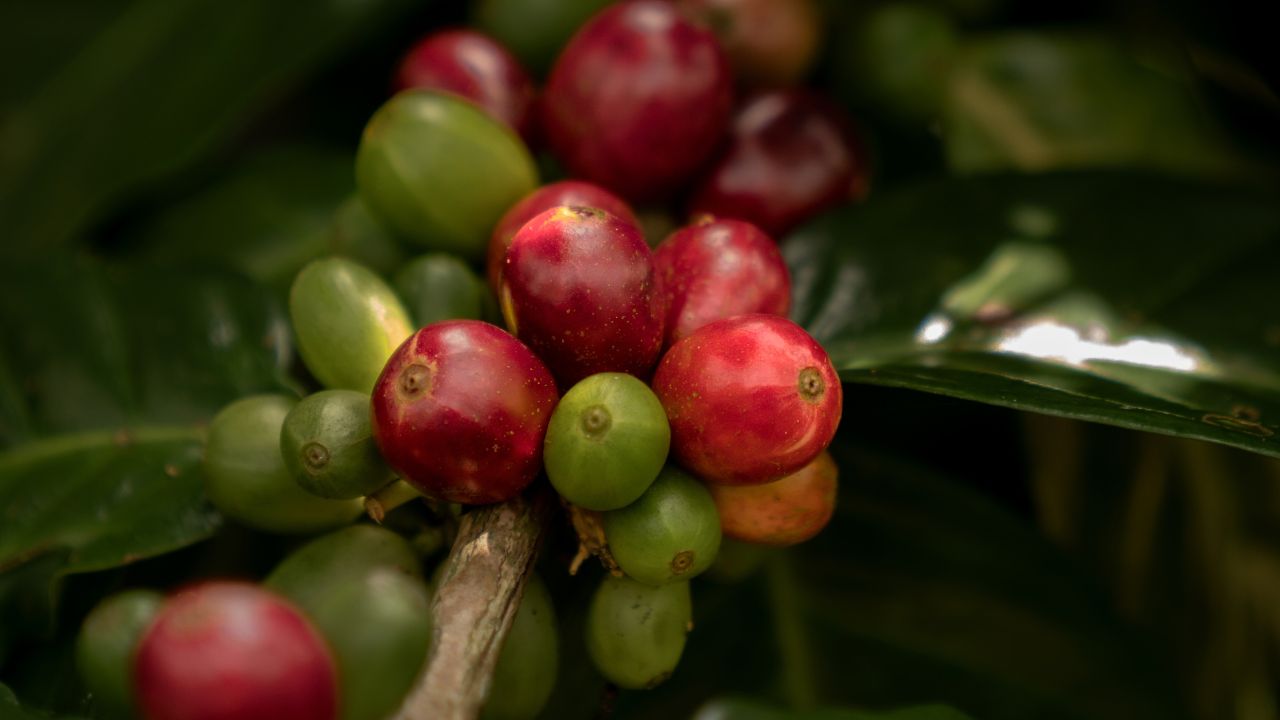
Coffee cherries on the same tree often ripen at different times. Peak maturity depends on elevation, microclimate, rainfall, and temperature during the growing cycle. In stable seasons, ripening is predictable. In irregular seasons, the ripening window can shift and catch producers unprepared.
The main risk is mixing cherries of different ripeness in a single batch, which reduces overall cup quality. Underripe cherries can produce sharp and astringent flavors, while overripe cherries may introduce undesirable flavor characteristics. Both can negatively affect cupping scores, even when the rest of the batch is carefully managed.
This is why quality assurance relies on careful decisions from picking to processing. Each step matters for the final result.
What Is a Microclimate?
A microclimate is the localized climate of a specific area within a farm, influenced by factors such as elevation, shade, slope, and wind. Different microclimates can cause coffee cherries to ripen at different rates, even on the same farm.
Selective Picking Supports Consistent Coffee Quality
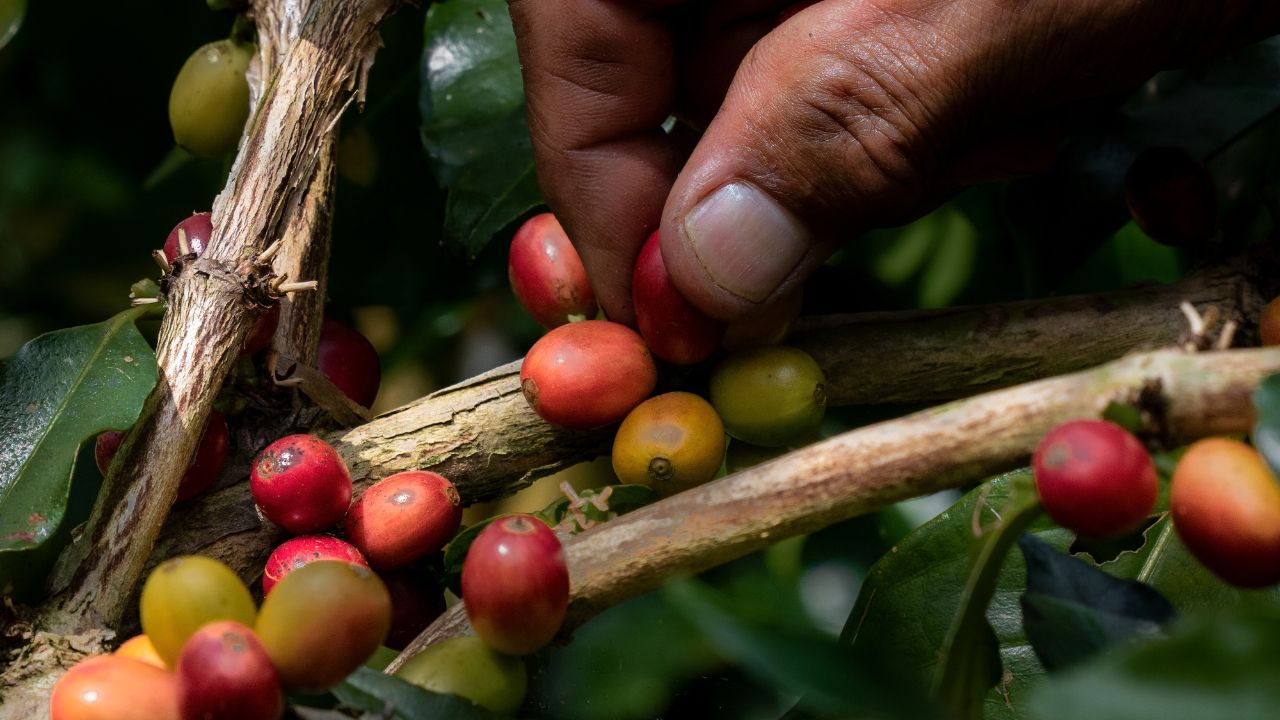
Coffee quality starts at harvest. In specialty coffee, pickers carefully select only ripe cherries, leaving underripe and overripe ones on the tree to improve quality.
Strip picking means removing all cherries from a branch at once. This method is faster and less expensive and is often used in mechanized farms on flat land. However, it mixes cherries of different ripeness, which can affect the consistency of the coffee’s taste.
In selective picking, pickers visit the same trees several times over a few weeks as the cherries ripen. This method takes more effort but gives better control over what is harvested.
Checking cherry ripeness before harvesting can give you more control. Here are some practical ways to do this:
- Color reference tools like ripeness cards or color-matched bracelets help pickers spot ripe red or yellow cherries with a clear visual guide.
- Tactile assessment is when experienced pickers check cherries for firmness and slight softness. This is especially useful for yellow varieties, where color is harder to read.
- Refractometers measure sugar content in cherry juice, giving a more objective way to check ripeness. This tool helps you decide when to start harvesting a specific area.
Using any combination of these consistently across a harvest season can reduce ripeness variability in the batch.
Sorting at the Cherry Stage
Despite selective picking, some defective, underripe, or damaged cherries may still be harvested. Sorting them immediately prevents contamination of the rest of the batch during processing.
Two main ways to sort cherries at this stage are:
Tarp or Table Sorting
This method means spreading freshly picked cherries on a flat surface and picking out any that are green, shriveled, or show insect damage. It helps catch defects that pickers might have missed and gives another opportunity to remove them before further processing.
Flotation Sorting
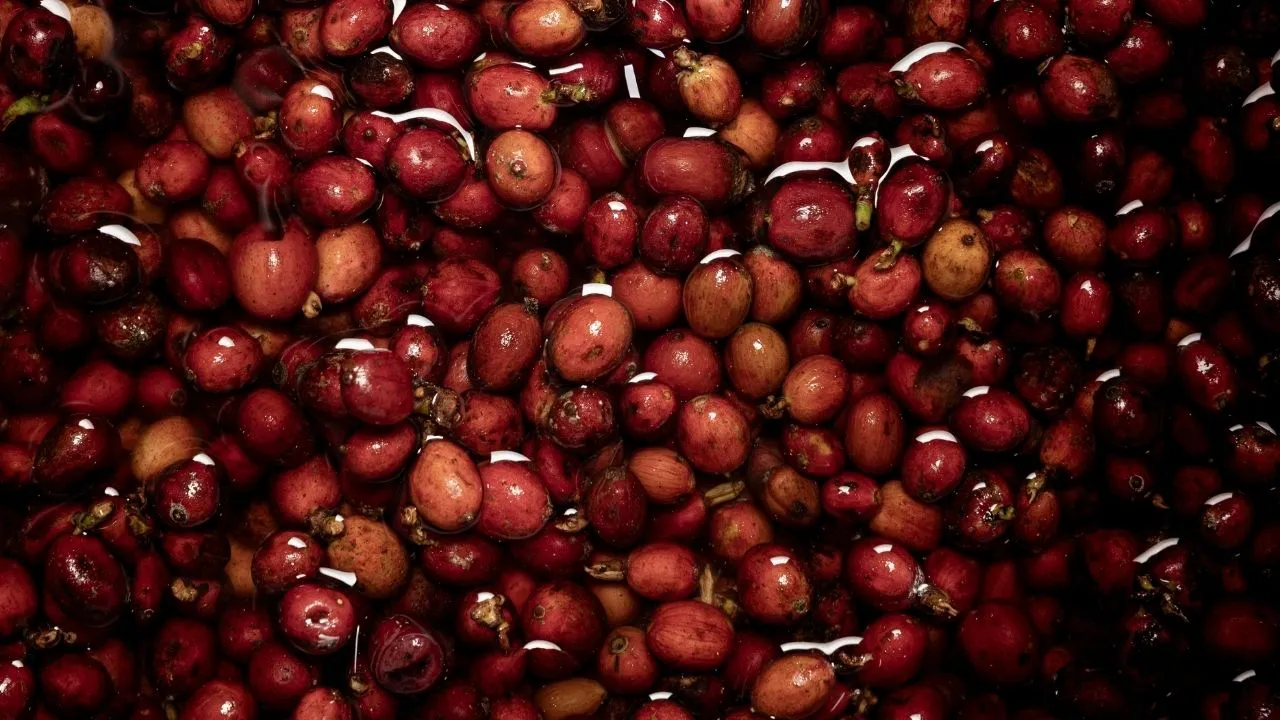
This method uses water tanks to identify low-density cherries. Dense, healthy cherries sink while hollow, overripe, or defective ones float. Removing floaters before depulping reduces quality risk. The water can be recycled to reduce waste.
Using both tarp sorting and flotation early on keeps most defects out of the processing chain.
How Processing Supports Coffee Quality Assurance
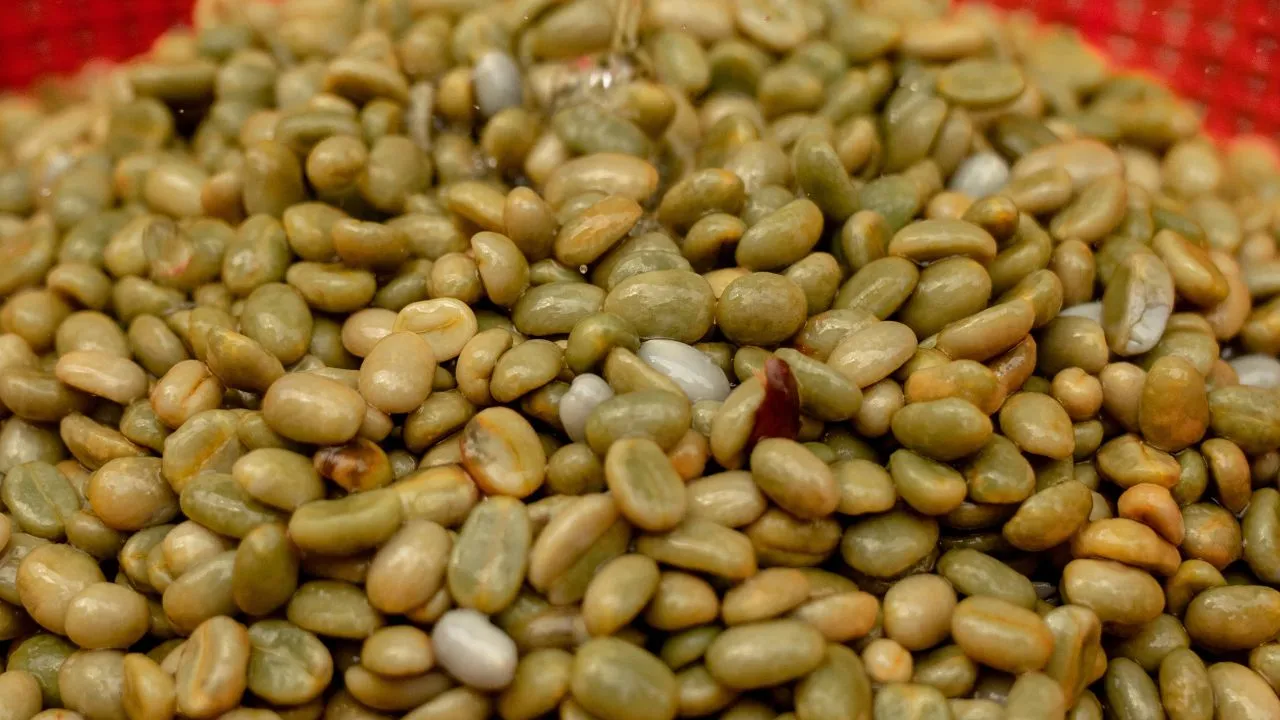
The processing method shapes how coffee is prepared for drying. Each method introduces quality variables that require careful management. Washed, natural, and honey processing create different drying conditions, moisture patterns, and risks.
Coffee quality depends less on choosing one processing method and more on managing each step carefully. Any method can deliver great results if you monitor the process and adjust as needed. Keeping the process steady limits lot-to-lot variations and protects the coffee’s quality throughout the harvest season.
During unpredictable harvests, maintaining consistency at every processing stage matters more. Changes in rainfall, humidity, temperature, and drying conditions require producers to adjust handling without compromising quality. Continuous monitoring and timely adjustments reduce quality risks and produce more stable results.
If you want to learn more about how washed, natural, and honey processing methods work and how they change coffee’s qualities, check out our guide to coffee processing.
Why Is Drying Critical to Coffee Quality?
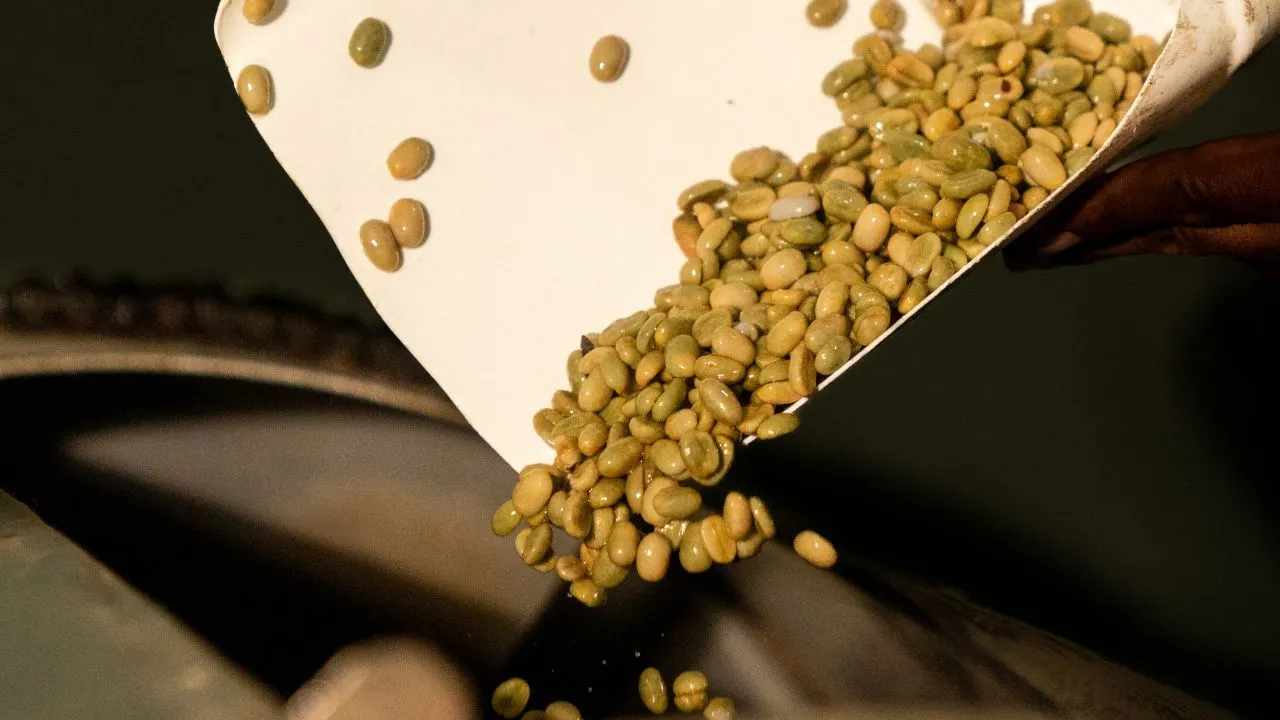
Drying is widely regarded as one of the most critical post-harvest stages because mistakes at this point are difficult to correct later. Drying too quickly, too slowly, or unevenly can cause issues that persist through roasting.
Here are the most common problems caused by drying:
- If beans dry too quickly at high temperatures, the outside hardens before the inside is ready. This traps moisture inside and can cause more cracking during hulling.
- Drying too slowly leaves beans with enough moisture for mold and bacteria to grow. This can lead to musty, earthy, or unpleasant flavors in the final cup.
- When beans dry unevenly, those in different spots on the bed or patio end up with different moisture levels. This makes roasting results inconsistent across the batch.
Raised drying beds work better than patios because air can move above and below the beans. Turning the beans often helps them dry evenly and improves consistency. If the weather is unpredictable, cover the beds during rain and move beans to covered areas to prevent extra moisture gain.
Monitoring moisture with a handheld meter, rather than relying on feel or drying time, provides accurate data for determining when a batch is ready for the next stage.
What Is Case Hardening?
Case hardening occurs when the outer layer of a coffee bean dries much faster than the inside, trapping moisture within the bean. This uneven drying can reduce roasting consistency and increase the risk of quality defects.
How Does Green Coffee Bean Sorting Improve Consistency?
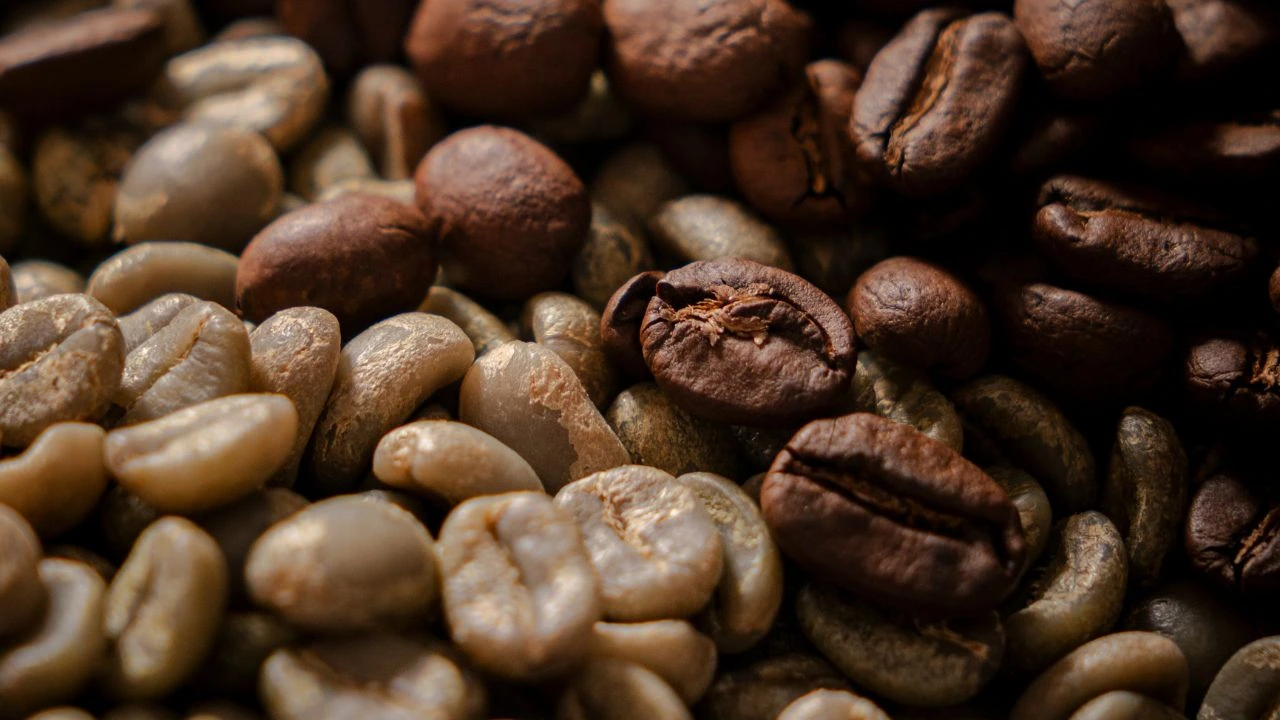
After the beans are dried, hulled, and cleaned, a final sorting removes any remaining physical defects. The main sorting methods at this point include:
- Density sorting separates beans by weight. High-density beans are generally better developed and roast more consistently, while low-density beans, which may be underdeveloped or damaged, are removed.
- Screen sizing sorts beans by diameter, helping create lots that roast evenly. Larger, consistent beans are easier to roast and often command higher prices.
- Color sorting, done by machine or by hand, removes beans with visible defects that other sorting steps might miss.
Cupping the batch after processing and before the final sort helps confirm whether earlier quality steps worked as expected.
How Do Storage Conditions Affect Coffee Quality?
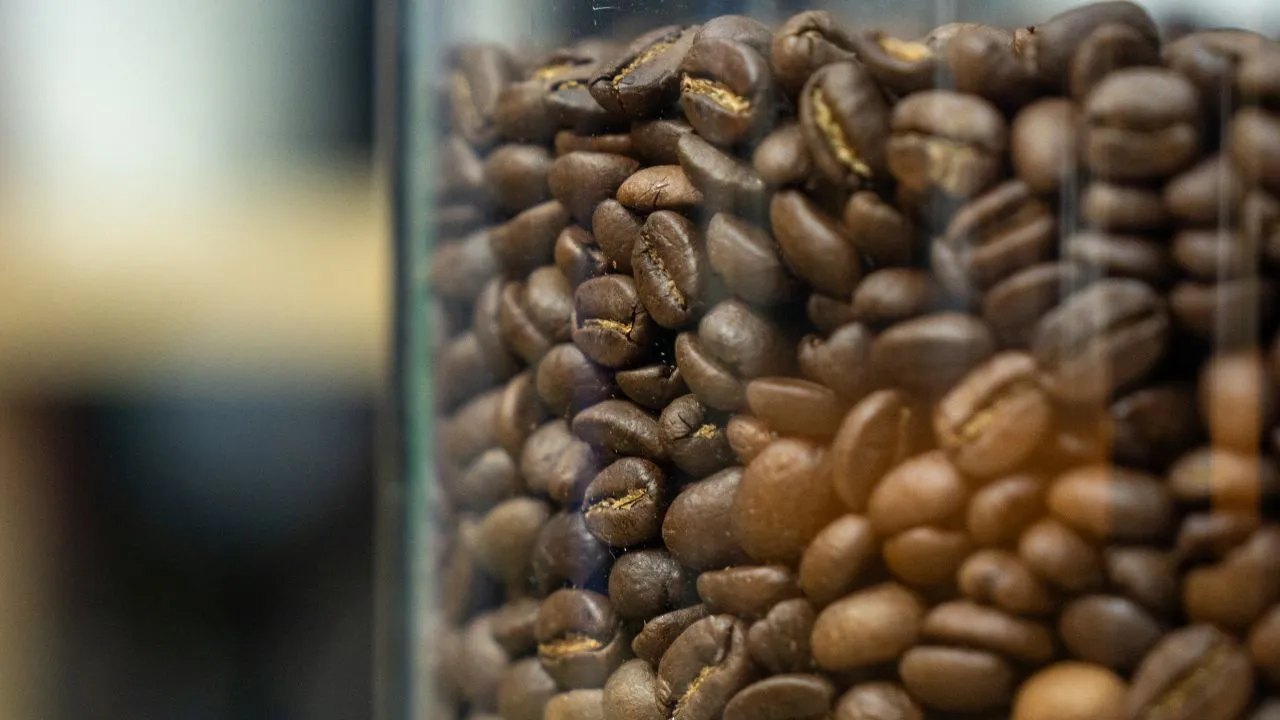
Even after careful harvesting, processing, sorting, and drying, coffee can lose quality with poor storage conditions. Green coffee absorbs moisture and odors from its surroundings. High humidity makes coffee age faster and can cause mold. High temperatures also fade flavor by speeding up chemical changes.
To keep green coffee ready for export, store it in a place with consistent humidity and temperature, and keep it away from light and strong odors. Jute bags allow airflow but offer little protection against moisture. For specialty coffee that needs longer storage, hermetic or other moisture-resistant packaging can provide additional protection during longer storage periods.
Regularly check moisture levels and watch for pests to preserve the quality built during harvest and processing.
Maintain Coffee Quality Across Every Stage
Quality assurance in coffee is cumulative. Each decision from cherry selection to storage preserves or diminishes the initial potential.
Producers and suppliers who deliver consistent quality across harvests view each stage as part of an integrated system. They adjust controls as conditions change, monitor moisture, and cup finished lots to ensure that field and processing practices are reflected in the final product.
At Bali Origins, we produce premium Indonesian green coffee through structured post-harvest handling at origin. We handle every lot from selecting the best cherries through post-harvest processing, drying, sorting, and storage at stable moisture levels.
Our processing team maintains consistent standards across harvests to ensure roasters and wholesale buyers receive green coffee that performs reliably from batch to batch.
If you are looking for Indonesian green coffee with clear processing standards and steady quality, contact our team to talk about sourcing options.
Coffee Quality Assurance FAQs
A. What is coffee quality assurance?
Coffee quality assurance refers to the set of controls applied at each stage of harvesting, processing, drying, sorting, and storage to ensure the final green coffee lot meets physical and sensory quality standards. It is a continuous process, not a single checkpoint.
B. Why does harvest season affect coffee quality?
Variability in rainfall, temperature, and cherry ripening patterns during the harvest season affects how consistently cherries can be picked at peak maturity, how coffee responds during processing, and how reliably it dries.
C. What is the most common cause of quality loss in coffee processing?
Drying is one of the most critical post-harvest stages because uneven, insufficient, or excessive drying can affect physical stability, sensory quality, and roasting behavior. Other processing inconsistencies can also contribute to quality loss when they are not properly controlled.
D. How does selective picking improve coffee quality?
Selective picking removes only ripe cherries from the tree, leaving underripe and overripe ones behind or separating them at the source. This reduces the proportion of defective material entering the processing chain and produces more uniform lots that score higher in the cup.
E. What is flotation sorting in coffee processing?
Flotation sorting places freshly picked cherries in water tanks. Dense, healthy cherries sink while hollow, overripe, or defective ones float to the surface and can be removed. This effective early filter removes a significant proportion of defective material before depulping begins.