
Bali Kintamani coffee is rising in the global market for its reliability in roasting and commercial use. Among Indonesian coffees, it is known for a unique citrus flavor and medium-to-high acidity.
Farming practices, anchored in a deeply rooted cultural organization, help maintain the quality of Bali Kintamani coffee.
For roasters and wholesale buyers, Bali Kintamani coffee delivers a profile that works well for both specialty and commercial uses.
Dive in as we look beyond the farm gates to discover how Bali Kintamani coffee’s standout characteristics shape its flavor. Learn why this coffee continues to capture attention in the market.
How Is Bali Kintamani Coffee Different from Other Indonesian Coffees?
Indonesian coffee is usually known for its strong flavors, low acidity, and earthy notes. Bali Kintamani stands out with a brighter, cleaner taste.
The most noticeable feature is its bright, fruity flavor, with clear notes of lemon and mandarin orange. When roasted to a medium level, the ground coffee tastes similar to Java coffee, which tends to be sweet and slightly spicy, but its distinctive citrus notes give it a unique identity.
This coffee offers:
- Improved clarity in the cup
- Medium to high acidity, which adds brightness
- A medium body, without too much bitterness
- A clean flavor profile that highlights the coffee’s natural character
Kintamani Bali green coffee beans are traded as Grade I, with a maximum moisture content of 12 percent, a grayish-green color, and up to 11 physical defects, according to the Indonesian National Standard.
Kintamani coffee beans are larger than most Arabica beans from other parts of Indonesia. About 84 percent pass through a 17- or 18-size sieve, helping them meet the specialty coffee market’s size standards.
Sieve size refers to the measurement used to sort coffee beans by size. Larger sieve sizes indicate bigger beans, which often roast more evenly.
How Characteristics Translate Into Roasting Performance
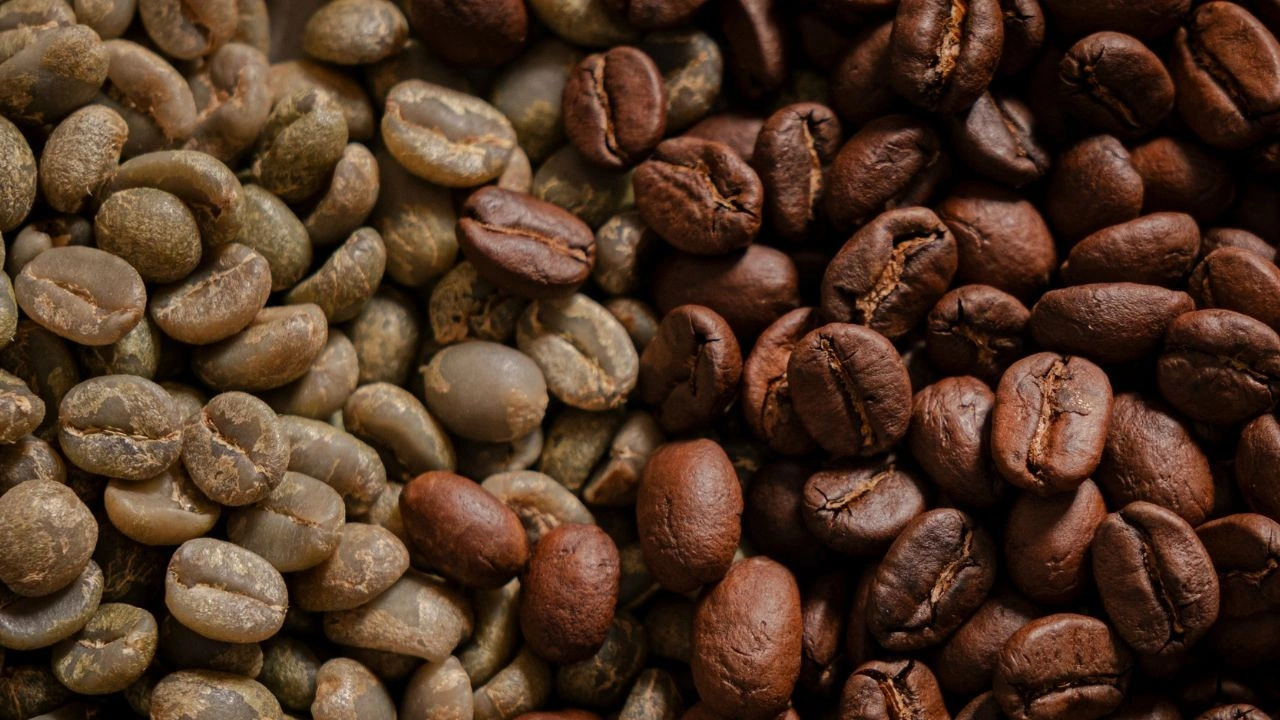
Bali Kintamani coffee beans are dense and heat-resistant, making them suitable for a range of roasting profiles. The beans are often roasted in small batches to maintain control.
Kintamani beans are best suited to a medium roast to preserve their clean flavor and distinctive citrus notes.
With a dark roast, Kintamani coffee beans develop a warm aroma and a gentle smoky finish. Their density helps them keep their quality even during longer roasting times.
For roasters, this means Bali Kintamani coffee works well in several roles:
- As a single-origin coffee to highlight clarity and brightness
- As part of a blend to provide balance and definition
- As a component in a light to medium roast profile
This level of flexibility makes it excellent in both specialty and commercial roasting programs.
Heat-resistant beans can withstand higher or longer roasting temperatures without breaking down quickly. This allows more control during roasting.
Bali Kintamani Coffee Flavor Profile in a Commercial Context

The commercial appeal of Kintamani Bali Arabica coffee stems from its bright, clean flavor, free of fermentation and earthy notes, and its robust bean structure.
Its unique flavor profile sets it apart from other Indonesian coffees, offering buyers a clear alternative.
Citrus notes give Kintamani coffee its signature character and strong market appeal.
Kintamani coffee is flexible to roast, making it suitable for many uses:
- Cafe menus that need reliable flavor quality
- Retail products where balance matters more than intensity
- Blends that need brightness without losing base notes
For buyers, Kintamani coffee is valued for both its flavor and its versatility across a range of products.
With its clean profile and defect-free quality, Kintamani coffee is recognized as a premium product. While it was first exported mainly to Japan, it now reaches specialty coffee markets in the United States, Europe, and Australia.
Domestically, specialty coffee roasters typically package Kintamani coffee as premium branded souvenirs and use it for brewing in upscale cafes.
Fermentation taste refers to flavor notes that can develop when coffee processing is not properly controlled. These may include sour, overripe, or wine-like characteristics.
Why Is Bali Kintamani Coffee Gaining Attention in Global Markets?
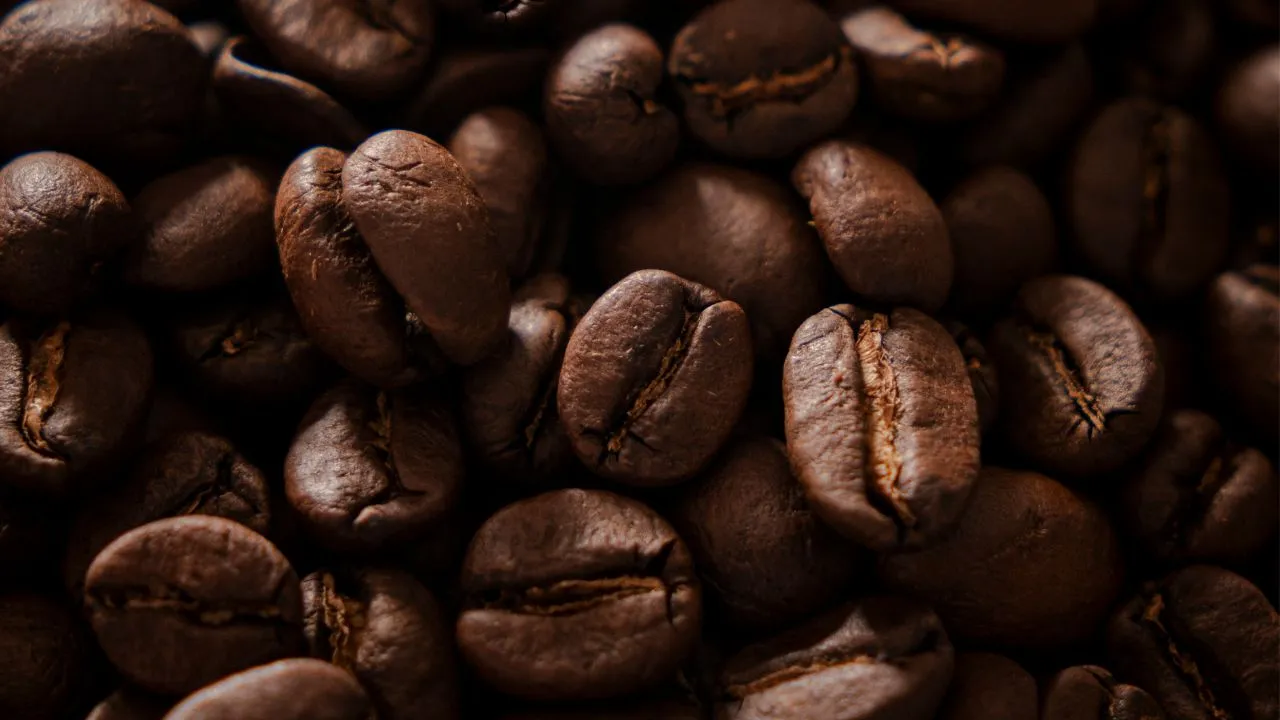
Bali Kintamani coffee has attracted global attention for meeting modern consumer trends, offering a unique flavor profile, and being officially certified for quality.
Unlike typical monoculture coffee plantations, Kintamani coffee is grown as an intercrop under citrus tree shade alongside perennial legumes. This affects the fruit’s distinctive flavor.
Almost all farmers in Kintamani practice organic farming and avoid chemical pesticides. They are organized into traditional Subak Abian groups that manage agricultural standards and community religious activities. As a result, harvest quality is closely monitored.
Due to its geographical, cultural, and quality characteristics, Bali Kintamani Arabica became the first product in Indonesia to receive Geographical Indication (GI) certification in December 2008.
This legal certification guarantees a high-quality, authentic product produced under strict hygienic procedures.
The global market is beginning to prioritize coffee from sustainable, environmentally friendly practices. Therefore, Bali Kintamani coffee holds a superior position among consumers and traders.
To learn more about how the characteristics of Kintamani coffee beans are derived from traditional farming methods and the terroir that supports them, read our article on the uniqueness of Bali coffee beans.
Intercropping is the practice of growing coffee alongside other plants, such as citrus trees or legumes. This helps improve soil health, shade, and overall crop stability.
What Makes Bali Kintamani Coffee Suitable for Long-Term Supply?
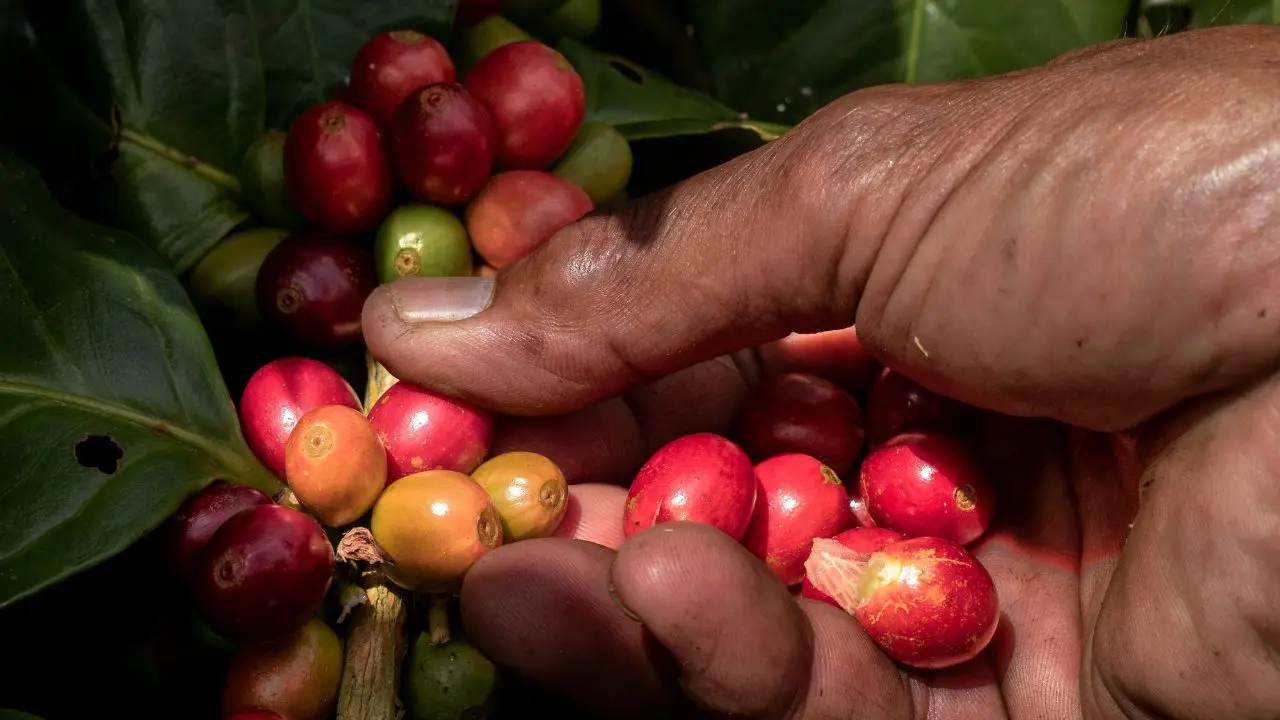
While taste is a first impression, long-term value stems from the consistency and reliability of supply.
Bali coffee is produced in a smaller area, which means its availability is more limited than in larger coffee regions.
Balinese farmers focus on protecting the environment to keep their land fertile and productive for years to come.
They build terraces to prevent soil from washing away and plant shade trees such as citrus, banana, and legumes to keep the soil moist and the climate stable, especially during the dry season.
To maintain product consistency and reputation, the farmer organization, led by the Subak Abian group and the Community of Geographical Indication Protection (CGIP), strictly implements standard operating procedures (SOPs) for wet processing methods.
This includes pre- and post-harvest processes such as:
- Selective hand-picking of at least 95 percent ripe red cherries
- Cherry flotation to separate and discard defective cherries
- Hulling, followed by a 12- to 36-hour dry fermentation period
- Bean washing and sun-drying to an optimal moisture content of 11 to 12 percent
This rigorous process ensures the beans consistently deliver a clean flavor, free from the earthy notes associated with dry processing methods.
They also conduct strict checks at every stage to ensure each batch can be traced back to the farm, building long-term trust with buyers.
How Does Bali Kintamani Coffee Reach Global Buyers with Consistency?
Bali Kintamani coffee reaches buyers worldwide through a clear supply chain built on strong partnerships, careful processing, and strict traceability.
Beyond its unique taste profile, the value of Bali Kintamani coffee lies in its reliability across a wide range of market needs.
This level of consistency and availability is made possible through Bali Origins’ structured processing. This includes rigorous quality control by a certified processing team and a coordinated supply chain designed for global buyers.
By working directly with trusted plantations, we built a system managing the flow of licensed Arabica coffee beans in Bali. Applying consistent standards to every batch secures dependable coffee quality over time.
For companies looking to work with Bali Kintamani coffee, whether in specialty or commercial applications, Bali Origins provides access to a consistent supply and processing system, built for long-term B2B partnerships. Contact Bali Origins to explore current supply and sourcing options.
Bali Kintamani Coffee FAQs
What Is Bali Kintamani Coffee?
Bali Kintamani coffee is an Arabica coffee grown in the highlands of Kintamani, Bali. It is known for its clean flavor profile, citrus-forward notes, and medium-to-high acidity. The coffee is produced under structured farming systems and is recognized for its consistent quality in both specialty and commercial markets.
What Makes Bali Kintamani Coffee Unique?
Bali Kintamani coffee stands out for its bright citrus character, clean cup profile, and absence of heavy earthy notes commonly found in other Indonesian coffees. Its uniqueness is shaped by volcanic soil, high elevation, intercrop farming under citrus trees, and coordinated farming systems such as Subak Abian.
How Does Bali Kintamani Coffee Compare to Other Indonesian Coffee Varieties?
Compared to other Indonesian coffees, which are often full-bodied and low in acidity, Bali Kintamani coffee offers higher acidity, a lighter body, and clearer flavor definition. While regions like Sumatra emphasize earthy and chocolate notes, Kintamani highlights citrus brightness and clean sweetness.
What Are Bali Kintamani Coffee Flavor Notes?
Bali Kintamani coffee typically features citrus notes such as lemon and mandarin orange, supported by floral aromatics and a clean finish. Its flavor profile emphasizes clarity, brightness, and balanced sweetness rather than heavy or intense characteristics.
What Does Bali Kintamani Coffee Taste Like?
The taste of Bali Kintamani coffee is bright and clean, with medium-to-high acidity and a smooth, balanced body. It often delivers a refreshing citrus-like profile with subtle sweetness and minimal bitterness, especially when roasted at light to medium levels.
What Are the Characteristics of Bali Kintamani Coffee Beans?
Bali Kintamani coffee beans are typically dense, large, and uniform in structure. They are often graded as high-quality beans with controlled moisture levels and minimal defects, supporting stable roasting performance and consistent cup results.
Why Are Bali Kintamani Coffee Beans Suitable for Roasting?
Their density and structure make them heat-resistant and adaptable to various roast profiles. They perform best at medium roast levels, where their citrus notes and clarity are preserved, but they can also maintain quality at darker roast levels due to their stable structure.
How Is Bali Kintamani Coffee Produced?
Bali Kintamani coffee is produced through selective hand-picking, sorting, controlled fermentation, washing, and drying. These steps ensure consistent quality, stable moisture levels, and a clean flavor profile free from unwanted defects.
Why Is Bali Kintamani Coffee Gaining Popularity Globally?
Its clean flavor, distinctive citrus profile, and certified origin have increased its appeal in global specialty markets. The coffee also aligns with growing demand for traceable, sustainably produced coffee with consistent quality.
Is Bali Kintamani Coffee Suitable for Blends and Single-Origin Use?
Yes. Bali Kintamani coffee works well as a single-origin coffee due to its clarity and brightness. It is also used in blends to add balance, acidity, and definition without overpowering other components.
What Is a Typical Bali Kintamani Coffee Review Based on Market Use?
In commercial and specialty contexts, Bali Kintamani coffee is often reviewed as clean, bright, and reliable. Buyers value its consistent roasting performance, balanced acidity, and ability to deliver stable flavor across different applications.