
Indonesian Arabica coffee is becoming more popular in the global coffee industry, especially among specialty buyers who value flavor complexity and steady quality. Its balance, rich aroma, and smooth acidity make it a dependable option for roasters and cafes looking for premium coffee.
In the United States, one of the world’s largest specialty coffee markets, demand for high-quality Arabica beans has increased over the past decade. Indonesian Arabica coffee has attracted attention for its distinctive flavor profile and versatility.
This article explains why Indonesian Arabica coffee is increasingly visible in the US market, how its origins shape its flavor profile, and what buyers should consider when searching for it.
The Rising Demand for Arabica Coffee in the US
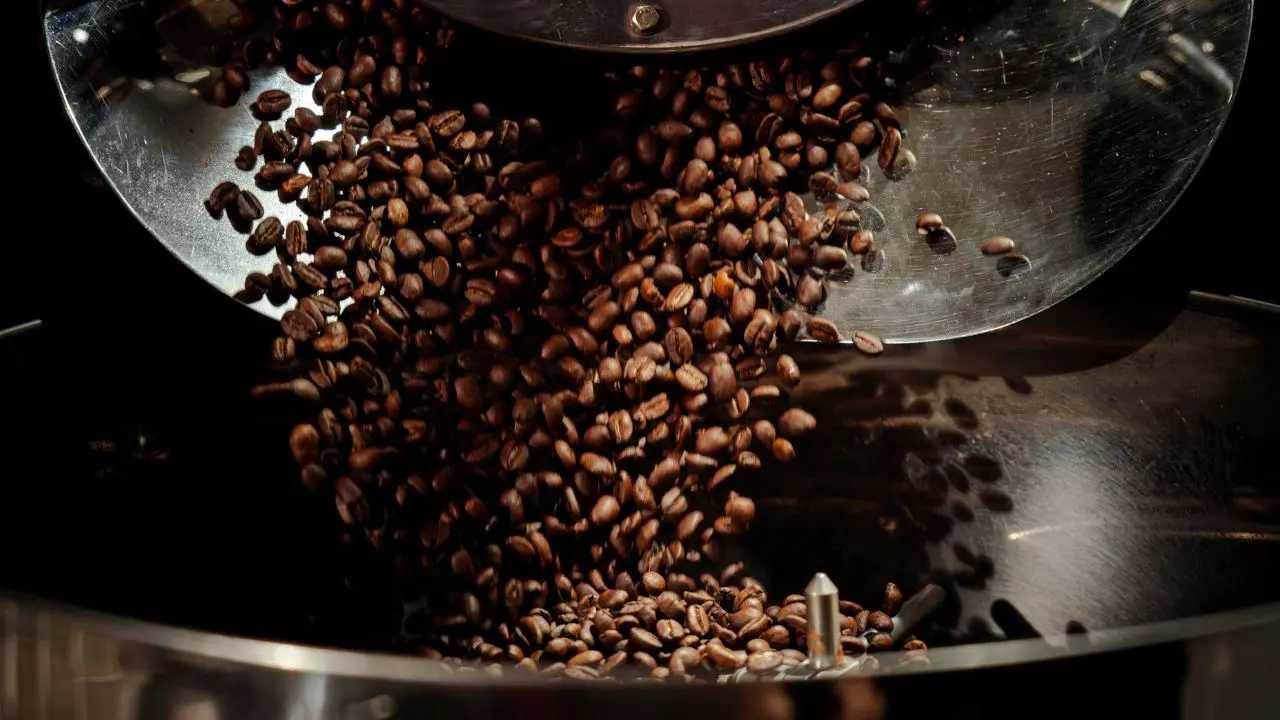
Specialty coffee is growing fast in the US, and most buyers prefer Arabica beans. While Indonesia primarily produces Robusta, US demand focuses on Arabica.
Arabica excels due to its ability to provide:
- Balanced acidity and a smooth mouthfeel
- Layered flavor complexity suitable for specialty programs
- Flexibility across espresso and filter brewing methods
Indonesian Arabica is firmly established as a normal good in the US market. As US import spending rises, demand for Indonesian coffee accelerates. A 1 percent increase in US spending leads to a 6.476 percent increase in Indonesia’s coffee market share.
Indonesia stands out for its diversity in specialty coffee, offering single-origin and seasonal products that few competitors can match. This versatility allows Indonesian Arabica to consistently meet the changing demands of US specialty roasters and consumers.
As more roasters compete in specialty coffee, they look for origins that offer both unique character and steady quality.
Specialty coffee refers to coffee that meets higher quality standards in terms of flavor, consistency, and sourcing. It is typically evaluated through structured tasting and emphasizes origin, processing, and traceability.
Indonesian Arabica Coffee Origins
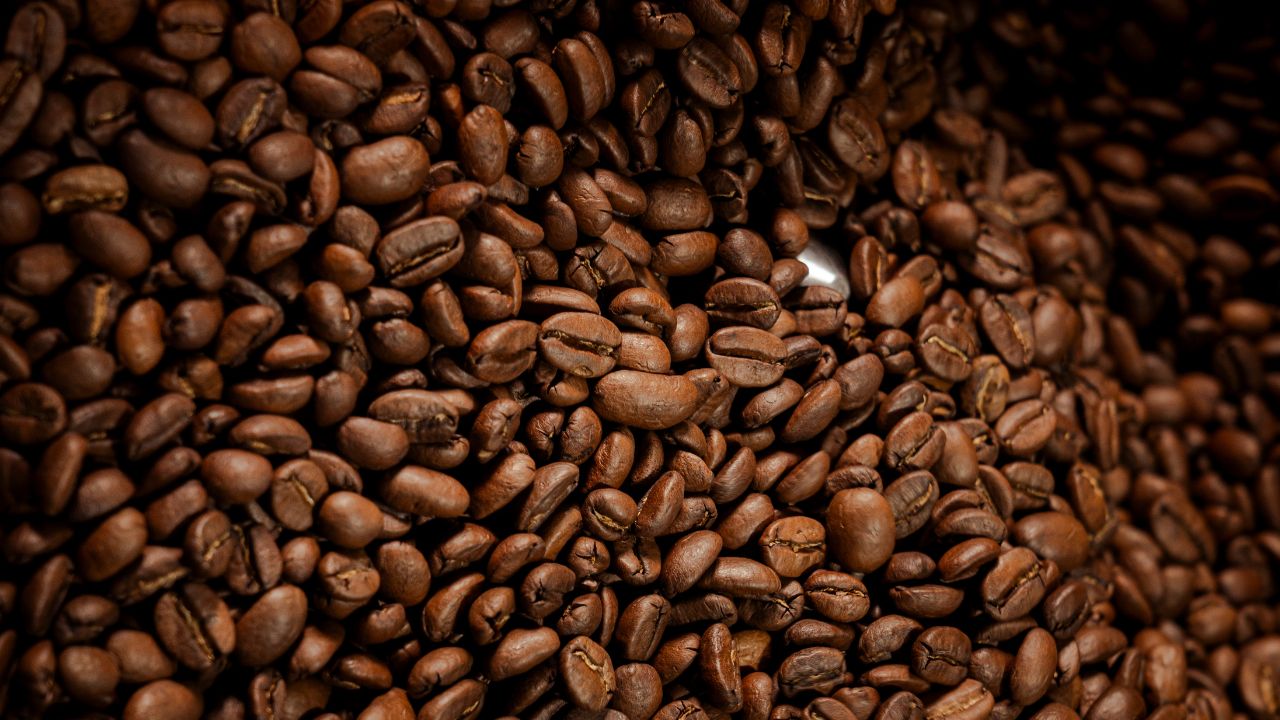
Indonesian coffee is globally recognized for its unique and diverse flavor profiles. These flavors are influenced by volcanic soil, high altitude, tropical climate, and traditional farming and processing methods still practiced today.
- Several regions in Indonesia are known for producing some of the world’s most sought-after Arabica coffee:
- Java coffee is valued for its steady profile, medium body, and clean, balanced taste.
- Bali coffee, known for its fresh citrus acidity and gentle floral notes, is shaped by the island’s unique climate and soil.
- Sumatra coffee with full body, mild acidity, and deep chocolate and spice flavors.
- Sulawesi coffee brings together herbal and cocoa notes with a rich, smooth body.
- Flores and Papua coffees each have their own profiles, often marked by sweetness and bright acidity.
For more insight, explore our article on how Indonesian coffee profiles change with region, altitude, soil, climate, and post-harvest handling.
Full body refers to the heavy, dense sensation coffee creates in the mouth. It contributes to a richer and more intense drinking experience.
Flavor Profiles That Appeal to US Roasters

Indonesia produces a wide variety of high-quality regional coffees. For specialty roasters, Indonesian Arabica stands out for its unique qualities that support blend development and single-origin offerings.
- A strong body to complement espresso blends
- Tasteful notes of chocolate, spice, and earthy depth from Sumatra
- Bali and Flores coffees offer bright citrus and floral aromas, giving blends a fresh, lively character.
- Complexity suited to single-origin coffee programs
- Agility across a range of roasting profiles
This combination lets roasters build varied product lines while maintaining their original identity.
Earthy depth refers to flavor notes resembling soil, wood, or herbs, combined with a strong, grounded taste structure. It is often associated with coffees from tropical regions.
How Indonesian Arabica Fits the US Specialty Coffee Market
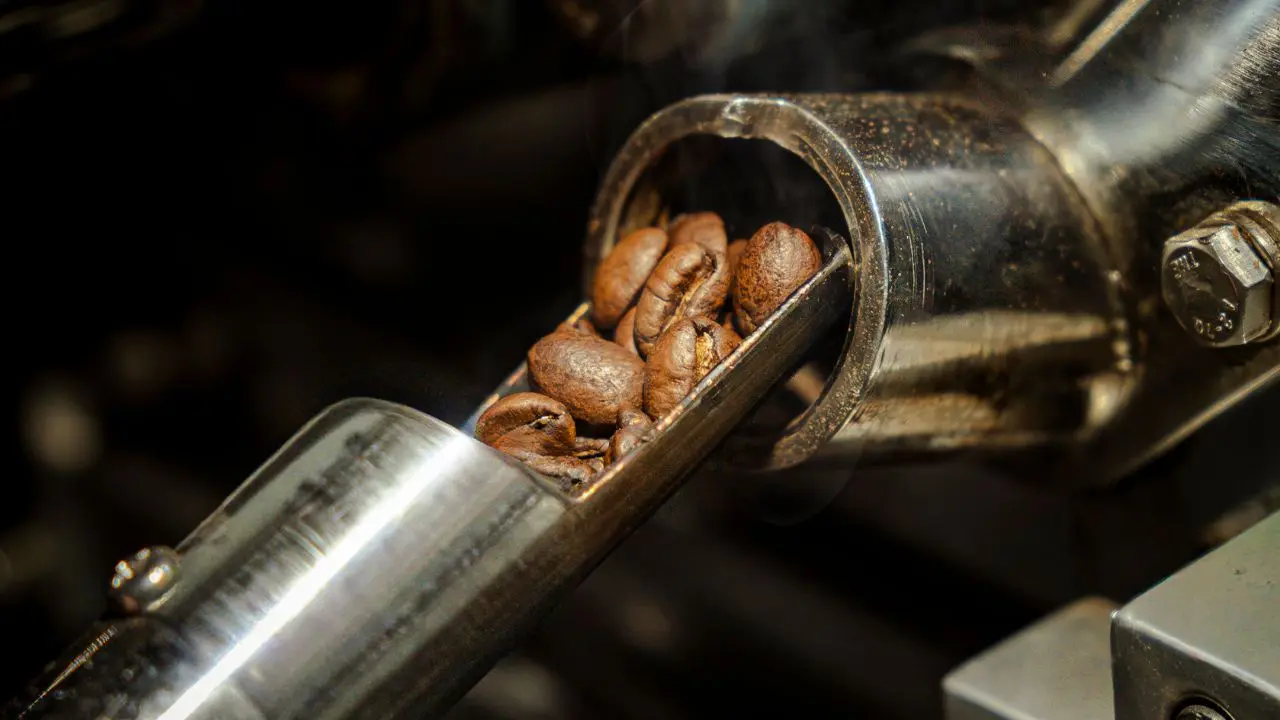
Arabica coffee is favored in the specialty coffee market for its complex physical and chemical qualities. Indonesian Arabica is becoming popular among US specialty coffee consumers, who are drawn to its origin identity and stories of how the coffee is shaped by its environment.
Indonesian Arabica coffee fits this trend due to its regional diversity. Each origin has distinct characteristics, allowing roasters to highlight specific flavors on their menus.
This variety helps roasters create seasonal menus, showcase single origins, and succeed in a crowded specialty market.
As more buyers seek unique origins, Indonesian Arabica is becoming a top choice among US coffee buyers and roasters.
According to data from the Central Statistics Agency (BPS), Indonesian coffee exports to the US increased from 36.6 million tons in 2023 to 44.3 million tons in 2024, with an export value of US$307.4 million.
The UN Comtrade report stated that demand for Indonesian coffee in the US is inelastic, where a 1 percent increase in the price of Indonesian coffee leads to only a 0.790 percent decrease in demand.
Higher prices sometimes increase Indonesia’s export share, as higher prices can reduce domestic coffee consumption, leaving more coffee available for export.
Indonesia continues to strengthen branding and promotion by focusing on quality at every step, from careful cherry selection to proper drying and certification. These efforts help ensure buyers receive coffee that meets high standards.
Inelastic demand refers to a situation where changes in price have a relatively small effect on demand. In this case, demand for Indonesian coffee remains strong even when prices increase.
Processing and Quality Control Behind Indonesian Arabica Supply
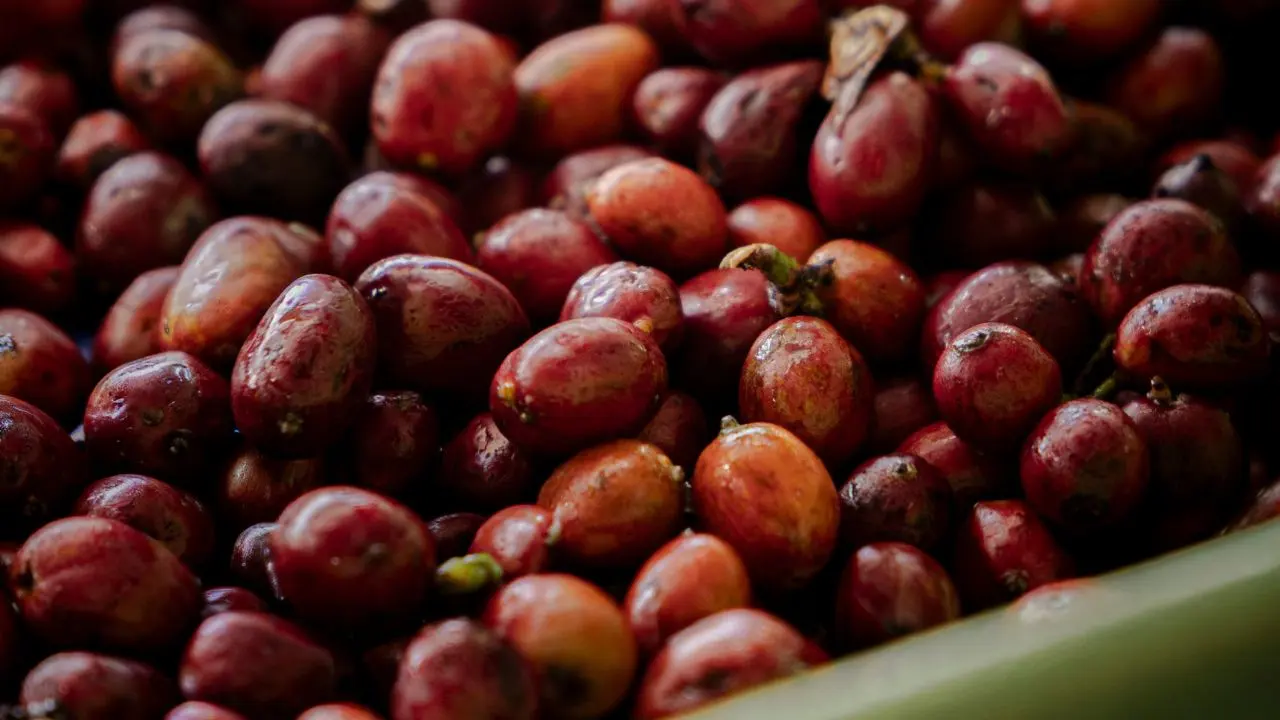
Where coffee is grown shapes its character, but how it is processed decides how that character comes through in the cup.
Indonesian coffee production is largely decentralized, with small plantations spread across various regions. This results in more consistent yields and structured post-harvest handling.
Traditional harvesting methods, still practiced on many plantations, also positively impact coffee bean quality. Farmers hand-pick coffee cherries at the optimal ripeness, ensuring a high-quality harvest.
After picking, farmers use time-tested processing methods, such as wet milling. These steps help bring out the coffee’s unique flavors.
Processing stages typically include:
- Washing to separate the cherries and prepare the beans
- Controlled drying to stabilize moisture content
- Sorting and grading to ensure consistent quality
Bali Origins supports this process by partnering with carefully selected plantations and implementing a structured system for processing and roasting coffee designed for global buyers.
Through controlled operations and stringent quality standards, Indonesian Arabica coffee maintains its original character and reliable commercial performance.
Wet milling is a processing method in which coffee cherries are pulped, washed, and partially dried before further processing. This method helps define clarity and structure in the final cup.
What US Buyers Look for When Sourcing Indonesian Arabica
For US buyers, sourcing Arabica coffee means balancing flavor quality and supply reliability.
Buyers typically evaluate Indonesian Arabica coffee based on:
- Steady quality across batches
- Stable moisture levels
- Identity of origin
- Flavor credentials and differentiation
- Reliable supply for long-term procurement
These factors are important for maintaining product consistency in both specialty and commercial coffee roasting operations.
Reliable processing facilities are necessary to connect Indonesian coffee plantations to the US and global markets.
Bali Origins supports meticulous post-harvest processing, controlled drying, and consistent quality to maintain the stability of green coffee beans for roasting and distribution. If your company is exploring Indonesian coffee for wholesale supply, connect with Bali Origins to learn more.
Indonesian Arabica Bean Coffee FAQs:
What Is Arabica Bean Coffee?
Arabica bean coffee refers to coffee produced from Coffea Arabica, known for its balanced acidity, smooth mouthfeel, and complex flavor profile. It is widely used in specialty coffee for its ability to express origin characteristics and to support diverse roasting approaches.
Why Is Indonesian Arabica Gaining Popularity in the US Market?
Indonesian Arabica is gaining popularity due to its flavor complexity, versatility, and consistent performance across brewing methods. In the US specialty market, increasing demand for high-quality Arabica has positioned Indonesian origins as competitive options for roasters seeking both uniqueness and reliability.
What Makes Indonesian Arabica Different from Other Arabica Coffees?
Indonesian Arabica stands out due to its regional diversity and environmental conditions. Volcanic soils, high altitudes, and tropical climates contribute to a wide range of flavor profiles, from bright citrus and floral notes in Bali to chocolate, spice, and earthy depth in Sumatra.
Which Regions Produce Indonesian Arabica Coffee?
Key regions producing Indonesian Arabica include Java, Bali, Sumatra, Sulawesi, Flores, and Papua. Each region offers distinct characteristics shaped by altitude, soil composition, and climate, allowing buyers to select coffee based on specific flavor and roasting goals.
What Flavor Profiles Are Common in Indonesian Arabica Coffee?
Indonesian Arabica coffee can range from bright and citrus-forward to full-bodied and spice-driven. Bali and Flores often show floral and citrus notes, while Sumatra and Sulawesi are known for deeper chocolate, herbal, and earthy characteristics. This diversity supports both single-origin and blend development.
Why Do US Roasters Choose Indonesian Arabica Coffee?
US roasters choose Indonesian Arabica for its ability to support both blend structure and single-origin programs. It offers a strong body for espresso blends, as well as complexity and clarity for specialty menus, making it adaptable across different roasting and brewing styles.
How Does Indonesian Arabica Support Specialty Coffee Programs?
Indonesian Arabica supports specialty programs through its diverse origins and flavor variations. Roasters can build seasonal menus, highlight regional characteristics, and differentiate their offerings using coffees from different Indonesian regions.
What Do Buyers Look for When Sourcing Indonesian Arabica Coffee?
Buyers typically evaluate Indonesian Arabica based on consistency, moisture stability, traceable origin, flavor differentiation, and supply reliability. These factors ensure the coffee performs well in roasting and meets long-term sourcing requirements.=
Is Indonesian Arabica Suitable for Long-Term Coffee Sourcing?
Yes. Indonesian Arabica offers both diversity and scalability, making it suitable for long-term sourcing strategies. When supported by reliable processing systems and quality control, it can deliver consistent results across multiple harvest cycles and production volumes.