
Natural process coffee is dried as whole cherries, with the fruit remaining around the beans until drying is complete. This traditional method requires careful control of drying conditions to ensure a clean cup and consistent quality.
At Bali Origins, we treat coffee processing as a controlled operation focusing on raw material selection, drying, quality checks, and preparation. Our team works with coffee from plantations in Bali and Lombok to meet our B2B partners’ product requirements.
In this article, we explain how natural processing works, why drying conditions matter for quality, and how wholesale buyers can weigh the risks and benefits of choosing natural coffee.
What Is Natural Process Coffee?
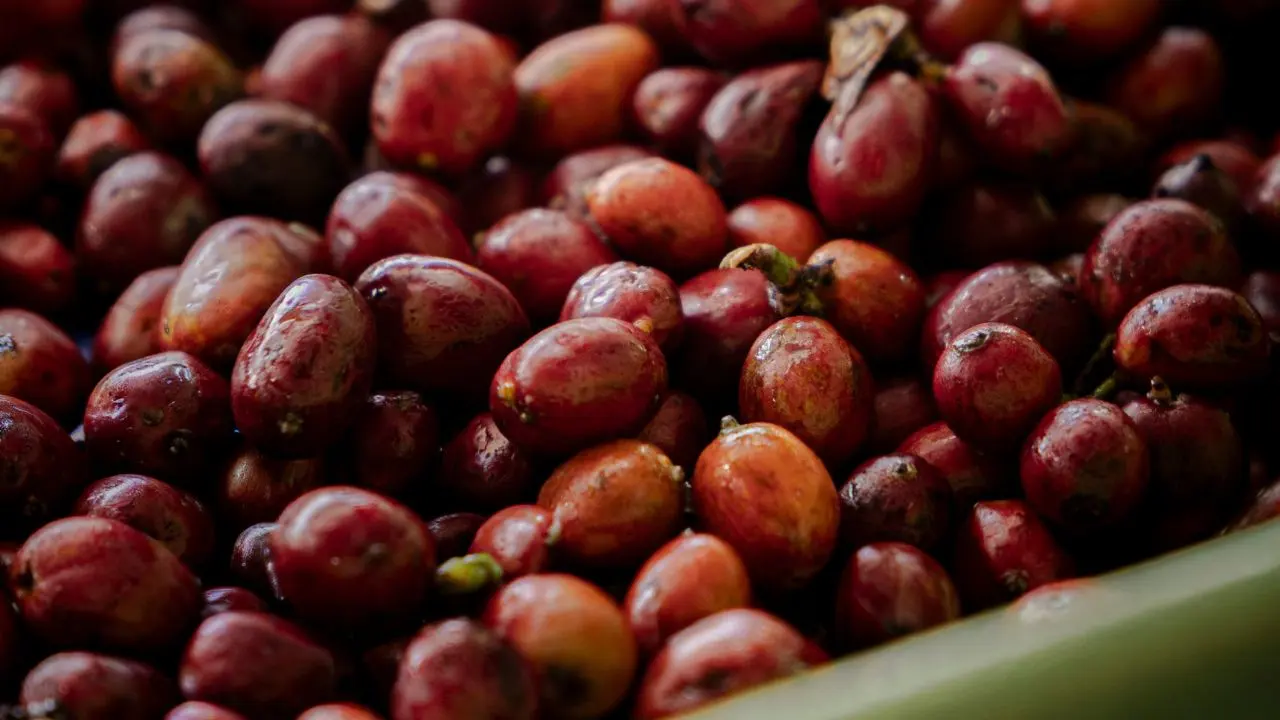
Natural process coffee, also called dry-processed coffee, is dried with the whole cherry intact. Unlike washed processing, which removes the fruit layers before drying, the natural method keeps the cherry around the beans until most of the drying is complete. Hulling then removes the dried outer layers.
As the beans dry inside the fruit, natural processing can create distinctive flavor profiles. Depending on origin, variety, ripeness, and handling, flavors may include berry, tropical fruit, dried fruit, or chocolate notes, along with a fuller body or pronounced sweetness.
Natural processing is common in regions with limited water or where local practices favor this method. Ethiopia, Brazil, and Yemen are known for natural coffees, and Indonesia also uses this approach.
How the Natural Process Coffee Works
Natural processing has several steps, and each one influences the final quality of the coffee.
- Cherry selection: Ripe cherries are selected, and unripe, damaged, or unsuitable fruit is removed. Floating may also separate lower-density cherries.
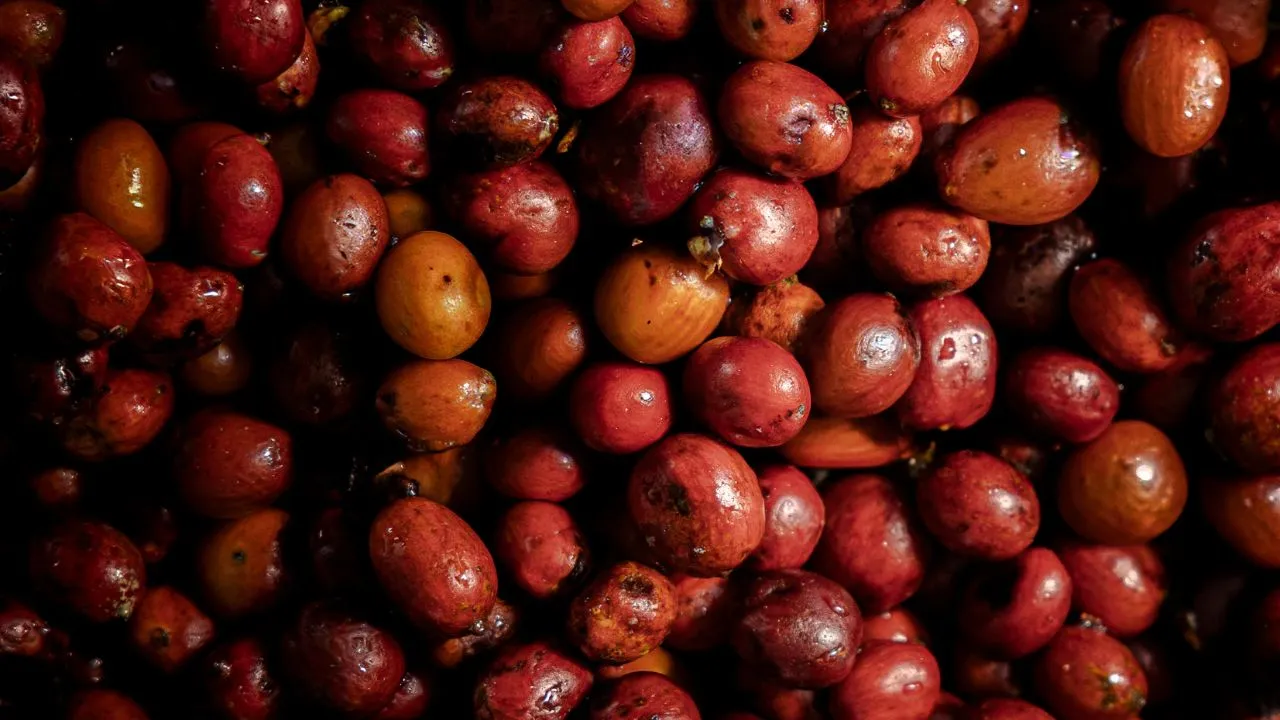
- Drying: The whole cherries are spread out on drying beds, patios, or other surfaces. They need to be turned often to dry evenly and to stop moisture from building up.
- Weather protection: Coffee is covered or moved under shelter when it rains or when humidity is high. Good airflow and keeping out extra moisture are important during this time.
- Hulling: Once the cherries are dry enough, the outer layers are removed to release the green coffee beans.
- Quality sorting: After hulling, workers check and sort the coffee to remove defects before grading, packing, and storage.
Natural process coffee cherries typically take several weeks to dry in the sun. Because the cherries remain intact throughout drying, this method generally takes longer than washed processing.
Why Drying Determines Coffee Quality
Drying is a critical stage in natural processing because it affects the coffee’s physical condition, storage stability, and cup quality.
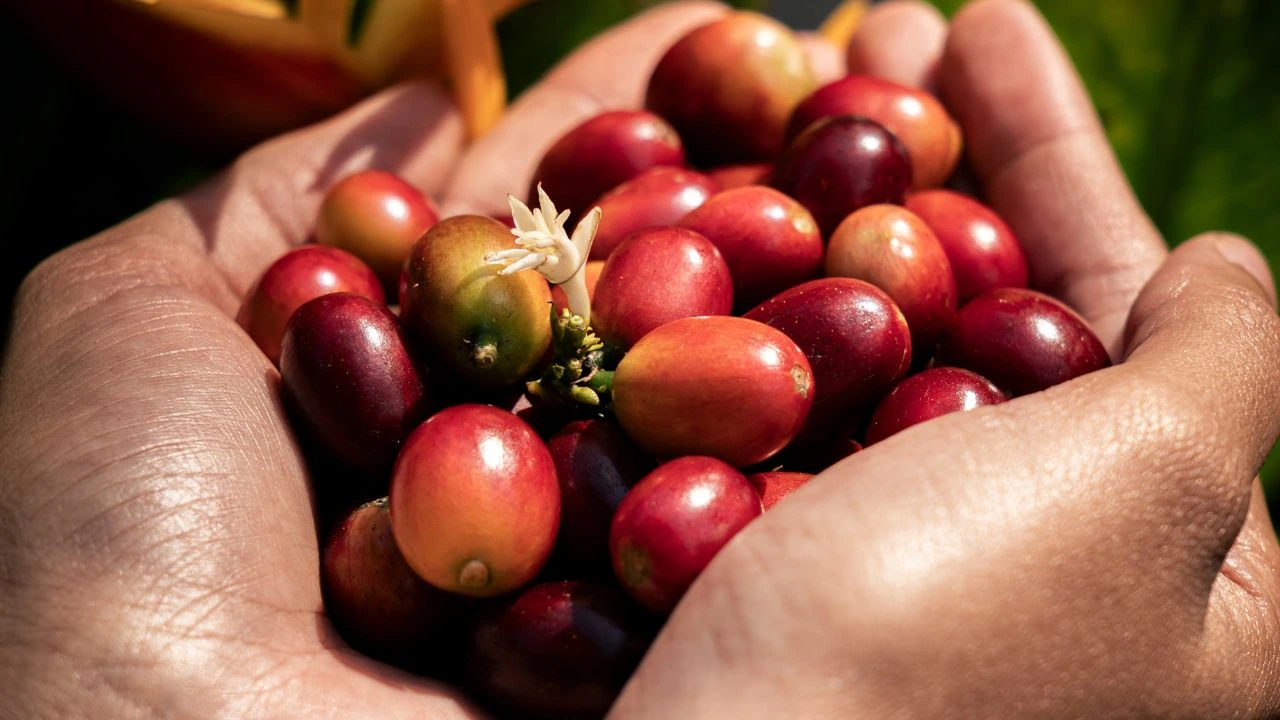
Whole cherries contain significant moisture and must dry gradually to allow moisture to move out of the fruit and beans. Poorly managed drying conditions cause quality problems.
Slow drying or moisture buildup in the drying bed increases the risk of mold and undesirable flavors. Uneven drying can result in inconsistent moisture levels, complicating storage and roasting.
The aim is to dry the coffee evenly in controlled conditions. Important factors are:
- Layer thickness: Spreading cherries in appropriate layers promotes airflow and even drying.
- Turning frequency: Regular turning minimizes uneven exposure to air and sunlight.
- Airflow: Good air movement lets moisture leave the cherries as they dry.
- Weather protection: Covering or relocating coffee during rain or high humidity prevents moisture buildup.
- Moisture monitoring: Checking moisture levels enables processors to determine when coffee is ready for hulling, storage, or further preparation.
High humidity makes drying more challenging in tropical regions. In these wetter areas, natural processing requires closer attention and careful drying control. Consistent results depend on both the method and its execution.
The Risks Commercial Buyers Should Understand
For roasters, distributors, and other wholesale buyers, the main concern is whether a natural coffee lot meets the required quality specifications and maintains a suitable profile across orders.
| Risk | Potential causes | What buyers may notice |
| Mold and spoilage | Prolonged moisture exposure, poor airflow, or inadequate drying management | Musty aromas, undesirable cup characteristics, or a lot that fails quality requirements |
| Undesirable fruit notes | Poor cherry selection or inadequate control of drying conditions | Sour, overly intense, or otherwise unbalanced flavor characteristics |
| Uneven drying | Inconsistent layer depth, irregular turning, or variable airflow | Differences in bean moisture, uneven roasting behavior, or inconsistent cup results |
| Lot-to-lot variation | Changes in weather, harvest conditions, cherry ripeness, or processing practices | Differences in flavor profile between shipments |
| Higher defect levels | Insufficient sorting before or after drying | More sorting losses and a lower proportion of usable beans |
These risks can happen with any processing method, but because natural coffees dry longer and the whole cherry stays on, careful drying is especially important.
Buyers can reduce risk by evaluating how the processor handles the coffee, checking each lot’s condition, and reviewing any quality information. One sample can show what to expect in the cup, but it does not guarantee that every shipment will taste the same.

The Benefits: Cup Profile and Commercial Value
When natural coffees are processed with care, they can develop unique flavors that fit certain products and customer tastes.
- Sweetness: Natural process coffee is noted for its pronounced sweetness, developed by drying beans within the whole coffee cherry.
- Body: This process typically yields a fuller, rounder mouthfeel, giving the coffee a rich and smooth character.
- Acidity: Natural process coffee generally has lower perceived acidity, creating a softer, less sharp cup profile.
- Flavor notes: Common tasting notes include berries, tropical fruits, dried fruit, and chocolate. Some lots may also display wine-like or intensely fruity characteristics.
For roasters, a well-prepared natural coffee can stand out as a single-origin option or add fruit notes and body to an espresso blend. Cafés and distributors can also use it to expand their product range and give customers a new flavor experience.
Evaluating Natural Process Coffee Before Buying
When sourcing natural process coffee for wholesale, buyers should assess cup profile and handling requirements. Consider the following factors when making purchasing decisions:
- Cherry selection: Confirm how cherries are selected for ripeness and how unripe or defective fruit is removed before drying.
- Drying management: Review drying surfaces, turning frequency, airflow, and measures to protect against rain or high humidity.
- Moisture content: Verify the reported moisture level and the measurement method before storage and shipment.
- Cup profile: Evaluate a representative sample to ensure it meets the desired flavor characteristics.
- Physical quality: Review defect levels, sorting standards, and relevant grading information.
- Storage and packaging: Assess post-drying and hulling storage, and how packaging protects the coffee during transport.
- Supply consistency: Clarify lot identification and evaluation processes for repeat orders.
Moisture requires special attention because it impacts storage stability and roasting. For more information, refer to our guide on bean moisture content and roasting.
Pre-shipment samples and lot specifications help set expectations, but buyers should account for natural variation between harvests. Clear specifications and consistent evaluation practices support reliable repeat purchasing.
What Is Moisture Content in Green Coffee?
Moisture content is the amount of water present in green coffee beans, usually expressed as a percentage of their weight. It affects storage stability, deterioration risk, and roasting behavior. Buyers review moisture measurements to assess whether a coffee lot is suitable for storage, shipment, and further processing.
Turning Natural Process Risk Into Reliable Supply
Natural process coffee can offer distinctive sweetness, fruit character, and body. Its commercial suitability depends on raw material quality and care during processing. Understanding how a lot is dried, evaluated, and prepared helps buyers make more informed sourcing decisions.
Bali Origins supplies premium Indonesian coffee, focusing on processing, quality control, and product preparation to meet B2B requirements. Our team works with coffee from Bali and Lombok to support buyers looking for coffee that fits their product ranges.
If you are exploring natural process coffee for a wholesale program, contact our team to discuss available products, samples, and relevant product documentation.
Natural Process Coffee FAQs
A. What is natural process coffee?
Natural process coffee is dried as whole cherries, leaving the fruit on until drying is complete. Hulling removes the dried outer layers before sorting and grading.
B. Why does natural process coffee taste fruity?
Natural processing can produce fruity flavor characteristics because the beans dry inside the whole cherry.
C. How long does natural process coffee take to dry?
Natural process coffee typically takes 2–6 weeks to dry in the sun. The whole coffee cherry remains intact during drying, so moisture must leave both the fruit and the beans before the dried outer layers can be removed.
D. Is natural process coffee harder to source consistently?
It can present additional challenges because the whole cherries remain intact throughout drying, making the process sensitive to weather and handling. Careful cherry selection, drying management, moisture monitoring, and quality sorting can help improve consistency, although variation between lots can still occur.
E. What is the difference between washed and natural process coffee?
Washed coffee removes the outer fruit layers before drying, while natural process coffee is dried with the whole cherry intact. Washed processing typically produces a cleaner cup with brighter acidity, while natural processing is known for greater sweetness, fuller body, and fruity notes.
F. Is natural process coffee better than washed coffee?
Neither method is inherently better. Natural coffees may offer pronounced fruit character, sweetness, or fuller body, while washed coffees are often associated with cleaner, more clearly defined flavor profiles. The better choice depends on the intended product, customer preferences, and the characteristics of the individual lot.