
Java coffee beans have long been a part of the global coffee trade. As one of the oldest coffee-producing regions in Indonesia, Java has developed a more structured production system than other coffee-producing regions.
Java coffee stands out for its balance and steady performance. Arabica beans from this region produce a clean cup with herbal and spicy notes. For buyers, this means coffee that delivers quality and consistency every harvest.
High-quality Java coffee strengthens Indonesia’s position as a top Arabica origin. Many buyers use Java beans in blends to add body and balance, making them a reliable option for commercial coffee products.
This article explores what sets Java coffee apart in today’s market, how its beans perform during roasting, and why they remain important to large-scale buyers.
How Java Coffee Beans Are Grown and Produced
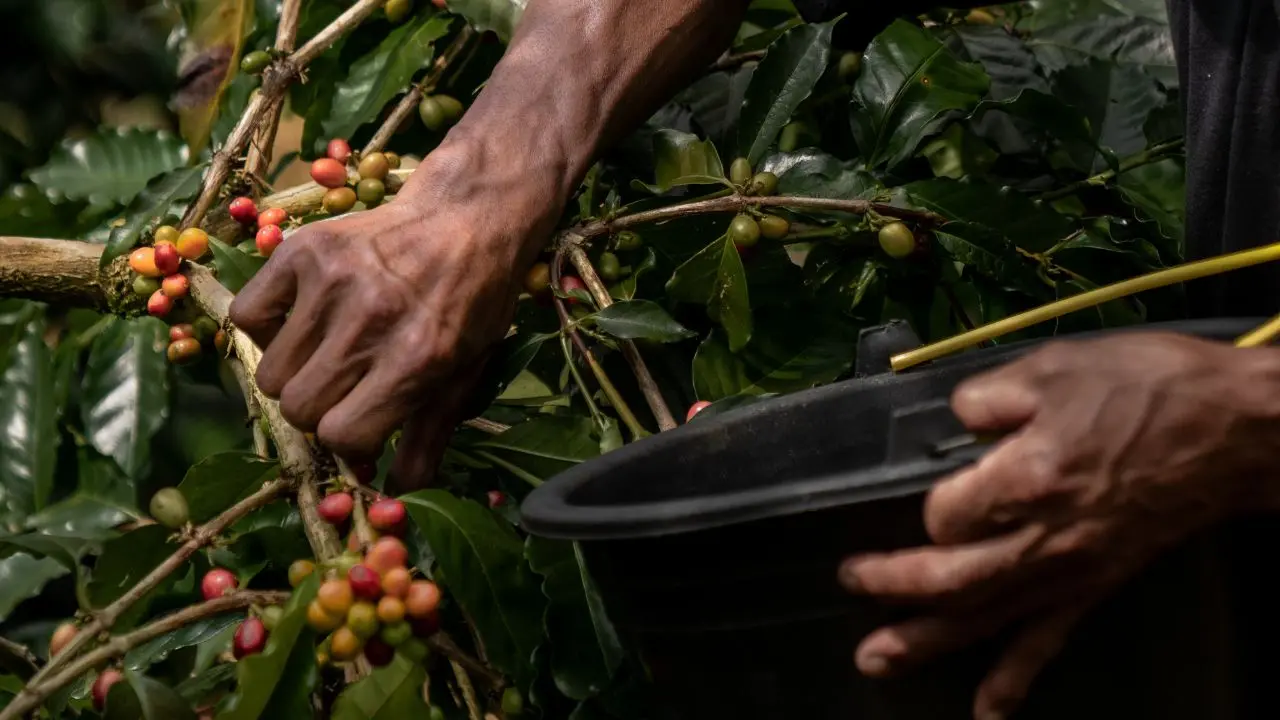
Java coffee beans are cultivated in several highland regions on the island of Java, Indonesia. Internationally, the name “Java coffee” is valued as a premium Arabica label.
Coffee production in Java is structured, with well-developed cultivation and post-harvest practices that support consistent yields.
The heart of Java coffee production lies in Bondowoso Regency, East Java, especially in the Ijen and Raung highlands.
Coffee trees grow at elevations between 900 and 1,600 meters. The cool, high-altitude climate allows cherries to ripen slowly and creates a balanced cup.
In Java, farmers follow a structured system focused on:
- Uniform planting and harvesting cycles, supporting a predictable supply
- Management of shade and soil conditions, helping maintain bean quality
- Coordinated post-harvest handling, improving consistency across batches
Farmers protect crops and keep soil healthy by planting coffee beneath taller shade trees using agroforestry systems.
When the cherries are ripe, they are handpicked and sorted by size and quality.
Most Java coffee is processed with the wet-hulling method, which gives the beans a thick body and gentle acidity.
To develop unique flavors, some producers now use anaerobic fermentation. Whole, sorted cherries ferment in sealed tanks for about 36 hours before drying.
Agroforestry is a farming system where coffee is grown alongside trees and other crops. This approach helps protect soil, regulate shade, and support long-term farm sustainability.
How Java Coffee Is Positioned Among Indonesian Origins
Each coffee region in Indonesia has its own unique flavors and supply patterns. While Java is not the top producer of Arabica or Robusta, it remains a significant and unique coffee-growing region.
Compared to other regions, Java coffee is often associated with:
- A more balanced and stable flavor profile
- A cleaner structure that supports repeatability
- An organized production process,
- A strong fit with commercial supply needs.
Java coffee beans are known for their unique flavors. For example, Ijen-Raung Arabica from East Java combines spicy notes with hints of ginger.
This coffee has low acidity, a rich aroma, and a herbal aftertaste. These qualities make it popular with coffee lovers around the world.
This region is recognized for producing high-quality coffee, and its beans are locally protected as intellectual property.
Because of these qualities, Java coffee serves as a reliable standard in Indonesia’s coffee industry.
If you want to learn about other coffee varieties, check out our article on Indonesian coffee flavor profiles.
What Makes Java Coffee Suitable for Consistent Roasting?
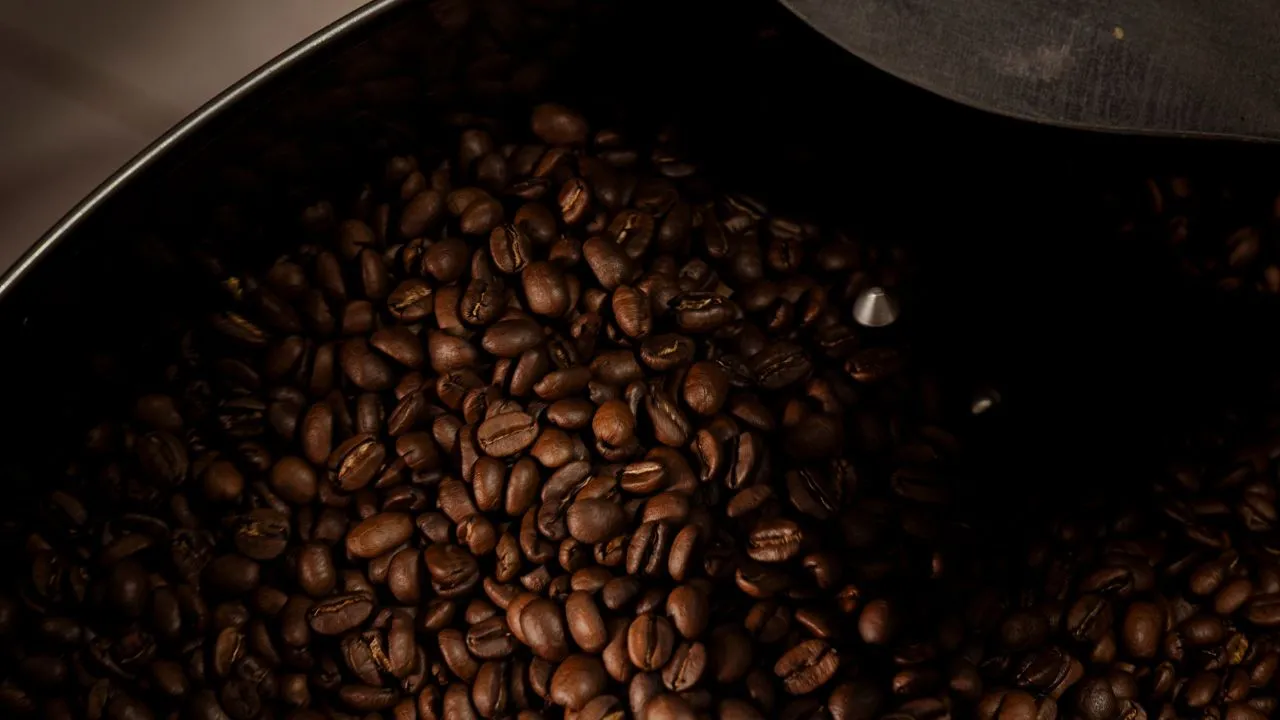
Java coffee is known for its consistent roasting performance, resulting from careful cultivation, preparation, and sourcing.
During roasting, Java coffee typically provides:
- Stable heat absorption from uniform bean structure
- Consistent flavor development across roast levels
- Minimal batch-to-batch variation with proper handling
Java coffee shows its best qualities when roasted to a medium or dark level.
This roast level brings out the full body, keeps the natural sweetness, and highlights Java’s unique flavors.
Roasting coffee beans too dark increases bitterness, reduces aroma, and eliminates the beans’ natural sweetness and acidity.
Java coffee is sensitive to excessive heat. Extended roasting can degrade essential compounds, lower antioxidant levels, and compromise aroma quality.
For regional varieties such as Java Ijen-Raung Arabica, quality depends on careful roasting. Researchers have found that roasting for under 13 minutes and finishing at about 185°C brings out the best balance of flavors.
Heat absorption refers to how coffee beans take in heat during roasting. It affects how evenly the beans develop flavor.
How Java Coffee Performs in Commercial Applications
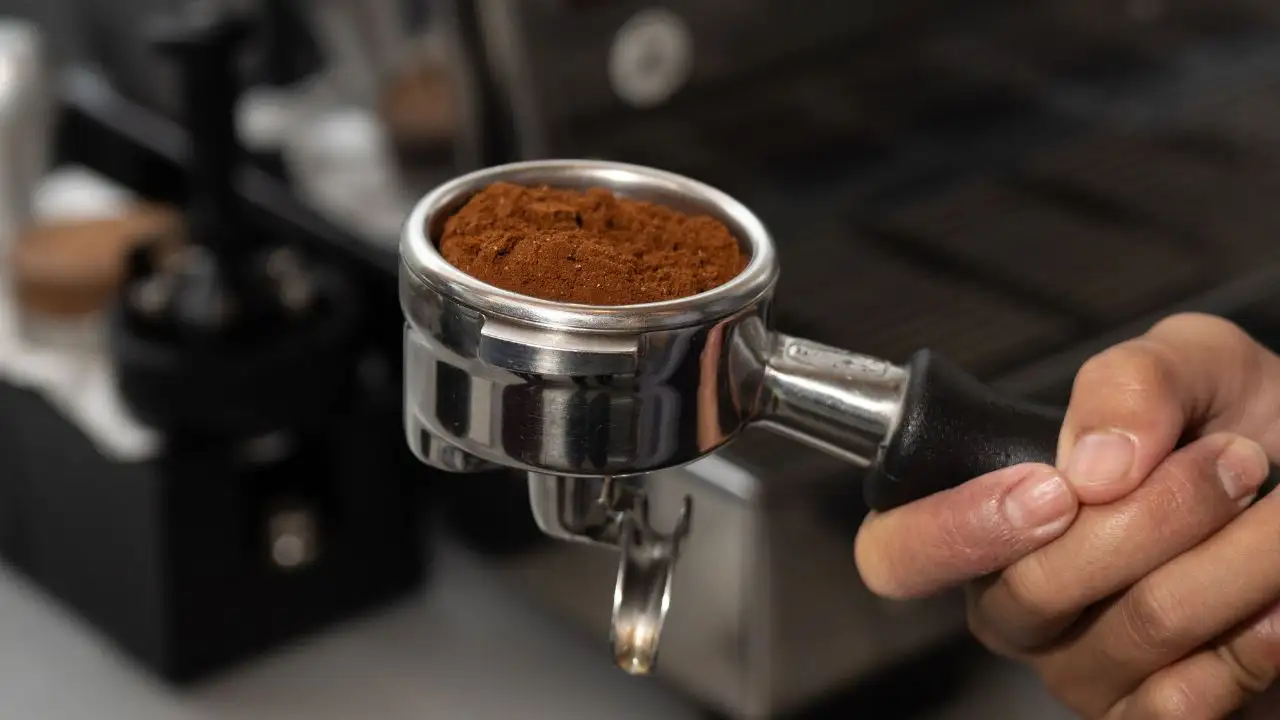
Java coffee is offered as a premium single-origin and as a reliable choice for blends. It is used by retailers, cafes, and specialty exporters who value its consistent quality.
In cafes, Java coffee adapts well to multiple brewing methods. For espresso, Java beans add chocolate notes and depth to blends.
Darker roasts of Java coffee are often used for cold brew. They reduce acidity and highlight the coffee’s natural sweetness.
French press brewing emphasizes rich, spicy notes, while pour-over and drip methods highlight the clean aroma and sweetness of washed Java beans.
Java coffee is also sold in retail formats such as coffee bags and drip bags, appealing to consumers who value precise dosing and a mess-free experience.
However, the commercial value of Java coffee depends on farmers’ incomes, price stability, and added value from processing.
Many farmers lack the post-harvest handling skills required to consistently produce high-quality green coffee beans.
Structured processing and careful preparation are essential. At Bali Origins, we source coffee from select plantations and have certified professionals handle post-harvest processing, quality control, and preparation.
By prioritizing quality at this stage, we achieve more consistent roasting and help Java coffee stand out in the commercial market.
Drip coffee is a brewing method in which hot water is automatically passed through coffee grounds using a machine. It produces a consistent and clean cup.
Why Java Coffee Beans Remain Relevant in Global Markets
Java coffee continues to hold a strong place in the global coffee market.
Several factors support this steady demand.
- Java has well-established production systems that help ensure a reliable supply.
- Buyers know what to expect from Java coffee’s flavor, which supports consistent quality.
- The supply can be scaled across different seasons, making it easier for businesses to plan ahead.
Java coffee fits both specialty and commercial markets, giving buyers more options for their products.
Java coffee beans are known for a rich, heavy flavor profile that sets them apart from many coffees from Africa or Latin America.
Because of their rich texture and unique flavor, Java coffee beans can be used in a wide range of commercial products.
For buyers, Java coffee provides consistency and stability. It can also be blended with other coffees without taking over the overall flavor.
What Should Buyers Prioritize When Sourcing Java Coffee Beans?
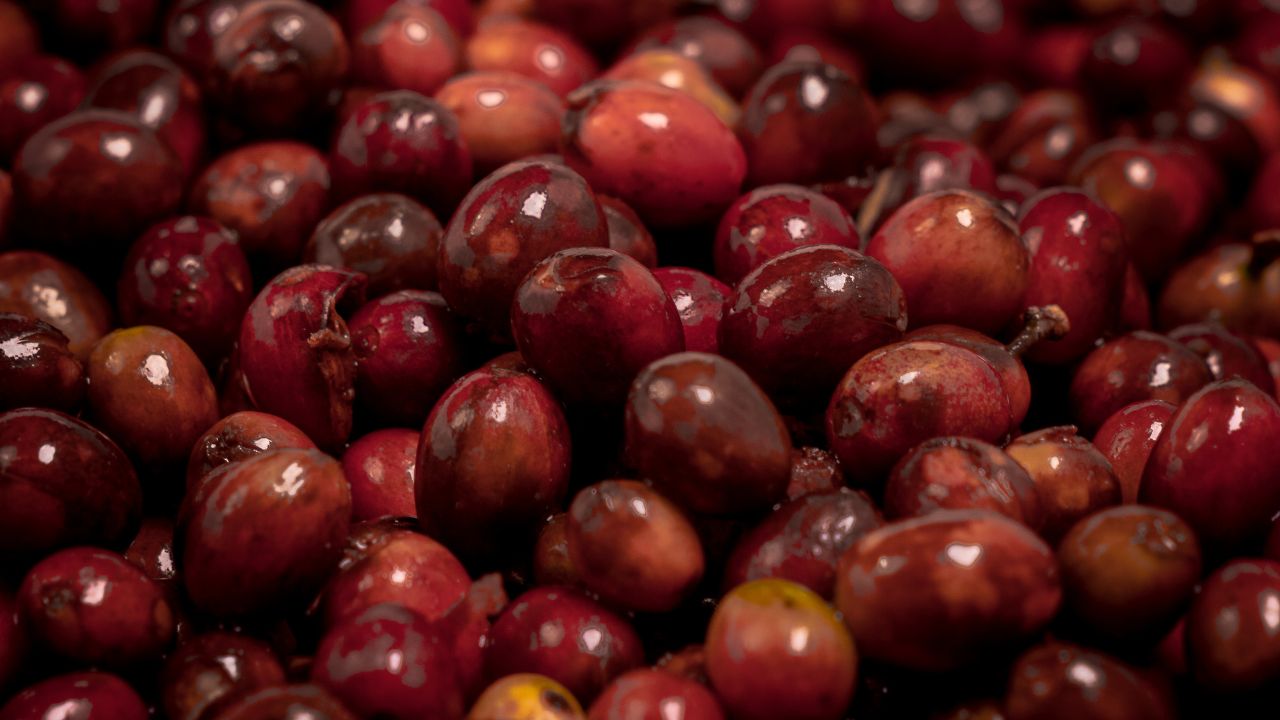
Selecting Java coffee starts with defining brewing goals, understanding origin, and ensuring flavor and supply align with business needs.
Buyers seeking bold, low-acid coffee should consider wet-hulled Java, which features distinctive earthy and nutty notes.
For a cleaner cup and brighter aroma, washed Java coffee highlights subtle citrus and floral notes.
Consistency and steady supply matter for coffee buyers. Sourcing directly from trusted plantations and farmer groups ensures both.
This approach supports traceability and maintains high quality from farm to cup.
Washed processing removes all fruit before drying, allowing beans to dry in a stable and controlled environment. This produces cleaner flavors, higher clarity, and more defined acidity. Wet-hulled processing removes the outer layer while the beans are still moist, which alters how they dry and develop. This results in a heavier body, lower acidity, and more muted or earthy flavor characteristics.
How Java Coffee Is Prepared for Reliable Global Supply
The role of Java coffee in the global market depends on maintaining consistency throughout the process, from sourcing to preparation.
Export and wholesale businesses prioritize clear traceability and consistent quality control to meet international standards.
Bali Origins ensures this by sourcing from select plantations and implementing a controlled processing and roasting system managed by a certified team.
This process maintains batch consistency and delivers reliable results across various roasting contexts and markets.
For companies incorporating Java coffee into a broader sourcing strategy, Bali Origins offers a dependable supply to support consistency, scalability, and long-term commercial needs. Contact us to learn more or discuss collaboration opportunities.
Java Coffee Beans FAQs
What Are Java Coffee Beans Known For?
Java coffee beans are known for their balanced flavor, low acidity, and consistent roasting performance. They often present herbal, spicy, and slightly sweet characteristics, making them suitable for both single-origin and blend applications.
Where Are Java Coffee Beans Grown?
Java coffee beans are primarily grown in the highland regions of East Java, especially in Bondowoso, Ijen, and Raung. These regions are at elevations between 900 and 1,600 meters, with volcanic soil and a stable climate that supports consistent coffee production.
How Do Java Coffee Beans Differ from Other Coffee Beans?
Java coffee beans differ from many other coffee beans due to their balanced structure, lower acidity, and consistent roasting performance. Compared to coffees from Africa or Latin America, which often highlight bright acidity or fruit-forward notes, Java coffee emphasizes body, stability, and a more grounded flavor profile, making it well-suited for blends and commercial use.
What Are the Flavor Notes of Authentic Java Coffee Beans?
Authentic Java coffee beans typically feature herbal, spicy, and chocolate-like notes, often accompanied by subtle sweetness and a clean finish. Some regional varieties, such as those from Ijen-Raung, may include hints of ginger or mild earthy tones, contributing to their distinctive character.
Why Are Java Coffee Beans Popular in Commercial Coffee Supply?
Java coffee beans are widely used in commercial coffee because they deliver stable quality, predictable flavor, and scalable supply. Their balanced profile makes them suitable for blends, helping maintain consistency across large production volumes.
What Makes Java Coffee Beans Suitable for Roasting?
Java coffee beans have a uniform structure and stable moisture content, which supports consistent heat absorption during roasting. This allows roasters to achieve predictable flavor development across batches.
What Roast Level Works Best for Java Coffee Beans?
Java coffee beans typically perform best at medium- to dark-roast levels. These profiles enhance body, sweetness, and spice notes while maintaining overall balance. Excessive roasting can reduce aroma and natural complexity.
How Are Java Coffee Beans Used in Brewing?
Java coffee beans are versatile and can be used in espresso, pour-over, French press, and cold brew. Espresso highlights body and chocolate notes, while pour-over emphasizes clarity and aroma. Darker roasts are often used for cold brew to enhance sweetness and reduce acidity.
What Should Buyers Consider When Sourcing Java Coffee Beans?
Buyers should consider origin traceability, flavor profile alignment, processing methods, and supply consistency. Choosing between different processing styles can help match Java coffee to specific roasting and brewing goals.
How Does Bali Origins Support Java Coffee Bean Supply?
Bali Origins sources Java coffee beans from selected plantations and applies controlled processing, quality control, and preparation systems managed by a certified team. This ensures consistent roasting performance, stable supply, and reliable results for global B2B buyers.