
The origin of a coffee bean plays an important role in shaping how its flavors develop in the cup. Different regions produce coffee beans with varying qualities, shaped by local climate, soil, and farming methods.
The origin of a coffee bean reflects the environmental conditions and how the beans were handled after harvest. These factors influence coffee’s structure, flavor, and its response to the roasting process.
This article explains what coffee origin means in practice, how it shapes quality and consistency, and how single-origin and blended coffees are used by today’s coffee professionals.
What Coffee Bean Origin Means
Coffee bean origin refers to the geographic location where the coffee was grown. This can be a country, a region, a single plantation, or even a specific lot.
In specialty coffee, transparency about bean origin is fundamental, enabling understanding of the environmental context behind the coffee.
Several things help define a coffee bean’s origin:
- Altitude
- Soil composition
- Climate and rainfall patterns
- Farming methods
- Post-harvest handling
These variables influence how the coffee cherries are processed through to the final stage.
Origin represents a mixture of environmental and operational variables. Altitude influences bean density; soil composition influences nutrient development; climate shapes the growth cycle; post-harvest handling determines moisture stability, and the degree of damage to the bean.
Why Origin Transparency Matters in Coffee

Origin transparency became more important as specialty coffee grew and traceability gained attention in the global coffee trade.
For much of the twentieth century, coffee was traded largely as a commodity. Beans from different regions were mixed together and sold with little detail about their origin. Buyers focused mainly on price and basic grades.
As specialty coffee has developed, producers and roasters have placed more emphasis on traceability and clear sourcing.
Understanding where coffee is grown gives buyers insight into the conditions, farming practices, and processing steps that influence quality.
Sourcing teams now track region, harvest period, and post-harvest handling to better understand and predict year-to-year changes in flavor and roasting results.
Traceability refers to the ability to track coffee back to its origin and handling history through documented records. It allows buyers to verify sourcing information and monitor quality across harvests.
How Origin Influences Coffee Quality

Coffee quality begins with its origin. The growing environment determines the coffee bean’s potential from the outset.
Altitude influences the density of the coffee bean. Climate influences the ripeness of the coffee cherry, and soil type determines how the plant absorbs nutrients. These factors determine the structure and chemistry of the coffee bean before it enters processing.
Coffee grown at higher elevations is usually denser and has brighter acidity. In some areas, this also leads to a heavier body and more complex flavors. Volcanic soils add balanced sweetness and clean mineral notes.
Specialty coffee programs focus on Arabica grown at high altitudes, where the cooler temperatures and unique conditions produce more complex flavors. Commercial programs often use Robusta because of its robust flavor, thicker texture, and ease of handling in large-scale production.
Careful and consistent handling after harvest helps shape the coffee’s flavor and ensures it stays true to its natural character.
Cup character refers to the overall sensory impression a coffee presents when tasted. It combines flavor, aroma, body, acidity, and finish into a recognizable profile that defines how the coffee expresses itself in the cup.
How to Identify Coffee Bean Origin by Flavor Profile

Coffee professionals use flavor patterns as clues to estimate the origin of coffee beans.
While taste alone cannot identify the exact plantation or region, certain sensory characteristics can be associated with the coffee’s growing location:
| Flavor Clues in the Cup | Typical Origin Environment | Commonly Associated Regions |
| Bright citrus acidity, floral aroma | High-elevation farms with cooler climates | Ethiopia, Kenya |
| Berry or wine-like fruit notes | Slow cherry maturation at higher altitudes | East African regions |
| Chocolate and nutty sweetness | Warmer climates and lower elevations | Brazil |
| Bright citrus, clean sweetness | Volcanic highlands | Indonesia (Bali) |
| Heavy body with earthy or herbal notes | Humid tropical environments with volcanic soils | Indonesia (Java, Lombok, Sumatra) |
| Balanced sweetness with mild acidity | Stable growing conditions with moderate elevation | Colombia, Central America |
| Spicy, cocoa-like flavors with full body | Volcanic soils and traditional drying systems | Southeast Asia |
These flavor cues are usually evaluated together by assessing aroma, acidity, viscosity, sweetness, and aftertaste as part of a comprehensive sensory evaluation.
How Origin Influences Consistency
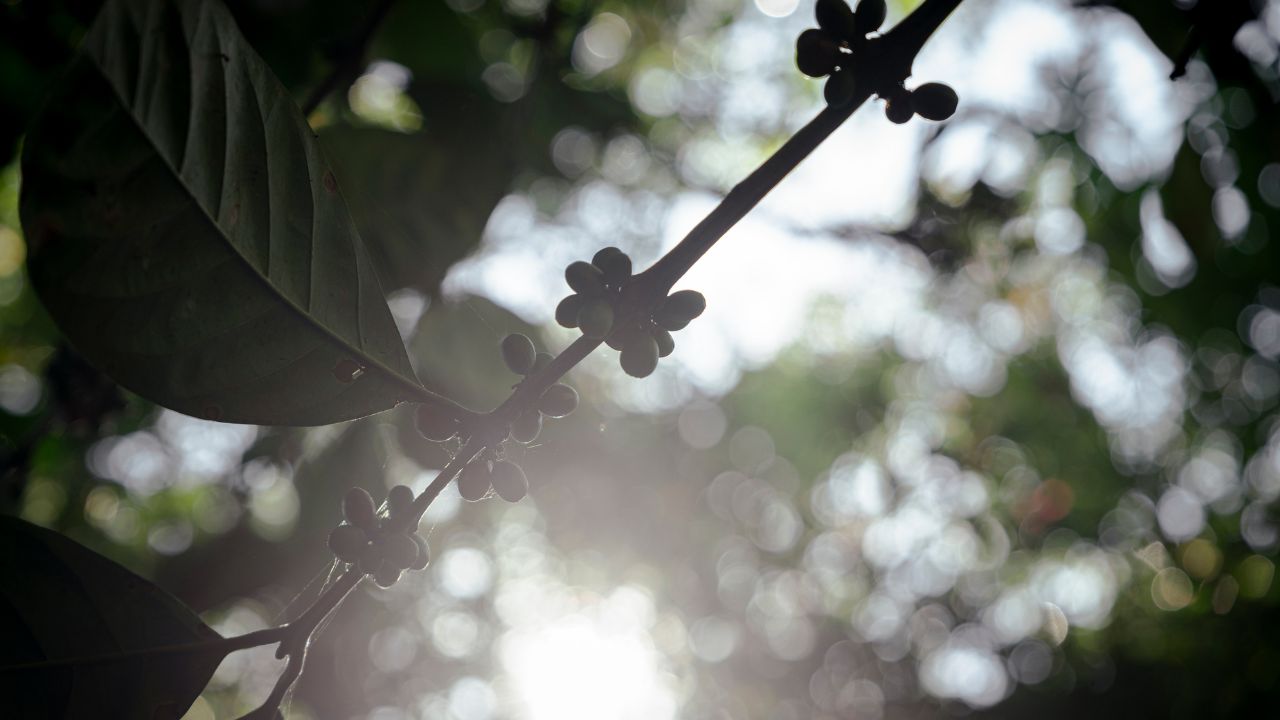
Consistency refers to how reliably a coffee performs across harvest cycles.
Yearly weather changes within a region affect how coffee cherries develop. Seasonal shifts in rainfall, temperature, and harvest periods can alter the beans’ density and moisture content.
Even small structural differences can affect roasting behavior. Changes in density affect how heat moves through the beans, unstable moisture raises the risk of defects, and inconsistent lots make blending harder.
Areas with stable climates, strong farm networks, and good post-harvest systems usually produce more consistent coffee each year.
For a closer look at how green coffee’s structure affects roasting and final cup quality, see our guide to green coffee beans and the role of quality control at this stage.
Harvest cycles are the seasonal periods when coffee cherries ripen and are harvested. These cycles vary across regions due to differences in rainfall, temperature, and climate patterns.
Single Origin vs Blended Coffee
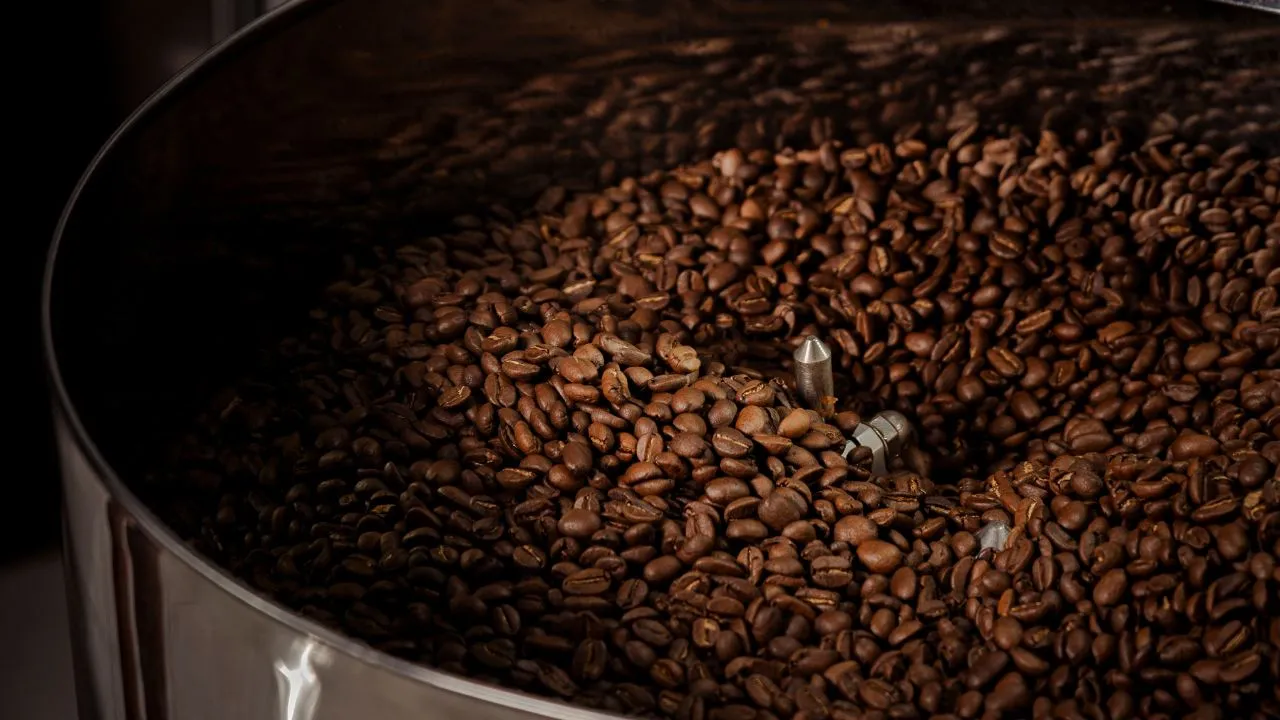
Two common approaches to coffee sourcing are single-origin coffee and blended coffee.
Single-origin coffee comes from one farm, region, or country. Since all the beans are grown in the same place, they reflect the local climate and soil, shaping their unique flavor.
Blends bring together coffees from different regions to produce a balanced, consistent flavor. By changing the mix as harvests vary, roasters can keep the taste consistent from batch to batch.
Both single-origin and blended coffees are common in the coffee industry. Single-origin coffees highlight their origins, while blends aim to deliver consistent flavor year-round.
How Coffee Supply Can Scale Without Losing Quality
As coffee businesses grow, sourcing needs become more demanding. Scaling up roasting relies on a few important factors:
- Stable moisture levels
- Lot separation
- Consistent density
- Reliable harvest cycles
- Transparent documentation
Origin directly affects how well coffee can scale. Regions with strong infrastructure and skilled farm networks are better able to meet steady, long-term demand.
To scale successfully, sourcing and processing systems must work together. Building quality into each step of the workflow is more effective than checking for it only at the end.
Lot separation refers to keeping batches of coffee physically separated during storage and processing. This prevents beans with different qualities or origins from being mixed.
How Bali Origins Connects Coffee Bean Origin to Quality

Bali Origins puts quality at the center of its coffee sourcing. The team brings experience in handling, production, and quality checks, making sure each step supports a clean, consistent cup.
Processing choices are shaped by clear technical guidelines. Engineering expertise is essential for selecting equipment, designing workflows, and continuous improvement. Exact manufacturing standards help track each batch and verify quality at every stage.
Field teams make sure that only the right cherries are selected, so the coffee meets processing goals from the start.
By linking origin management with controlled processing, Bali Origins ensures the coffee maintains consistent density, moisture content, and roasting performance from harvest to final preparation.
Why Coffee Bean Origin Matters
Origin directly influences flavor, consistency, and performance during production.
Understanding the coffee bean’s origin, through regional flavor differences, traceability systems, and supply stability, provides insight into the agricultural and environmental aspects behind every cup of coffee.
If your business needs a steady coffee supply with traceable sourcing, careful processing, and the ability to scale, Bali Origins can help you meet your goals. Get in touch with our team to discuss your volume requirements and set up a sourcing partnership established on consistency and quality.
Coffee Bean Origin FAQs
How Does Origin Affect Coffee Quality?
Coffee quality begins at the origin, where the beans are grown. Higher elevations often produce denser beans with brighter acidity, while volcanic soils can support balanced sweetness and clean mineral character. Farm management and post-harvest handling then protect this natural potential.
What Is the Difference Between Single-Origin Coffee and Coffee Blends?
Single-origin coffee comes from one region, farm, or country and reflects the local growing environment. Blends combine coffees from multiple origins to create a balanced and consistent flavor profile. Many commercial programs use both strategies to balance character and reliability.
What Environmental Factors Define Coffee Bean Origin?
Several environmental factors help define a coffee bean’s origin, including altitude, soil composition, climate conditions, and rainfall patterns. These factors influence how coffee cherries develop and determine the beans’ structural qualities before processing begins.
How Can Coffee Supply Be Scaled Without Sacrificing Quality?
Scaling coffee supply requires stable moisture levels, consistent density, reliable harvest cycles, and transparent documentation. Strong coordination between sourcing and processing systems helps maintain quality even as production volumes increase.
Why Do Coffee Businesses Track Harvest Cycles by Origin?
Harvest cycles vary by region due to differences in climate and seasonal rainfall. Tracking harvest timing helps buyers anticipate changes in density, moisture content, and roasting performance, allowing them to adjust sourcing strategies accordingly.
How Can You Identify Coffee Bean Origin by Its Flavor Profile?
Coffee bean origin can often be recognized through characteristic flavor patterns linked to specific growing environments.
Coffee from higher elevations frequently shows brighter acidity and more complex aromatics, while beans grown in volcanic soils may present balanced sweetness and mineral clarity. However, flavor alone is not always definitive, since farming practices and post-harvest handling also influence cup character.
What Are the Major Coffee Bean-Producing Countries?
The world’s major coffee bean-producing countries include Brazil, Vietnam, Colombia, Indonesia, and Ethiopia. These countries dominate global supply due to favorable growing conditions, established farm networks, and large-scale production capacity. Each origin contributes different characteristics to the global coffee market, supporting both specialty programs and commercial roasting supply chains.