
Arabica accounts for the largest share of global coffee production and is widely used across specialty, retail and commercial coffee markets.
Arabica offers a wide range of flavors shaped by its variety, processing, and growing region. This allows specialty roasters to highlight each origin’s unique character and create distinct profiles for light, medium, and espresso roasts.
Arabica coffee is at the core of what Bali Origins sources and processes. Bali’s volcanic highlands produce Arabica with a clean, citrus-forward profile that sets it apart from other Indonesian origins. Bali Origins works to preserve that character from harvest through preparation.
In this article, we will show you why Arabica leads the global coffee market, where it comes from, what makes its flavor unique, and why it remains the top choice for roasters and buyers.
Where Arabica Coffee Comes From
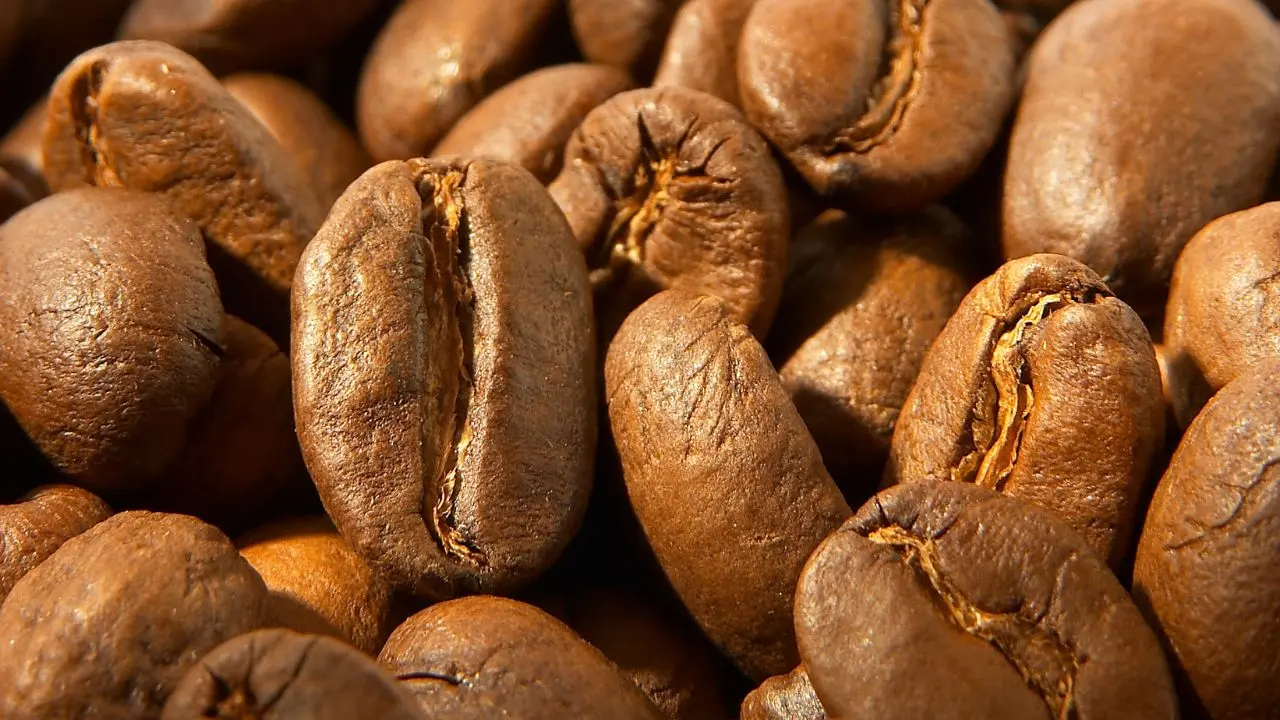
Arabica coffee comes from the highland forests of Ethiopia, where wild plants still grow naturally today. These forests remain among the most important centers of Arabica biodiversity in the world, representing a living genetic library that researchers and breeders continue to draw on.
Arabica is believed to have spread from Ethiopia to Yemen several centuries ago, where it was cultivated more deliberately. Yemeni coffee merchants supplied the Middle East and North Africa for several centuries before the plant spread further east and west through colonial trade routes.
Two main lineages emerged from this early spread: Typica and Bourbon. Typica traveled from Yemen through India and Indonesia, then reached Europe and the Americas. In the early 1700s, one Typica plant sent to Amsterdam became the ancestor of much of the coffee now grown in Central and South America.
Coffee introduced from Yemen to Bourbon Island, now La Réunion, in the early eighteenth century gave rise to the Bourbon lineage. Most commercial Arabica today still comes from the Typica or Bourbon varieties, which have been adapted over time to fit different climates and producers’ needs.
Today, Arabica grows in over 60 countries within the tropical zone between the Tropics of Cancer and Capricorn. Major producers such as Brazil, Colombia, Ethiopia, Honduras, Peru, Guatemala, and Indonesia each have unique flavor profiles shaped by their elevation, soil, and climate.
What Is Coffee Biodiversity?
Coffee biodiversity refers to the genetic diversity found within coffee species and varieties. Greater biodiversity provides a wider pool of traits that support flavor development, disease resistance, and adaptation to changing growing conditions.
Why Arabica Dominates the Global Coffee Market
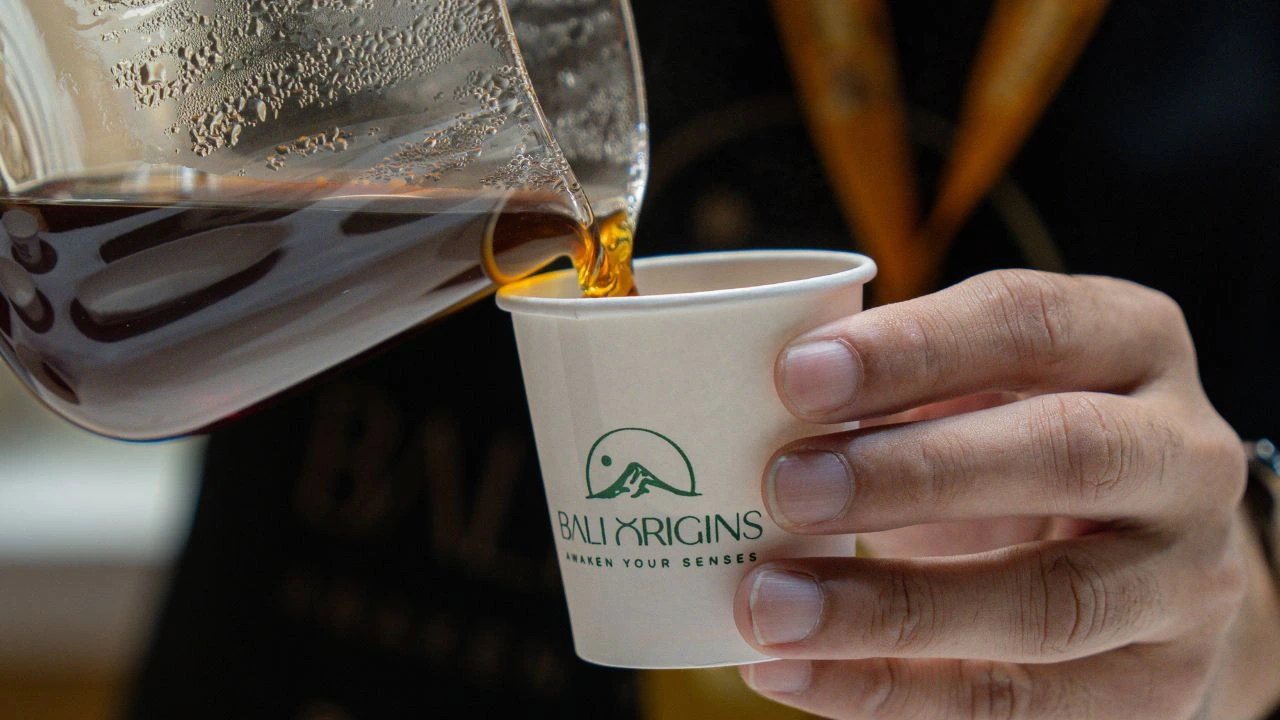
Every day, about 3 billion cups of coffee are consumed worldwide. Arabica accounts for the largest share, with Robusta making up most of the rest.
Arabica’s dominance comes from a combination of flavor preference, market role, and the way the specialty coffee movement has developed over the past few decades.
There are a few clear reasons why Arabica is preferred in the coffee business:
- Flavor complexity: Arabica contains more natural sugars and lipids than Robusta, which gives it a sweeter taste, fuller body, and richer aroma. These qualities help create the unique flavors that specialty roasters look for.
- Lower bitterness: Arabica contains less caffeine than Robusta, and caffeine drives bitterness. The result is a cup that tastes cleaner and more balanced.
- Versatility across roast levels: Arabica performs well in light, medium, and espresso profiles. This flexibility allows buyers to create multiple products from a single origin without switching suppliers.
- Origin expression: Arabica is sensitive to its growing conditions, so each region leaves its mark on the beans. Altitude, soil, rainfall, and post-harvest handling shape the final cup. This sensitivity makes Arabica harder to grow, but adds value for telling origin stories and building premium positioning.
The third wave of specialty coffee focused on traceability, single-origin beans, and clear flavors. This change helped Arabica become known as a premium coffee. As specialty roasters introduced customers to more unique and complex coffees, Arabica became their top pick.
What Is Third-Wave Coffee?
Third-wave coffee is a movement that treats coffee as an agricultural product rather than a commodity. It emphasizes traceability, quality, and the unique characteristics of each coffee, highlighting flavor differences across regions, farms, and production methods.
What Arabica Coffee Tastes Like
Arabica coffee does not have just one flavor profile. Its taste can vary widely depending on where it is grown.
In general, Arabica tends to show:
- Citrus zest, especially lemon, bergamot, or lime
- Stone fruit and tropical fruit notes
- Berry flavors, from bright cherry to rich blackcurrant
- Chocolate and caramel flavors, especially in medium or dark roasts
- Floral aromas, from jasmine to rose
These flavors are balanced by fresh, clear acidity and a light-to-medium body. Acidity is one of Arabica’s main features. The acidity in Arabica is more like the quality that makes a cup feel refreshing rather than heavy, the thing that lifts the other flavors and gives the coffee its clarity.
The way coffee is processed after harvest also affects its flavor. A clean-washed process usually brings out brighter, clearer flavors. Other methods let more of the fruit’s natural sweetness show, making the coffee taste richer and fuller.
What Does Body Mean in Coffee?
Body refers to the weight and texture of coffee in the mouth. A light body feels delicate, while a heavier body feels richer and more substantial.
Popular Arabica Varieties and What They Offer
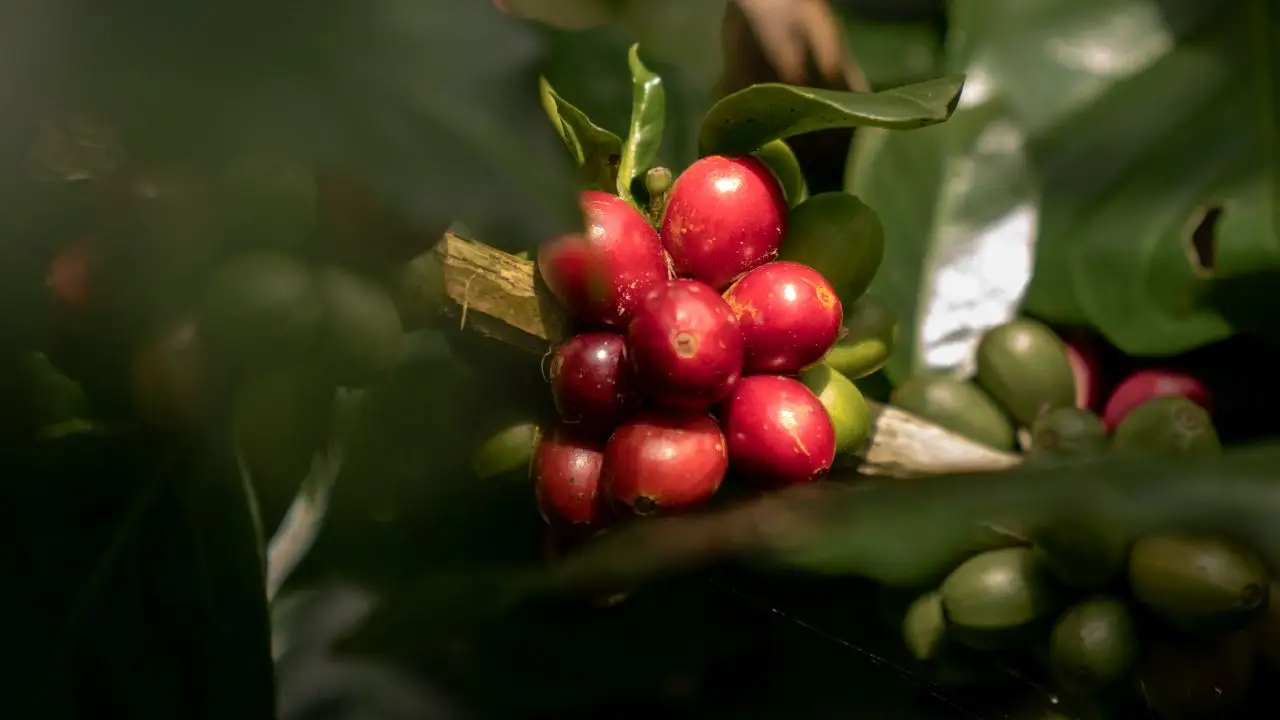
Arabica coffee includes many different varieties. Each one brings its own flavor, yield, and growing needs.
Typica is one of the oldest Arabica varieties and is the starting point for many others grown today. It is known for its clean, sweet flavor and clarity. Typica plants usually yield less coffee and are more prone to disease, so many farmers now prefer newer, more resilient varieties.
Bourbon is another important variety, first developed on La Réunion and now grown in many countries. It is known for excellent cup quality, often with chocolate and fruit notes. Like Typica, Bourbon tends to have lower yields and is sensitive to disease.
Caturra is a natural mutation of Bourbon. It grows as a smaller plant and usually gives a bit more coffee. Caturra often has a lighter body and some citrus notes, and is now widely grown across Latin America.
Gesha, also called Geisha, originates from Ethiopia’s Gesha region and is now mainly grown in Panama and Colombia. It is known for its delicate, complex, and floral flavor. Gesha often sells for high prices at auction and is used to show what top-quality Arabica can offer.
In Indonesia, some older Typica-based varieties are still grown under local names. In Aceh, it is called bergendal. In Toraja, it is known as bungin. In Flores, it is called zuria. These local types add to the diversity and unique character of Indonesian Arabica.
Indonesian Arabica and Its Regional Diversity
Indonesia has been producing Arabica since the late seventeenth century, when Dutch traders introduced Typica to the highlands of West Java. By the early eighteenth century, Java Arabica commanded some of the highest prices in European markets, rivaling the famous Yemeni coffees.
In the nineteenth century, coffee leaf rust caused major challenges for Arabica production. Many farmers in lower areas switched to Robusta, which handled the conditions better. Still, Arabica remained central to highland coffee farming on several islands. Today, Indonesia stands out for its wide range of Arabica origins.
Indonesia’s main Arabica regions and their typical profiles:
- Sumatra (Mandheling, Gayo): Known for deep body, earthy intensity, and low acidity with a long finish. Gayo, grown in Aceh, can also show floral and citrus notes when processed with extra care.
- Java: Offers syrupy sweetness, a clean structure, and medium body. Java is also one of the world’s oldest and most respected coffee origins.
- Sulawesi (Toraja): Balanced acidity, herbal notes, layered fruit complexity, and a rich body.
- Flores (Bajawa): Chocolate notes, gentle earthiness, and mild acidity.
- Bali: Clean citrus brightness, floral aromatics, and structured acidity. Volcanic soil and cool highland weather help shape these flavors.
- Papua: Bright acidity and sweetness. Still rare in international markets, but gaining more attention each year.
Because harvest seasons vary across the islands, Indonesia can supply fresh Arabica year-round. This supports roasters who need a steady, reliable source for their seasonal programs.
To see how Indonesian Arabica varies across islands and what each origin brings to the cup, explore our guide on Indonesian coffee taste profiles.
What Is ‘Finish’ in Coffee Tasting?
Finish refers to the flavors and sensations that remain after swallowing coffee. A long finish means these characteristics persist on the palate for an extended time.

Why Bali Arabica Stands Out in Indonesia
Bali stands out among Indonesia’s Arabica regions. Coffee grows on volcanic slopes where cool temperatures and steady moisture slow cherry ripening. This extra time helps flavors develop fully before harvest. The result is a cup that is cleaner and brighter than coffee from lower-elevation regions of Indonesia.
Many Bali farms use agroforestry, growing coffee under shade trees that help keep temperatures steady, protect the soil, and support local plants and animals. Volcanic soil, high altitude, and shade create the right conditions for citrus and floral flavors to come through. This gives Bali Arabica a clarity that sets it apart from the deeper, earthier coffees found in Sumatra or Sulawesi.
Processing is just as important as where the coffee is grown. At Bali Origins, every lot is handled with the same attention to detail. Our team, experienced in processing, operations, and quality control, manages each step from harvest to final preparation. This approach helps keep the brightness and balance that define Bali Arabica.
Why Buyers Choose Arabica for Consistent Supply
When sourcing Arabica in large volumes, flavor is just one part of the decision. Buyers also look for consistency, traceability, and steady supply to build a reliable sourcing program.
Specialist buyers usually focus on these factors when choosing Arabica:
- Moisture and density that stay stable from batch to batch, making roasting more predictable
- Clear records of origin and post-harvest steps, supporting traceability and marketing
- Distinct flavors between lots, allowing for seasonal menus and single-origin offerings
- Steady supply over several harvests, not just one-time purchases
Indonesian Arabica is gaining attention in specialty markets, especially in the United States, where more buyers want coffee that shows its origin and flavor. Because each region in Indonesia produces coffee with its own character, buyers can find a wide range of profiles from one country without needing many suppliers.
Bali Origins prepares single-origin Arabica from Bali and other selected Indonesian regions for wholesale buyers, roasters, cafes, hotels, and international distributors. Each lot undergoes a careful post-harvest process to maintain stable moisture levels, consistent quality, and the clean, origin-driven profile that sets Bali Arabica apart.
If you are looking to add traceable Indonesian Arabica to your sourcing program, reach out to the Bali Origins team to discuss available lots and supply terms.
Arabica Coffee FAQ
A. What Makes Arabica Bean Coffee Different from Other Coffee Types?
Arabica coffee contains more natural sugars and lipids than Robusta coffee, contributing to a sweeter taste, smoother mouthfeel, and more complex aroma. It also tends to express regional characteristics more clearly, making it a preferred choice for specialty coffee programs.
B. Why Is Arabica Coffee More Expensive Than Robusta?
Arabica generally requires higher elevations, cooler climates, and more intensive cultivation. The plants are also more vulnerable to pests and disease. These factors increase production costs while supporting the quality characteristics valued in premium markets.
C. Is Indonesian Arabica Good for Specialty Coffee Programs?
Yes. Indonesian Arabica offers significant regional diversity, from the bright, citrus-forward profiles of Bali and Flores to the deeper, earthier expressions of Sumatra and Sulawesi. When processed carefully, it performs well across filter and espresso applications and supports both single-origin and blend development.
D. What Makes Indonesian Arabica Different from Other Arabica Coffees?
Indonesian Arabica is shaped by volcanic soils, tropical climates, and diverse growing regions spread across multiple islands. This combination creates a broad range of flavor profiles that are difficult to replicate elsewhere, from floral and citrus-driven coffees to rich, full-bodied expressions.
E. Which Regions Produce Indonesian Arabica Coffee?
Major Indonesian Arabica regions include Bali, Sumatra, Java, Sulawesi, Flores, and Papua. Each region offers distinct characteristics influenced by altitude, climate, soil composition, and processing practices.
F. Why Is Bali Arabica Different from Other Indonesian Arabica?
Bali Arabica is known for its clean citrus brightness, floral aromatics, and structured acidity. Volcanic soil, high elevation, and cool temperatures contribute to a profile that is often brighter and more transparent than many other Indonesian coffees.
G. How Does Bali Origins Supply Arabica Coffee for Global Buyers?
Bali Origins sources and prepares Arabica coffee from Bali and selected Indonesian origins through controlled post-harvest handling and quality management systems. This approach helps preserve origin characteristics, maintain stable moisture levels, and deliver consistent performance for roasters, distributors, cafés, and wholesale buyers.