
Coffee grades describe bean quality before they reach the market. For buyers and roasters working with Indonesian coffee, it is important to know how this grading system works. Indonesia uses its own method of classifying coffee, different from other coffee-producing countries.
Indonesia follows its national standard, called SNI. The methods for counting defects, measuring bean size, and classifying quality differ from international standards.
At Bali Origins, we evaluate every coffee lot we source based on the physical standards of the country of origin and the quality expectations of international specialty coffee buyers.
This article explains how Indonesian coffee quality classification works, how it differs from international standards, and what to look for when reviewing quality information for a lot of Indonesian coffee.
What Coffee Grades Are For
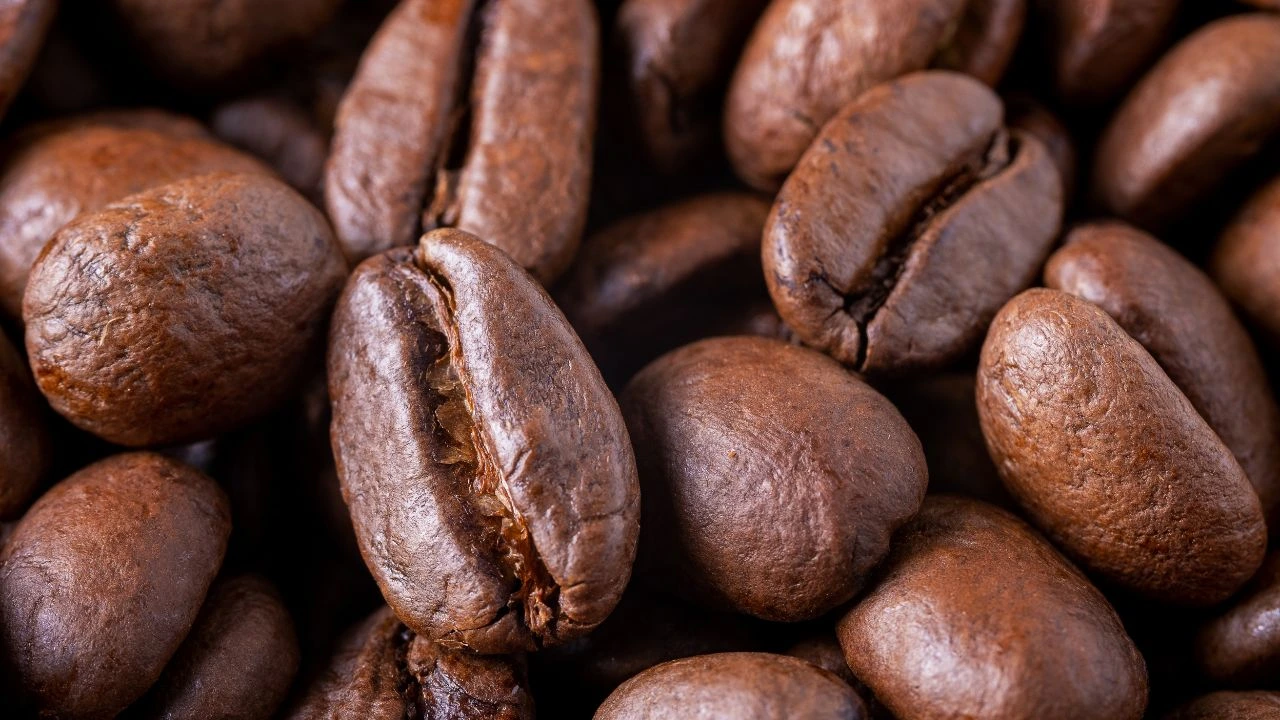
The coffee grading process evaluates physical characteristics such as the number and type of defects in a sample, bean size, moisture content, color, and shape. It aims to create a uniform classification that allows buyers and sellers to agree on quality without tasting every lot.
Each coffee-producing country creates its own grading system based on local growing conditions, export rules, and trade practices.
“Grade 1” coffee from Indonesia differs from standard-grade coffee from Ethiopia or Colombia. Each country uses unique criteria, sample sizes, and defect definitions.
Indonesia’s SNI Coffee Grading System
Indonesia uses the Standar Nasional Indonesia (SNI 01-2907-2008) to grade green coffee beans. The standard remains in force and was confirmed by Indonesia’s National Standardization Agency (BSN) in 2026. This system sorts beans into six grades by counting defects in a 300-gram sample.
Each defect type has a weighted value. For example, a black bean counts as a full defect, while a broken or chipped bean counts as half a defect. The total number of defects in the sample decides the grade.
| SNI Grade | Defect Value (300 g Sample) | Typical Market Use |
| Grade 1 | 0–11 | Premium export and specialty coffee |
| Grade 2 | 12–25 | High-quality commercial export |
| Grade 3 | 26–44 | Standard commercial coffee |
| Grade 4a | 45–60 | Commercial and blending |
| Grade 4b | 61–80 | Commodity coffee |
| Grade 5 | 81–150 | Lower-grade commercial use |
| Grade 6 | 151–225 | Below export-quality threshold |
Grades 1 and 2 are used for export-quality coffee. Grades 3 and 4 cover commercial and mid-tier lots. Grades 5 and 6 are generally below the export threshold.
For Arabica coffee, Grade 4 is commonly treated as a single category rather than subdivided into Grades 4a and 4b, which SNI guidance more commonly applies to Robusta.
Besides defect count, SNI considers other classification factors like region of origin, bean size (screen size), and processing method. A complete description of an Indonesian coffee lot usually includes these four aspects.
How SNI Differs from the SCA Coffee Value Assessment
The Specialty Coffee Association (SCA) now uses the Coffee Value Assessment (CVA). Its framework evaluates coffee through four complementary assessments: Physical, Descriptive, Affective, and Extrinsic. The current Physical Assessment is based on the old 2004 green-coffee grading system, but SCA is also developing a new SCA-110 Green Coffee: Grading, Specifications, and Test Methods standard.
Primary Defects
Primary defects include full black beans, full sour beans, pods, stones, twigs, and severe insect damage. These have the biggest impact on how the coffee tastes when brewed. For coffee to be considered specialty grade, it cannot have any of these defects.
Secondary Defects
Secondary defects include partial black beans, partial sour beans, parchment, floaters, shells, broken or chipped beans, and minor insect damage. A specialty-grade sample can have up to five of these secondary defects.
The differences between SNI and SCA that matter most for buyers sourcing from Indonesia:
| Category | SNI 2907:2008 | SCA Green Coffee Standard | SCA Coffee Value Assessment |
| Main purpose | National green-coffee classification | Physical quality assessment for specialty coffee | Broader coffee evaluation |
| Physical assessment | Weighted defect classification | Category 1 and Category 2 defect classification | Physical attributes including defects, color, moisture and size |
| Sensory assessment | Not the primary grading basis | Conducted separately through cupping | Descriptive and affective assessments |
| Origin/processing information | Used in coffee classification/documentation | Supporting information for specialty evaluation | Captured through extrinsic assessment |
| Single score | Not the primary basis | Not the primary basis | CVA does not rely solely on a single score |
SNI Grade 1 coffee and SCA specialty coffee often overlap, especially with well-prepared Arabica from highland areas. Still, they are not the same. Even if a coffee is marked SNI Grade 1, SCA standards must verify it before it can be called specialty coffee.
You can use SNI standards to manage sorting at the origin, while SCA standards finalize decisions before marketing the beans.
For a comprehensive explanation of how SCA cupping protocols work and the practical implications of their scoring levels, read our guide on what SCA cupping scores reveal about coffee quality.
Bean Size and Screen Classification
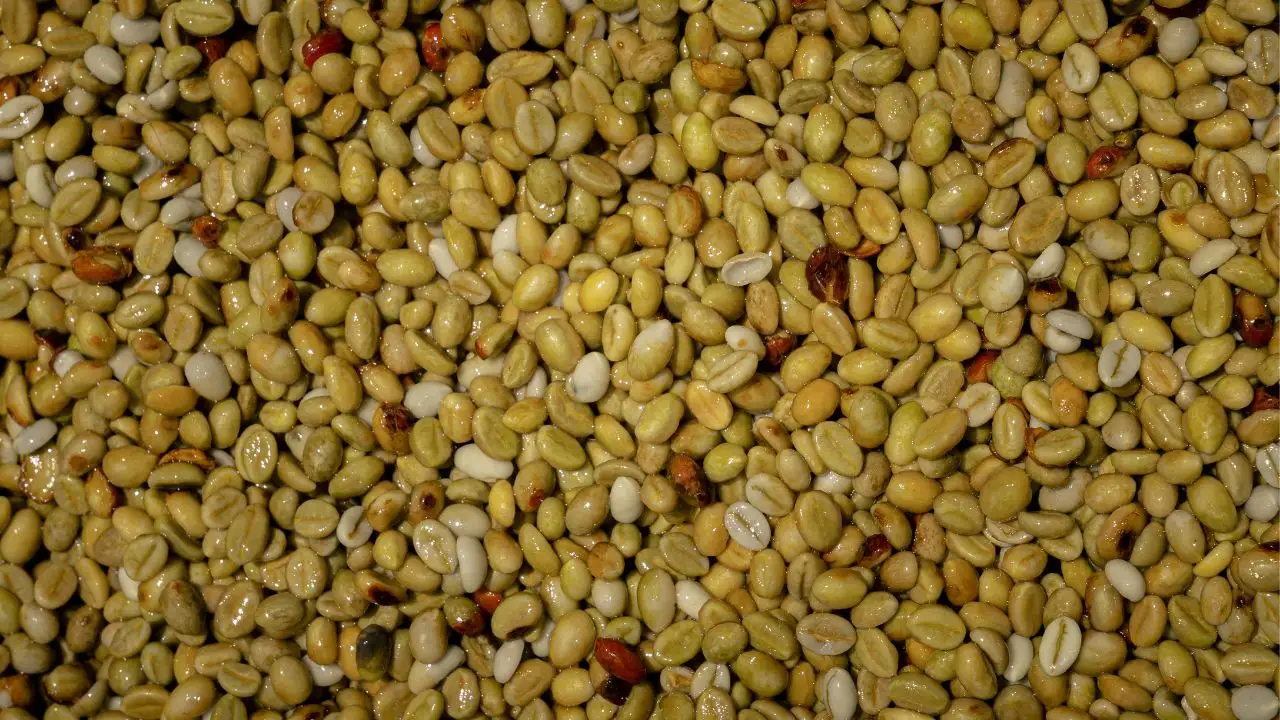
Indonesian green coffee is also sorted by screen size, which shows each bean’s diameter measured in sixty-fourths of an inch. Screen 16 means the bean is 16/64 of an inch wide, while Screen 18 is 18/64.
Bean size affects how evenly coffee roasts. Mixing small and large beans in one batch can lead to uneven results.
Smaller beans roast faster and can overdevelop, while larger beans may remain under-roasted. For espresso, using similar-size beans helps you achieve a more consistent cup.
Size uniformity is also an early indicator of harvest quality. Coffee sorted by consistent screen size generally reflects careful cherry selection and good post-harvest handling.
Processing Method and Its Role in Indonesian Grading
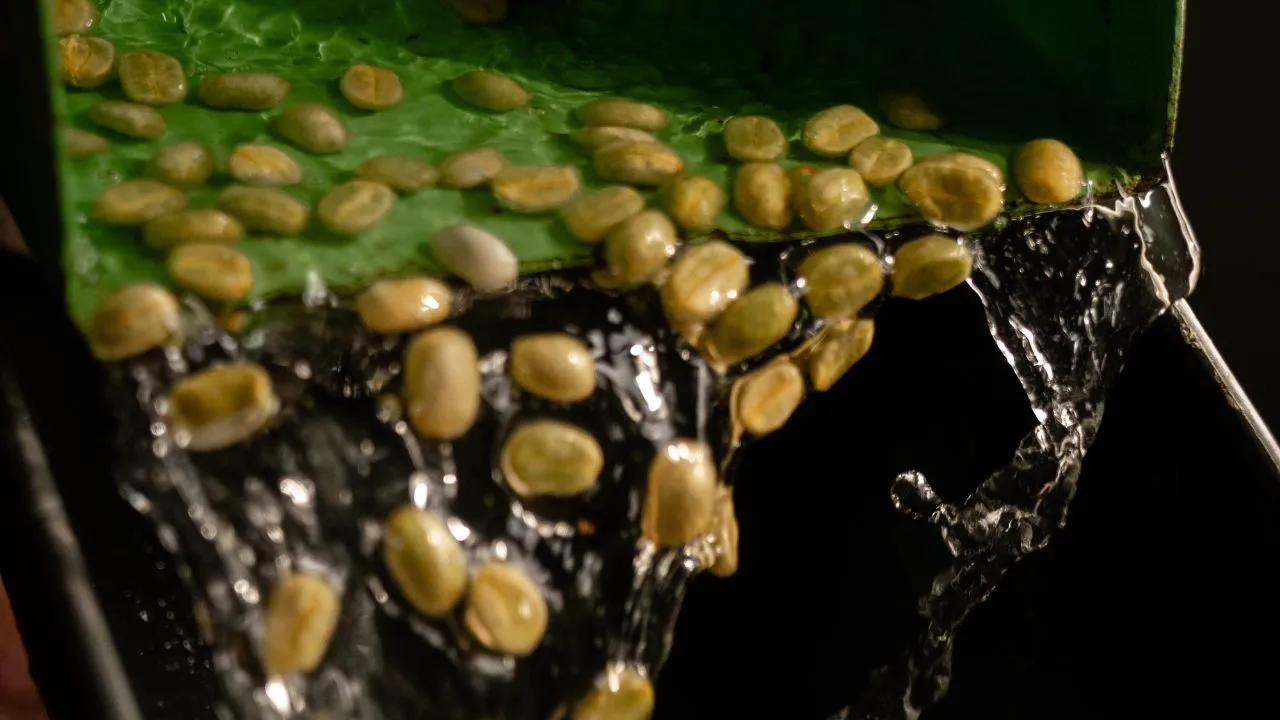
Indonesia is known for using the wet-hulling process, locally called giling basah. This method is widely used in Sumatra. Other areas use different processing methods that produce coffees with distinct profiles.
Bali and Lombok are well-known for their Arabica coffee in the specialty market. Farmers usually use fully washed or natural processing. These methods highlight a clean taste with bright acidity and clear fruity flavors.
Processing method is one of four factors in the SNI classification system and appears in coffee origin documents with the quality grade. It affects flavor and shipping behavior for buyers.
For example, washed coffees from Bali or Lombok usually have more stable moisture levels than those processed by wet-hulling. This stability improves storage and shipping reliability.
Even when natural-processed Grade 1 Bali Arabica and fully washed Grade 1 Lombok Arabica have the same physical grade, they show different flavors, post-harvest choices, and roasting needs.
Understanding the processing method behind a specific lot of Indonesian coffee is just as important as considering its quality classification.
What Is Giling Basah?
Giling basah, or wet-hulling, is an Indonesian coffee processing method in which the parchment layer is removed while the beans still contain relatively high moisture. This method produces coffees with a heavier body and earthy flavor characteristics.
Reading an Indonesian Grade as a Buyer
When a supplier labels Indonesian coffee Grade 1, it means the coffee has few physical defects in a 300-gram sample, following SNI standards. This is a helpful starting point, but it should not be the only factor to consider when buying.
A limitation of Indonesia’s grading system is that coffees with the same grade can vary significantly in quality. The grade only shows that the coffee meets defect standards. It does not reflect flavor, origin, altitude, or sorting practices.
For specialty buyers, the grade is just a first step. If a Grade 1 coffee is well sorted and post-harvest steps are documented, it is worth requesting a sample and doing a cupping.
After that, cupping results, roast profile, and flavor clarity will show whether the coffee fits your needs.
The best choice combines reliable quality grading, positive cupping results, and a traceable source.
What Is Flavor Clarity in Coffee?
Flavor clarity refers to how cleanly and distinctly individual flavor notes can be perceived in the cup. High-clarity coffees let specific characteristics stand out without muddiness or distracting flavors.
How Bali Origins Supports Coffee Quality Evaluation
A grade sheet tells you what passed inspection, but it does not show whether the coffee truly belongs on your menu.
Bali Origins supplies Indonesian green coffee with quality information that goes beyond the grade label. We evaluate lots for physical quality at origin and document the information buyers need to make informed sourcing decisions.
We source from Bali, Lombok, and other leading Indonesian regions. For each lot, we provide details on origin, processing, and quality.
If you want to build your program with Indonesian specialty coffee and need lots that fit your goals, contact our team today to discuss availability and request samples.
Indonesian Coffee Grades FAQs
A. What Is SNI Coffee Grading?
SNI stands for Standar Nasional Indonesia, Indonesia's national coffee grading standard. It classifies green coffee into six grades based on the total weighted defect count in a 300-gram sample, with Grade 1 being the highest quality.
B. Is Indonesian Grade 1 the Same as SCA Specialty?
No. SNI Grade 1 describes the physical classification of an Indonesian coffee according to defined defect requirements. The SCA's current definition of specialty coffee is broader and considers distinctive attributes that create additional marketplace value. An SNI grade alone therefore cannot determine whether a coffee should be considered specialty coffee.
C. Why Does Indonesia Grade Coffee Differently?
Each producing country develops its own grading system based on local production conditions and trade norms. Indonesia's system reflects its diverse processing methods, including wet-hulling, and its wide range of Arabica and Robusta origins across multiple islands.
D. What Should I Look for Beyond the Grade When Sourcing Indonesian Coffee?
Request a cupping score from a trained evaluator, documentation of processing method and region, screen size information, and moisture readings. For specialty-grade claims, ask for an SCA 350-gram defect recount alongside the SNI grade sheet.
E. Does Bali Origins Provide Grade Documentation for Their Lots?
Yes. We provide physical quality information and cupping documentation for the lots we supply. Contact us to discuss what is available and to request samples.