
Bali coffee beans stand out for their clean flavor, balance, and steady quality. The volcanic soil, high-altitude farms, and careful growing methods all shape its unique character. As a result, Bali coffee is attracting more buyers worldwide.
For roasters and buyers, Bali coffee is a dependable option for both specialty and commercial use.
This article explores how Bali’s growing conditions, flavor profile, and processing methods set its coffee apart, helping buyers understand what makes it unique.
Where Bali Coffee Beans Are Grown

Bali coffee is grown mainly in the Kintamani highlands of Bangli, in the island’s northern part. This region offers ideal conditions for Arabica coffee cultivation.
Here are details on where and how Bali coffee beans are grown:
- The main growing areas are Bangli, Badung, and Buleleng districts.
- The coffee plants are grown in fertile volcanic soil, formed from the ash and sediment of Mount Batur’s eruption, which is rich in minerals.
- Most Kintamani Arabica grows between 1,100 and 1,400 meters above sea level.
- The cool climate and steady rainfall help ensure a reliable harvest each year.
- Coffee is usually grown under shade trees like oranges and bananas, or alongside other crops, rather than in direct sun.
These growing conditions allow the cherries to ripen slowly, giving Bali coffee its clean flavor and consistent quality.
Slow ripening in coffee cherries occurs when cooler temperatures and stable growing conditions extend the maturation period. This longer development allows sugars and organic compounds to form more gradually, resulting in better bean density, improved structural integrity, and more refined flavor development. Coffee from slowly ripened cherries often shows higher clarity, balanced acidity, and more complex aroma profiles.
The Subak System and Structured Farming Practices
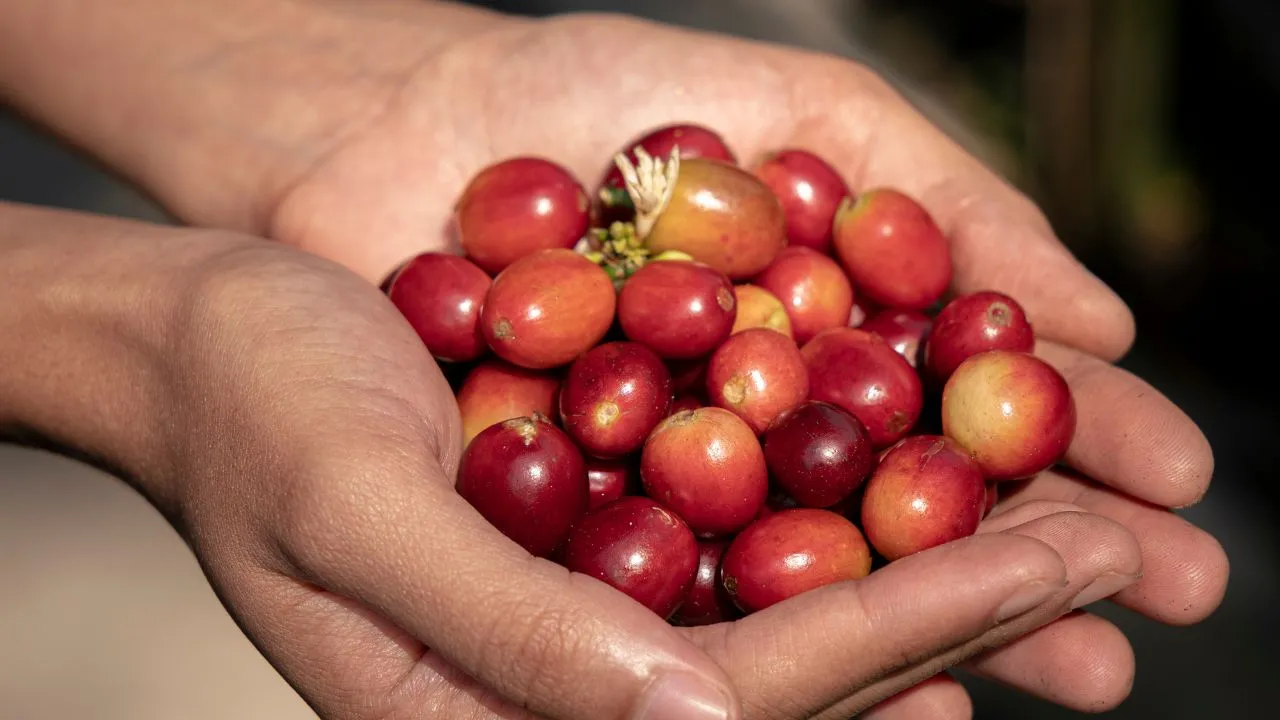
In Kintamani, coffee is managed by Subak Abian, a traditional group of local farmers who organize production themselves.
This organization plays a crucial role in managing the farmers’ agricultural and religious activities. They are guided by the Hindu philosophy of “Tri Hita Karana,” which emphasizes maintaining harmonious relationships among humans and God, humans and their fellow humans, and humans and the environment.
Kintamani’s Arabica farmers protect their land by practicing organic farming. They use manure instead of chemical pesticides to keep the soil healthy.
Subak Abian sets out written rules, called awig-awig, that guide farmers in growing coffee, interacting with one another, and participating in ceremonies.
This system helps farmers work together and keeps standards high by supporting:
- Coordinated planting and harvesting cycles
- Consistent agricultural practices across the region
- Balanced use of natural resources
- Long-term sustainability of coffee cultivation
Because of these unique methods, Bali Kintamani Arabica was the first Indonesian coffee to earn Geographical Indication (GI) certification in 2008. This certification shows that the coffee’s special qualities come directly from its origin.
These structured practices, along with Bali Arabica’s strong reputation, give buyers more confidence and help ensure the coffee remains consistent from batch to batch.
Geographical Indication is a certification that links a product’s quality and characteristics to its place of origin. It confirms that specific traits come from local environmental and cultural factors.
Flavor Profile of Bali Coffee Beans
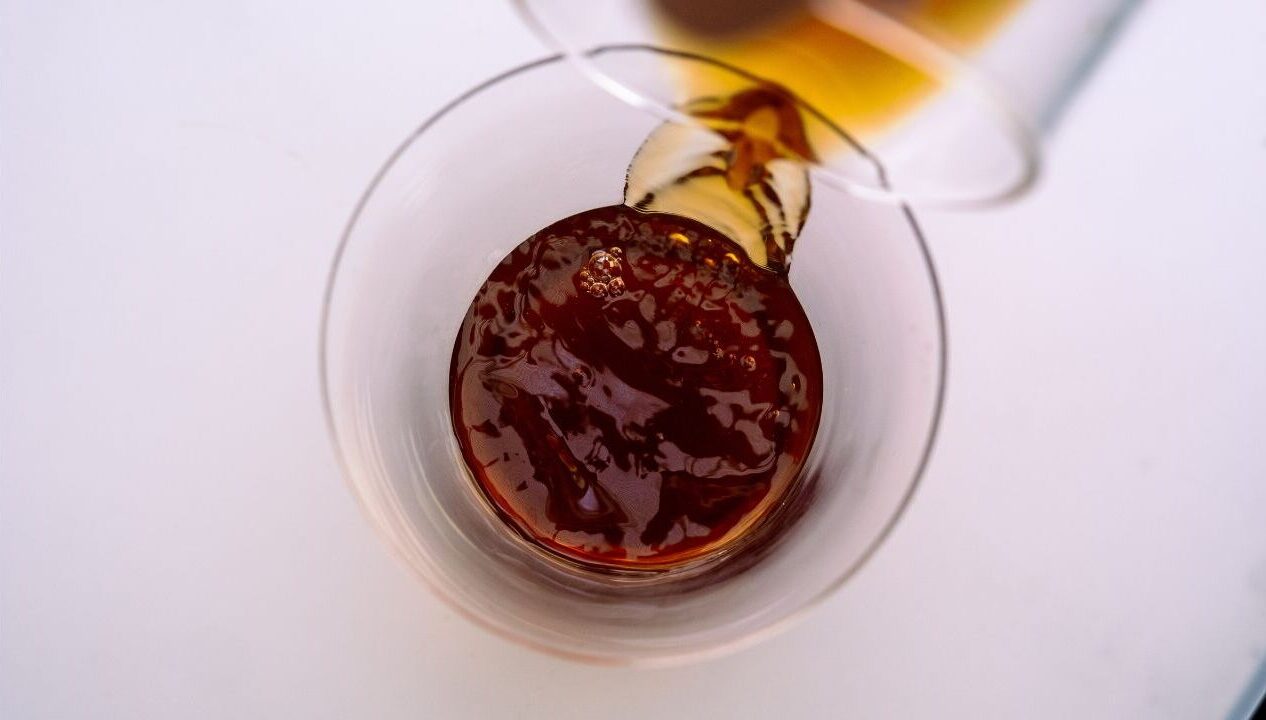
Bali coffee beans are known for their clean and balanced flavor profile.
Several important flavor components define Bali coffee’s unique character.
- Fruit and citrus notes
- Moderate to high acidity
- Medium viscosity with a balanced texture
- Soft floral and fruity aromas
- Light sweetness with a smooth finish
Bali coffee is a strong choice for specialty roasts that highlight clarity and balance.
The stability and structure of Bali coffee beans also enable them to perform well in blends, offering brightness without overpowering other components.
Viscosity refers to the thickness or texture of coffee as it moves in the mouth. It influences how smooth or dense the coffee feels when consumed.
Why Bali Coffee Beans Stand Out Among Indonesian Origins
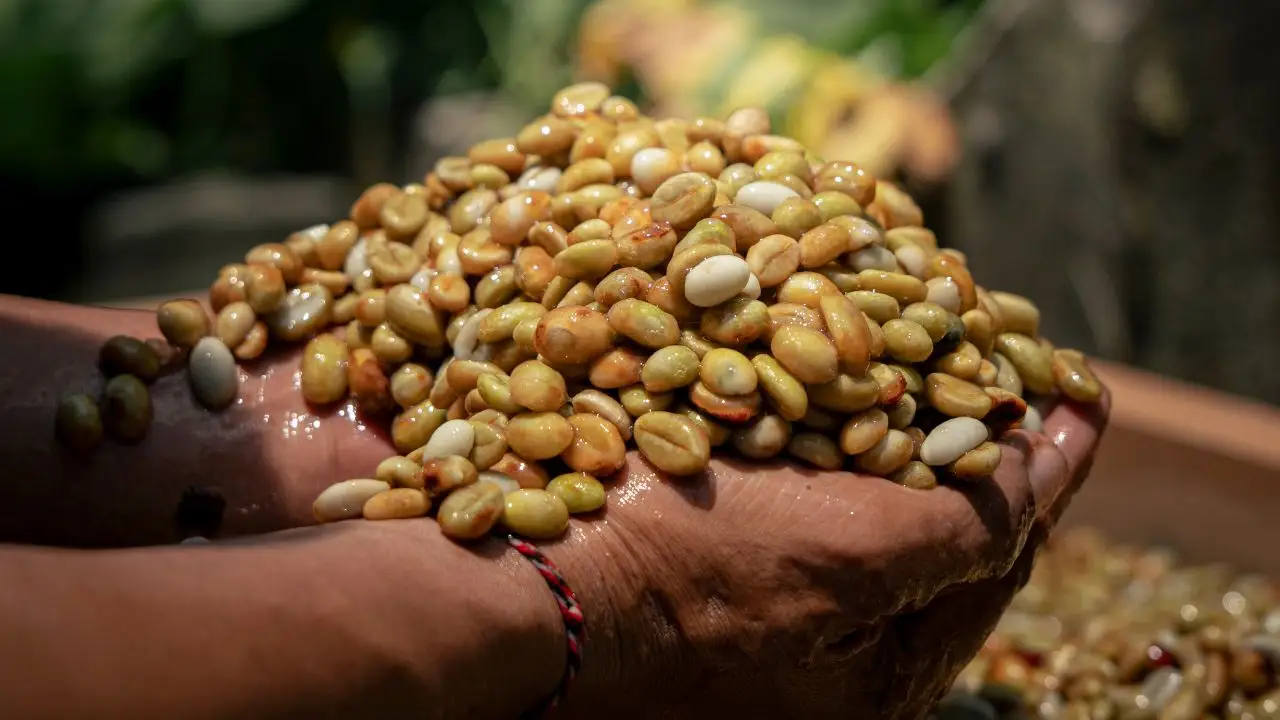
Indonesia produces coffee in many regions, each with its own unique taste. Bali Arabica is recognized for its clear, balanced flavor and for leading the way in coffee certification in Indonesia.
Bali coffee is set apart by several key qualities:
- It offers a clean flavor, unlike the heavier, earthier coffees found elsewhere in Indonesia.
- Its brighter acidity makes it well-suited for specialty coffee.
- Consistent quality comes from traditional farming methods that are carefully managed across the region.
- The balanced flavor profile works well for both single-origin coffees and blends.
These qualities make Bali coffee a versatile option for roasters who want to expand their range.
Processing and Quality Control in Bali Coffee Production
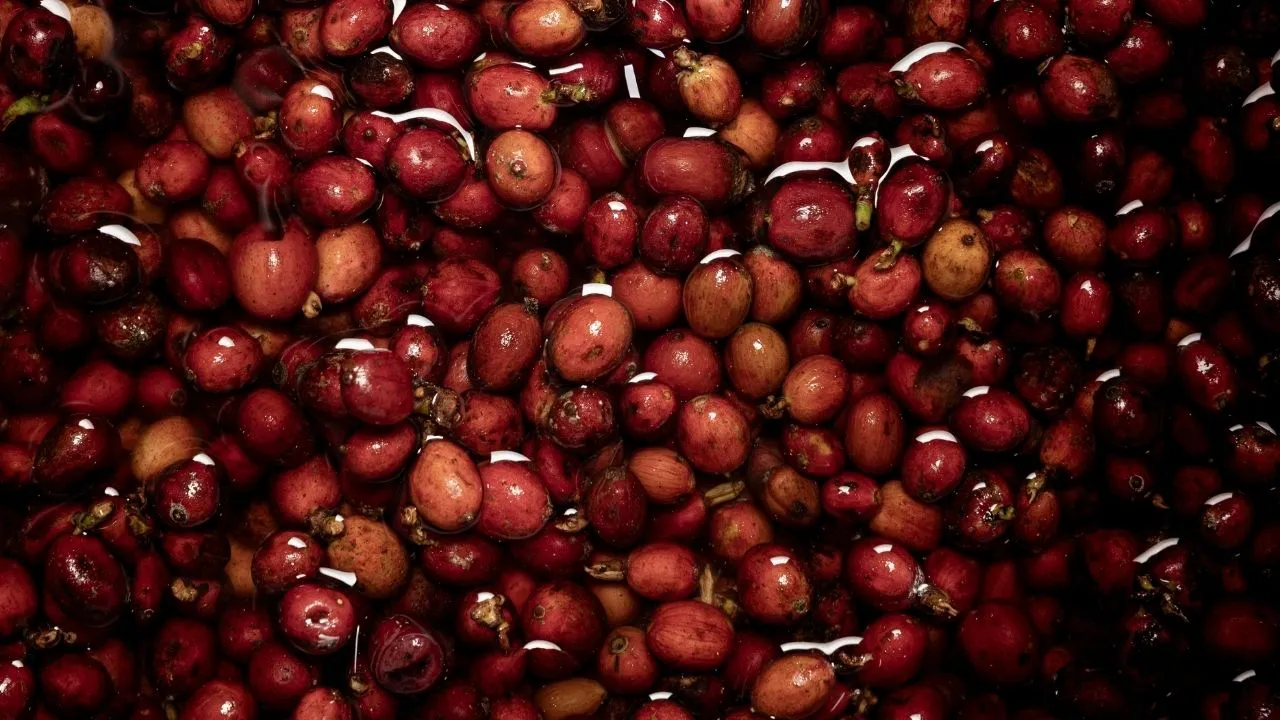
Processing plays a crucial role in maintaining the clarity and balance of Bali coffee beans.
Bali coffee farmers once relied on dry processing, but now use a fully washed method to bring out better flavor.
The harvesting process follows clear steps:
- Farmers hand-pick only ripe cherries, ensuring quality from the start.
- Cherries are sorted and graded so each batch is uniform.
- Soaking in water helps remove any defective cherries.
- A hulling machine removes the outer hull, and the beans are then soaked again to remove any empty or light debris.
- Clean beans undergo a dry fermentation process lasting 13 to 36 hours.
- After fermentation, the mucilage is washed away with clean water.
- Beans are then dried under controlled conditions to stabilize moisture content.
This wet process helps farmers produce premium green coffee beans with fewer defects in both taste and appearance.
Bali Origins works with select plantations and uses a clear system for processing and roasting. By keeping operations under control and maintaining high-quality standards, we prepare Bali coffee to meet global buyers’ expectations.
To better understand how processing and traceability shape the consistency of Bali coffee beans, explore our guide on Bali coffee purity and quality standards.
Mucilage is the sticky, sugar-rich layer surrounding the coffee bean after the outer fruit is removed. It must be broken down and washed away during processing.
Availability and Supply of Bali Coffee Beans
Bali coffee, especially from Kintamani, is grown in much smaller amounts than coffee from Indonesia’s bigger regions.
Production in Bali is local and shaped by the island’s harvest seasons. This means there is less coffee overall, and supply is more limited and selective. For buyers outside Indonesia, getting Bali coffee takes more than just finding a supplier.
A steady supply often comes from working with partners who know the plantations well and have clear processing systems.
With the right sourcing, Bali coffee delivers its unique flavor and reliable quality, even when supply is limited.
What Buyers Should Consider When Sourcing Bali Coffee Beans
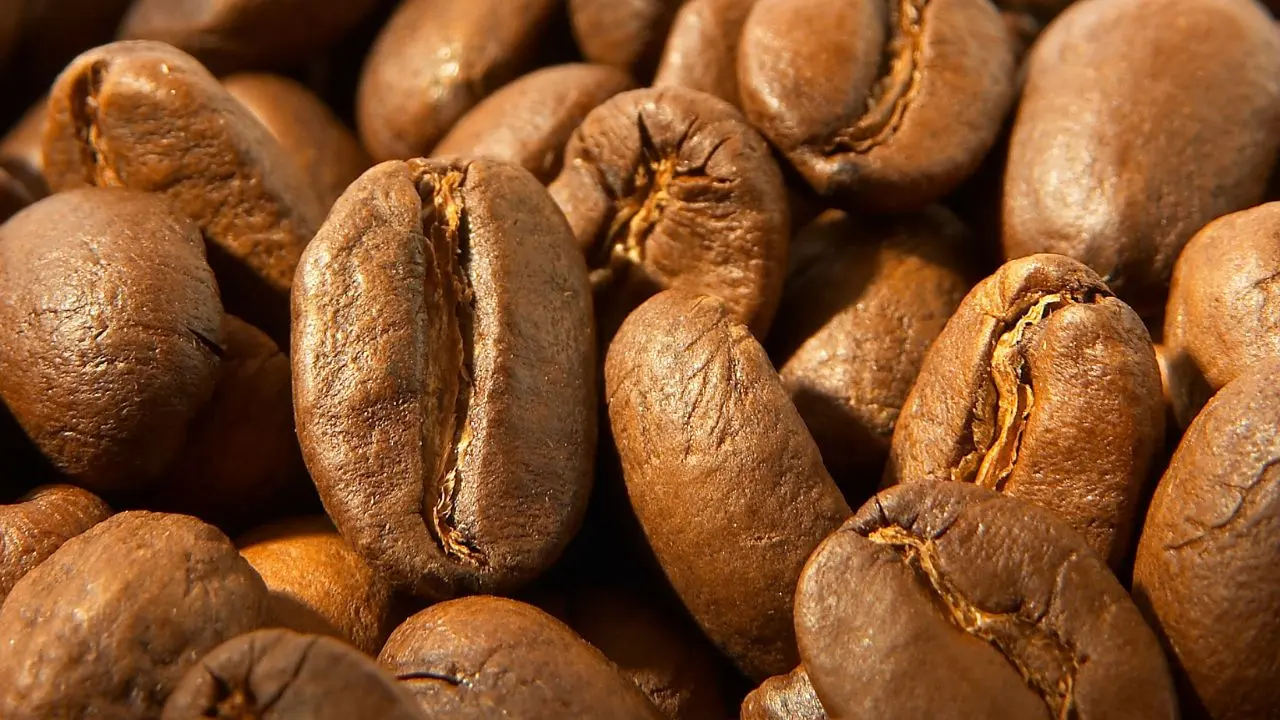
When evaluating Bali coffee beans, buyers should consider several factors to ensure consistent results.
These include:
- Traceability of origin to ensure uniform quality across batches.
- A clear flavor profile that fits Bali coffee’s reputation.
- Stable moisture helps the beans roast evenly and predictably.
- Careful processing shapes flavor clarity and keeps defects to a minimum.
- Reliable supply, which matters for long-term planning.
Knowing these factors helps buyers align sourcing decisions with roasting and product needs.
Aligning Origin, Processing, and Market Needs
Bali coffee beans combine unique origin traits with careful production. Volcanic soil, organized farming, and controlled processing all help shape the dependability and excellence that buyers expect from Bali coffee.
For buyers who want steady access to Bali coffee, choosing a partner with direct links to trusted plantations helps secure both supply and consistency.
Bali Origins enables this by structured processing, rigorous quality control, and coordinated supply systems designed to meet global B2B requirements. Connect with Bali Origins to explore current availability and partnership opportunities.
Bali Coffee Beans FAQs:
What Are Bali Coffee Beans Known For?
Bali coffee beans are known for their clean, balanced flavor profile, moderate-to-high acidity, and soft citrus and floral notes. Their structure allows them to perform well in both specialty and commercial roasting programs.
Where Are Bali Coffee Beans Grown?
Bali coffee beans are mainly grown in the Kintamani highlands, particularly in Bangli, Badung, and Buleleng. These areas offer volcanic soil, elevations between 1,100 and 1,400 meters, and a stable tropical climate that supports consistent coffee production.
What Is the Flavor Profile of Bali Coffee Beans?
Bali coffee beans typically show citrus fruit notes, floral aromas, moderate acidity, and a smooth, lightly sweet finish. The overall profile is clean and well-balanced, making it suitable for light- to medium-roast profiles.
What Makes Bali Coffee Beans Different from Other Indonesian Coffees?
Unlike many Indonesian coffees known for heavier body and earthy tones, Bali coffee beans are recognized for their clarity, brightness, and balance. This difference stems from the region’s growing conditions and structured farming systems.
What Is the Subak System in Bali Coffee Production?
The Subak Abian system is a traditional farmer organization in Bali that coordinates agricultural practices. It helps maintain consistent farming standards, supports sustainable land use, and ensures coordinated planting and harvesting cycles across the region.
How Are Bali Coffee Beans Processed?
Bali coffee beans are typically processed using a fully washed method. This includes hand-picking ripe cherries, sorting, washing, controlled fermentation, and drying. These steps help produce clean, stable beans with minimal defects.
Why Are Bali Coffee Beans Suitable for Specialty Coffee?
Their bright acidity, floral aromatics, and clean finish make Bali coffee beans well-suited for specialty coffee programs. They allow roasters to highlight clarity and origin characteristics in single-origin offerings.
Can Bali Coffee Beans Be Used in Blends?
Yes. Bali coffee beans can add brightness and balance to blends without overpowering other components. Their clean structure makes them a useful complement to heavier or more body-focused coffees.
Why Is Bali Coffee Supply More Limited Compared to Other Regions?
Bali produces coffee in smaller volumes compared to major Indonesian regions. Production is localized and influenced by seasonal harvest cycles, resulting in a more selective and limited supply.
How Does Bali Origins Support Bali Coffee Bean Supply?
Bali Origins works with selected plantations and applies controlled processing, roasting, and packaging systems. Through structured quality control and coordinated supply management, Bali Origins helps ensure consistent performance and reliable availability for global B2B buyers.

Omar Khalil is Chief Technology Officer at Bali Origins and a Mechanical Maintenance Engineer with 10+ years of hands-on experience in coffee processing and production.
His work spans sourcing, processing operations, roasting exposure, quality control, and production workflows across food-grade environments.
Omar has practical experience working with suppliers, farmers, and processing partners, including cherry intake, wet and dry processing, drying, and defect reduction.
He is a CQI Processing Professional (Arabica), HACCP-certified, and RCA-certified, with formal training in processing methodologies and quality control systems.