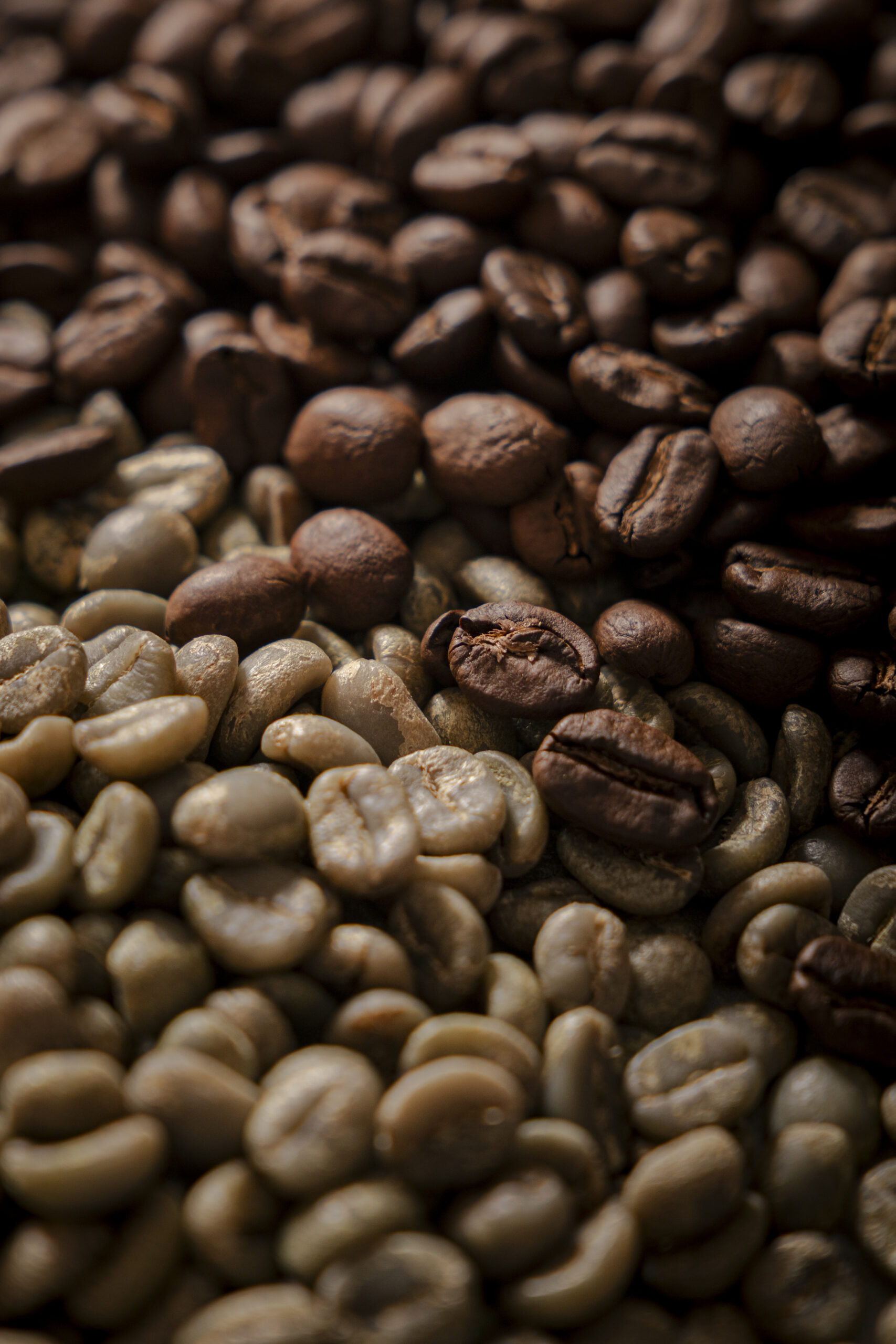
Robusta coffee is a widely consumed coffee variety known for its strong flavor and high caffeine content. Its resilience, high productivity, and adaptability to climate variation have made it indispensable for roasters, coffee producers, and large-scale supply chains.
Scientific research shows that Robusta, known botanically as Coffea canephora, has far greater genetic diversity than Arabica. This diversity accounts for its strong tolerance to heat, humidity, and pests, enabling Robusta to thrive in lowland tropical environments where Arabica often struggles.
From farm to cup, Robusta delivers bold flavor and energy to espresso and blends alike, making it a favourite among coffee enthusiasts worldwide.
Keep reading for a complete breakdown of the history of this popular coffee variety, its key qualities, and how Bali Origins can bring the best Robusta to you.
Why Bali Origins Supplies the Best Robusta Coffee
Renowned for its bold strength and rich crema, Robusta supplied by Bali Origins delivers a deep, full-bodied cup profile with long-lasting intensity. This character makes it highly suitable for espresso blends, high-volume commercial roasting, and many other types of coffee production processes.
Our Robusta beans are cultivated in fertile volcanic regions across Indonesia, where mineral-rich soils and stable tropical climates support strong plant development and consistent bean quality. These growing conditions help Robusta develop strong, consistent beans that perform reliably in darker roasts and large-scale blends.
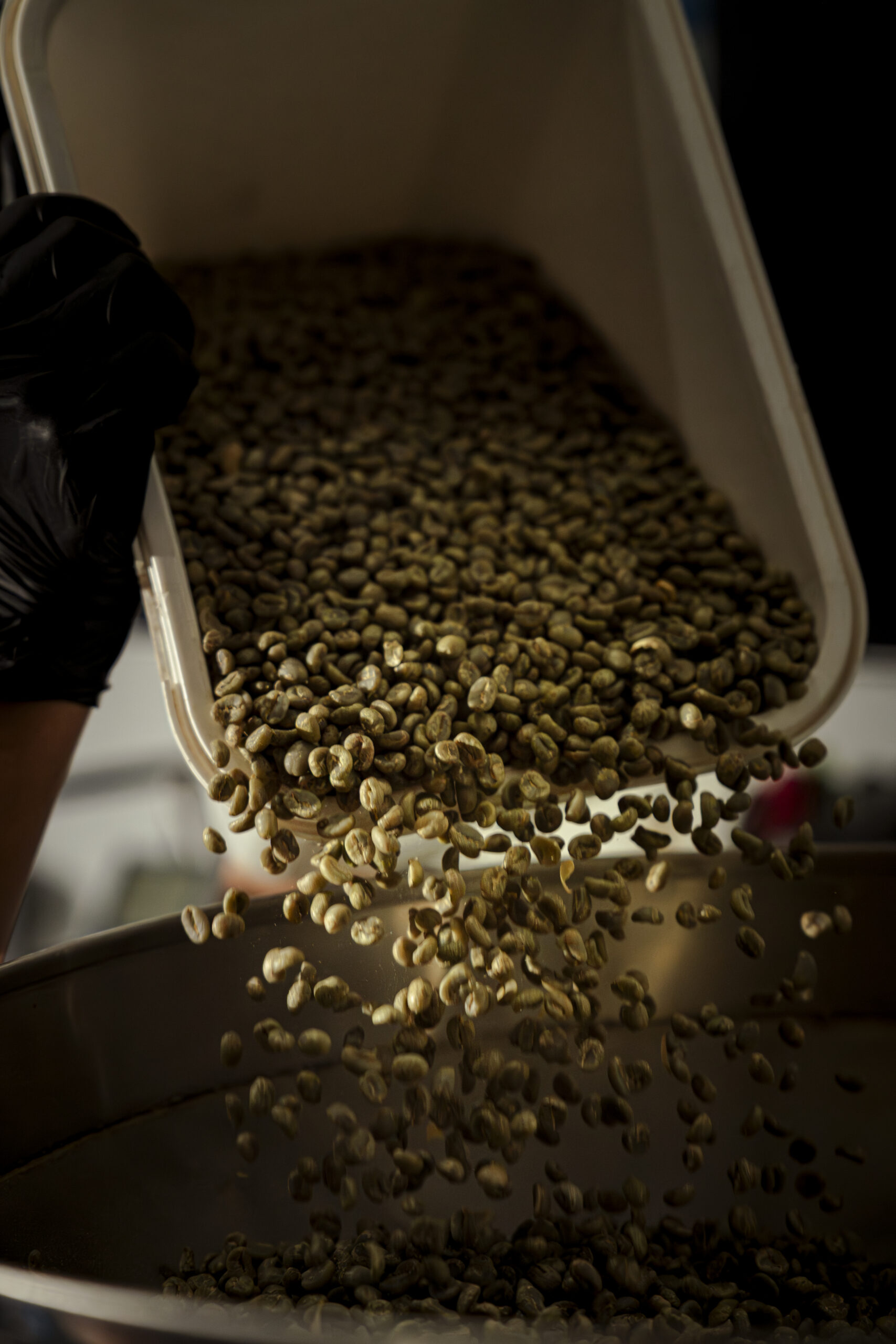
Through direct partnerships with local farmers and tightly controlled post-harvest processing, Bali Origins ensures that every lot of Robusta meets strict standards for cleanliness, moisture stability, and flavor consistency. Beans are selected by farmers from trusted plantations and guided by Bali Origins’ certified processing team throughout key post-harvest stages.
With transparent sourcing, sustainable cultivation practices, and professional quality control, Bali Origins positions its Robusta as a dependable solution for businesses that prioritise strength, structure, and large-scale performance.
Robusta is one of the main coffee types cultivated globally, valued for its strength, high caffeine content, and resilience in warm, low-altitude environments. It is commonly used in espresso blends and large-scale commercial roasting.
Where Did Robusta Coffee Originate?
Robusta coffee originated in the lowland forests of Central and West Africa. Genetic research compiled by World Coffee Research shows that Coffea canephora was identified in the late nineteenth century, when botanists studying the Congo Basin recognised its potential for cultivation in warmer and more humid regions.
Robusta is named for its greater tolerance of environmental stress, heat, pests, and diseases compared with Arabica. These traits made it especially valuable during the twentieth century as colonial plantations expanded across Africa.
After independence, smallholder farmers in countries such as Cameroon and Côte d’Ivoire continued to scale Robusta production. As global demand increased, Robusta spread rapidly to northern Brazil, India, the Philippines, Vietnam, and much of Southeast Asia, including Indonesia.
Today, Robusta beans account for a substantial share of global coffee production, making them one of the most critical coffee types in modern agriculture and trade.
How Did Robusta Coffee Develop in Indonesia?
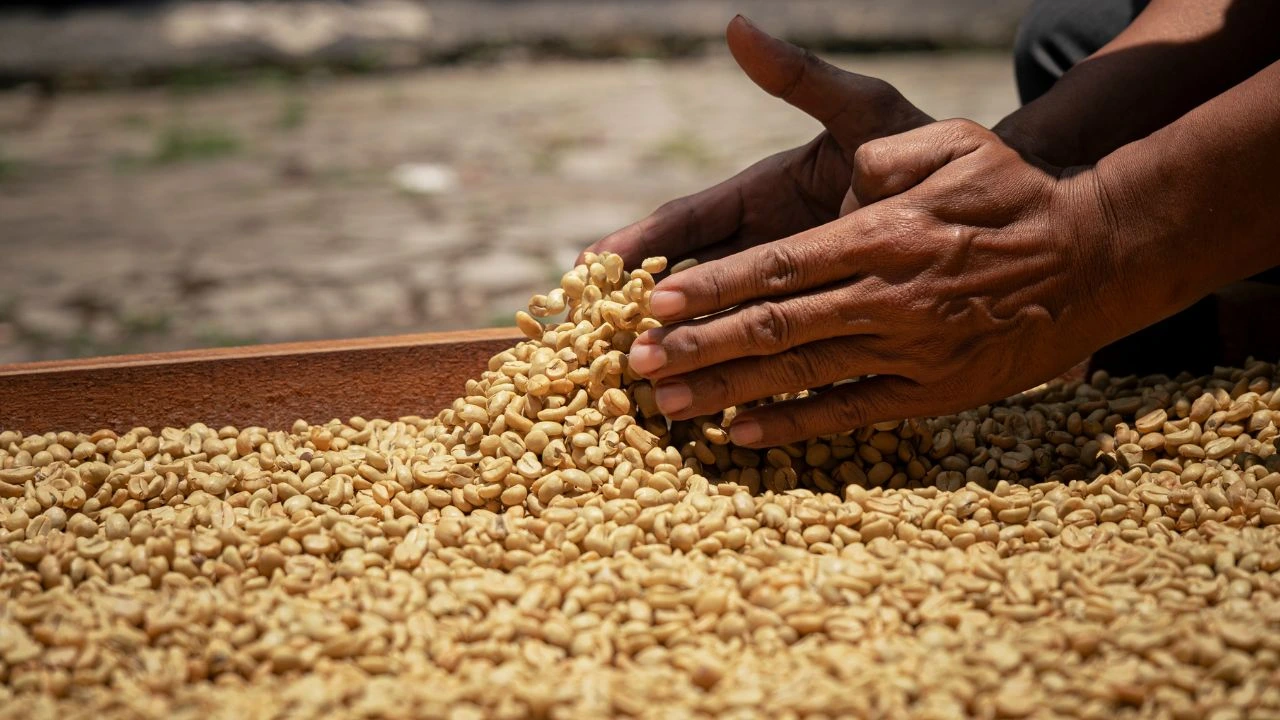
Robusta was introduced to Indonesia in the early twentieth century. Farmers adopted it quickly because it showed strong resistance to coffee leaf rust, a disease that devastated many Arabica plantations across Southeast Asia. This transition reshaped Indonesia’s coffee landscape and positioned Robusta as a reliable option for smallholder farms.
Indonesia later became an early center for Robusta breeding. Genetic materials from Gabon and Uganda enriched local varieties and contributed to the diversity of Robusta grown across the archipelago.
Robusta also spread into Latin America soon after. The conilon variety entered Brazil in 1912 and later spread to Central America through Guatemala.
Today, six countries produce most of the world’s Robusta: Brazil, Vietnam, Indonesia, Uganda, India, and Côte d’Ivoire. Asia and Oceania remain the most significant producing regions.
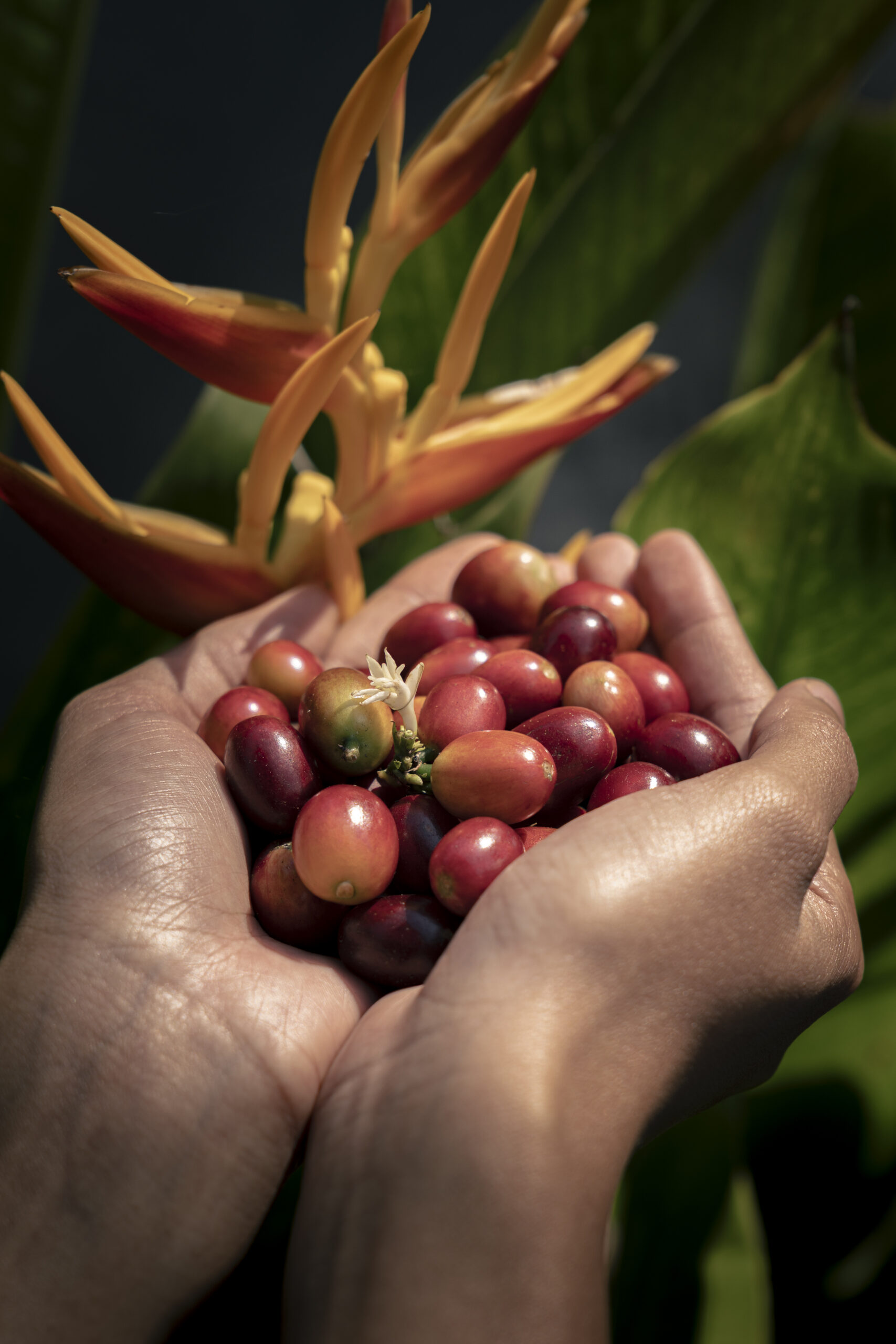
In Indonesia, Robusta farms are typically small, ranging from 1 to 5 hectares, with the majority located in Sumatra and Java. Farmers often grow Robusta alongside fruit or vegetables in agroforestry systems that are both economically viable and well-suited to tropical lowlands.
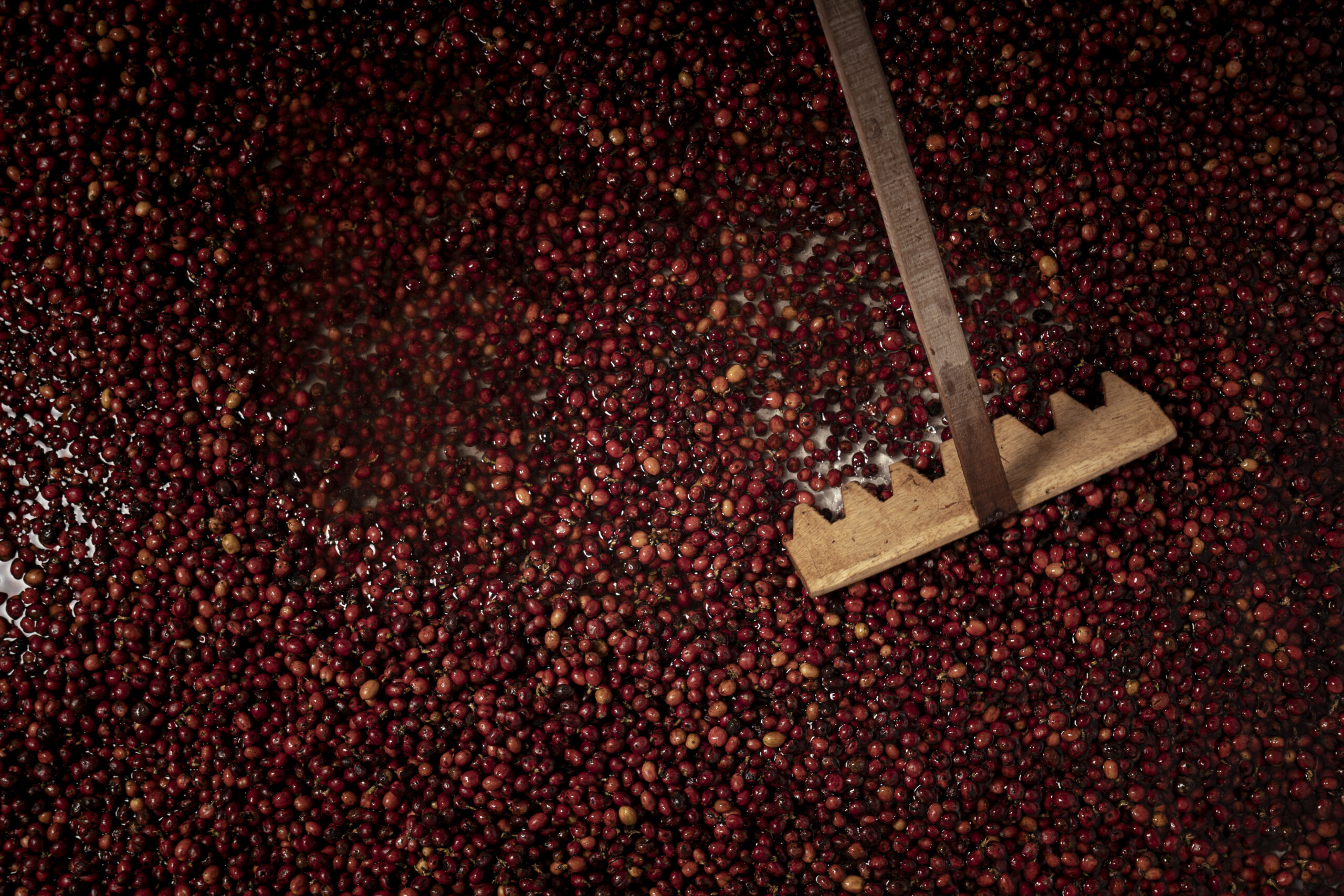
Because many production areas are remote, coffee cherries pass through multiple actors before entering broader commercial distribution channels, from farmers to collectors and processors.
This complex supply chain shaped how green coffee beans move across Indonesia and led to the adoption of wet-hulled processing, a method adapted for speed and trade efficiency.
Beyond its geographic spread, Robusta’s evolution is also defined by its genetic structure, which influences flavor expression, resilience, and adaptability to different climates.
Wet-hulled processing is a traditional method where coffee beans are partially dried before the outer parchment layer is removed. This approach is often used to speed up processing in humid regions, and is a traditional approach compared to other, more modern methods.
What Does Robusta Coffee Taste Like?
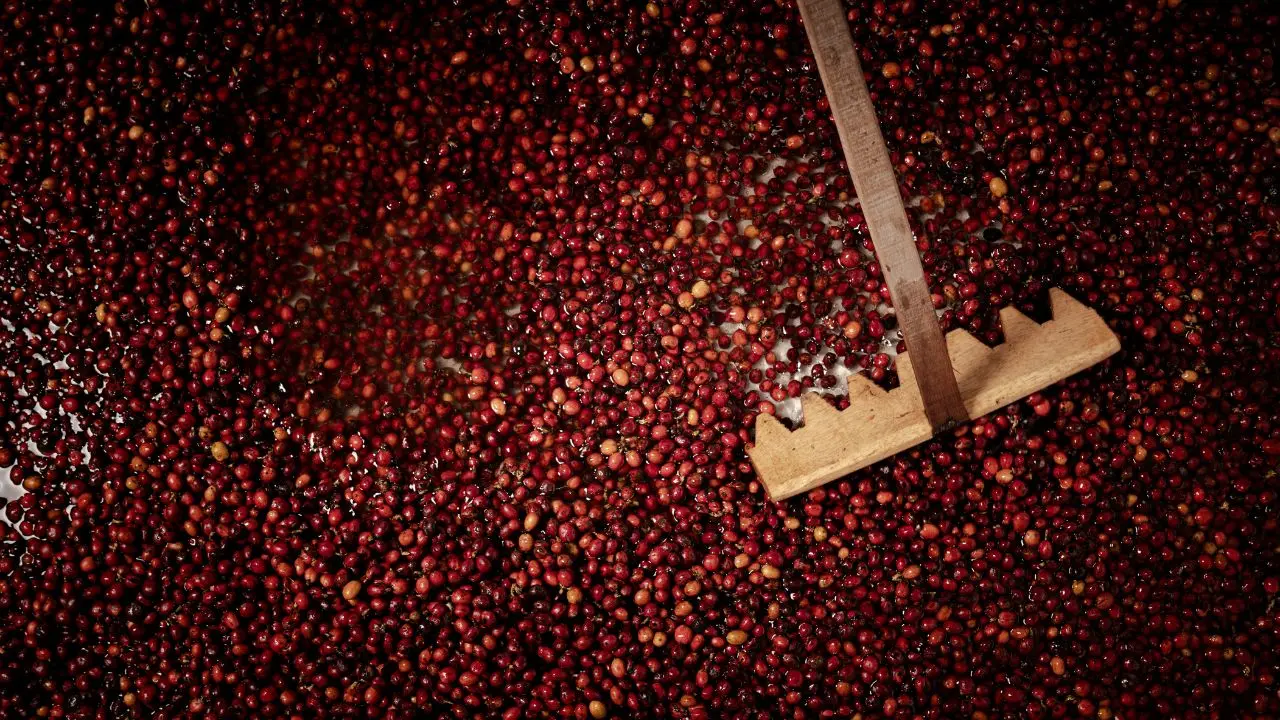
Robusta’s flavor profile is closely linked to its growth in warm, lowland environments and its naturally higher caffeine content. Robusta coffee is known for its bold, earthy flavor. Its profile often includes notes of cocoa, wood, warm spice, and earth.
Compared to Arabica, Robusta has lower acidity but greater intensity and persistence. Its clean bitterness makes it an ideal foundation for espresso blends, contributing to crema, structure, and long-lasting performance in the cup.
When handled with greater precision through controlled post-harvest handling and careful drying, high-quality Robusta can deliver cleaner finishes and fewer harsh notes. These improvements are gaining attention within emerging premium Robusta categories.
Post-harvest handling refers to the steps taken after coffee is harvested to prepare the beans for storage and shipping. Careful handling helps maintain cleanliness, moisture stability, and consistent quality.
How Much Caffeine Does Robusta Coffee Have?
Robusta contains significantly more caffeine than Arabica, typically around 2.2 to 2.7 percent, which is nearly double the amount found in Arabica beans.
A cup of Robusta coffee generally delivers around 180 to 200 milligrams of caffeine, while Arabica averages closer to 100 milligrams.
Higher caffeine content contributes to Robusta’s bitterness and natural pest resistance, reinforcing its role in coffees designed for intensity and consistency.
What Are the Genetic Groups of Robusta Coffee?
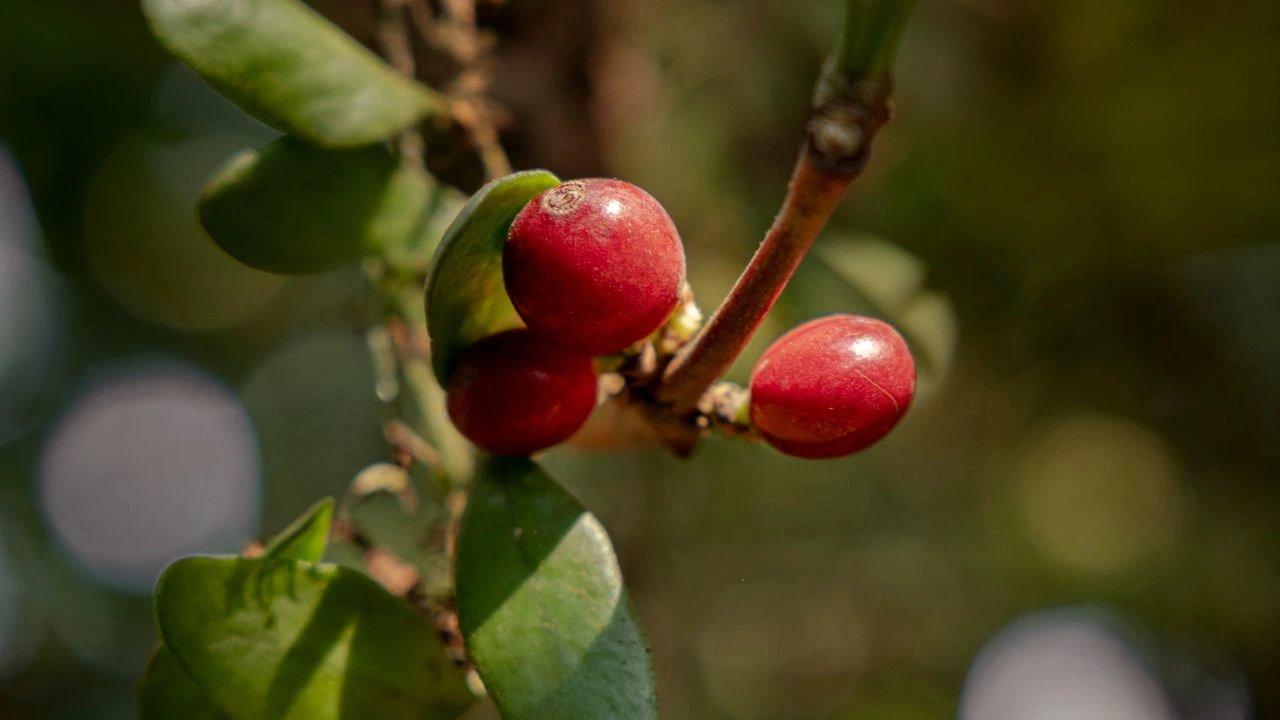
Robusta’s genetic diversity is a key reason for its ability to adapt across environments. Robusta is commonly grouped into two major genetic lineages, each influencing yield, flavor expression, and environmental tolerance.
Guinea Group
- Higher caffeine
- Lighter beans
- Strong drought tolerance
- Earlier fruit production
Congo Group
- Greater resistance to leaf rust
- Heavier seeds
- Moderate caffeine
- More vulnerable to drought
The Congo lineage is the most widely cultivated globally. To protect Robusta’s genetic diversity, several countries across Africa and Asia have established field gene banks that serve as living collections of Robusta varieties.
These conservation efforts remain essential as climate conditions continue to shift.
Genetic lineages describe how coffee plants are grouped based on shared traits such as yield, resilience, and growth behavior. These groupings help explain why coffee performs differently across environments.
Why Robusta Performs Well in Espresso and Coffee Blends
Robusta’s defining strengths include its bitterness, higher caffeine content, and fuller mouthfeel. For roasters and buyers, these characteristics offer practical advantages when developing espresso and blended coffee products.
Robusta supports milk-based beverages by helping flavors remain clear and noticeable. It performs reliably at higher roasting temperatures and darker roasts while maintaining balance and consistency across batches.
In traditional espresso cultures such as Italy and other parts of Europe, Robusta has long been valued for its contribution to crema and overall cup structure.
In Southeast Asia and the Middle East, preference for firmer coffee profiles further reinforces Robusta’s commercial relevance and ongoing demand.
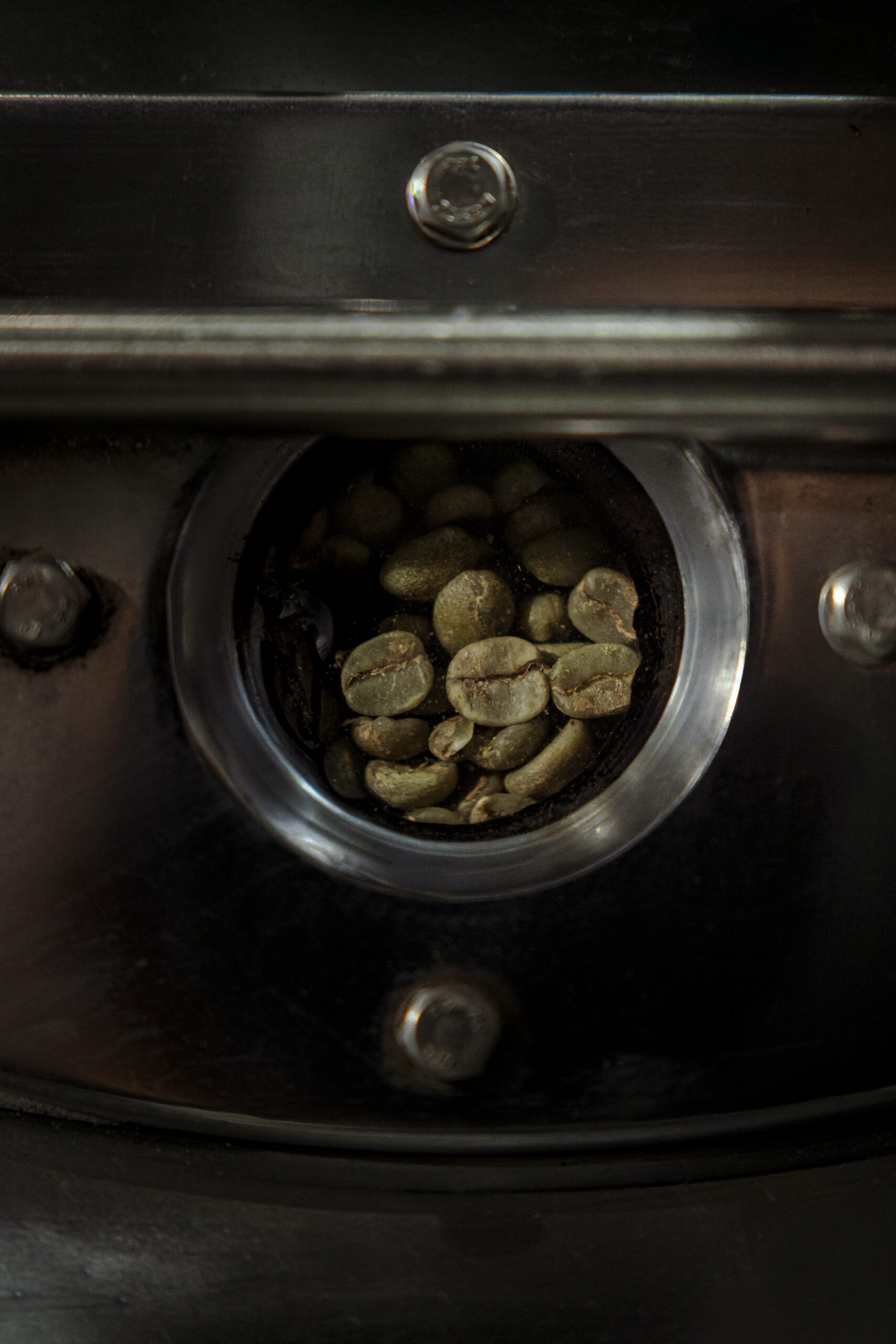
A dark roast is coffee roasted for a longer time at higher temperatures. It produces bolder flavors, lower acidity, and greater bitterness than lighter roast styles.
Key Qualities of Robusta That Matter for Buyers and Roasters
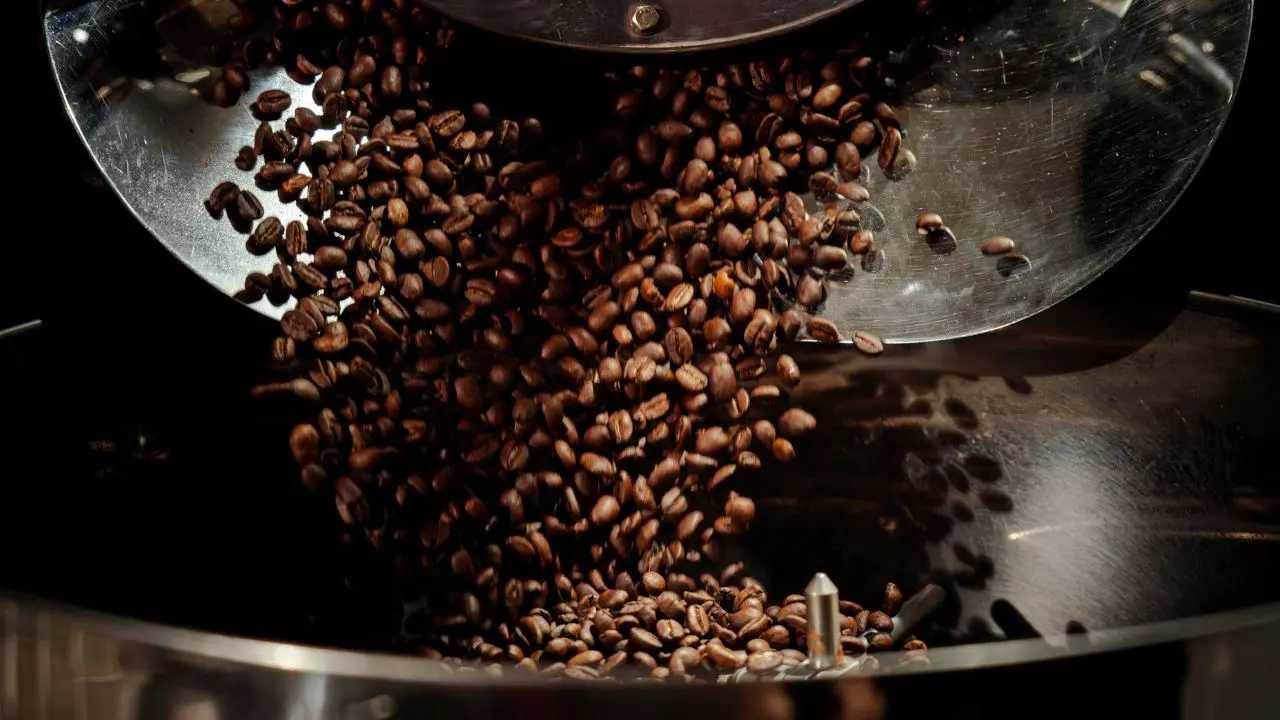
Robusta’s reliability is one of its most valuable attributes for buyers managing green coffee beans at scale. It supports large roasting programs with dependable volume and predictable outcomes. Key advantages include:
- High yield per hectare
- Resilience to pests and climate variation
- Stable supply for long-term contracts and planning
- High soluble solids suitable for instant coffee production
- Consistent performance in blends and commercial roasting programs
Despite its resilience, Robusta still faces challenges from diseases such as wilt, red blister, stem borers, and leaf rust in some producing regions.
For this reason, improved processing standards, post-harvest control, and quality management are critical to elevating Robusta into higher-quality grades. These advancements directly influence how Robusta performs in high-volume and commercial roasting programs.
At Bali Origins, this reliability is supported through strict quality protocols, full traceability, and direct partnerships with producers that apply controlled post-harvest practices. Each lot is evaluated for moisture control, physical quality, and cup testing.
When handled with care, high-quality Robusta can reveal cleaner bitterness, woody aromatics, and grounded flavor notes suited to espresso and roasting applications. It often shows a firm structure, a strong backbone, and occasional nutty finishes.
While Arabica is often associated with elegance, Robusta provides the durability and strength that support millions of blends worldwide.
Soluble solids are the compounds in coffee that dissolve into water during brewing. Higher soluble solids content creates a stronger flavor and is important for espresso and instant coffee production.
How Is Robusta Different from Arabica?
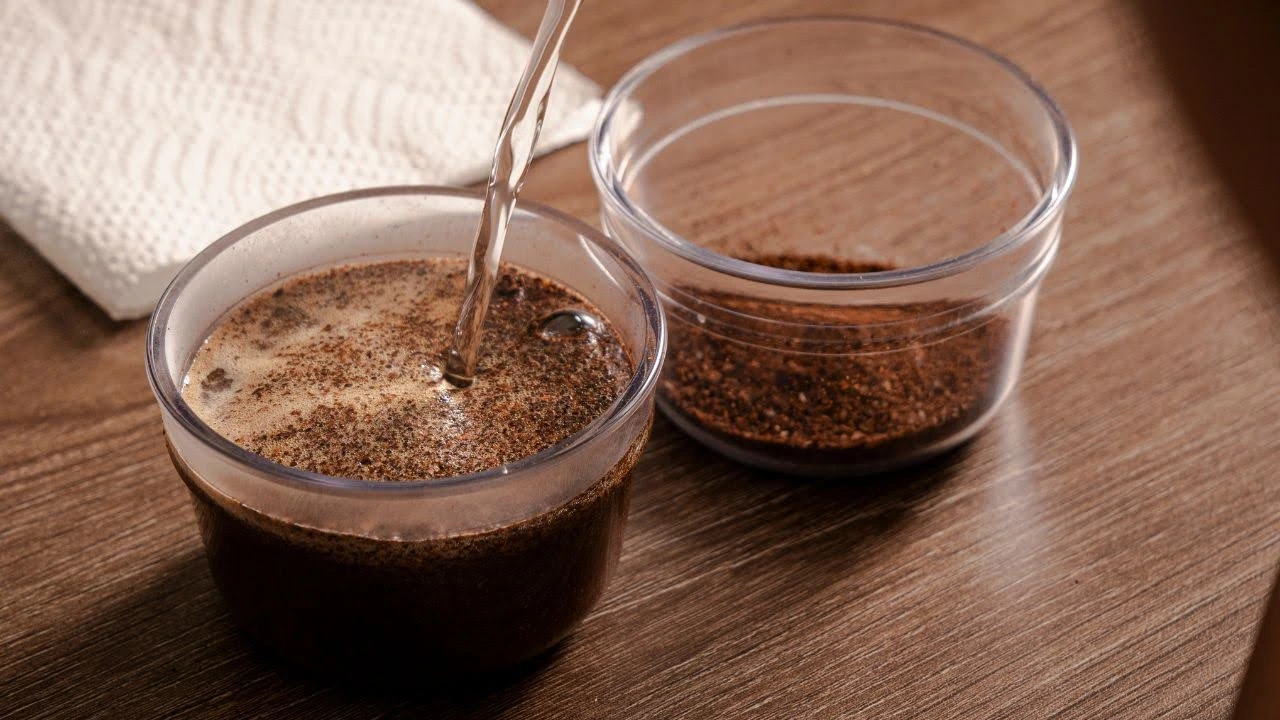
Robusta and Arabica differ fundamentally in how they grow and perform. Robusta thrives in heat, humidity, and low-elevation conditions, while Arabica prefers cooler temperatures and higher altitudes.
Robusta matures faster and delivers higher yields, making it well-suited to large-scale production systems. Its higher caffeine content enhances bitterness, crema, and structural strength in espressos.
Arabica, with lower caffeine levels, offers a sweeter, more aromatic profile with brighter acidity. These traits make Arabica preferred for specialty filter brews and premium espressos.
Read our comprehensive Arabica vs Robusta comparison for details on how the two overlap and differ.
Why Robusta Coffee Matters for Large-Scale Businesses
Robusta performs consistently under demanding conditions and adapts to a wide range of roasting requirements. For suppliers, distributors, and hospitality groups, this reliability supports stable products, predictable inventory cycles, and long-term planning.
While resilient and high-quality, Robusta still requires careful processing, clean post-harvest handling, and disciplined drying. These refinements have allowed Robusta to evolve beyond its traditional role and gain recognition in premium and specialty-driven applications.
Bali Origins strengthens this reliability by supplying the highest-grade Indonesian Robusta from trusted producers.
Through strict quality control, transparent sourcing, and continuous refinement of post-harvest practices, Bali Origins delivers Robusta that performs consistently across blends, espresso formats, and high-volume roasting programs.
For businesses that require dependable Robusta at scale, Bali Origins provides stable, traceable, and professionally curated Robusta for commercial and quality-driven operations.
Robusta Coffee FAQs:
What Is Robusta Coffee Best Used For?
Robusta coffee is well-suited to applications that require strength, high caffeine, and consistent performance. It supports espresso blends, enhances crema, and adds structural depth to the cup.
Robusta is also widely used in instant coffee and large-scale roasting programs because it performs reliably under high production volumes.
For buyers seeking stability, Robusta provides a dependable foundation.
What Is the Benefit of Robusta Coffee?
Robusta offers several clear advantages for producers, roasters, and commercial buyers. It contains almost twice the caffeine of Arabica, which increases the plant’s natural resistance to pests and reduces the risk of farming.
Its bold profile pairs well with milk-based beverages and dark roasting, making it ideal for commercial espresso.
From a business standpoint, Robusta produces higher yields, offers more predictable pricing, and provides a steady supply, all of which are essential for long-term planning.
How Does Robusta Coffee Affect the Flavor Profile of Espresso?
Robusta contributes intensity, crema, and body to espresso. It strengthens the shot’s overall structure and increases flavor persistence, especially in blends designed for darker roasts.
Many traditional Italian espresso formulas include Robusta because it produces a dense crema and adds dark chocolate and earthy notes that enhance balance.
What Are The Key Differences Between Robusta Coffee and Arabica Coffee?
Robusta grows in low elevations and thrives in hotter, more humid environments, while Arabica requires cooler temperatures and higher altitudes.
Robusta contains more caffeine, resulting in a stronger, more bitter profile, while Arabica offers sweeter flavors, cleaner acidity, and greater aromatic complexity.
In blends, Robusta adds strength and crema, while Arabica provides refinement and a more expressive flavor. Both play essential but distinct roles in modern roasting and product development.
Why Is Robusta Used in Espresso Blends?
Robusta is used in espresso blends because it improves crema thickness, increases intensity, and stabilises the blend’s overall flavor.
Its higher soluble solids content makes extraction more efficient, particularly for commercial espresso machines operating at high volume.
These qualities make Robusta essential for cafés, hotels, and large roasting operations that require both consistency and performance.
Is Robusta Coffee More Bitter than Arabica?
Yes, Robusta contains more caffeine and fewer natural sugars than Arabica, resulting in a more bitter, assertive taste.
However, when processed with care, the bitterness becomes clean, structured, and suitable for espresso or darker roasts rather than harsh or overwhelming.
Is Robusta Coffee Healthy?
Robusta coffee contains higher levels of antioxidants and caffeine, which may support alertness, metabolism, and cognitive focus. These potential benefits depend on serving size, brewing method, and individual caffeine tolerance. However, it’s important to note that excessive caffeine consumption may be harmful, potentially affecting energy levels and sleep patterns and leading to dependence over time.
When consumed responsibly, Robusta can be part of a healthy coffee routine.
Which Countries Produce the Most Robusta Coffee?
Vietnam, Brazil, Indonesia, Uganda, India, and Côte d’Ivoire are the world’s leading producers of Robusta coffee. Vietnam leads global production by a wide margin, supplying a significant share of the commercial Robusta market and shaping global pricing trends.
Indonesia remains one of the most essential origins in this group. Much of the country’s Robusta comes from Sumatra and Java, where smallholder farmers cultivate the crop in lowland regions ideally suited to the variety.
For buyers sourcing from Indonesia, Bali Origins supports access to high-end Robusta by working directly with farmers, implementing strict quality-control protocols, and ensuring a consistent coffee supply.
Is Robusta Used in Specialty Coffee?
Yes, Robusta is used in specialty coffee, and advances in processing, including post-harvest control, improved drying systems, and modern quality control, have driven the rise of premium and specialty-grade Robusta.
These coffees often exhibit smoother finishes, reduced bitterness, and cleaner profiles than traditional commercial Robusta. This shift is expanding the global market for high-quality Robusta.
Does Robusta Coffee Have More Caffeine?
Robusta typically contains 2.2 to 2.7 percent caffeine, nearly double that of Arabica.
This high caffeine level contributes to its bold flavor and also enhances the plant’s natural resistance to pests.
Why Do Roasting Businesses Rely on Robusta?
Roasting businesses rely on Robusta because it is reliable, cost-effective, and well-suited to large-scale production. Robusta offers higher yields, strong resistance to pests and heat, and predictable performance during roasting, making it one of the most stable components in high-volume coffee programs.
Its consistent flavor profile supports blend stability, especially for espresso formats that require crema, structure, and intensity. Many commercial roasteries use Robusta to maintain uniformity across batches and to manage supply during market fluctuations.
For businesses that work with green coffee beans at scale, Robusta plays a key role in long-term planning and product design.
Bali Origins strengthens this reliability by providing carefully processed Robusta sourced from the best producers across Indonesia. Through strict quality-control protocols, transparent sourcing, and continuous post-harvest improvement, Bali Origins ensures that buyers receive Robusta that performs consistently and delivers rich, reliable flavor in every cup.