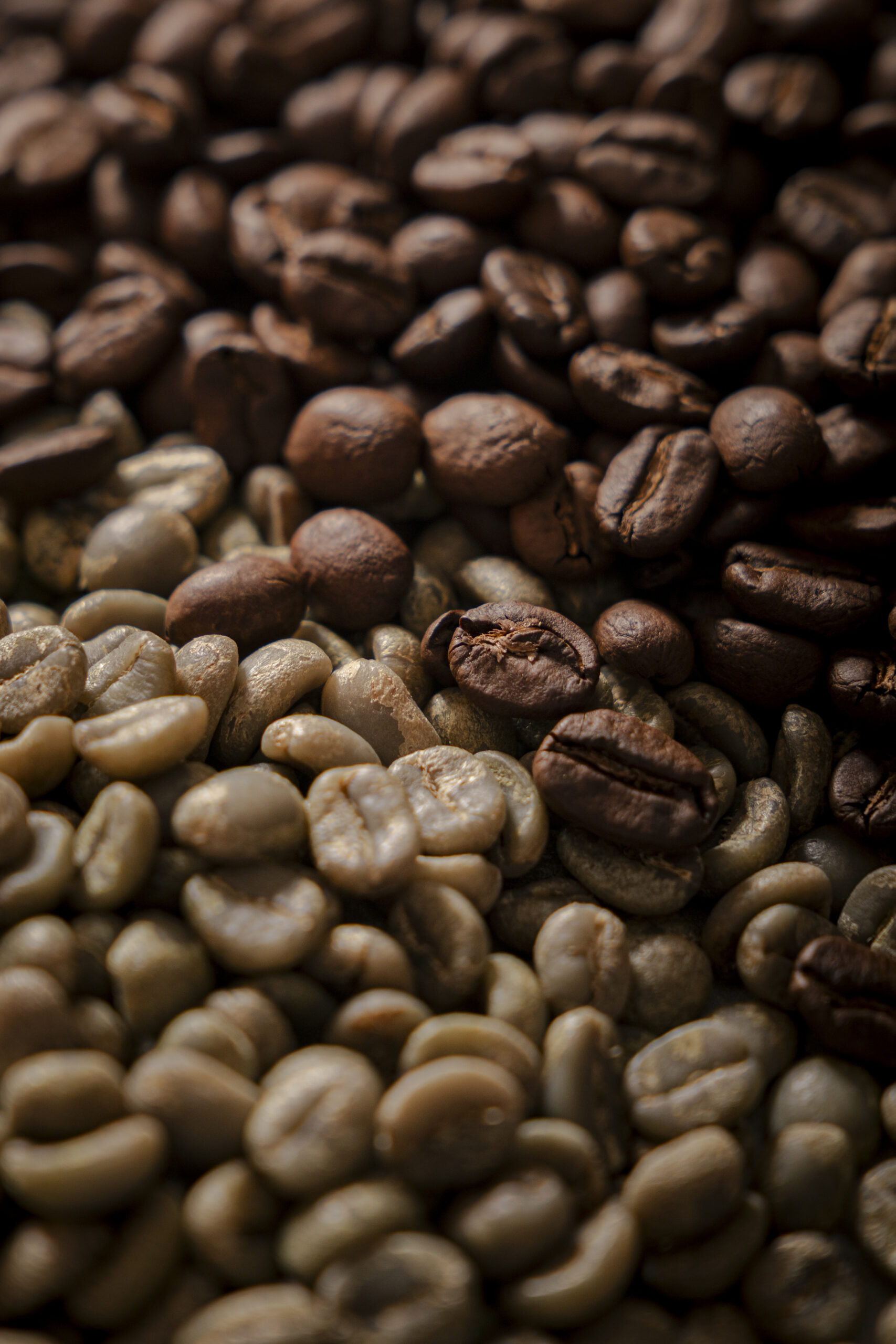
Dark roast coffee tends to have strong, bold flavors. Light roast is known for its brighter and more delicate taste. Medium roast sits between the two, offering a balance of sweetness, body, and acidity.
These differences are more than just a matter of personal preference. The roast level affects how coffee tastes, feels, and brews.
This article explains the key differences between light, medium, and dark roast coffee, how each behaves during extraction, and how to choose the right roast for your flavor goals and brewing needs.
What Does Coffee Roast Level Mean?
Roast level correlates to the amount of time coffee beans are roasted, which affects their structure and flavor.
During roasting, beans lose moisture, expand, and experience chemical changes that alter acidity, sweetness, body, and aroma.
As roasting continues, the following changes occur:
- Perceived acidity gradually decreases
- Sweetness shifts from bright, fruity flavors to deeper, caramel-like tastes
- The coffee’s body gets fuller and heavier
- Unique flavors from the bean’s origin can become less noticeable
Light roasts keep more of the bean’s natural flavor. Medium roasts blend the bean’s flavor with the sweetness of roasting. Dark roasts emphasize roasted flavors over regional notes.
Understanding this progression helps determine which roast level suits a brewing method or commercial objective.
Perceived acidity refers to the brightness or crisp sensation experienced when tasting coffee, rather than its chemical acidity level. It shapes how fresh, lively, or sharp the coffee feels on the palate.
What Is Light Roast Coffee and How Does It Taste?
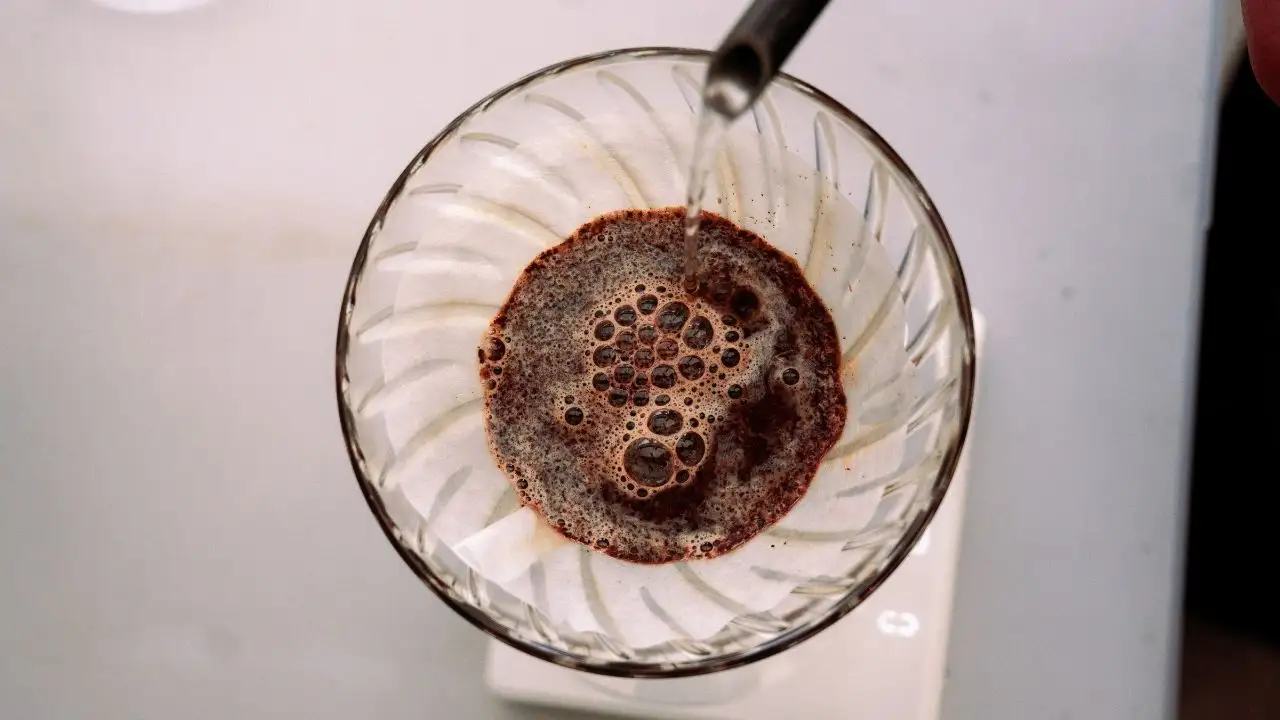
Light roast coffee is removed from the roaster shortly after the first crack. The beans are light brown, dry on the surface, and show no visible oils.
At this stage, more of the coffee’s original characteristics remain visible in the cup. Many light roast coffees highlight the characteristics of arabica varieties grown in high-altitude regions.
Light roast coffee often tastes brighter and more acidic, with a lighter body and mild flavors. Depending on its origin, it might taste fruity, floral, citrusy, or even a little like tea.
Because of their unique flavors, light roasts are often used for filter brewing methods like pour-over, drip coffee, and other manual brewers. They are also popular in specialty coffee that highlights flavor and origin.
First crack is a roasting stage in which coffee beans expand and produce an audible cracking sound due to internal pressure buildup. Removing the beans shortly after this stage typically results in a light roast profile.
What Is Medium Roast Coffee and When Is It Used?
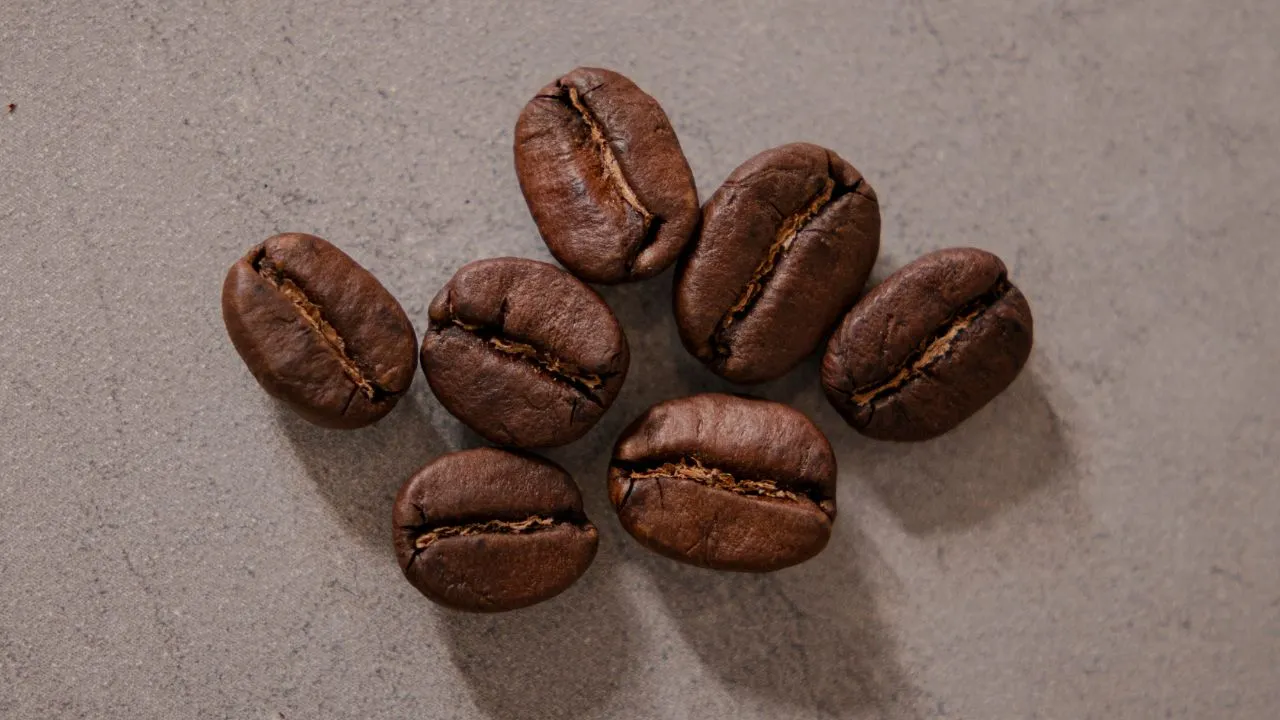
Medium roast coffee offers a balance between brightness and boldness. It is usually medium brown and combines origin character with roast sweetness.
Flavor Profile:
- Moderate acidity
- Balanced sweetness
- Medium body
Medium roast is widely used in commercial and specialty programs due to its versatility. It works well for espresso and filter brewing, maintaining consistent flavor without being too sharp or roasted.
Many roasters choose medium roast because it offers a dependable option that appeals to a wide range of consumers.
Versatility in coffee roasting describes a roast level that performs well across multiple brewing methods, such as espresso and filter, with minimal adjustments required to maintain balanced flavor.
What Is Dark Roast Coffee and Why Is It Popular?
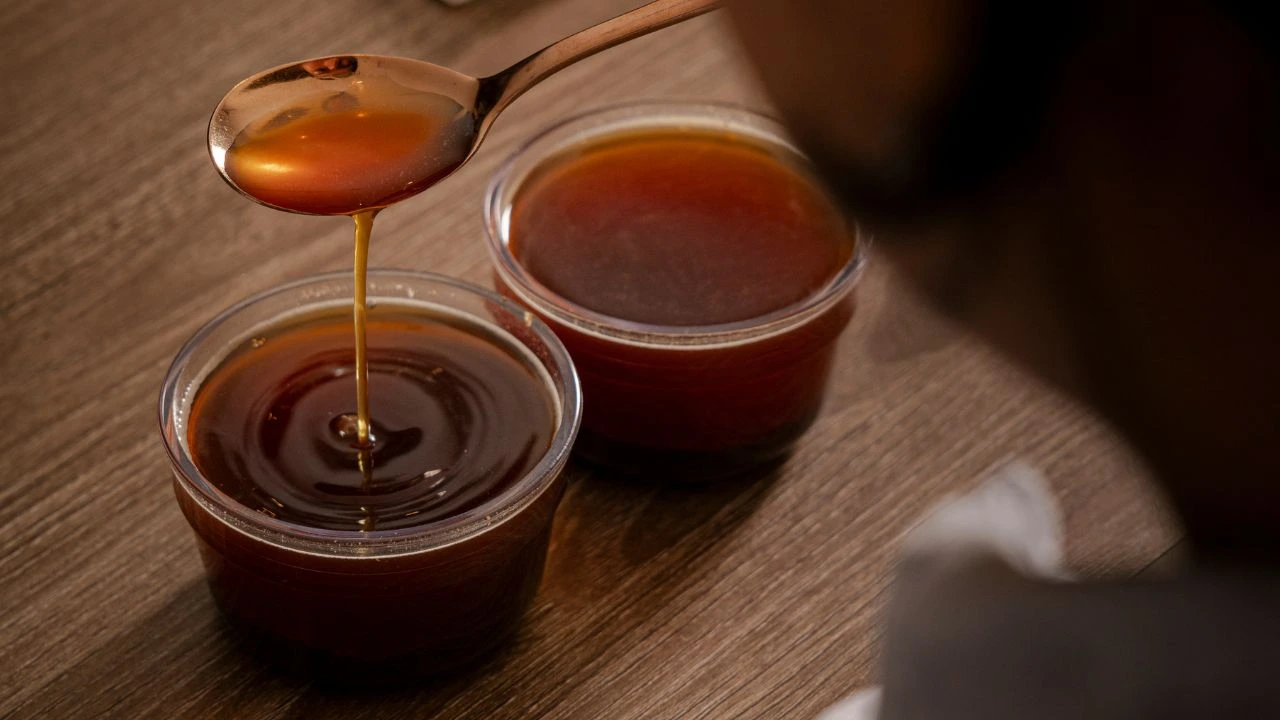
Dark roast coffee is roasted longer, giving it a darker color and sometimes a shiny, oily look. The extra heat lowers acidity and brings out strong roasted flavors.
Flavor Profile:
- Lower perceived acidity
- Bold flavors with smoky or chocolate notes.
- Fuller body
In dark roast coffee, roast-driven flavors take priority over subtle origin nuances. This profile is popular in espresso blends, milk-based drinks, and commercial settings where body and intensity are valued. Many espresso programs use robusta varieties for their strength, crema stability, and high-volume performance.
Dark roast coffee is often chosen for its consistency in high-volume settings and reliable performance across different brewing systems.
Roast-driven flavors are taste characteristics shaped primarily by the roasting process rather than by the coffee’s origin. Common examples include smoky, toasted, caramelized, or dark chocolate notes.
Light vs Medium vs Dark Roast Coffee at a Glance
| Characteristic | Light Roast Coffee | Medium Roast Coffee | Dark Roast Coffee |
| Roasting Time | Shorter roast time | Moderate roast time | Longer roast time |
| Bean Color | Light brown | Medium brown | Dark brown to nearly black |
| Surface Oils | Dry surface | Usually dry | Often slightly oily |
| Acidity | Higher perceived acidity | Balanced acidity | Lower perceived acidity |
| Body | Light to medium body | Medium body | Medium to full body |
| Flavor Focus | Origin-driven, fruit-forward | Balanced between origin and roast sweetness | Roast-driven, bold, smoky, chocolate notes |
| Aroma | Floral, bright | Caramel, nutty | Toasted, smoky |
| Best For | Filter brewing, single-origin clarity | Versatile use, espresso & filter | Espresso blends, milk-based drinks |
| Extraction Sensitivity | More sensitive to brewing precision | Moderate tolerance | More forgiving extraction |
| Commercial Use | Specialty programs highlighting the origin | Balanced retail and café programs | High-volume, consistent espresso blends |
Flavor differences between roast levels interact with the characteristics of arabica and robusta coffee beans.
How Roast Level Affects Brewing Performance
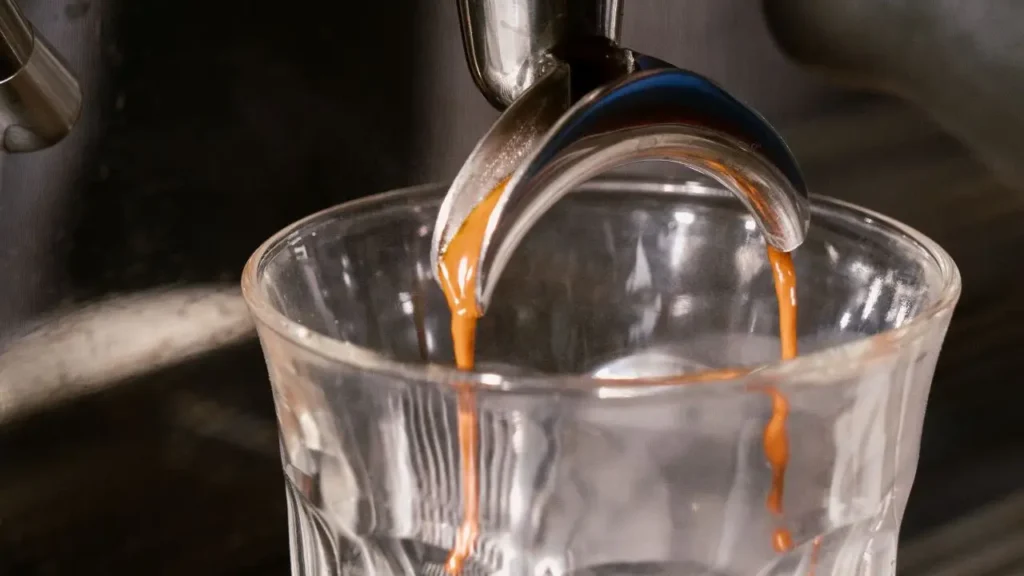
The roast level affects how easily coffee extracts and how consistent the results are with different brewing methods.
Light roasts take longer to extract and require careful control of grind size and brew time to prevent sharp or underdeveloped flavors.
Medium roasts are more flexible and usually give balanced results in both espresso and filter brewing. Dark roasts extract quickly, have a fuller body, and lower acidity, making them easier to work with in busy settings.
In commercial settings, these differences in extraction can affect workflow efficiency, dial-in time, and batch consistency.
To explore how roasting transforms green coffee beans in more detail, see our guide to the coffee roasting process and how controlled preparation influences final flavor.
Extraction is the process of dissolving flavor compounds from ground coffee into water during brewing. Roast level influences how quickly and efficiently these compounds dissolve.
Under-extraction occurs when insufficient flavor compounds dissolve, often resulting in a sharp, sour, or weak taste profile.
Choosing the Right Roast Level for Your Needs
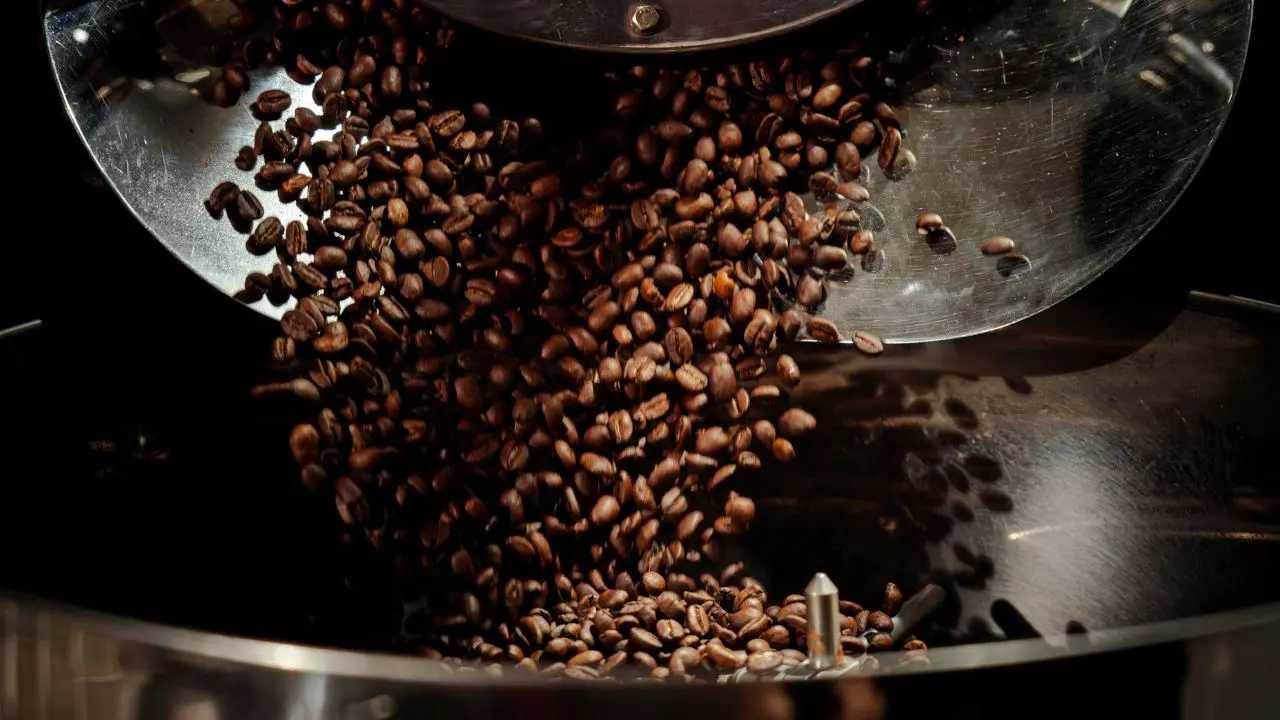
Choosing a roast level depends on your flavor goals, brewing method, and how you want to position your product. Indonesia’s long coffee history has shaped the development of different roast styles across regional markets.
Light roast coffee works well if you want to highlight the coffee’s origin and clarity. Medium roasts are good for balanced menus and appeal to a wide range of customers.
Dark roasts are often used in espresso blends and milk-based drinks where body, strength, and consistency matter most.
Rather than asking which roast is best overall, the more relevant question is which roast level aligns with your intended flavor profile, brewing method, and commercial objectives.
How Bali Origins Supports Consistent Roasting Performance
Consistent roast profiles depend on stable and well-managed preparation before roasting begins. Bali Origins supports roasters by sourcing from selected farms and applying controlled post-harvest handling to maintain lot integrity and moisture stability.
Structured quality control and managed drying keep batches separated and performance predictable. This helps roasters develop repeatable light, medium, or dark roast profiles across different production volumes.
Reliable preparation reduces variability and supports scalable roasting for businesses planning long-term coffee programs in commercial and specialty markets.
If you source green coffee beans for light, medium, or dark roast programs, consider how Bali Origins can support your B2B supply with stable preparation, structured quality control, and performance-driven processing.
Dark Roast Coffee FAQs:
What Is Dark Roast Coffee?
Dark roast coffee is roasted longer than light or medium roasts, resulting in a dark brown to nearly black bean, sometimes with a slightly oily surface. Extended roasting reduces perceived acidity and emphasizes bold, roast-driven flavors, such as chocolate and smoky notes.
What Are the Characteristics of a Well-Made Dark Roast Coffee?
A well-made dark roast coffee should have a full body, smooth bitterness, and balanced roast intensity without tasting burnt or overly ashy. It should maintain structure and sweetness even at deeper roast levels. Consistency in moisture and preparation before roasting is critical to achieving stable results.
Is Dark Roast Coffee Stronger Than Light Roast?
Dark roast coffee often tastes stronger due to its bold flavor and heavier body. However, a stronger flavor does not necessarily indicate higher caffeine content. The perception of strength comes primarily from roast intensity rather than caffeine levels.
What Are the Benefits of Dark Roast Coffee?
Dark roast coffee offers lower perceived acidity, fuller body, and strong flavor presence. These qualities make it suitable for espresso blends, milk-based drinks, and high-volume commercial settings where consistency and intensity are important.
How to Choose the Best Dark Roast Coffee Beans?
Choosing the best dark roast coffee beans involves evaluating the quality of the beans before roasting. Look for stable moisture levels, clean physical grading, and traceable post-harvest handling. High-quality green coffee supports even roasting and reduces the risk of harsh or burnt flavors at darker profiles.
Bali Origins supports dark roast programs by applying controlled post-harvest handling and quality systems that maintain lot integrity and moisture stability, enabling predictable roasting outcomes at scale.
What Are the Recommended Brewing Methods for Dark Roast Beans?
Dark roast beans perform well in espresso machines, automatic drip systems, and immersion methods such as the French press. Their lower acidity and fuller body make them more forgiving during extraction, especially in busy commercial environments.
Are Dark Roast Coffee Beans Good for Espresso?
Yes. Dark roast coffee beans are widely used for espresso because they produce a dense body, strong crema, and bold flavor. Their roast-forward character stands up well to milk in cappuccinos and lattes, making them a practical choice for café programs.
What Is the Ideal Brew Temperature for Dark Roast Coffee?
Dark roast coffee generally benefits from slightly lower brew temperatures than light roast, often in the range of 90 to 94°C. Lower temperatures help control bitterness and prevent over-extraction while preserving body and balance.
How Does Roast Level Affect Extraction Performance?
Dark roast coffee extracts more quickly than light roast due to structural changes during roasting. This makes it easier to dial in and more tolerant of small brewing variations, which is valuable in high-volume commercial settings.
Why Does Preparation Before Roasting Matter for Dark Roast Programs?
Even though dark roast emphasizes roasted flavors, the quality of green coffee preparation remains critical. Stable moisture levels and controlled handling help ensure that dark roast profiles remain smooth and consistent rather than harsh or uneven.
Bali Origins supports roasting consistency by applying structured quality control and controlled drying before beans reach the roastery, helping businesses maintain repeatable dark-roast performance across varying production volumes.
Which Businesses Benefit Most from Dark Roast Coffee?
Dark roast coffee is particularly suitable for espresso-focused cafés, commercial roasting operations, and brands prioritizing body, strength, and reliable flavor performance across large-scale production.