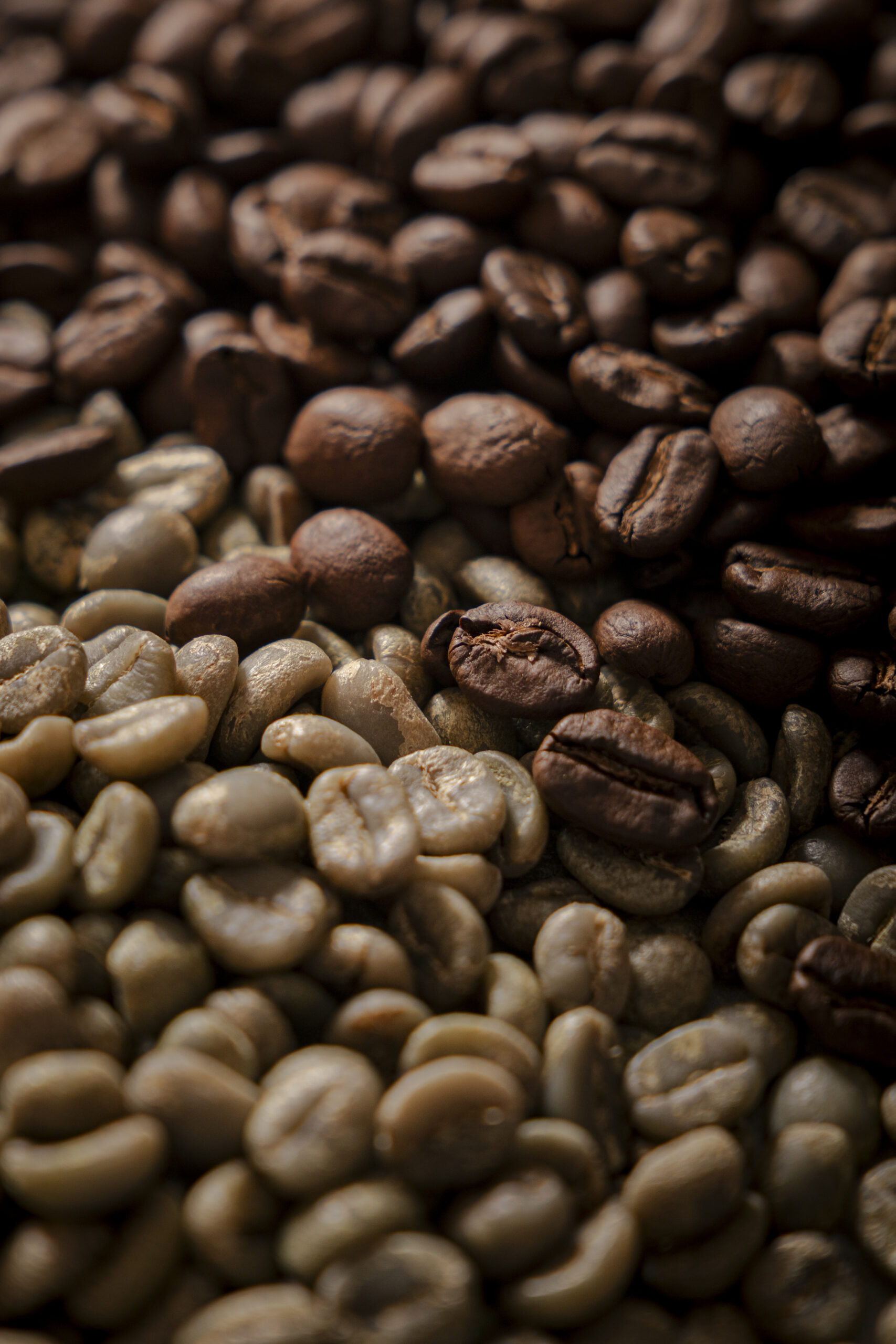
Bali coffee beans and Java coffee beans are two of Indonesia’s most recognised coffee origins, each shaped by different landscapes, histories, and ways of growing coffee.
Because Indonesia is a major coffee producer, these differences are important to note before purchasing coffee beans. The climate and terrain on each island shape how the coffee grows, giving each region its own strengths and unique flavors.
Bali coffee is known for its clear, balanced flavors that highlight its origin. In contrast, Java is known for large-scale, long-running production and reliable quality.
Knowing the differences between these origins helps buyers, roasters, and hospitality businesses choose the right coffee for their needs.
This article examines what makes Bali and Java coffee beans unique and how each suits different roasting styles, flavor profiles, and business goals.
Why Coffee Buyers Choose Bali Origins for Bali and Java Coffee Beans
Coffee buyersin Indonesia often struggle to maintain consistency due to a fragmented supply landscape. Bali Origins addresses this by prioritising processing discipline, quality control, and traceability over volume trading.
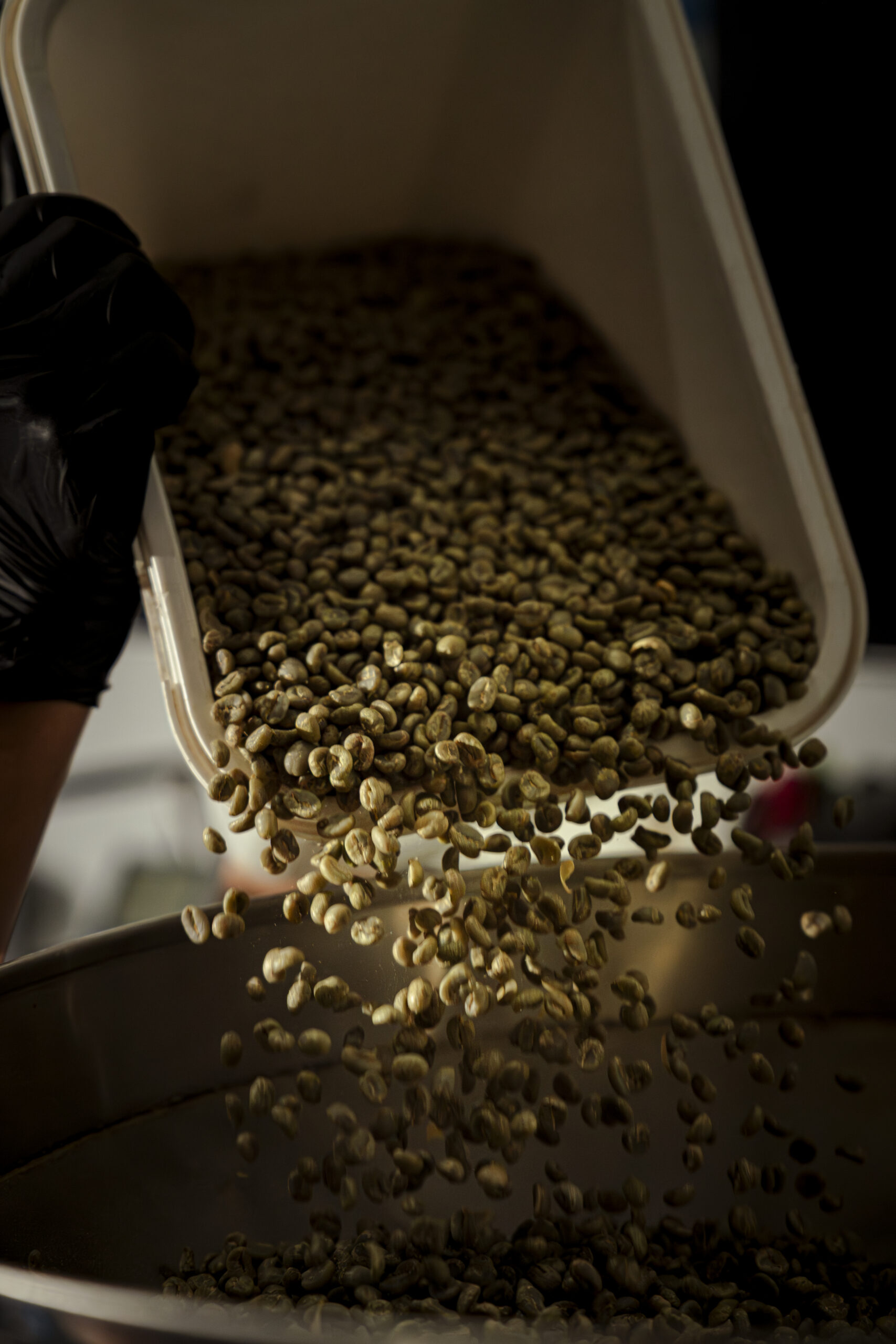
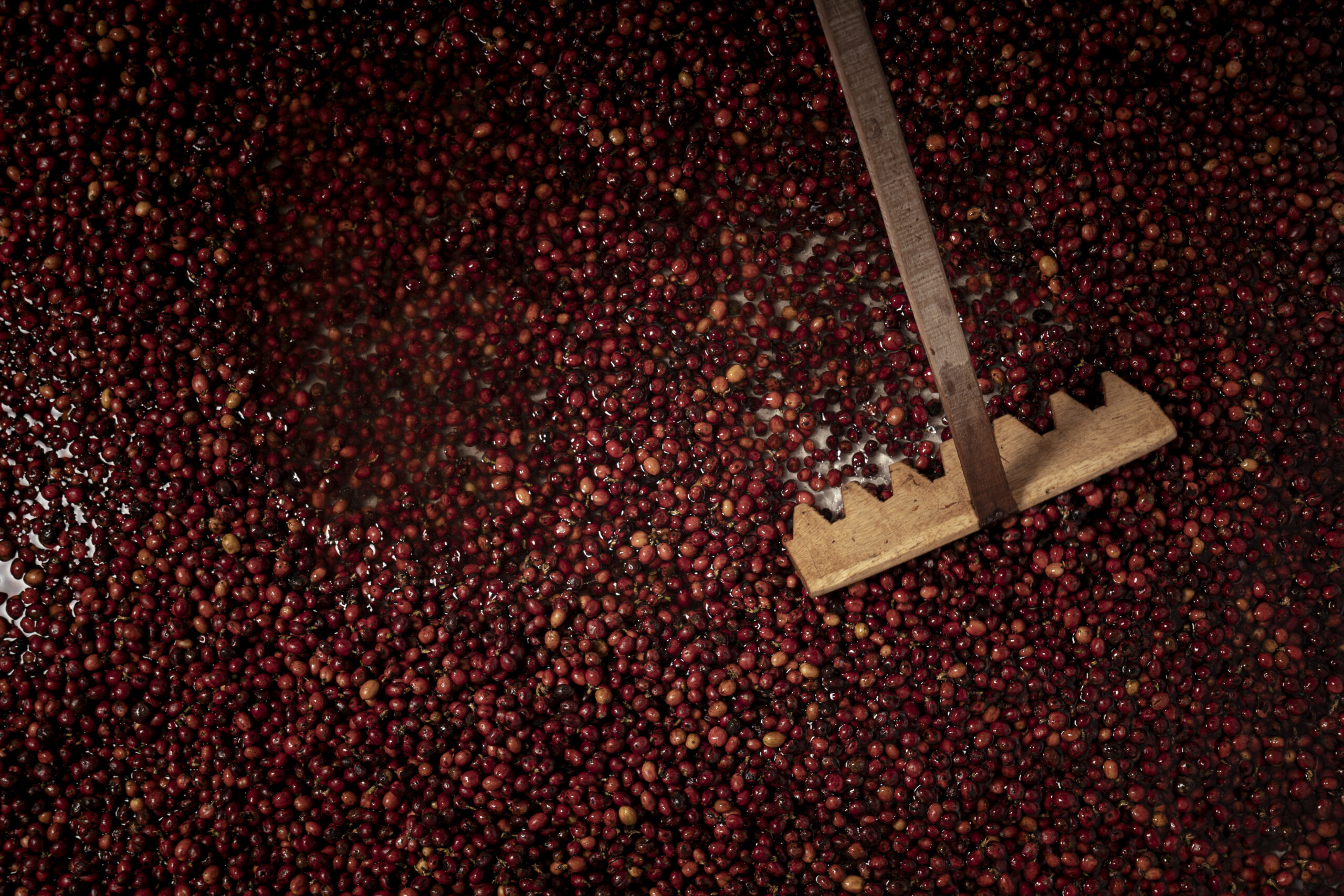
Farmers select beans from trusted plantations, and Bali Origins’ certified processing team oversees key post-harvest stages that impact flavor stability and roasting behavior.
This process ensures that both Bali and Java coffees meet professional standards for moisture control, cleanliness, and physical quality before entering commercial programs.
By positioning Bali and Java as complementary origins, Bali Origins allows buyers to source coffees for various roles within a single portfolio, including single-origin offerings, espresso blends, and high-volume hospitality applications.
What is Special About Coffee Beans from Bali?
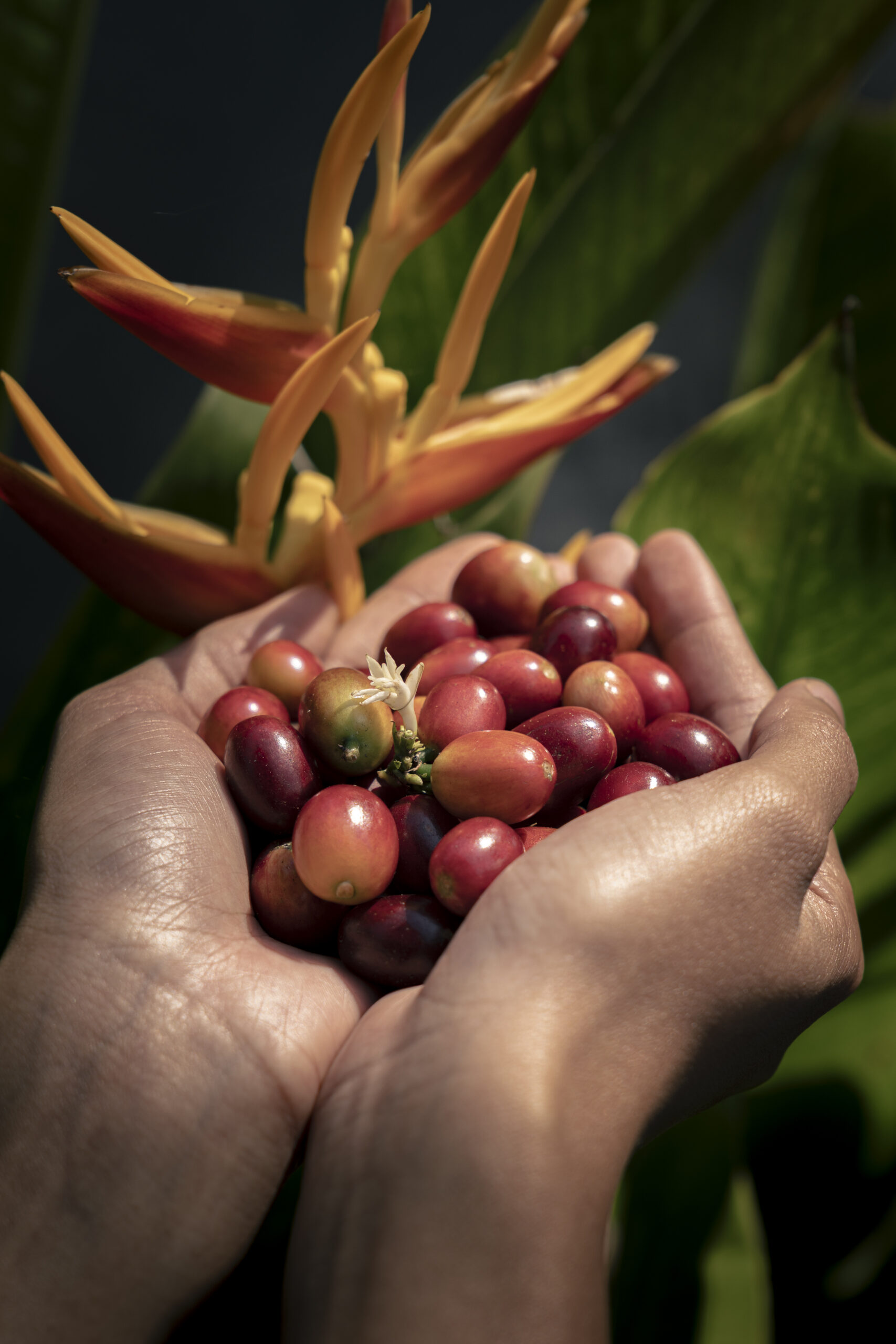
Bali coffee beans are most closely associated with Kintamani, a highland area between Mount Agung and Mount Batukaru in northeastern Bali.
Grown at elevations of 900 to 1,700 meters, Bali coffee benefits from mineral-rich volcanic soil and a cool mountain climate that supports aromatic clarity and balance.
Bali coffee stands out for its clean taste, with fresh citrus notes and gentle hints of chocolate.
This unique flavor comes in part from growing coffee next to citrus trees, which adds brightness and a touch of sweetness. The result is a coffee that feels aromatic and well-balanced, rather than sharp or overpowering.
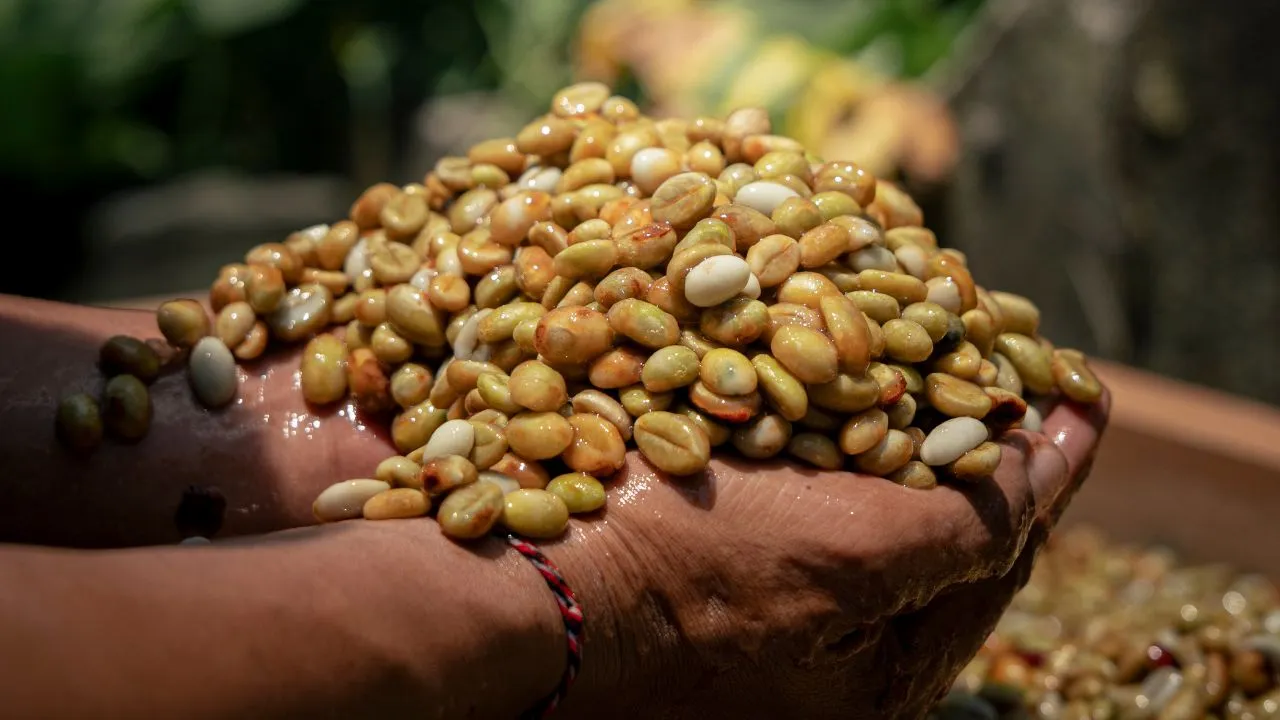
Local farming traditions also shape Bali coffee production. Cultivation is guided by the Tri Hita Karana philosophy, which emphasises harmony between people, nature, and the land.
This supports community-based farming and responsible land management, helping maintain long-term land health and stable production.
For buyers and roasters, Tri Hita Karana is relevant for its practical benefits. Farming systems based on this approach support long-term land health, consistency, and community stability, which in turn improve supply reliability and quality.
Tri Hita Karana is a traditional Balinese philosophy that guides community life and agricultural practices. The term means “three causes of well-being” and reflects the belief that long-term prosperity depends on balance and harmony.
In coffee-growing communities such as Kintamani, this philosophy influences land management and farming decisions. It emphasises harmony between people, the environment, and spiritual values, encouraging cooperation, responsible land use, and sustainable methods.
In Bali coffee production, Tri Hita Karana is reflected in shade-grown systems, natural fertilisation, and community-based farmer groups known as subak abian. These practices help preserve soil health, support steady production, and maintain the cultural identity that underpins Bali’s reputation as a distinctive coffee origin.
What Are Java Coffee Beans?
Java coffee beans are the historical foundation of Indonesian coffee. Cultivation began on Java, shaping Indonesia’s coffee identity and making “Java” synonymous with coffee worldwide.
Today, Java is a central coffee-producing region known for its scale, heritage, and regional diversity. The island is divided into West, Central, and East Java, each offering distinct profiles. West Java coffees often feature fruity notes and caramel sweetness.
Central Java tends toward earthy and spicy flavors. East Java, especially the Ijen-Raung plateau, is recognized for a balanced profile with herbal notes and subtle spice.
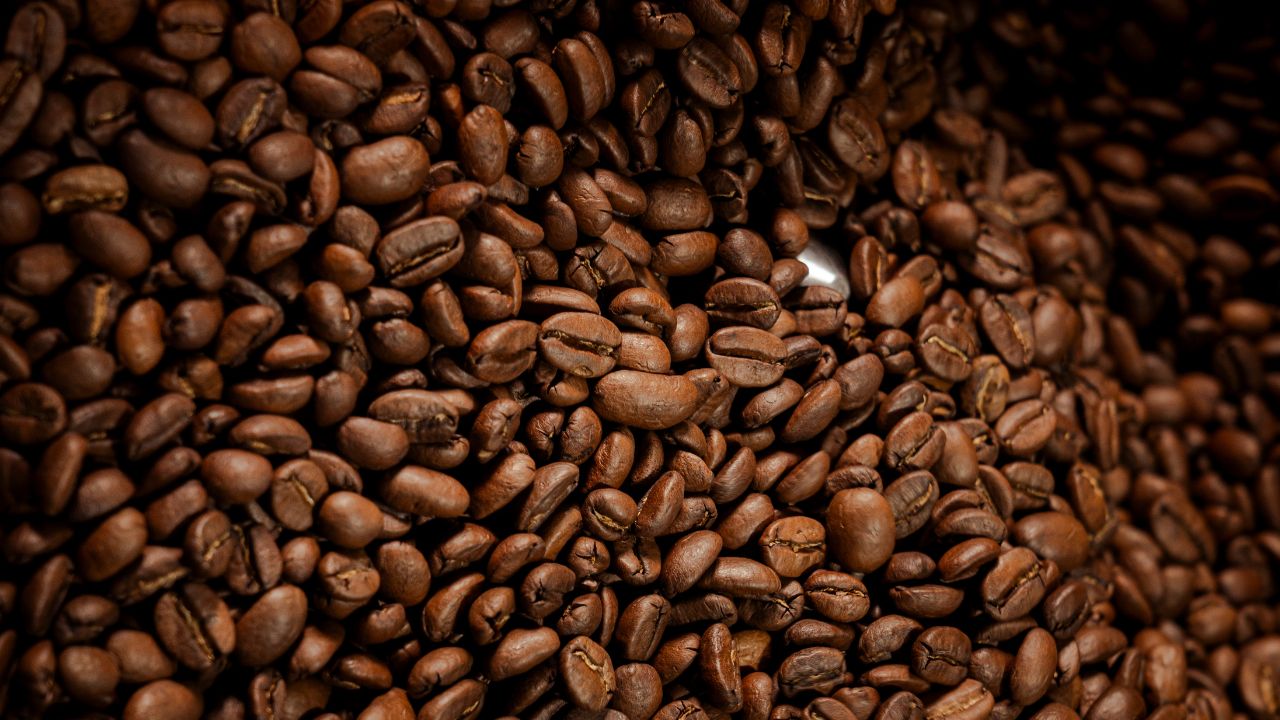
Java coffee typically has low to moderate acidity, a full body, and a long-lasting finish.
Volcanic soil, highland elevations of 900 to 1,200 meters, and established processing methods contribute to its depth and reliable performance, particularly for medium- to dark-roast coffees.
In addition to its flavor, Java is valued for commercial reliability. Smallholders manage most production within established farming systems, ensuring a consistent supply.
Although Arabica accounts for a smaller share of Java’s output than Robusta, it enjoys strong global recognition and higher market value under the “Java coffee” name. For buyers and roasters, Java coffee provides structure, versatility, and dependable performance in espresso blends and commercialroasting programs.
A balanced profile refers to a coffee where no single characteristic dominates the cup. Sweetness, acidity, and body work together harmoniously, creating a smooth, approachable, and easy-to-drink flavor experience.
Key Differences Between Bali Coffee Beans and Java Beans at a Glance
| Aspect | Bali Coffee Beans | Java Coffee Beans |
| Geographic Scope | Narrow, clearly defined (Kintamani) | Broad, multi-regional |
| Elevation | ~900 – 1,700 m | ~900 – 1,200 m |
| Growing Environment | Volcanic soil with citrus intercropping | Volcanic highlands with diverse microclimates |
| Flavor Direction | Citrus-forward, clean, gently sweet | Earthy, herbal, spicy |
| Acidity | Balanced and lively | Lower to moderate |
| Body | Medium, clean | Medium to full |
| Roasting Preference | Light to medium | Medium to dark |
| Typical Use | Single-origin programs | Espresso blends, commercial use |
How Growing Conditions Shape Coffee Beans from Bali

Bali’s flavor profile is closely shaped by its growing conditions. Volcanic soil and cooler highland conditions help coffees develop fresh aromas and a clear, balanced character.
Growing coffee alongside citrus trees also contributes to the bright, clean qualities for which Bali coffee is known.
These conditions produce lively, well-balanced coffee, making Bali beans a good fit for buyers seeking expressive single-origin offerings or lighter roast styles.
How Java’s Growing Environment Influences Bean Character
Java’s coffee landscape is more varied, with different regions producing slightly distinct coffee styles. Changes in elevation, rainfall, and local growing conditions contribute to fuller flavors with herbal notes and gentle spice.
In areas such as Ijen-Raung, volcanic soils and cooler highland climates support coffees with depth and long-lasting character.
These qualities make Java beans a strong fit for espresso blends and roasting programs that need dependable performance at higher roast levels.
Bali vs Java Coffee: Flavor Profile Comparison
While both Bali and Java coffees are influenced by Indonesia’s volcanic soils and climate, each origin develops a distinct flavor profile.
Coffee from Bali has a bright, aromatic flavor with hints of sweet orange or citrus peel, gentle chocolate notes, and a clean finish. Its balanced acidity makes it easy to enjoy, bringing out clear, fresh flavors without being overpowering.
This profile reflects Bali’s highland growing conditions and intercropping practices, which enhance aromatics and maintain balance.
Coffee beans from Bali are often chosen for single-origin offerings and menus that prioritize flavor clarity and origin identity.
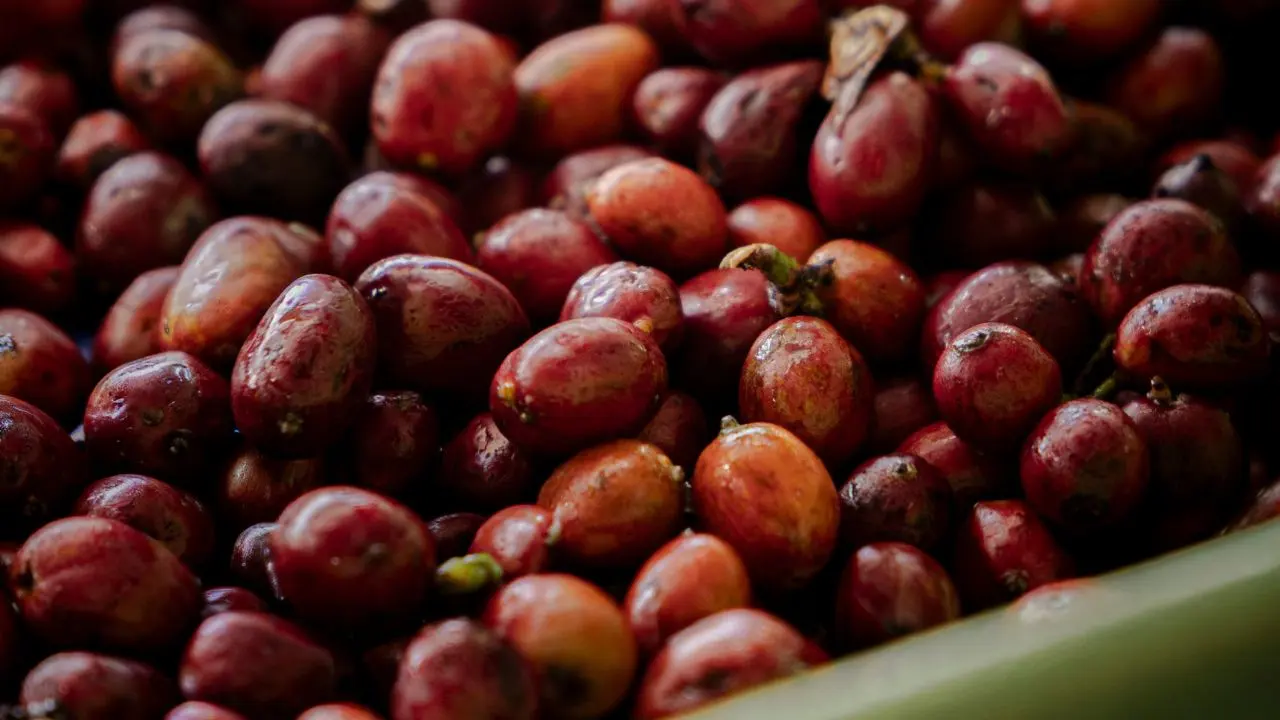
Java coffee offers a deeper, more grounded profile. Herbal aromatics, earthy tones, and subtle spice are paired with a fuller body and longer aftertaste. Acidity is typically lower and more rounded, while bitterness supports structure without dominating the cup.
These qualities make Java coffee well-suited to espresso-based drinks and to medium- to dark-roast coffees, where body, persistence, and balance are essential. Java coffees also work well in blends, providing backbone and mouthfeel when paired with brighter origins.
Rather than competing, Bali and Java coffees serve complementary sensory roles. Bali adds brightness, clarity, and aromatic lift, while Java offers depth, structure, and durability.
Together, they reflect the diversity of Indonesian coffee and provide buyers with flexibility to design roast profiles, blends, and product lines.
Acidity in coffee refers to the bright and lively sensation that adds freshness and clarity to flavor, rather than sourness. It can range from soft and gentle to more pronounced, depending on origin, processing, and roasting approach.
How Bali and Java Beans Perform in Roasting
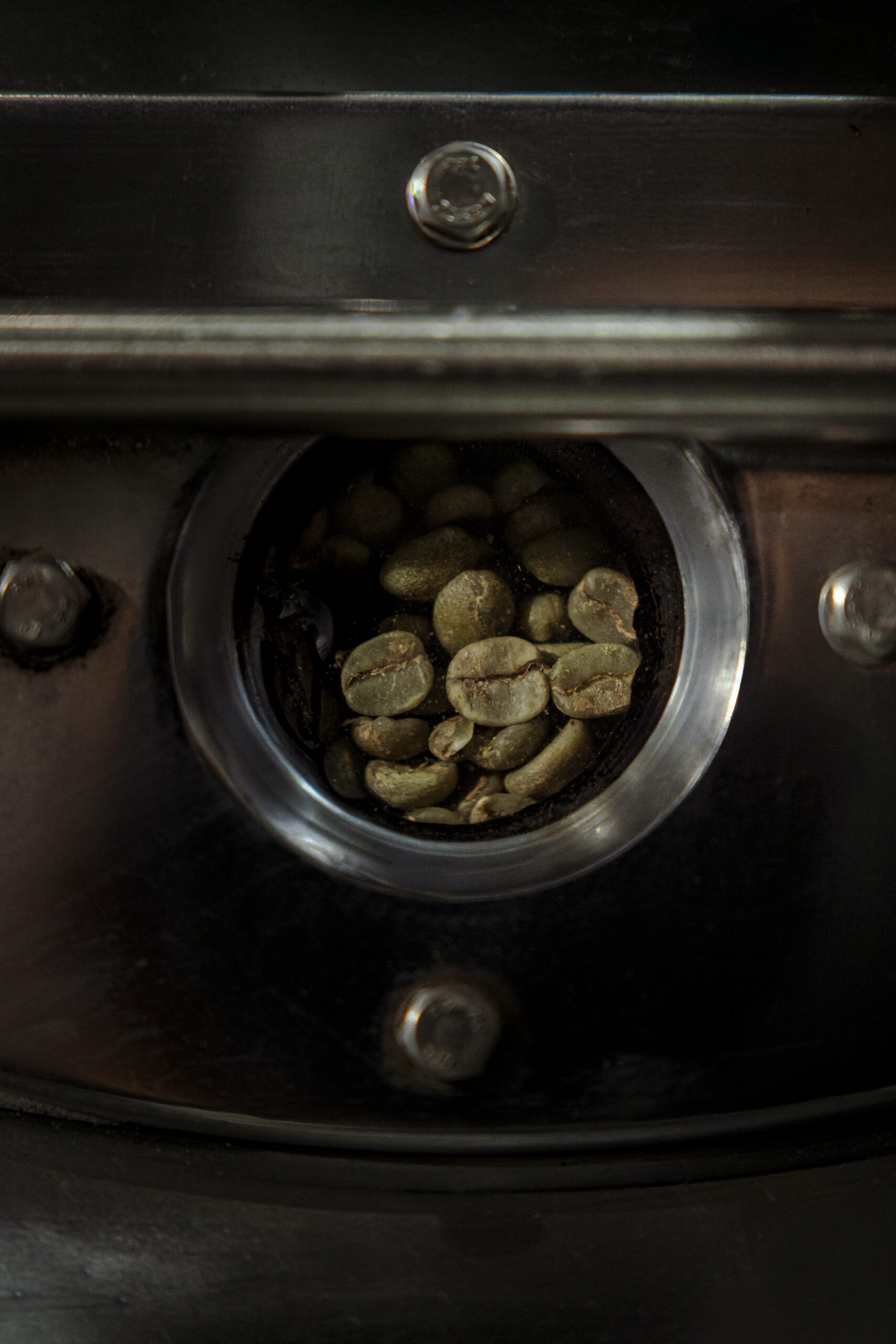
Bali beans generally respond well to light to medium roasts, where their citrus aromatics and balance are most expressive. They are commonly used for single-origin menus and flavor-led offerings.
Java beans perform well at medium to dark roast levels, maintaining body and flavor at higher temperatures. This makes them reliable for espresso blends and large-scale commercial roasting programs.
To understand how origin characteristics influence roast development and consistency at scale, you can explore our guide to the coffee roasting process.
Which Coffee Bean Origin Is Better for Your Business?
The right origin depends on your goals.
Bali coffee beans are well-suited for businesses prioritising:
- Origin transparency
- Bright, clean flavor profiles
- Single-origin or light-roast menus
Java coffee beans are often preferred when the focus is on:
- Espresso and milk-based drinks
- Medium to dark roasts
- Consistency and structural strength
Many buyers choose to work with both origins to balance flavor expression and performance across different products.
Bali Coffee Beans and Java Beans in Global Trade

Both Bali and Java contribute to Indonesia’s standing as one of the world’s leading coffee producers.
Java continues to benefit from historical recognition and global familiarity, while Bali has strengthened its position as a geographically defined, premium origin with a consistent flavor identity.
Together, they showcase the diversity of Indonesian coffee and its ability to meet a wide range of market demands.
Choosing the Right Indonesian Coffee Origin for Your Needs
Bali and Java coffee beans offer two distinct yet complementary profiles within Indonesian coffee. Bali offers brightness, balance, and a strong origin identity, making it ideal for flavor-focused menus and single-origin offerings.
Java contributes depth, heritage, and dependable performance, making it well-suited for espresso blends and large-scale roasting.
For coffee buyers, roasters, and hospitality businesses, the decision is not which origin is superior, but which best suits your needs. Bali offers clarity and aromatic expression, while Java delivers body, consistency, and resilience during intensive roasting.
Bali Origins enables buyers to confidently source from both origins. With controlled processing, rigorous quality evaluation, and complete traceability, Bali Origins supplies Bali and Java beans that perform consistently across roast profiles, blends, and production volumes.
For businesses seeking reliable Indonesian coffee for commercial or specialty use, Bali Origins offers a stable foundation for long-term sourcing and product development.
Bali Coffee Beans FAQs:
What Is The Main Difference Between Bali Coffee Beans and Java Coffee Beans?
The main difference between coffee beans from Bali and Java lies in flavor direction and use case. Bali coffee beans are known for their bright, citrus-forward profile and clean balance, making them ideal for single-origin and flavor-focused menus.
Java coffee beans offer deeper body, herbal and earthy notes, and a stronger structure, making them well-suited for espresso blends and commercial roasting programs.
Are Bali Coffee Beans More Acidic Than Java Coffee Beans?
Bali coffee beans typically exhibit brighter, more lively acidity while remaining balanced and approachable.
Java coffee beans usually have low to moderate acidity, a fuller body, and a longer finish, making them well-suited to darker roast profiles and milk-based drinks.
Which Origin Is Better for Espresso: Bali or Java Coffee Beans?
Both origins can be used for espresso, but they serve different purposes. Java coffee beans are often preferred for espresso blends due to their body, support for crema, and roasting stability.
Bali coffee beans are more commonly used for lighter, flavor-led espresso styles, where clarity and aromatics are prioritised.
Why Does Bali Coffee Have Citrus Notes?
Bali coffee, particularly from the Kintamani region, is commonly grown alongside citrus trees.
This intercropping practice, combined with volcanic soil and a highland climate, contributes to the distinctive orange and sweet citrus notes often found in Bali coffee beans.
What Makes Java Coffee Beans Commercially Reliable?
Java coffee benefits from long-established farming systems, broad production areas, and strong domestic and international demand.
These factors support consistent supply, stable quality, and dependable performance in medium- to dark-roasting, making Java coffee well-suited for large-scale and hospitality applications.
Can Bali and Java Coffee Beans Be Used Together in Blends?
Yes. Many buyers combine Bali and Java coffee beans to balance flavor and structure. Bali adds brightness and aromatic lift, while Java contributes body, depth, and durability, resulting in well-rounded blends for espresso and commercial use.
Are Bali And Java Coffee Beans Suitable for Specialty Coffee Programs?
Yes, but in different ways. Bali coffee beans are often featured as single-origin offerings for their clean, expressive profile. Java coffee beans are more commonly used within specialty blends or heritage-driven programs where body and consistency are essential.
How Does Bali Origins Ensure Consistent Quality Across Bali and Java Coffees?
Bali Origins applies controlled post-harvest processing, strict quality evaluation, and full traceability across both origins.
Each lot is assessed for moisture stability, cleanliness, and structural integrity to ensure reliable performance across roast profiles and production scales.