
Bali Coffee Beans vs Java Coffee Beans: What’s the Difference?
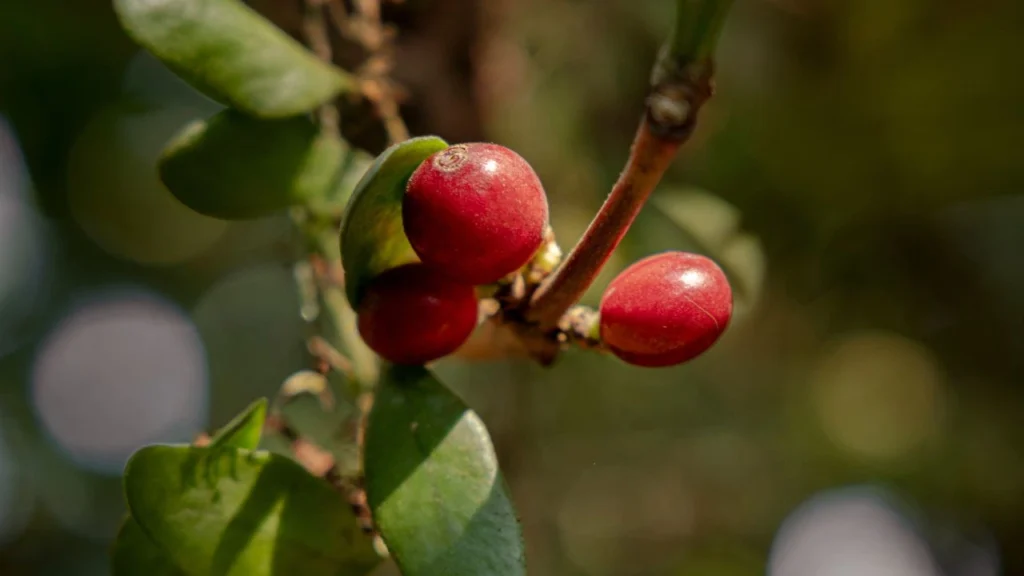
Bali coffee beans and Java coffee beans are two of Indonesia’s most recognised coffee origins, each shaped by different landscapes, histories, and ways of growing coffee. Because Indonesia is a major coffee producer, these differences are important to note before purchasing coffee beans. The climate and terrain on each island shape how the coffee grows, […]
The Coffee Roasting Process: From Green Beans to Consistent Quality
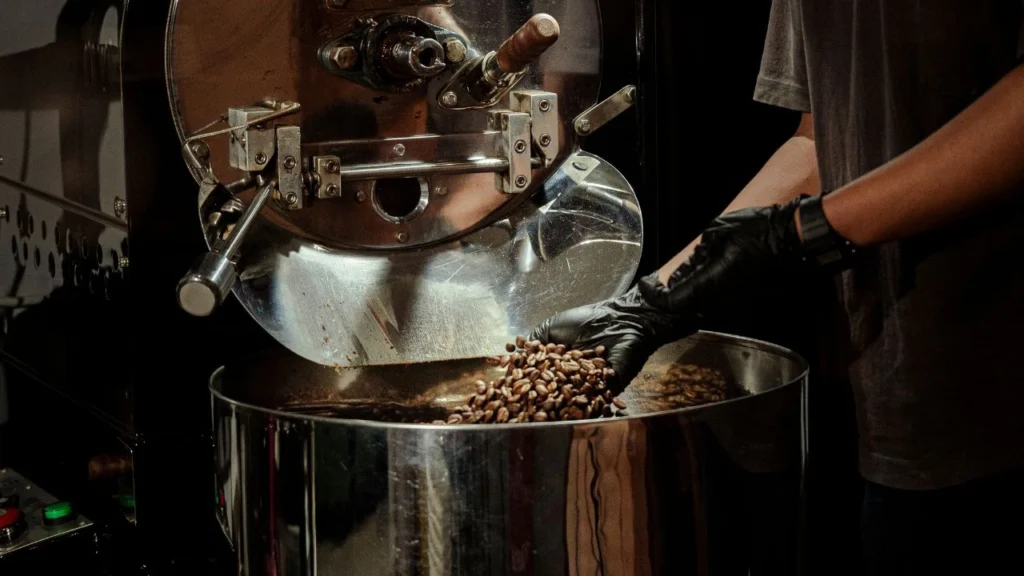
Coffee roasting transforms green beans into the drink people enjoy daily. This process shapes the aroma, flavor, and quality of coffee served in cafés, restaurants, roasteries, and homes around the world. For coffee buyers, roasters, and hospitality businesses, roasting is about more than flavor. It is about delivering the consistent results customers expect. Every stage, […]
Arabica vs Robusta: Key Differences Every Coffee Buyer Should Know

Arabica and Robusta coffee beans are the most widely used in the coffee world, accounting for the majority of coffee served in cafés, sold in commercial chains, and available for purchase as beans or ground coffee. Although both belong to the same coffee family, they differ in growth, flavor, roasting characteristics, and commercial applications. For […]
Robusta Coffee: Origin, Strength, and Key Qualities

Robusta coffee is a widely consumed coffee variety known for its strong flavor and high caffeine content. Its resilience, high productivity, and adaptability to climate variation have made it indispensable for roasters, coffee producers, and large-scale supply chains. Scientific research shows that Robusta, known botanically as Coffea canephora, has far greater genetic diversity than Arabica. […]
Arabica Coffee: Origin, Flavor, and Key Qualities
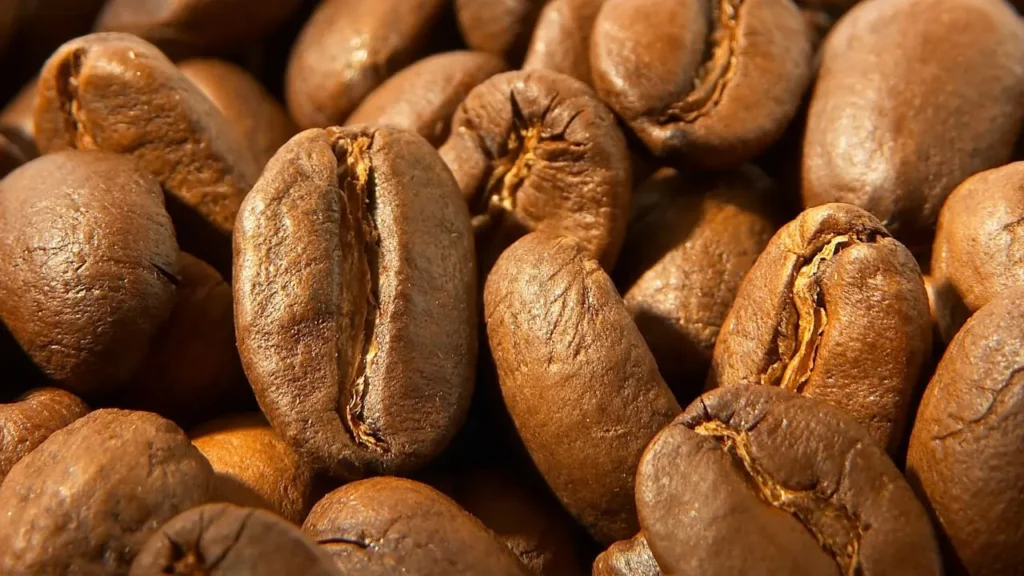
Arabica coffee accounts for nearly 60% of the world’s coffee production, making it the most widely used coffee type globally. Originally from the highlands of Ethiopia, Arabica is now grown in over 60 countries, including many regions of Indonesia. What sets Arabica apart from other coffee types is its expressive flavor and sensitivity to growing […]