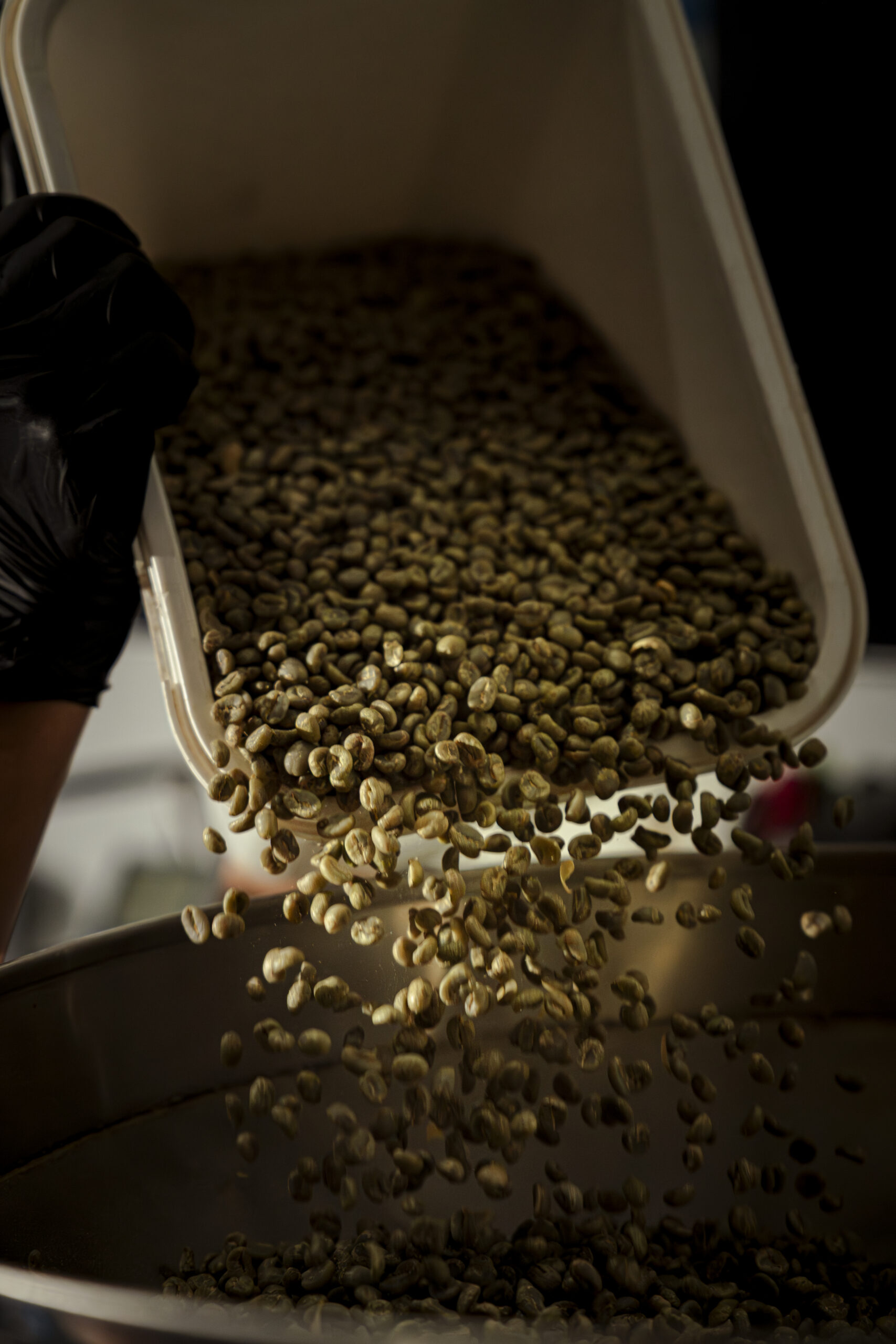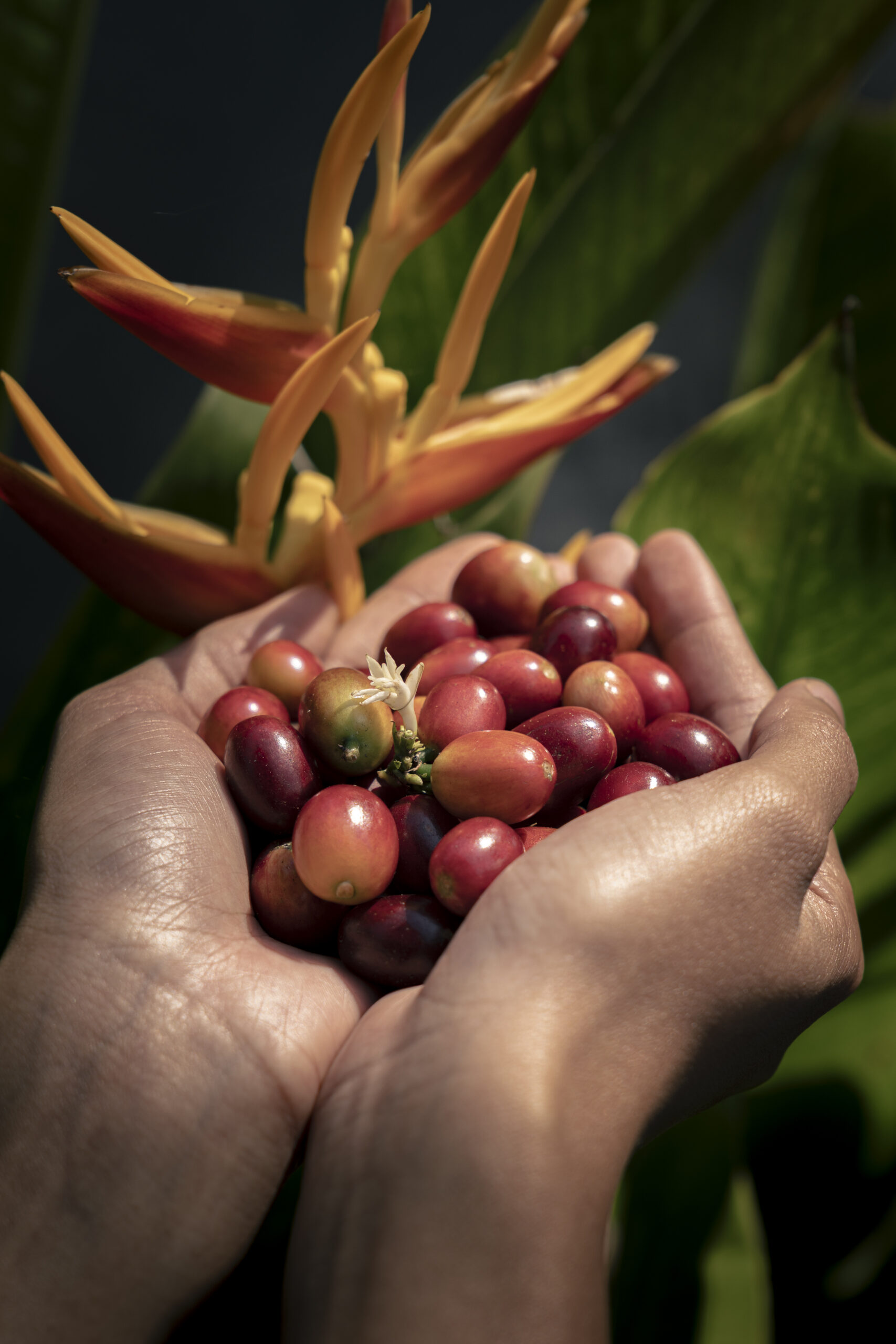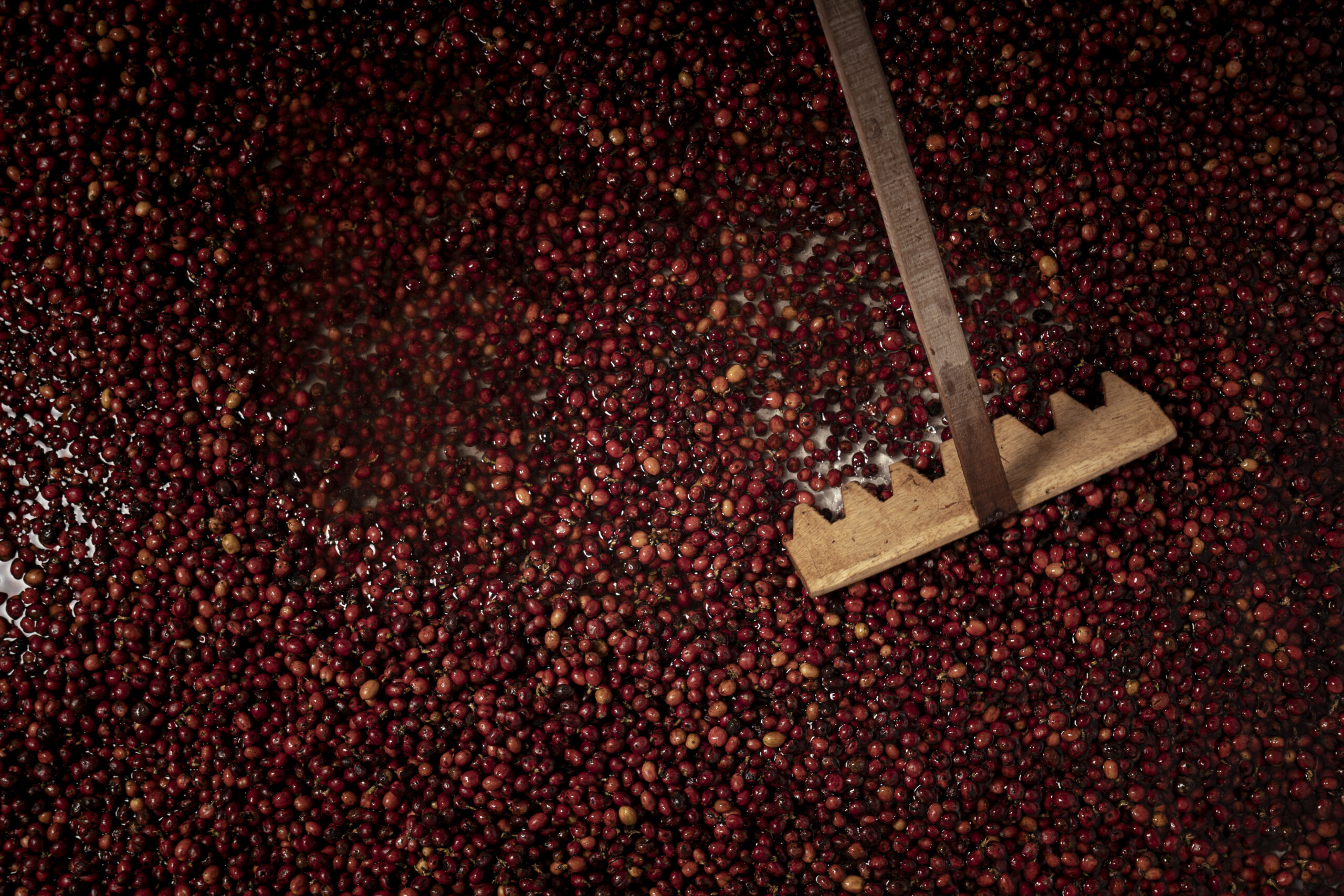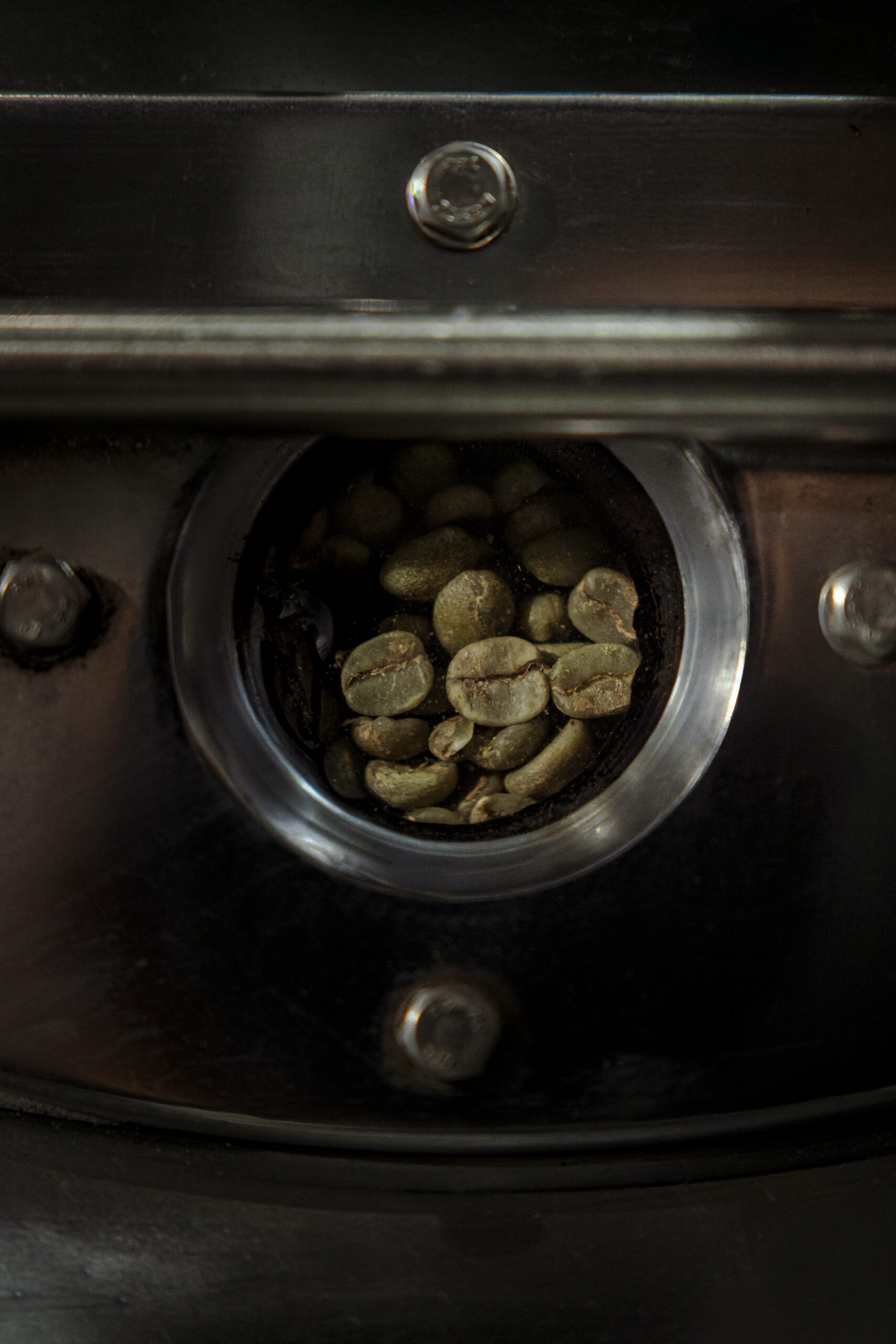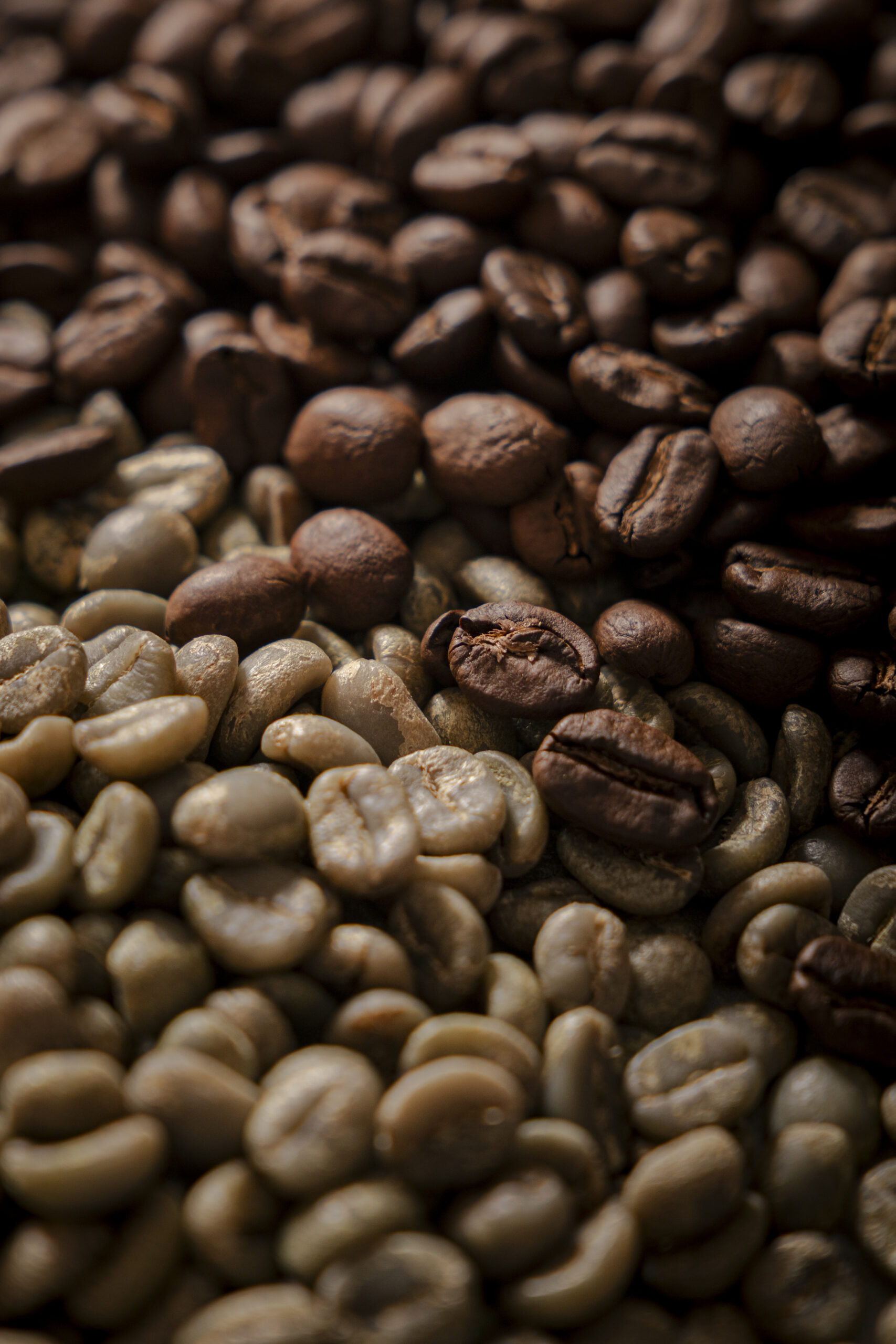
Arabica coffee accounts for nearly 60% of the world’s coffee production, making it the most widely used coffee type globally. Originally from the highlands of Ethiopia, Arabica is now grown in over 60 countries, including many regions of Indonesia.
What sets Arabica apart from other coffee types is its expressive flavor and sensitivity to growing conditions, which means that elevation, climate, soil, and post-harvest handling all shape how Arabica tastes in the cup. Because Arabica is highly sensitive to environmental conditions, even small changes can affect taste, so it requires particularly careful quality control at every stage of production.
This article explores the origins of Arabica coffee, how its flavor develops, how it differs from Robusta, and why it remains a leading choice for specialty and premium coffee programs.
The Origins and History of Arabica Coffee
Arabica coffee traces its origins to the highland forests of Ethiopia, and wild Arabica plants still grow naturally in these regions today, making Ethiopia a vital centre of Arabica biodiversity and early coffee culture.
From Ethiopia, Arabica was introduced to Yemen around the eighth century, where cultivation became more structured and tightly controlled. For several centuries, Yemen and the Arabian Peninsula supplied coffee to the Middle East and North Africa, before Arabica spread to Asia and Europe via trade routes.
This early movement shaped Arabica’s adaptation to new environments and laid the groundwork for the varieties grown worldwide today.
Arabica coffee is grown from the Arabica coffee plant, known for smoother, more aromatic, and more complex flavor profiles than other coffee types. Arabica typically grows at higher elevations and develops flavor more slowly, which adds to its refined character.
Typica and Bourbon: The Foundations of Arabica Varieties
When Arabica seeds were cultivated in Yemen, they gradually developed into two main branches.
Typica spread from Yemen to India and Indonesia, then later to Europe and the Americas. A single Typica plant sent to Amsterdam in the early eighteenth century became the genetic ancestor of many coffee trees in Central and South America.
Bourbon was developed on La Réunion Island and spread through French and later Spanish and British territories. Both lineages adapted differently to local climates, influencing flavor, yield, and disease resistance.
Today, many modern Arabica varieties still reflect Typica or Bourbon heritage.
Each lineage adapted differently as coffee spread across regions, influencing flavor profile, yield, and resilience. Many well-known Arabica coffees today still trace their characteristics back to these two genetic foundations.
Where Arabica Coffee is Produced Today
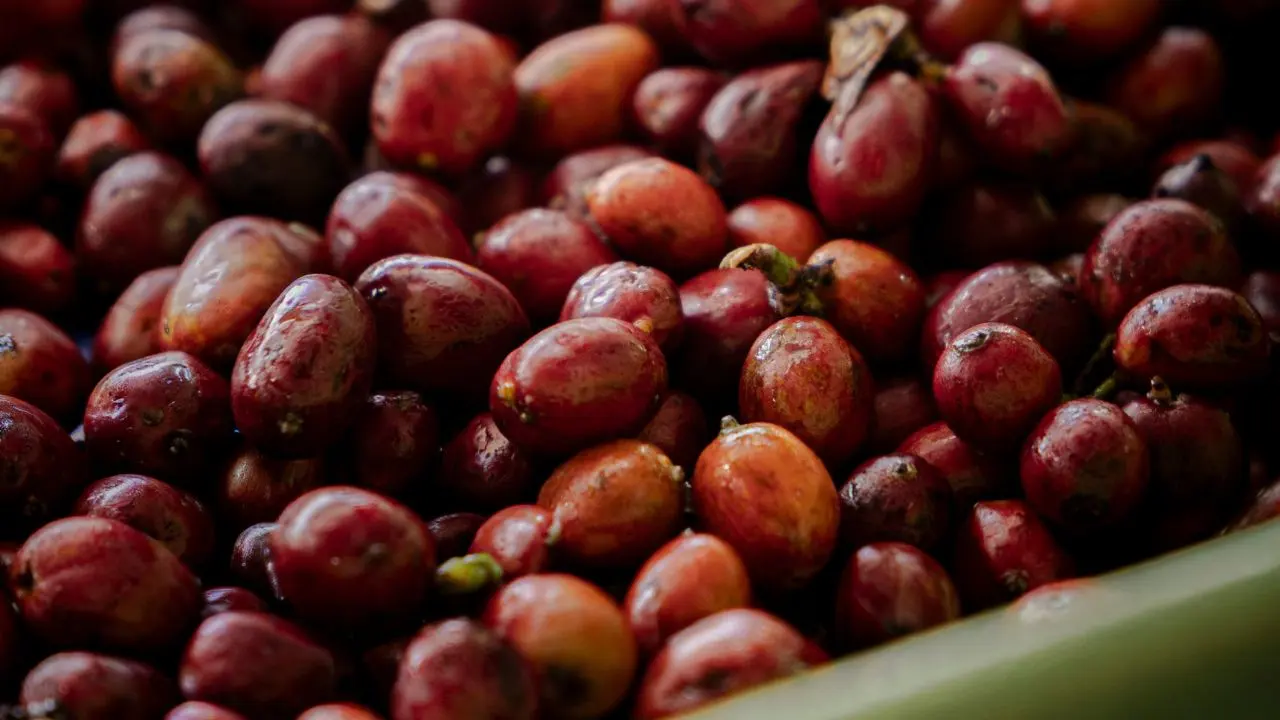
Global Arabica production is concentrated in regions with higher elevations and stable climates. These areas supply most of the coffee used in specialty roasting and premium espresso programs.
Major Arabica-producing countries include:
- Brazil
- Colombia
- Ethiopia
- Honduras
- Peru
- Guatemala
- Indonesia
Each origin contributes unique flavor characteristics shaped by altitude, soil, and processing traditions.
How Arabica Coffee Developed in Indonesia
Arabica was introduced to Indonesia by Dutch traders in the late seventeenth century. Typica thrived in the highlands of West Java and quickly gained international recognition.
By the early eighteenth century, Java coffee commanded premium prices in European markets, even rivaling the famous Yemeni coffee.
In the nineteenth century, coffee leaf rust significantly affected Arabica farms across Indonesia, prompting many producers to shift to Robusta in lower-elevation areas due to its resilience. Following Indonesia’s independence, smallholder farmers became the backbone of Indonesian coffee production.
Despite changes over time, Arabica remains irreplaceable in many regions of Indonesia. Older Typica trees still exist under local names such as zuria in Flores, bergendal in Aceh, and bungin in Toraja, contributing to Indonesia’s diverse Arabica profiles.
Flavor Profiles of Arabica Coffee from Indonesia
Indonesia produces a wide range of Arabica coffee types shaped by microclimates and local processing methods.
Common ones include:
- Sumatra Mandheling with deep, earthy intensity
- Java Arabica with syrupy sweetness and clean structure
- Sulawesi Toraja with balanced acidity and fruit-forward notes
- Flores Bajawa with chocolate tones and gentle earthiness
- Gayo with floral aromatics and citrus brightness
Because harvest seasons vary across islands, Indonesia can supply fresh Arabica year-round, supporting consistent sourcing for roasters.
This diversity creates strong opportunities for exceptional quality, but it also requires careful processing and quality control to ensure flavor consistency across regions and harvest cycles.
Coffee processing refers to the methods used to remove the coffee fruit and prepare the beans after harvest.Processing choices influence flavor clarity, body, and consistency. In Arabica coffee, careful processing is essential to preserve balance and origin-specific characteristics.
Why Bali Produces Some of the Best Arabica Coffee
Within Indonesia’s diverse Arabica landscape, Bali stands out for its combination of unique geography, climate, and processing approach.
Arabica in Bali is grown on volcanic slopes with relatively cool temperatures and stable humidity. These conditions slow cherry maturation and allow flavors to develop more evenly. Many farms use agroforestry systems, adding shade trees that regulate temperature, protect soil, and support biodiversity.
Bali Arabica is widely recognised for its clean citrus and floral character. Unlike some Indonesian regions that rely on traditional wet-hulling, producers working with Bali Origins use a carefully managed washed process.
Beans are handled through structured post-harvest stages and dried using quality-controlled methods designed to preserve clarity, balance, and stability in the cup.
This processing approach results in a brighter, cleaner cup with a more structured profile. It meets specialty coffee expectations while maintaining the distinctive character that defines Indonesian Arabica.
Washed processing is a method where coffee cherries are pulped to remove the outer skin, then carefully cleaned and dried before storage. This approach is commonly used to produce a cleaner cup profile with higher clarity and balanced acidity. Washed-style processing is often associated with a brighter flavor expression and a more consistent structure in Arabica coffee.
What Does Arabica Coffee Taste Like?
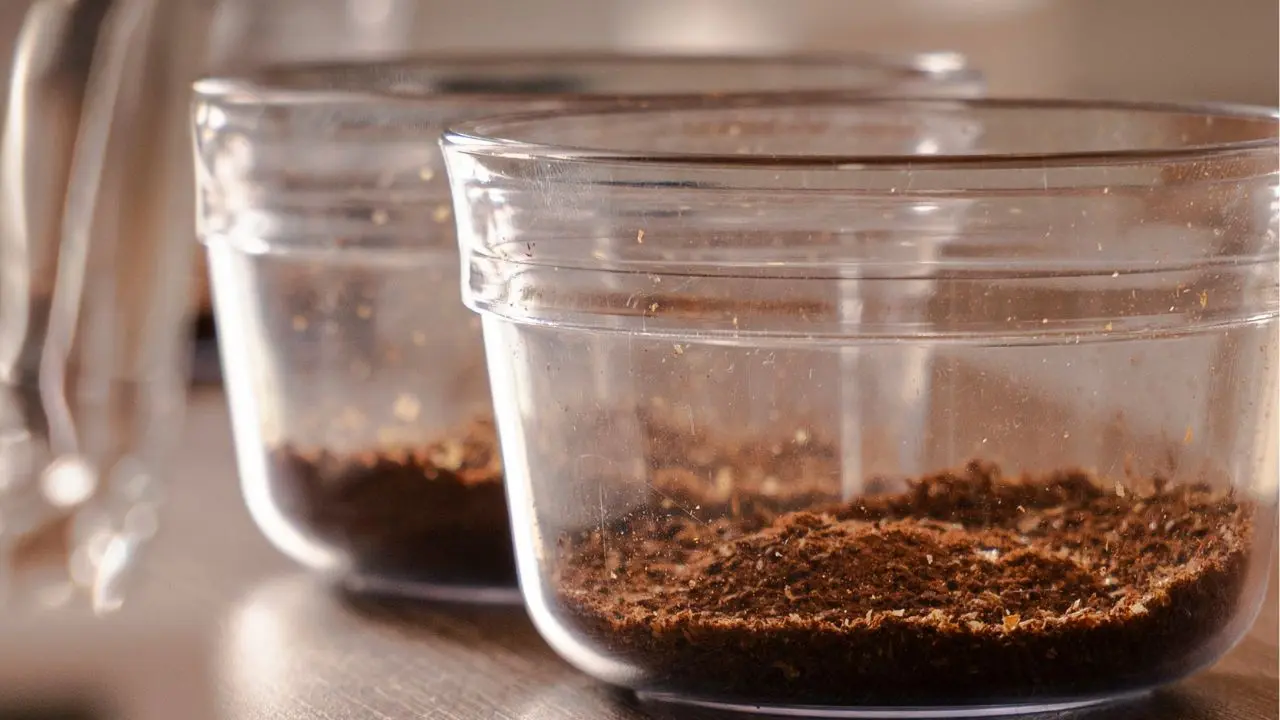
Arabica coffee is best known for its balanced and expressive flavor profile. Its taste is strongly influenced by where it is grown and how it is processed, which is why Arabica can taste very different from one origin to another.
In general, Arabica coffees commonly show flavor notes such as:
- citrus zest
- tropical or stone fruit
- berries
- cocoa or caramel
- floral aromatics
These flavors are supported by a clean, lively acidity and a light-to-medium body, giving Arabica a smooth, refined character.
Because of this balance and clarity, Arabica is widely used for filter brewing, pour-over methods, and refined espressos where flavor nuance and aroma are priorities.
Coffee body refers to the perceived weight, texture, and thickness of the brew on the palate, ranging from light and tea-like to rich and creamy like whole milk. This sensation, often described as mouthfeel, plays a key role in shaping the coffee’s overall flavor, depth, and richness.
How Much Caffeine Content Does Arabica Coffee Have?
Arabica naturally contains less caffeine than Robusta. In its green form, Arabica typically contains 1.2 to 1.5% caffeine, while Robusta generally contains nearly twice that amount.
A standard cup of Arabica coffee averages about 100 milligrams of caffeine. Robusta coffees can range from 180 to 200 milligrams of caffeine, depending on brewing method and serving size.
Beyond caffeine, Arabica contains higher levels of natural sugars and lipids than Robusta.
These components shape sweetness, body (or mouthfeel), and aromatic complexity, which helps explain why Arabica is often seen as smoother and more flavor-driven.
Arabica Coffee vs Robusta Coffee
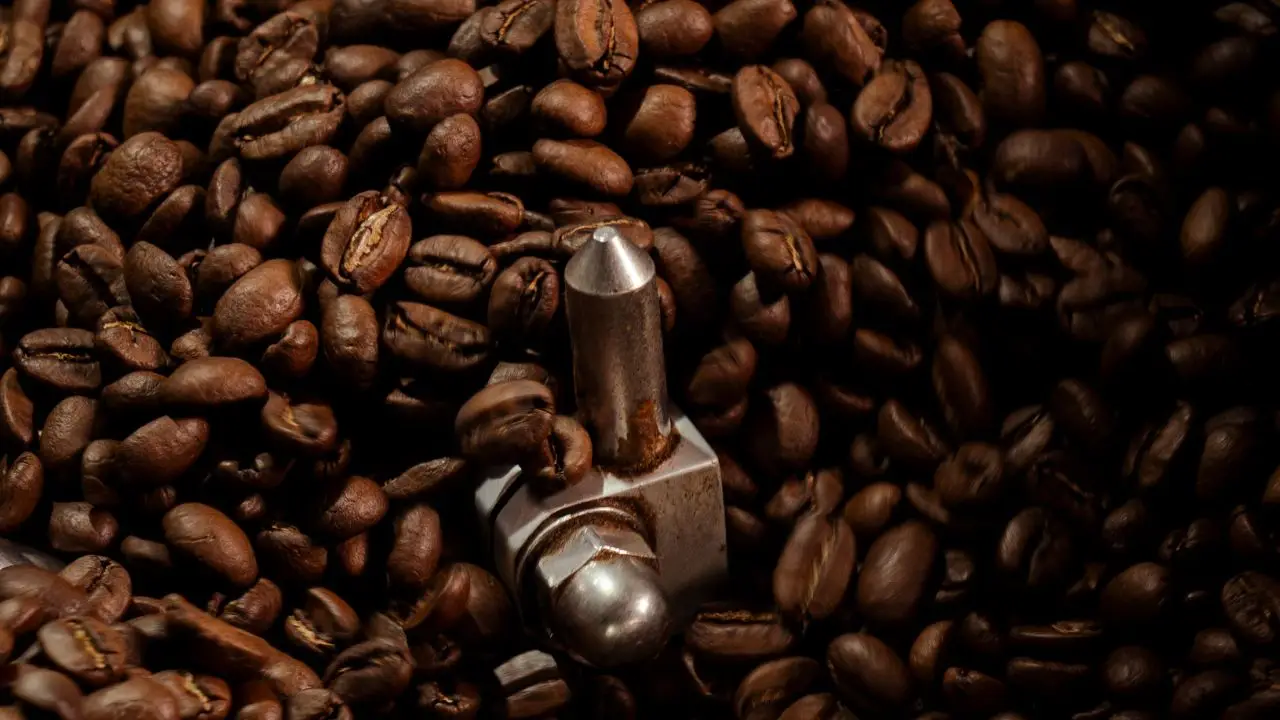
Arabica and Robusta are two main coffee types, each suited to different growing conditions and commercial uses.
Arabica grows best at higher elevations with cooler temperatures and matures more slowly. This slower development allows flavors to form more gradually, resulting in a cup that is sweeter and more aromatic.
Robusta, by contrast, thrives at lower elevations and is more tolerant of heat, humidity, and pests. As a result, it contains more caffeine and acidity, producing a more pronounced bitterness, heavier body, and bolder flavor.
These differences affect how each coffee performs in espresso, blends, and large-scale roasting programs. Arabica is valued for refinement, acidity, and flavor clarity, while Robusta contributes strength, crema, and structural integrity.
For a deeper comparison of flavor, farming conditions, and commercial applications, see our Arabica vs Robusta guide.
Crema is the golden-brown foam that forms on top of a well-extracted espresso. It is created when hot water emulsifies coffee oils and traps carbon dioxide released during brewing. Crema contributes to mouthfeel, aroma retention, and visual aesthetics in espresso. In commercial and espresso-focused programs, consistent crema is often associated with freshness, proper roasting, and balanced coffee structure.
Why Buyers and Roasters Choose Arabica
Arabica performs well across light, medium, and espresso roasts, allowing flexibility across multiple product lines. Its ability to reflect its origins and growing conditions makes it valuable for storytelling and premium positioning.
For buyers sourcing Arabica at scale, consistency and traceability are critical. Stable moisture levels, disciplined post-harvest handling, and consistent processing standards are key to maintaining flavor consistency across batches.
Bali Origins applies these principles throughout its processing model, ensuring Arabica coffee meets the expectations of specialty roasters and hospitality programs without compromising origin character.
How Bali Origins Elevates Indonesian Arabica
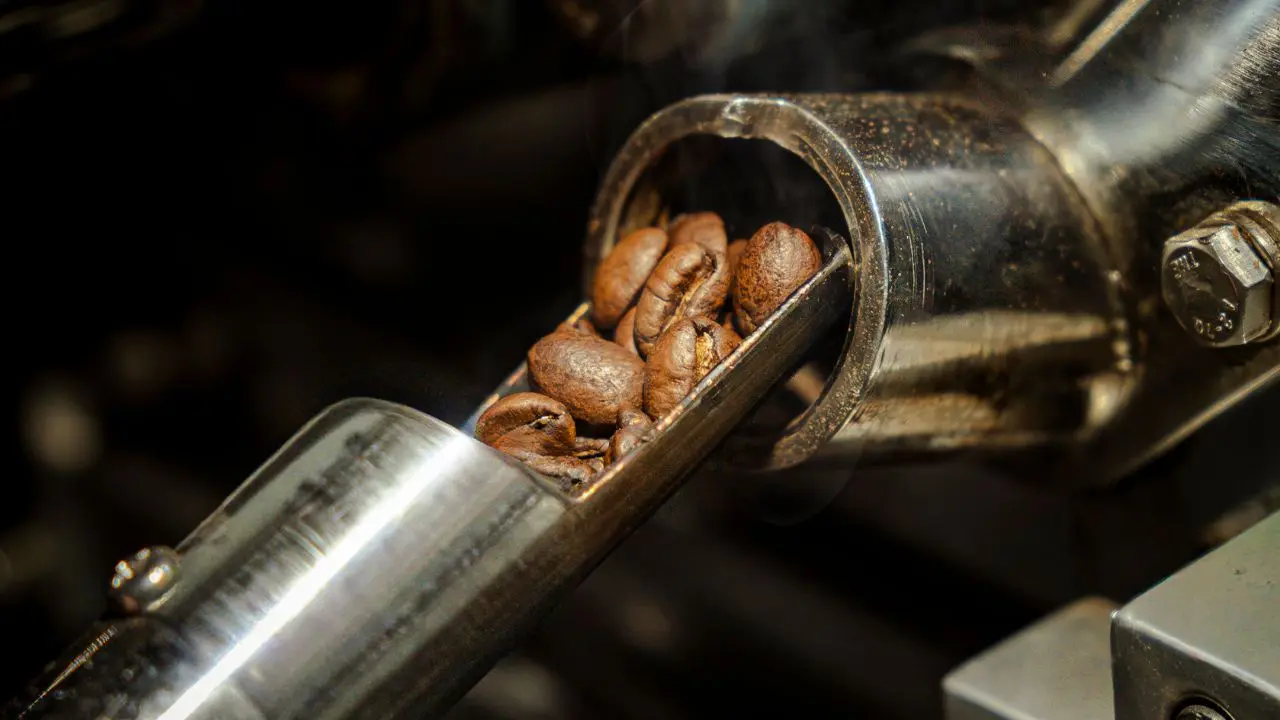
Bali Origins combines local farming expertise with professional processing oversight to consistently elevate Indonesian Arabica.
Coffee is selected by farmers from trusted plantations and guided by Bali Origins’ certified processing team through key post-harvest stages, supporting clarity, stability, and consistency from harvest to final preparation.
As a result, Indonesian Arabica retains its distinctive character and delivers consistent quality across various roast profiles and brewing methods, meeting the standards of premium coffee programs.
Whether enjoyed as a bright filter coffee or a balanced espresso, Arabica continues to set global benchmarks for quality.
For businesses sourcing premium Arabica for cafés, roasteries, hotels, or specialty programs, Bali Origins provides carefully processed, traceable green and roasted coffee beans designed for long-term reliability and scale.
Arabica Coffee FAQs
Who Sells and Supplies Arabica Coffee?
Arabica coffee is supplied through a network of farmers, cooperatives, processors, and B2B suppliers across major coffee-producing regions. Countries such as Brazil, Colombia, Ethiopia, Guatemala, Honduras, Peru, and Indonesia are among the world’s leading Arabica producers.
Bali Origins operates as a premium Indonesian coffee processor and manufacturer. The company works closely with selected plantations across Bali, Lombok, Java, and other regions of Indonesia to process, roast, and package quality-controlled Arabica coffee for global exporters, distributors, and direct B2B buyers.
Where Is Arabica Coffee Grown?
Arabica coffee is typically grown in tropical highland regions with cooler temperatures and consistent rainfall. These conditions support slower bean development and refined flavour structure.
In Indonesia, Arabica is typically cultivated in volcanic highlands, where altitude and soil composition contribute to balanced acidity, aromatic clarity, and a structured flavour profile suitable for both specialty and commercial use
Why do Specialty Roasters Prefer Arabica Coffee?
Specialty roasters prefer Arabica for its cleaner acidity, broader flavour range, and more expressive aroma compared with other coffee types.
Arabica allows roasters to highlight origin character and develop flavour-led profiles for filter brewing and premium espresso programs, making it ideal for quality-focused menus and branded coffee offerings.
Who Produces Arabica Coffee?
Arabica coffee is produced by farmers in more than sixty coffee-growing countries, with most production coming from mountainous or highland areas. In Indonesia, Arabica is primarily grown by smallholder farmers through selective harvesting. These coffees are then processed, graded, and evaluated before entering commercial supply chains.
Bali Origins elevates this process by guiding post-harvest handling through its certified processing team to ensure consistency and export-ready quality.
Are Arabica Coffee Beans Bitter?
Arabica coffee beans are generally less bitter than Robusta coffee beans. This is due to their lower caffeine content and higher levels of natural sugar and lipids.
Depending on the roast level, some bitterness may remain, but it is typically softer and more balanced, contributing to overall structure rather than sharpness.
Are Arabica Coffee Beans High Quality?
Yes. Arabica coffee is widely regarded as a premium coffee type due to its refined acidity, sweetness, and aromatic depth. These characteristics make Arabica well-suited to specialty filter brewing, espresso, and origin-focused coffee programs.
Its versatility across roast levels also allows buyers to develop multiple products from a single green coffee source.
What Makes Indonesian Arabica Coffee Unique?
Volcanic soils, tropical highlands, and diverse microclimates across the archipelago shape Indonesian Arabica.
Compared to many other origins, Indonesian Arabica often delivers a deeper body and longer finish while maintaining balance and complexity. When processed carefully, it performs well in both filter and espresso applications.
Is Arabica Coffee Better Than Robusta?
Arabica and Robusta serve different roles. Arabica is preferred when flavour clarity, aroma, and acidity are priorities, while Robusta is valued for strength, crema, and efficiency in high-volume programs.
Many coffee businesses use both strategically, depending on product goals, roast style, and market positioning.
Is Arabica Coffee Suitable for Commercial and Hospitality Programs?
Yes. When properly processed and graded, Arabica performs reliably in cafés, hotels, and hospitality programs. Consistency in moisture, density, and post-harvest handling is essential.
Bali Origins focuses on these factors to ensure Arabica coffee delivers stable performance across roasting and brewing applications.