
Direct trade green coffee beans were traditionally prized for the close relationships and clear origin stories they offered. Today, buyers also look for records showing how the coffee is handled, documented, and managed before it gets to the roastery. This is where digital traceability becomes important.
When buyers source coffee in large quantities, traceability helps maintain product consistency, clarifies responsibilities, and enables better long-term planning.
As supply chains become more complex and quality standards rise, buyers increasingly rely on organized systems to guide their sourcing decisions.
Digital traceability lets buyers see how coffee is sourced and handled after harvest. With real data, buyers can make better purchasing decisions year after year.
This article explains what digital traceability means in coffee, why it matters for direct trade sourcing, and how it supports quality, risk management, and the growth of B2B supply.
What Is Digital Traceability in Coffee?
Digital traceability in coffee refers to the use of digital records to track a coffee lot from sourcing through handling and management before it reaches the roastery. For buyers, it means having clear, consistent documentation that explains how quality outcomes are achieved and repeated across shipments.
Traceability refers to the ability to trace the history, use, or location of an item through recorded information.
In practice, digital traceability allows buyers to review sourcing decisions, post-harvest handling, and logistics in a structured way.
When these steps are recorded consistently, quality can be evaluated, measured, and reproduced rather than relying on assumptions or informal communication.
Why Traceability Matters in Direct Trade Green Coffee Beans
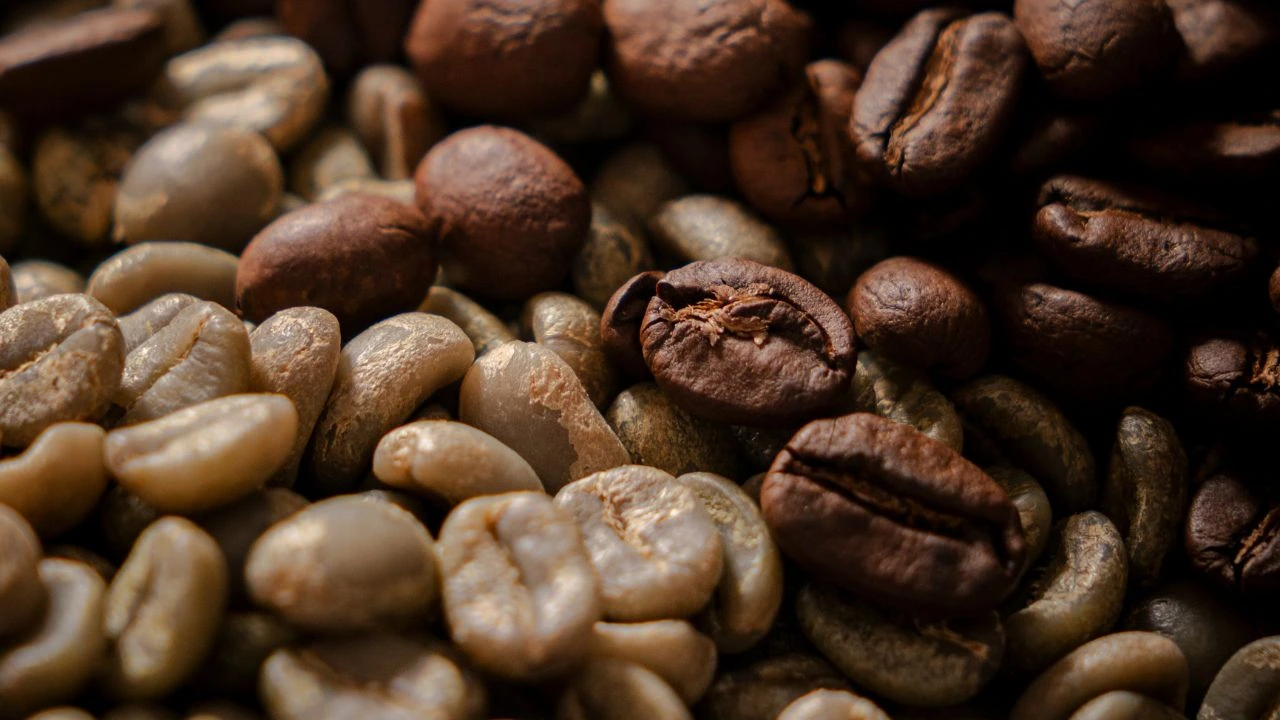
Direct trade models depend on strong relationships and clear accountability. However, if there is no consistent documentation, these relationships cannot prevent quality changes, mistakes, or sourcing risks.
Digital traceability makes direct trade stronger by giving buyers organized records that help them:
- Reduce quality differences between shipments
- Maintain consistent roasting performance
- Plan sourcing and production for future harvests
- Prevent mistakes like mislabeling, mixing batches, or missing records of handling
When handling and quality data are recorded the same way each time, shipments become more consistent. Roasting programs are easier to manage, and brand standards are protected across multiple supply cycles.
Direct trade in coffee refers to sourcing coffee through closer relationships between buyers and producers, without relying solely on traditional commodity chains. Its effectiveness depends on clear accountability and reliable documentation.
How Digital Traceability Moves Coffee Beyond Origin Stories
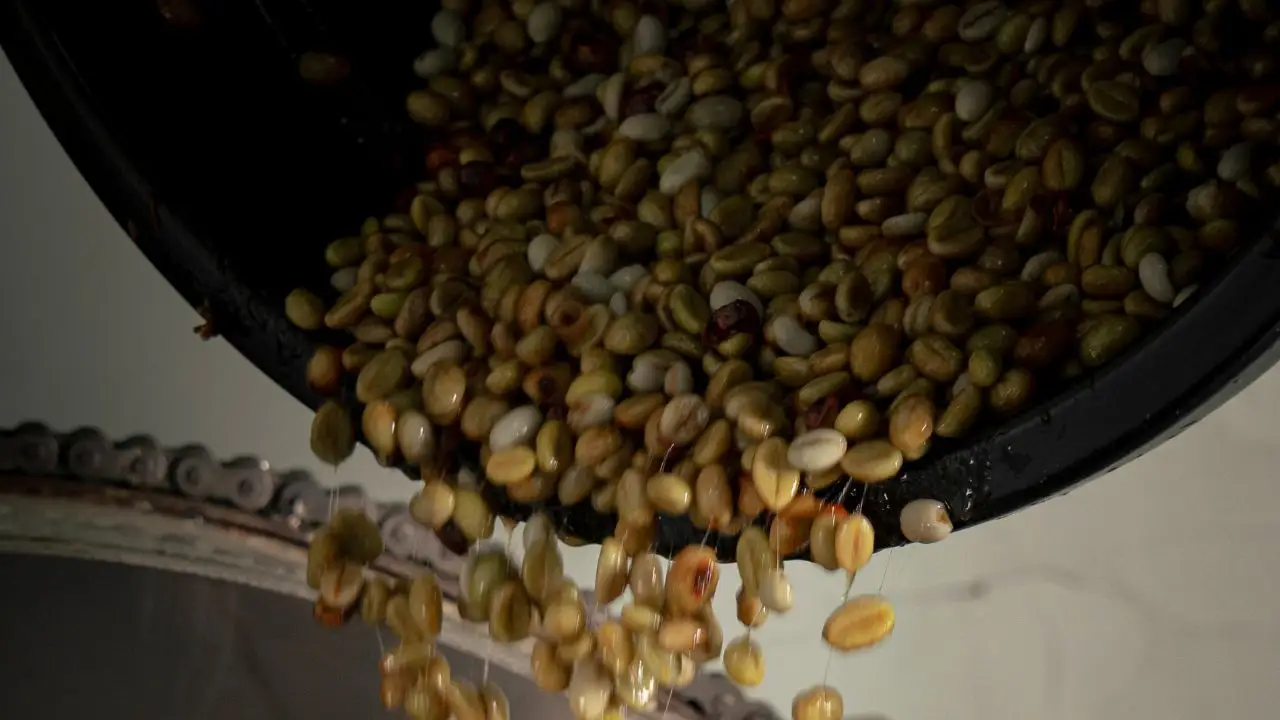
In the past, coffee traceability depended mostly on storytelling. While stories about origin still help with marketing and identity, they are not enough for today’s supply chains.
Consumer interest in origin has increased, but trust now relies more on documentation than claims. Many traceable specialty lots originate from arabica varieties grown at high altitudes, which enhances flavor clarity and quality.
With digital traceability, buyers can access information such as:
- Records of how coffee is handled after harvest
- Logs of quality control checks
- Clear records that separate different lots and harvest times
- Consistent data to help with future sourcing decisions
For buyers sourcing direct trade green coffee beans at scale, this shift is critical. Consistency matters more than occasional quality highlights.
Which Technologies Enable Digital Traceability in Coffee?
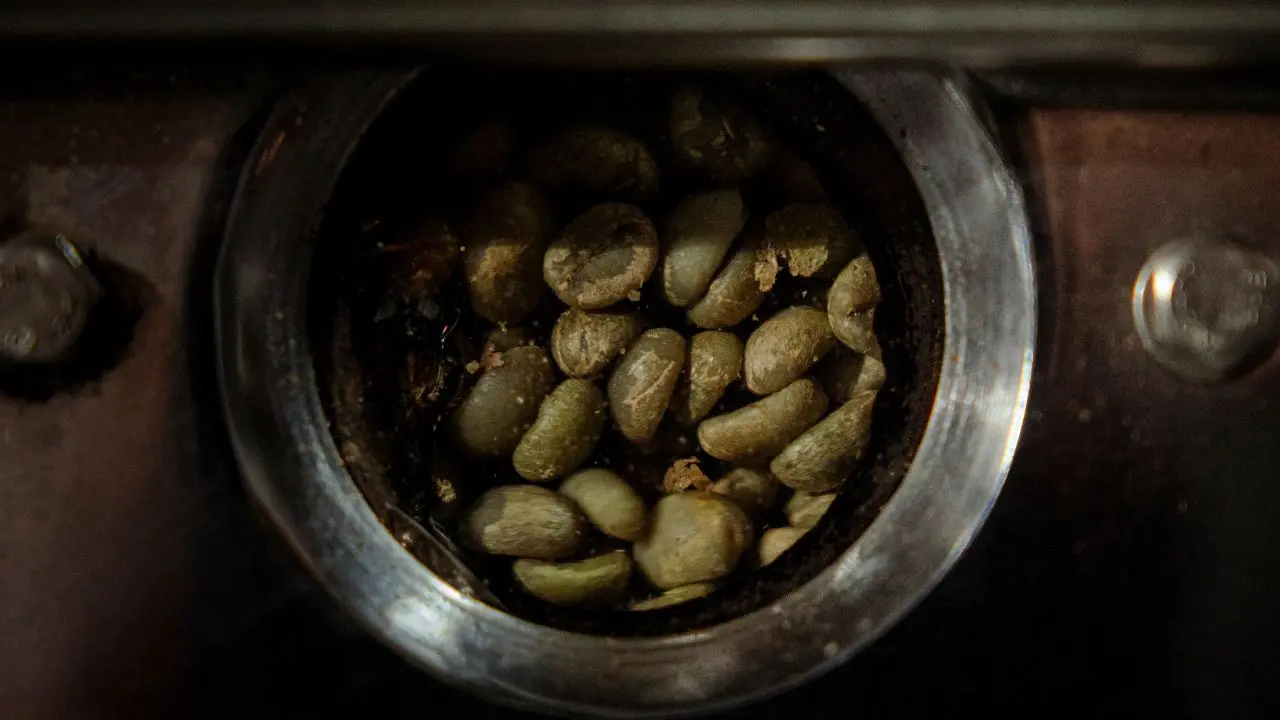
Not all traceability technologies create value in the same way. In coffee supply chains, they support consistency, accountability, and operational decision-making.
Research across coffee-producing regions identifies several technologies that enable digital traceability systems.
Blockchain-Based Traceability Systems
Blockchain systems are used to secure sourcing, handling, and transaction records so they cannot be altered after entry.
In coffee supply chains, their value is less in the technology and more in preventing disputes, protecting process integrity, and aligning expectations across stakeholders.
Blockchain-based traceability uses secure digital ledgers to record sourcing and handling information that cannot be altered later. In coffee, its main value lies in protecting data integrity rather than promoting the technology itself.
Machine Learning for Quality Verification
Machine learning tools increasingly support quality verification, especially for large volumes of green coffee beans.
Computer vision systems help identify defects and maintain consistent grading, reducing reliance on subjective inspection.
Digital Identification Tools
Digital identifiers such as QR codes, barcodes, and RFID tags allow individual lots to be tracked throughout storage and logistics.
These tools help ensure batch separation and make traceability systems usable at scale.
RFID tags are small electronic identifiers that use radio waves to store and transmit data without direct contact. In coffee supply chains, RFID tags are used to track coffee lots during storage and transport, helping maintain lot separation, traceability, and accurate records.
IoT Sensors and GPS Monitoring
Internet of Things (IoT) sensors and GPS tools track temperature, humidity, and location during storage and transport.
When integrated into traceability systems, they help prevent quality loss and improve logistical reliability.
IoT sensors are devices that monitor conditions such as temperature and humidity during storage and transport. These sensors help prevent quality loss caused by environmental changes.
How Digital Traceability Supports Quality and Consistency
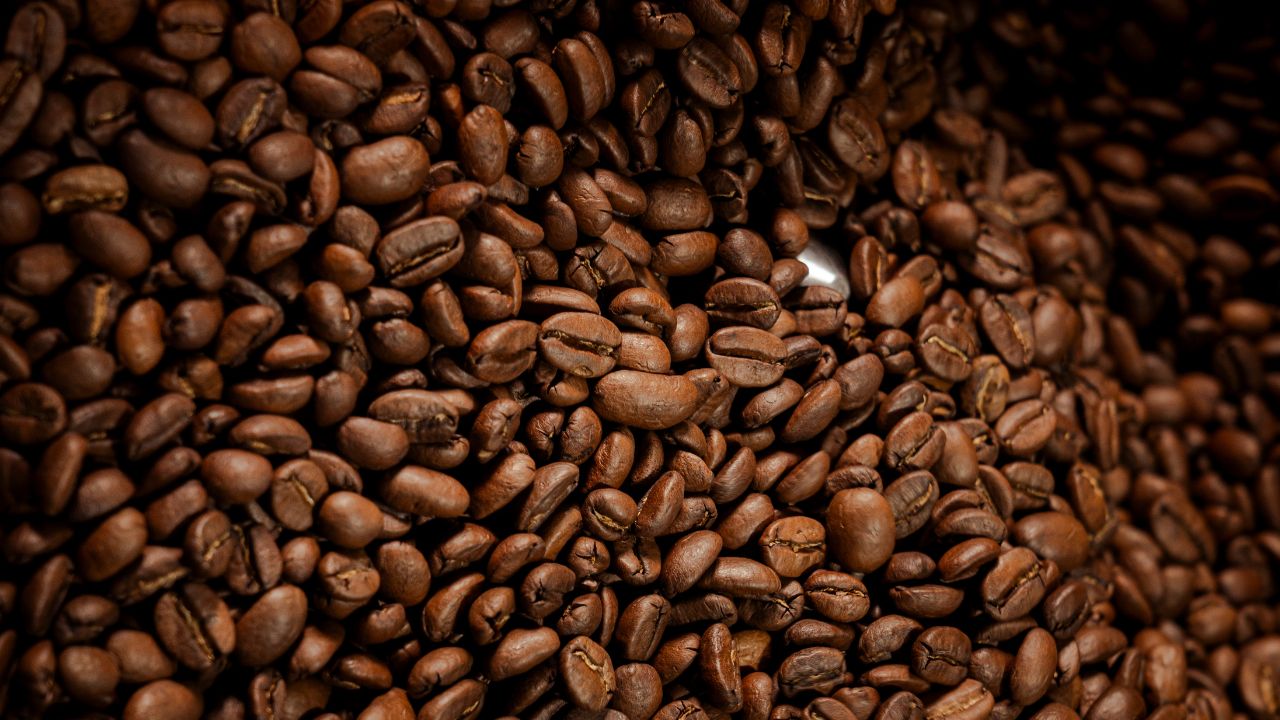
Coffee quality builds over time and is shaped by decisions made at multiple stages, from harvest through logistics. Digital traceability connects these decisions into a single, trackable process. With organized records, buyers can:
- Identify why certain lots perform better in roasting
- Replicate successful profiles across future harvests
- Prevent quality drift caused by undocumented mixing
- Build blends and programs that remain stable year after year
This kind of control is crucial for commercial roasting programs, café groups, and distributors. Robusta varieties are often included in traceable supply chains because they are used in large-scale commercial roasting and espresso blends.
Quality drift refers to gradual, unnoticed changes in coffee quality over time due to undocumented handling or mixing. Traceable systems help identify and prevent this problem.
Digital Traceability and Risk Management
Digital traceability is important for managing supply chain risk. With clear and organized records, buyers can spot problems early and act before production or delivery is disrupted.
Traceable systems help avoid seasonal supply gaps, prevent delays caused by missing paperwork, and ensure delivered quality matches expectations.
If issues arise, good records help resolve them quickly without changing long-term sourcing plans.
Supply chain risks include factors that can disrupt coffee sourcing, such as missing documentation, delayed shipments, or inconsistent quality. Digital traceability helps identify these risks early.
How Bali Origins Applies Digital Traceability in Direct Trade Supply
Bali Origins uses digital traceability across its direct-trade green coffee supply to ensure consistency, accountability, and reliable, long-term sourcing. Traceability is built into every step, from sourcing and post-harvest handling to quality control.
Farm selection is guided by documented performance criteria, allowing sourcing choices to be evaluated and refined across multiple harvest cycles.
Each coffee lot is recorded from the point of selection, creating a clear link between origin, handling decisions, and final performance outcomes.
Post-harvest handling is managed by Bali Origins’ certified processing team using structured workflows to reduce variability.
Key stages of processing and drying are monitored through quality control checkpoints that track moisture stability, lot separation, and handling consistency.
These records help prevent batch mixing and protect quality as coffee moves through preparation and logistics. By keeping digital records at every important stage, Bali Origins delivers consistent results, not just occasional quality.
Batch mixing occurs when coffee from different lots or harvests is combined without proper records. This often causes unexpected quality changes and loss of consistency.
Digital Traceability as a Commercial Advantage
As global buyers demand greater transparency and operational reliability, digital traceability has become a clear commercial advantage in coffee sourcing.
Buyers increasingly evaluate suppliers based on their ability to deliver consistent, documented performance rather than origin claims alone. Indonesia’s diverse coffee-producing regions make structured traceability especially important for maintaining consistency across the supply chain.
Verified records support better decision-making, reduce uncertainty, and make it easier to scale sourcing programs while maintaining quality across shipments and harvests.
In direct trade relationships, traceability aligns expectations, accountability, and long-term improvement instead of focusing on one-off transactions.
For businesses seeking direct trade in green coffee beans with verified quality, traceable sourcing, and reliable performance, Bali Origins supports long-term B2B supply through structured processes that deliver consistency, scalability, and trust.
Digital Traceability FAQs
What Is Direct Trade Coffee and Why Is It Important?
Direct trade coffee refers to sourcing models where buyers work closely with producers or processors rather than relying solely on certification frameworks.
Its importance lies in accountability, quality control, and the ability to build long-term sourcing strategies based on verified performance rather than price minimums alone.
Why Are Direct Trade Green Coffee Beans Gaining Importance in B2B Supply Chains?
Direct trade green coffee beans allow buyers to align sourcing decisions with quality requirements, processing standards, and operational needs.
When supported by documentation, direct trade helps reduce variability between shipments and supports consistent roasting outcomes over time.
How Does Digital Traceability Strengthen Direct Trade Coffee?
Digital traceability replaces informal assurances with recorded data covering sourcing, post-harvest handling, and quality control.
This allows buyers to evaluate performance, repeat successful profiles, and manage risk across multiple harvest cycles.
How to Identify High-Quality Direct Trade Green Coffee Beans?
High-quality direct trade green coffee beans are supported by clear documentation rather than origin claims alone.
Key indicators include traceable lot separation, documented post-harvest handling, moisture-stability data, and consistent quality-control checkpoints across shipments.
What Are the Benefits of Direct Trade Green Coffee Beans Compared to Fair Trade?
Direct trade focuses on performance, transparency, and long-term improvement rather than standardized certification criteria.
While fair trade emphasizes minimum pricing and social standards, direct trade green coffee beans allow buyers to prioritize quality consistency, processing control, and operational reliability when supported by traceable systems.
Is Direct Trade Coffee Always Traceable?
Not necessarily. Direct trade relationships without structured documentation still rely heavily on trust and informal communication. Digital traceability ensures that direct trade claims are supported by verifiable records.
Why Is Digital Traceability a Commercial Advantage for Indonesian Coffee?
For Indonesian coffee, sourced from diverse regions, traceability helps align regional variability with global quality standards.
Documented handling and processing ensure Indonesian coffee performs consistently in professional and commercial programs.
Who Should Prioritize Digitally Traceable Direct Trade Green Coffee Beans?
Digitally traceable direct trade green coffee beans are especially relevant for roasters, distributors, and café groups managing long-term contracts, large volumes, or multi-location operations where consistency and predictability are critical.
For B2B buyers working with Bali Origins, digital traceability supports repeat ordering, production planning, and quality assurance by ensuring each shipment aligns with documented performance rather than one-off results.