
When buyers consider Indonesian and Colombian coffee, the decision-making process is based on much more than just taste. These two origins have very different ways of producing, processing, and selling coffee in the global market.
Indonesia and Colombia are both well-known coffee producers, but they play different roles for roasters, distributors, and B2B buyers. Knowing these differences helps when choosing coffee for espresso, blends, or long-term supply.
This guide compares Indonesian and Colombian coffees in terms of flavor, processing, consistency, and market use. It also explains how Indonesian coffee fits into today’s sourcing strategies for commercial and specialty buyers.
What Are the Main Differences Between Indonesian and Colombian Coffee?
Indonesia and Colombia represent different ends of the flavor and performance spectrum.
Colombian coffee is famous for its clean acidity, balanced flavor, and smooth, easy-to-drink taste. It is easy to describe and is a good choice for single-origin and filter coffee.
Indonesian coffee, by contrast, is valued for its deep flavor, body, and strong structure. It has a bold taste and rich mouthfeel, and it holds up well during roasting, making it popular in espresso blends and commercial coffees.
Both types of coffee play a key role in the global coffee market, but they are used in different ways.
Mouthfeel describes the physical sensation of coffee on the palate, including texture, weight, and smoothness. It is distinct from flavor and acidity, yet strongly influences how full, clean, or satisfying a coffee feels during consumption.
Where Are Indonesian and Colombian Coffees Grown?
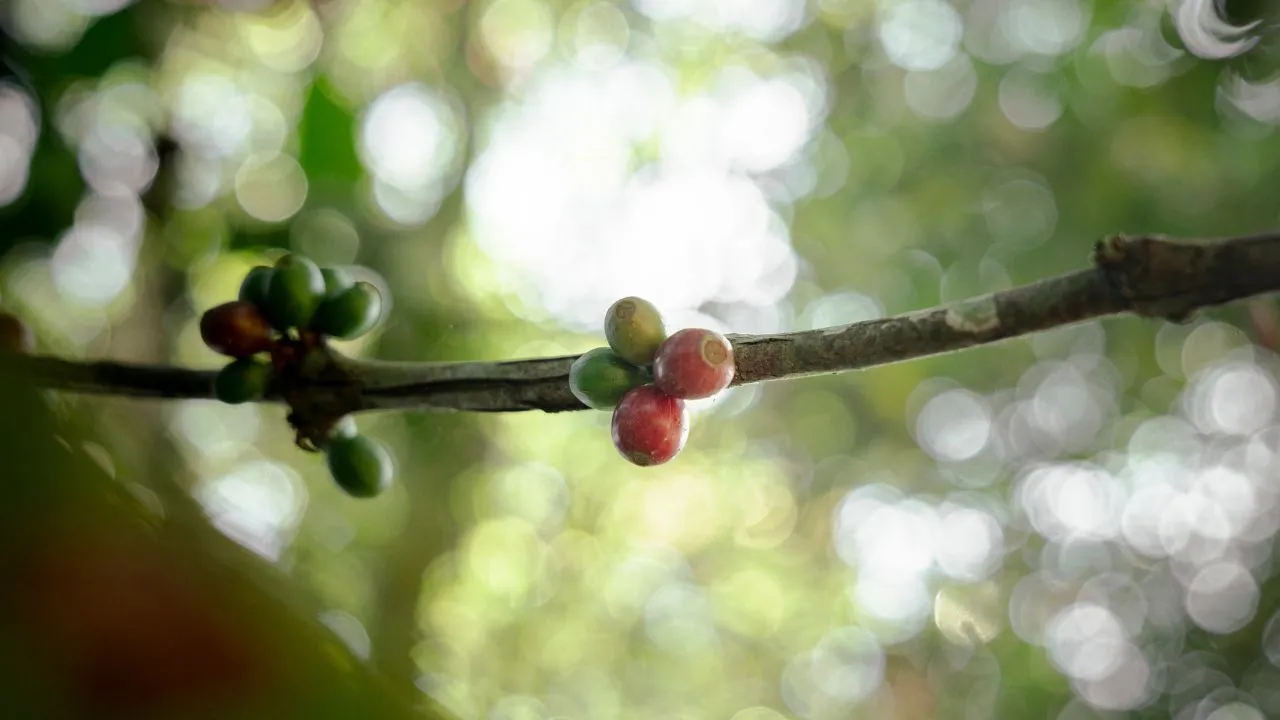
Indonesian Coffee Origins
Indonesia consists of thousands of islands, each with unique growing conditions, elevations, and microclimates.
Coffee is grown in regions like Sumatra, Java, Sulawesi, Flores, and Bali. These regions are geographically close yet highly varied, resulting in a wide range of flavors.
Some key features of Indonesian coffee origins are:
- Volcanic soils rich in minerals
- High humidity and stable temperatures
- A wide range of elevations, often found close together
- Strong regional identities that reflect each island’s unique profile
These factors give Indonesian coffees a heavier body, lower acidity, and complex flavors. Indonesian coffee has depth that depends on careful processing and quality control.
Colombian Coffee Origins
Most Colombian coffee is grown along the Andes mountains, where high elevations and stable weather ensure reliable crops.
This environment in Colombia usually results in:
- A cleaner cup profile,
- A higher yet balanced acidity,
- and consistent flavor from region to region.
Because of these qualities, Colombia is seen as a standard for balanced, easy-to-enjoy coffee, especially in specialty markets.
Reliable coffee crops are those that deliver stable production volumes and consistent quality year after year. Reliability is shaped by plant resilience, growing conditions, farm management structure, and controlled post-harvest handling, allowing buyers to plan sourcing with reduced risk.
How Do Indonesian and Colombian Coffee Flavor Profiles Differ?

Indonesian Coffee Flavor Profile
Indonesian coffee is known for its depth rather than brightness. Its flavor comes from body, intensity, and complexity.
Common characteristics include:
- Earthy and woody flavors
- Cocoa and dark chocolate flavors
- Hints of herbs and spices
- A full mouthfeel and a lingering finish
These qualities make Indonesian coffee a good choice for espresso blends, darker roasts, and products needing strong flavor and structure. For commercial buyers, it performs well at different roast levels.
Colombian Coffee Flavor Profile
Colombian coffee is typically described as clean, balanced, and approachable. Some common flavor traits are:
- A gentle citrus-like acidity
- Sweetness similar to caramel and brown sugar
- Hints of chocolate
- Notes of red or stone fruits
This flavor profile works well for filter brewing, lighter roasts, and single-origin coffees where clear, distinct flavors matter most to the drinker.
How Processing Affects Performance in Indonesian and Colombian Coffee
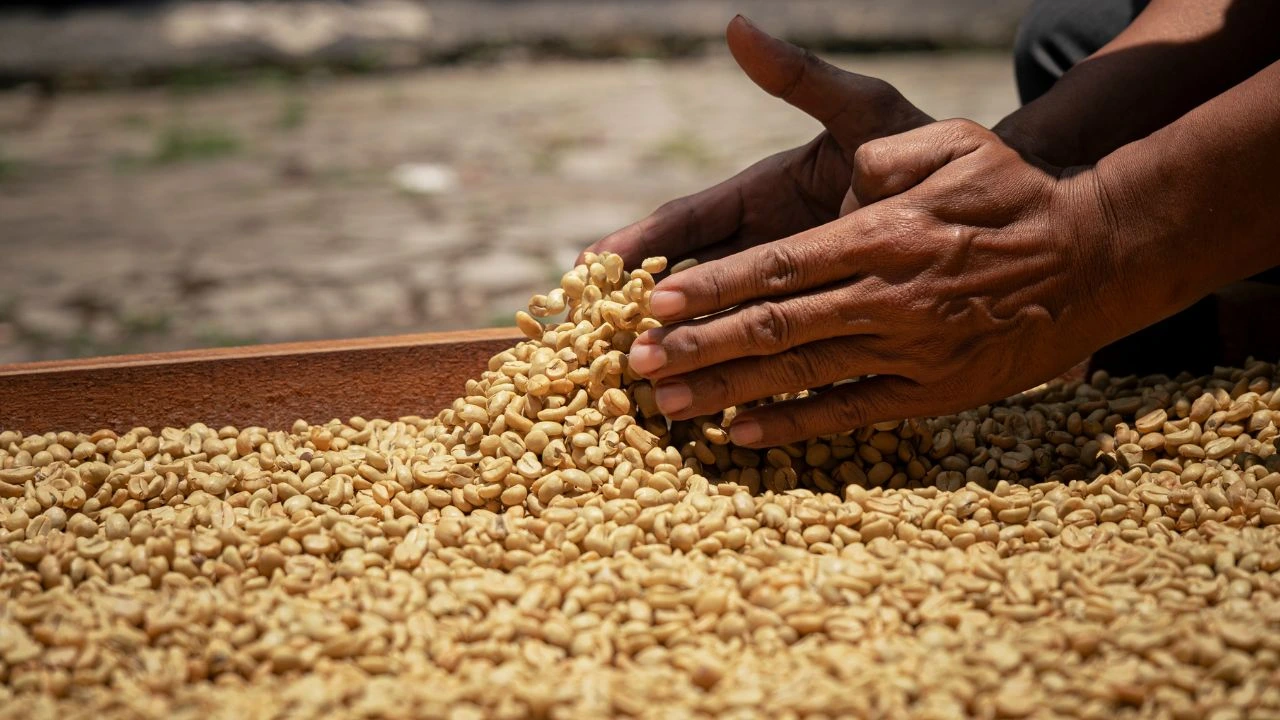
Indonesia uses different post-harvest methods influenced by its climate, local traditions, and new processing techniques.
Recently, producers have focused on controlled post-harvest handling, careful drying, and strict quality checks to make coffee more consistent and stable for the market.
For B2B buyers, Indonesian coffee is known for its ability to roast well, work reliably in blends, and adapt to different roast styles. Its processing supports large-scale production and steady supply, not just unique flavors.
By comparison, Colombian coffee production is more uniform, with washed processing used in most regions.
This approach delivers a clean and consistent flavor profile, making Colombian coffee a reliable choice for single-origin and specialty products where clarity and transparency are priorities.
Colombia’s consistent processing helps buyers seeking reliable flavor, especially in specialty and filter coffee programs. To understand why Indonesia’s geography, production structure, and processing systems support long-term supply reliability, see our overview of why Indonesia is one of the world’s top coffee producers.
Filter coffee programs refer to coffee offerings developed specifically for filter brewing methods such as drip machines, pour-over, and batch brew. These programs prioritize clarity, balance, and consistent flavor expression rather than heavy body or high intensity.
Why Colombian Coffee Is Strong in Specialty Markets
Colombian coffee stands out for its flavor, production methods, and national quality standards. About 552,000 smallholder farmers manage plots averaging 1.5 hectares, making this one of the world’s most established smallholder coffee systems.
The National Federation of Coffee Growers supports Colombia’s coffee sector by protecting origin, evaluating quality, and managing market positioning. Coffee sold as “Café de Colombia” must meet national standards.
Regional cupping labs regularly check coffee quality to ensure it meets sensory standards before sale.
In recent years, large-scale replanting programs have introduced rust-resistant varieties such as Castillo across about 80 percent of planted areas. Combined with technified farming practices, this has improved yield stability and reduced production risk.
In the commercial market, Colombian coffee is closely associated with specialty markets. About 40 percent of national production is classified as specialty coffee, supplying single-origin retail, filter programs, and buyers seeking clarity, traceability, and repeatable quality.
A denomination of origin is an official classification that links coffee quality and defining characteristics to a specific geographic area. This designation helps protect origin identity and provides buyers with assurance of recognized production standards.
Why Indonesian Coffee Is Strong in Commercial and Blended Programs
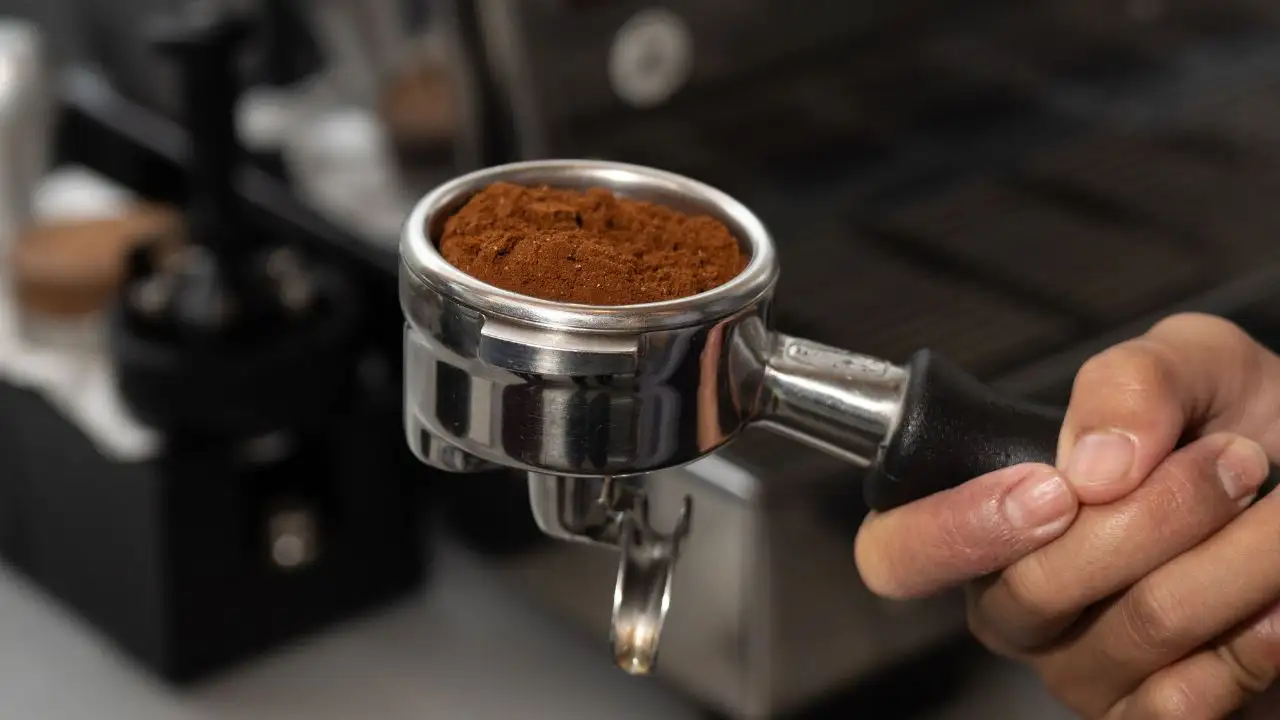
Indonesia is well-suited to commercial and blended coffee programs because it combines origin diversity with reliable, large-scale production.
Coffee is grown across many islands rather than concentrated in a few regions, which helps reduce supply risk and maintain continuity between harvests.
This structure is supported by Robusta, which forms the backbone of national production. Its adaptability, higher yields, and resilience allow Indonesia to sustain stable volumes while still supporting Arabica in suitable highland areas.
For B2B buyers, this balance makes Indonesian coffee a practical choice for espresso blends, commercial roasting, and applications where body, structure, and consistency matter more than brightness alone.
As a result, Indonesian coffee is valued less as a single-origin showcase and more as a flexible, scalable option for long-term commercial supply.
Single-origin coffee refers to coffee sourced from one specific country, region, or clearly identifiable area rather than being blended from multiple origins. It is typically used to highlight characteristics tied to place, including flavor profile, growing conditions, and regional identity.
How Are Indonesian and Colombian Coffees Used in the Market

Indonesian coffee plays a strategic role in global supply chains where structure and reliability matter. It is commonly used for espresso blends, commercial roasting programs, and products prioritising mouthfeel and intensity.
With its flavor strength and roasting stability, Indonesian coffee performs well in high-volume environments without losing identity. For buyers managing long-term contracts, it offers dependable performance across harvest cycles.
Colombian coffee is often seen as a top single-origin choice. Specialty cafés, filter programs, and retail brands use it to highlight their story and make it accessible to customers.
Colombian coffee’s clean flavor and national quality standards make it easy for brands to explain to customers and a reliable option for specialty markets.
Harvest cycles refer to the recurring periods each year when coffee cherries ripen and are collected. These cycles vary by region due to differences in climate, elevation, and rainfall, influencing when coffee enters the market and how evenly supply is distributed throughout the year.
Indonesian Coffee vs Colombian Coffee: Key Differences
| Aspect | Indonesian Coffee | Colombian Coffee |
| Growing Environment | Volcanic islands with diverse microclimates | Andean highlands with stable elevations |
| Production Structure | Regional supply with processing-led consistency | Predominantly smallholder-driven |
| Typical Flavor Profile | Deep body, cocoa, spice, low acidity | Balanced, clean acidity, caramel, fruit |
| Cup Structure | Heavy mouthfeel and strong foundation | Clean and transparent |
| Processing Focus | Controlled washing and drying for stability | Standardised washed processing |
| Market Positioning | Espresso blends and commercial B2B supply | Single-origin and specialty programs |
| Strength in Blends | High structural contribution | Limited blend role |
| Consistency Model | Processing oversight and quality control | National infrastructure and standardisation |
How Indonesian Coffee Supports Modern B2B Supply Chains

Bali Origins brings Indonesian coffee to commercial and specialty markets. By choosing reliable farms and using controlled processing with certified teams, Bali Origins closely monitors quality after harvest, ensures consistency between harvests, and maintains accuracy at large volumes.
This method helps Indonesian coffee stand out for its unique flavor and reliable quality, meeting global standards for commercial performance.
For buyers comparing Indonesian and Colombian coffee, this careful processing allows Indonesian coffee to compete strongly in both specialty and commercial markets.
Indonesian Coffee vs Colombian Coffee: Which Is Right for Your Business?

The choice depends on your product goals. Indonesian coffee works well for programs focused on body, intensity, espresso quality, scalability, and steady commercial supply.
Colombian coffee is a good choice for buyers seeking clean acidity, single-origin stories, filter brewing, and a specialty market position.
Many successful roasters use both types of coffee to take advantage of what each does best.
Indonesian and Colombian coffees are not necessarily direct competitors. Each plays a different role in the global coffee market.
Colombian coffee brings balance, clarity, and reliability to specialty and single-origin markets. Indonesian coffee offers depth, structure, and resilience, making it a strong choice for large-scale needs.
With good processing and quality control, Indonesian coffee is a strong option for buyers who want both unique character and consistency.
If your business needs Indonesian coffee for espresso blends, commercial roasting, or long-term supply, Bali Origins offers carefully processed, quality-controlled coffee made for stability, scalability, and consistent performance across global markets.
Indonesian vs Colombian Coffee FAQs
What Is the Main Difference Between Indonesian Coffee and Colombian Coffee?
The main difference lies in structure and market use. Indonesian coffee is valued for body, depth, and strong structure, while Colombian coffee is known for clean acidity and balanced flavor. These characteristics make each origin suitable for different brewing methods and business goals.
Why Is Indonesian Coffee Often Used in Espresso Blends?
Indonesian coffee provides strong structure, mouthfeel, and roast stability. These qualities help espresso blends maintain intensity and balance, especially in commercial and high-volume applications.
Where Is Indonesian Coffee Grown?
Indonesian coffee is grown across multiple islands, including Sumatra, Java, Sulawesi, Bali, and Flores. Each region has unique growing conditions shaped by differences in elevation, soil composition, and climate, resulting in diverse characteristics rather than a single uniform profile.
Bali Origins operates within this multi-origin landscape by sourcing coffee from selected plantations across key regions. Through controlled post-harvest handling and centralized quality systems, Bali Origins helps translate Indonesia’s geographic diversity into consistently reliable, commercially viable coffee for global B2B supply.
Where Is Colombian Coffee Grown?
Colombian coffee is primarily grown along the Andes mountain range. High elevations and stable climates support consistent growing conditions and predictable flavor outcomes across regions.
Can Indonesian Coffee Be Used in Specialty Programs?
Yes. When properly processed and quality-controlled, Indonesian coffee can perform well in specialty applications while still offering distinctive structure and depth.
How Can You Identify Authentic Indonesian Coffee Beans?
Authentic Indonesian coffee beans are traceable to specific regions and supported by clear sourcing and post-harvest documentation. For professional buyers, consistency in processing, moisture stability, and quality control systems are stronger indicators than origin claims alone.
Is Indonesian Coffee or Colombian Coffee Better for My Business?
The choice depends on product goals. Indonesian coffee suits espresso blends, commercial roasting, and programs prioritizing body and stability. Colombian coffee fits filter-focused, single-origin, and specialty-driven strategies. Many businesses use both to balance performance and flavor diversity.