
Indonesia has long been one of the world’s most important coffee producers. For over three centuries, coffee has shaped the country’s agriculture, land use, rural communities, and its role in global trade.
Today, Indonesia remains a major source of both large commercial coffee projects and specialty coffees that highlight their place of origin.
Indonesian coffee stands out for its diversity, not just one flavor or style. Grown across thousands of islands near the equator, Indonesia’s coffee reflects a range of geography, elevation, climate, and processing methods. This variety allows Indonesia to offer everything from high-volume Robusta to unique regional Arabica.
This article examines Indonesia’s coffee history, major growing regions, and the various types of coffee produced. We will also discuss what sets Indonesian coffee apart in the global market.
How Did Coffee First Arrive in Indonesia?
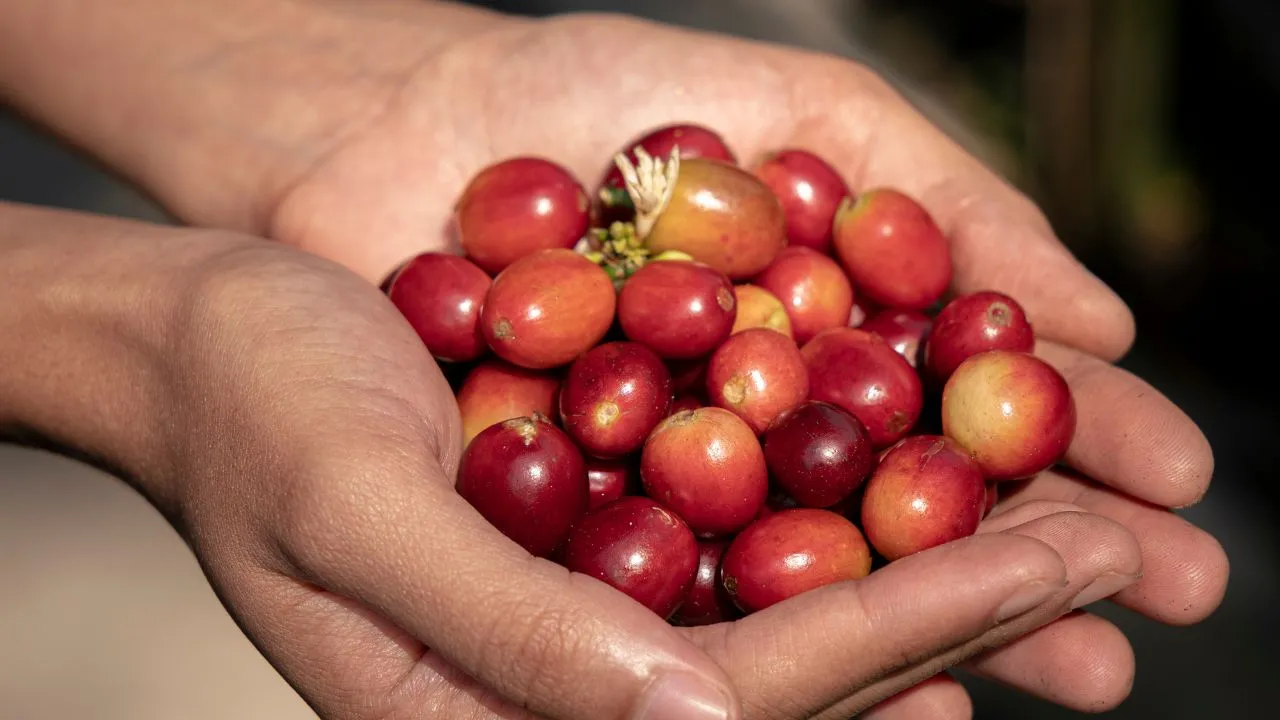
Coffee was introduced to Indonesia by the Dutch East India Company in the late seventeenth century, with early cultivation centred in Java’s fertile volcanic highlands.
Arabica coffee thrived in these conditions, and by the early 1700s, Java coffee had gained strong recognition in European markets.
This early success positioned Indonesia as one of the world’s first major coffee-producing regions outside Africa and the Middle East.
The term “Java coffee” became widely used in everyday language, reflecting Indonesia’s growing importance in the global coffee trade at the time.
However, this early success did not last. Toward the end of the eighteenth century, coffee leaf rust spread across Indonesian plantations, sharply reducing Arabica yields and forcing a fundamental shift in how coffee was cultivated across the archipelago.
In the early 19th century, more resilient coffee types such as Robusta and Liberica were introduced to replace the declining Arabica. Their resistance to disease, faster production cycles, and higher yields allowed coffee cultivation to recover.
Over time, Robusta became the backbone of Indonesia’s coffee production, shaping the country’s modern coffee structure that continues today.
The Dutch East India Company was a European trading organization that introduced coffee cultivation to Indonesia in the late seventeenth century. It established early plantations in Java and played a key role in connecting Indonesian coffee to global trade routes.
Why Is Indonesia’s Geography Ideal for Coffee Production
Indonesia lies along the equator and within the Pacific Ring of Fire, giving it a combination of environmental advantages rarely found in a single origin:
- Volcanic soil rich in natural nutrients
- Wide altitude ranges are suitable for different coffee types
- Consistent rainfall and warm temperatures
These conditions allow coffee to be cultivated across diverse environments, from high mountain areas to lower farms near ports and roads.
Each region has its own unique qualities, shaped by the altitude, local climate, and how the coffee is handled after harvest.
Because of this geographic variety, Indonesian coffee offers a wide range of flavors and adapts well to commercial needs.
Volcanic soil is formed from volcanic material and is naturally rich in minerals. For coffee plants, these conditions support healthy growth, stable yields, and long-term productivity across many coffee-growing regions in Indonesia.
What Types of Coffee Are Grown in Indonesia?
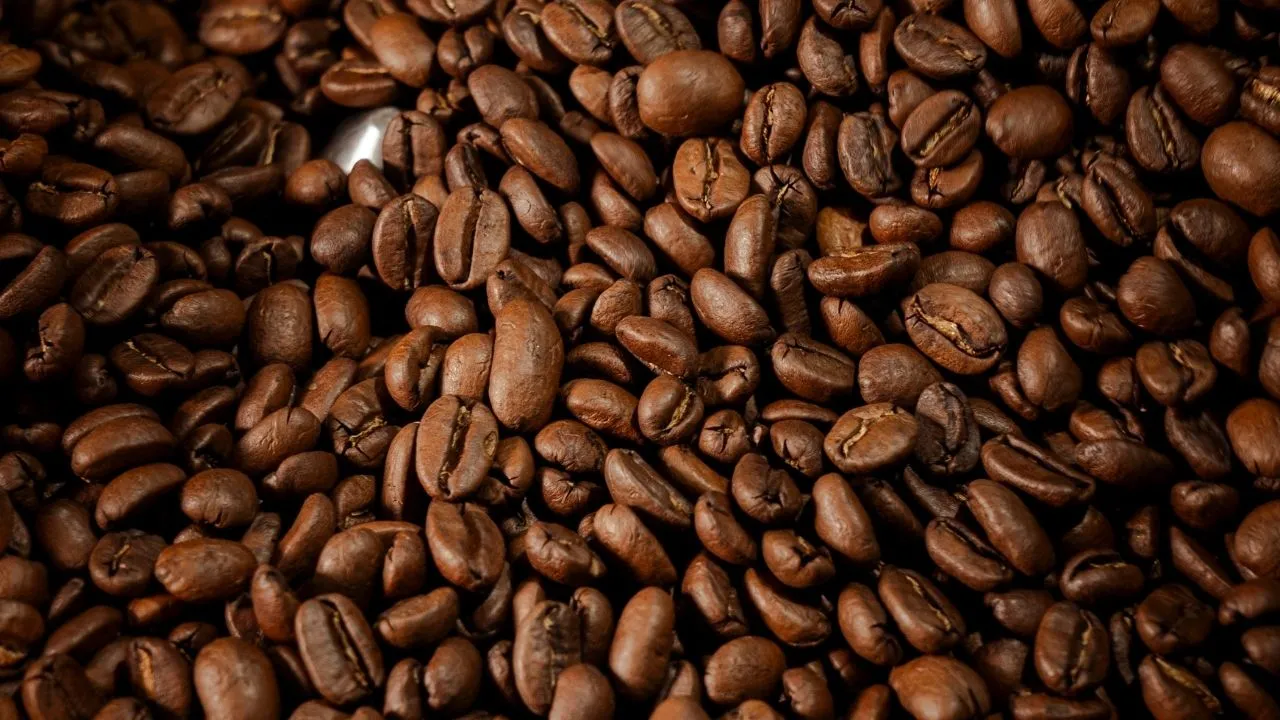
Indonesia produces two primary coffee types at a commercial scale: Arabica and Robusta.
Arabica coffee is usually grown at higher elevations, where cooler weather slows the growth of coffee cherries. This leads to a cleaner acidity, more complex flavors, and a richer aroma.
Indonesian Arabica is sourced from regions such as Sumatra, Sulawesi, Flores, Java, and Bali, each with its own unique taste.
Robusta is mostly grown in lower elevations and accounts for a large share of Indonesia’s coffee production. It is valued for its strong flavor, consistency, and commercial stability.
These traits make it well-suited for blends, espresso programs, and large-volume B2B supply chains.
By growing both types of coffee, Indonesia supports the needs of buyers seeking specialty coffee as well as those requiring large volumes for commercial use.
Indonesian Coffee Regions and Their Characteristics
Coffee production in Indonesia is spread across many regions. Instead of relying on a single main area, the country has several origins, each with its own distinct flavor profile.
- Sumatra is known for full-bodied coffees with earthy flavors and a strong structure.
- Java produces coffee that is balanced, with a smooth sweetness and a clean finish.
- Sulawesi’s coffees have a refined taste, gentle acidity, and complex aromas.
- Flores is known for coffees with chocolate notes and a mild earthy quality.
- Bali produces coffee that is clean, with bright citrus flavors and clear floral notes.
This regional variation allows buyers and roasters to source Indonesian coffee based on specific flavor targets, roast styles, and market positioning.
Earthy flavors in coffee evoke notes associated with soil, wood, herbs, or damp forest elements. These characteristics are often influenced by origin conditions, processing practices, and how coffee beans interact with moisture during post-harvest handling.
From Smallholder Farming to Global Supply
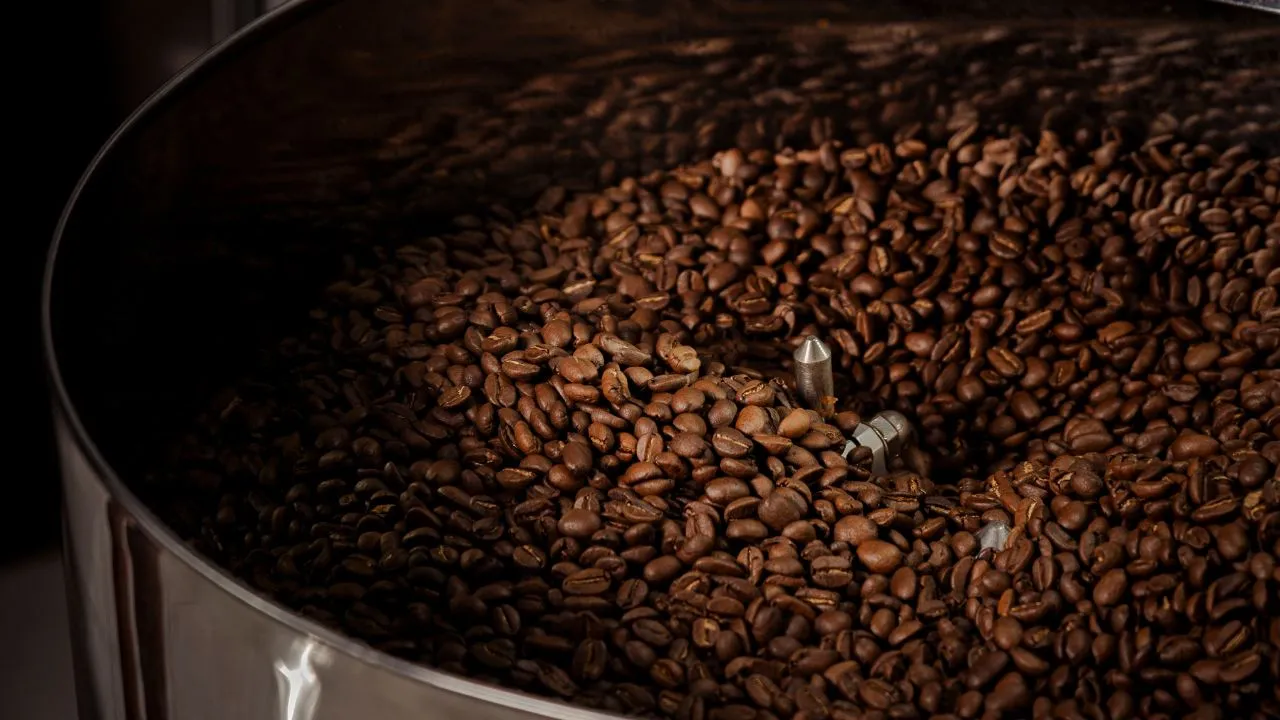
Most coffee in Indonesia comes from smallholder farmers who run family plots. These farms are closely tied to their communities and local traditions.
Over the years, better post-harvest handling, quality checks, and more consistent processing have helped Indonesian coffee meet global standards.
Today, buyers want more than just a coffee’s origin. They look for consistency, traceability, and reliability when sourcing for the long term. By blending traditional farming with organized processing, Indonesia has become a trusted part of the global coffee supply chain.
Consistency also depends on how coffee is handled after it is picked and prepared for roasting. Discover how post-harvest steps affect coffee quality and why careful roasting is important for reliable results.
Post-harvest handling refers to all steps that take place after coffee is picked, including washing, drying, sorting, and storage. These processes play a critical role in determining coffee quality, stability, and consistency.
How Market Demand Continues to Shape Indonesian Coffee Production

Indonesia’s coffee production has long been influenced by the interaction between market demand, geography, and historical planting patterns.
For decades, Robusta dominated both domestic consumption and export markets, supporting large-scale production for instant coffee, blends, and milk-based café drinks.
In recent years, shifts in consumer behaviour have begun to reshape production priorities. The growth of domestic café culture and rising interest in origin-specific coffee have expanded demand for Arabica alongside Robusta.
This change has encouraged farmers in suitable highland and hinterland areas to invest more heavily in coffee cultivation, contributing to steady growth in national output.
Rather than replacing Robusta, this evolution has resulted in a dual production system. Robusta continues to meet high-volume and commercial needs, while Arabica increasingly serves specialty and origin-focused programs.
This balance allows Indonesia to scale production while maintaining diversity across market segments.
Geography continues to play a defining role in how this system develops. Most Indonesian coffee farms are located in forested and upland areas suited to long-term cultivation.
Robusta is typically grown at lower elevations, while Arabica is planted higher up. In some regions, Robusta grown at higher elevations has shown improved cup quality, further highlighting Indonesia’s potential across a wide range of growing environments.
A dual coffee production system describes the simultaneous production of different coffee types for different market segments. In Indonesia, this typically involves Robusta serving large-scale commercial demand while Arabica supplies specialty-focused markets.
Why Indonesian Coffee Remains Relevant in Global Markets
Indonesian coffee continues to stand out for three core reasons:
- Diversity: Very few places offer as many different coffee profiles in one country.
- Scalability: Indonesia can support both specialty coffee programs and large-scale production.
- Heritage: Centuries of coffee history form the foundation of today’s production systems.
Because of these factors, Indonesian coffee can adapt to changing market demands and still keep its unique identity.
As coffee trends change worldwide, Indonesian coffee continues to play an important role. Specialty roasters appreciate its unique regional flavors and complexity, while commercial buyers count on its steady supply and consistent quality.
Better quality control, clearer sourcing, and updated processing methods have helped Indonesian coffee compete with well-known producers in Latin America and Africa.
By blending tradition with new ideas, Indonesia stays strong in the global coffee market.
How Bali Origins Elevates Indonesian Coffee Quality

Indonesia’s diversity is a real advantage, but it can also make sourcing coffee more complicated. Differences in geography, farming methods, and post-harvest handling can lead to inconsistent results if not managed well. For global buyers, this makes Indonesian coffee attractive but complex to source reliably.
Bali Origins addresses this challenge by operating as a coffee manufacturer focused on transforming Indonesia’s natural and structural advantages into stable, high-performing coffee for international B2B supply.
Through careful farm selection from trusted plantations, Bali Origins’ certified processing team guides coffees to ensure clarity, consistency, and long-term commercial performance.
Why Consistency Matters When Sourcing Indonesian Coffee
Consistency in Indonesian coffee sourcing depends on more than origin narratives alone. Bali Origins applies controlled processes throughout post-harvest handling, supported by rigorous quality control at every stage.
Each lot is evaluated for stability, scalability, and alignment with global standards required by roasters, distributors, and hospitality buyers.
With this team-focused, innovative approach, Indonesian coffee can perform consistently across different roast styles and brewing methods while still retaining the unique character of each origin.
Bali Origins shows that Indonesian coffee is not just diverse and expressive, but also dependable, traceable, and ready for long-term sourcing partnerships.
For buyers, roasters, and distributors navigating Indonesia’s diverse coffee landscape, consistency and traceability matter as much as origin. Bali Origins supports this by applying controlled processing, careful farm selection, and quality systems designed to help Indonesian coffee perform reliably across professional and commercial programs.
Indonesian Coffee FAQs:
What Types of Coffee Are Grown in Indonesia?
Indonesia produces Arabica and Robusta at a commercial scale. Arabica is typically grown at higher elevations and valued for its cleaner acidity and complex flavor profiles, while Robusta is grown at lower elevations and prized for its strength, consistency, and commercial stability.
This dual structure allows Indonesia to serve both specialty and large-volume markets.
Where Is Arabica Coffee Grown in Indonesia?
Indonesian Arabica is commonly sourced from regions such as Sumatra, Java, Sulawesi, Flores, and Bali.
Each region offers distinct characteristics shaped by altitude, climate, and local handling practices, contributing to Indonesia’s reputation for origin diversity.
Why Does Robusta Dominate Indonesia’s Coffee Production?
Robusta became dominant after the disease severely reduced Arabica yields in the eighteenth century.
Its resilience, faster growth cycle, and ability to grow at lower elevations enabled Indonesia to rebuild production capacity and support large-scale commercial supply.
What Makes Indonesian Coffee Unique Compared to Other Origins?
Indonesian coffee is defined by diversity rather than a single flavor profile. Grown across thousands of islands, it reflects wide variations in geography, climate, and post-harvest handling.
This allows Indonesia to offer both distinctive regional coffees and a scalable commercial supply.
Why Does Indonesian Coffee Remain Relevant in Global Markets Today?
Indonesian coffee continues to stand out due to its diversity, scalability, and long production history.
These factors allow it to meet both specialty expectations and commercial requirements while adapting to evolving global trends.
How to Identify Authentic Indonesian Coffee Beans?
Authentic Indonesian coffee beans are traceable to specific regions and supported by clear sourcing and post-harvest documentation.
For professional buyers, consistency in processing, moisture stability, and quality control systems are stronger indicators than origin claims alone.
What Are the Most Popular Indonesian Coffee Regions?
The most well-known Indonesian coffee regions include Sumatra, Java, Sulawesi, Bali, Flores, and Papua.
Each region is shaped by different elevations, soil conditions, and climates, resulting in distinct characteristics rather than a single national profile. These regions form the backbone of Indonesia’s global coffee presence.
What Are the Main Regional Varieties of Indonesian Coffee?
Indonesian coffee is primarily produced as Arabica and Robusta, but regional expression varies significantly.
Sumatran coffees are often full-bodied and earthy; Java coffees tend to be balanced and clean; Sulawesi offers refined structure; Flores is known for chocolate notes; and Bali coffees are typically clean with bright citrus and floral qualities.
What Is the Typical Flavor Profile of Sumatran Coffee?
Sumatran coffee is commonly associated with a full body, low acidity, and earthy or herbal characteristics.
It often shows notes of cocoa, spice, and forest floor, making it popular for darker roast profiles and structured blends.
What Is an Indonesia Coffee Plantation Like?
Most Indonesian coffee plantations are smallholder-operated farms rather than large estates. These farms are often located in upland or forested areas and are closely tied to local communities.
Production relies on coordinated post-harvest handling to ensure consistency across many small-scale sources.
How Can You Brew Indonesian Coffee for the Best Flavor?
Brewing methods depend on the coffee’s origin and roast profile. Full-bodied Indonesian coffees often perform well with immersion or pour-over methods that highlight structure and depth.
For professional applications, consistent roasting and controlled brewing parameters are essential to achieve repeatable results.