
Indonesia is one of the world’s largest coffee producers. Ranked fourth globally after Brazil, Vietnam, and Colombia, the country supplies green coffee beans to global supply chains at both commercial and specialty levels.
This diversity is shaped by geography, with coffee grown across thousands of islands, creating distinct regional characteristics rather than a single, uniform profile.
Each coffee-growing area has its own unique qualities, shaped by factors such as altitude, soil, rainfall, and post-harvest handling.
This article examines how Indonesia became a leading coffee producer by exploring the geographic, historical, and economic factors that continue to shape its role in the global coffee industry today.
Indonesia’s Geography Is Ideal for Coffee Production
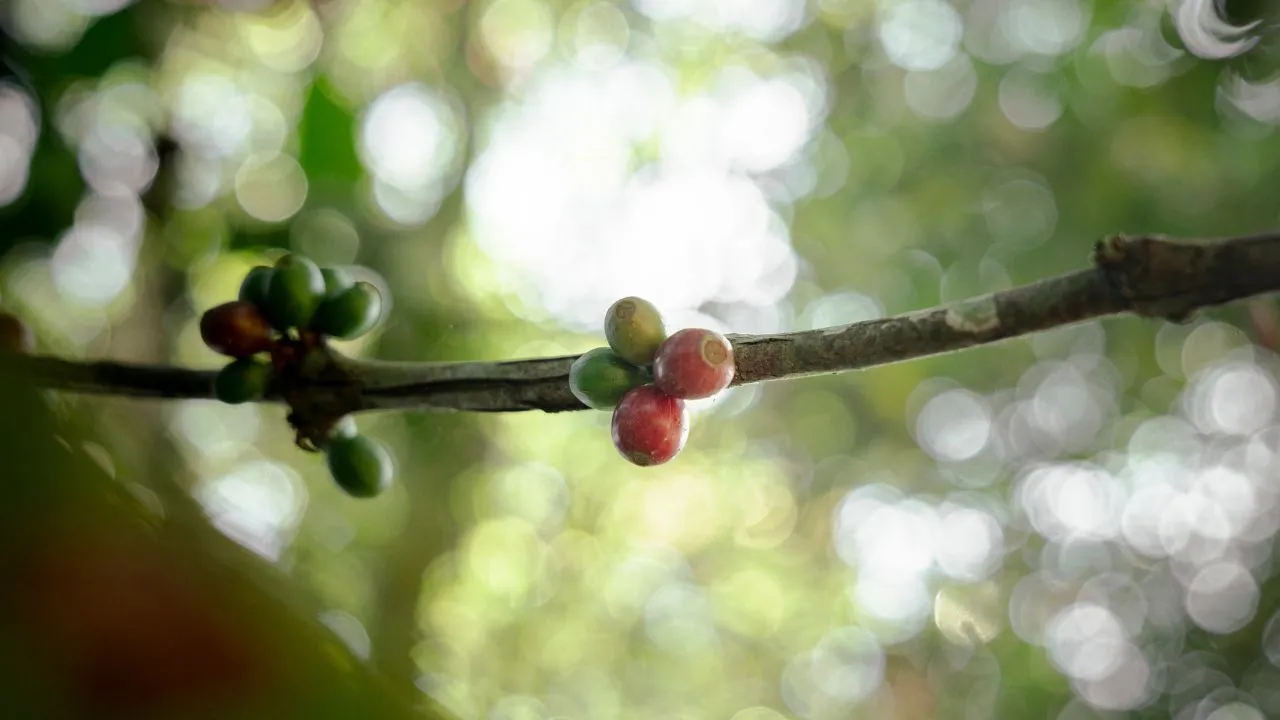
Indonesia sits on the equator and within the Pacific Ring of Fire, creating ideal conditions for growing coffee across the islands.
Warm temperatures, steady rainfall, and volcanic highlands allow coffee to be grown across many parts of Indonesia, not just in one area.
Several geographic factors combine to support Indonesia’s wide range of coffee production:
- Volcanic soils that are full of minerals and organic material
- A broad range of elevations across different islands
- Unique microclimates even within the same coffee-growing area
Major producing regions across Sumatra, Java, Sulawesi, Bali, Flores, and Papua contribute different characteristics influenced by altitude, soil composition, and rainfall patterns.
This diversity supports both production capacity and regional differentiation valued by professional buyers.
A microclimate refers to localized climate conditions within a specific area that differ from those of the surrounding region. In coffee production, microclimates influence growth cycles, bean development, and consistency in crop performance across producing areas.
How Historical Adaptation Shaped Indonesia’s Coffee Industry
Current coffee production in Indonesia is the result of a major historical shift. In the late eighteenth century, leaf rust disease destroyed Arabica plantations across the islands, causing a big drop in output and putting coffee farming at risk.
Robusta coffee was introduced in the early twentieth century, which helped the industry recover and grow.
Robusta supported Indonesia’s recovery because it:
- Resisted pests and disease more effectively
- Grew faster than Arabica
- Could be planted at lower elevations near transport routes
This change helped Indonesia rebuild its coffee industry on a large scale. Today, Robusta for most of the country’s coffee, but some highland areas have begun growing Arabica again as demand for premium coffee worldwide has grown.
If you want to learn more about how Arabica and Robusta each affect Indonesia’s coffee industry and market position, check out our Arabica vs Robusta comparison.
Coffee leaf rust is a fungal disease that attacks coffee plant leaves, reducing photosynthesis and weakening plant health. Historically, outbreaks of leaf rust triggered major structural changes in coffee production systems across Indonesia due to significant yield losses.
Smallholder Farming Central to Indonesia’s Coffee Production
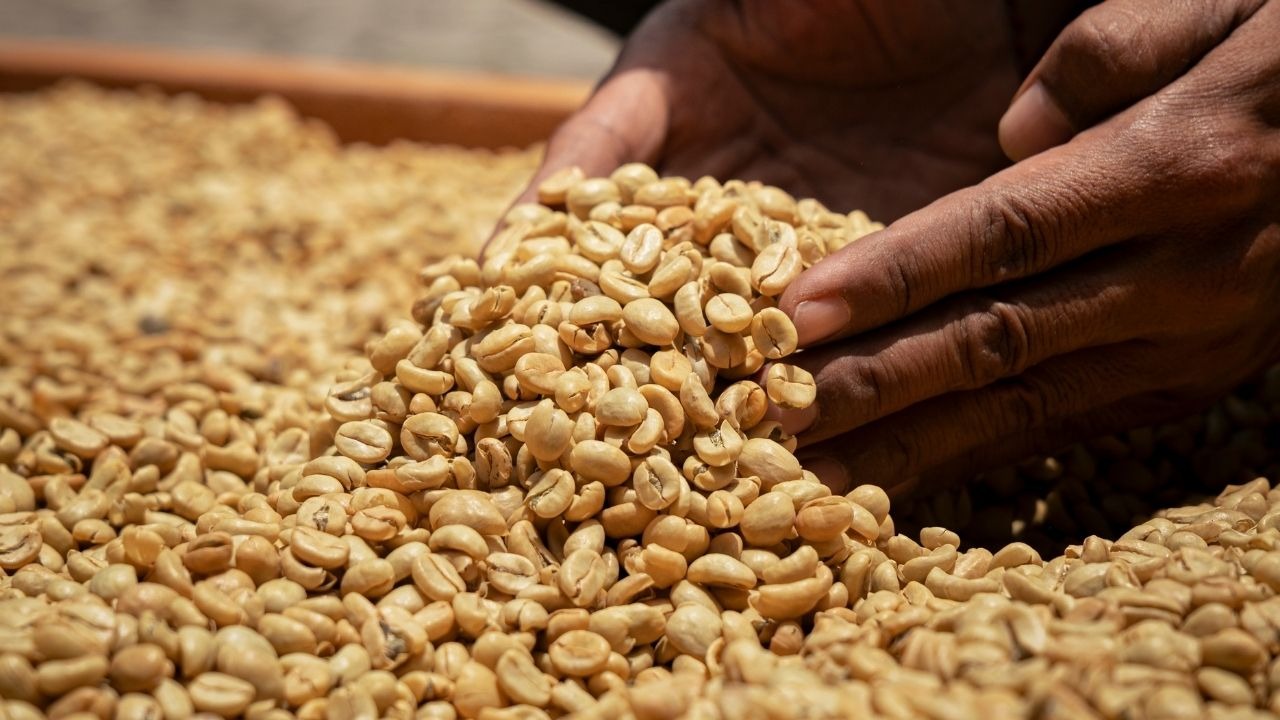
One of the defining features of Indonesia’s coffee industry is its reliance on smallholder farmers. About 90 percent of coffee plantations are run by small-scale producers, who usually live in rural or mountainous regions.
Instead of relying on large estates, Indonesia’s smallholder system spreads coffee production across thousands of independent farms.
The Ministry of Trade (2021) notes that this approach has helped maintain steady national coffee output, even amid global economic challenges.
With production spread out, Indonesia’s coffee sector is less likely to suffer from problems like extreme weather, local crop diseases, or sudden market changes. This setup helps keep production steady over time.
Smallholder coffee farming refers to a production system where coffee is grown by independent farmers managing relatively small landholdings. This structure helps distribute production risk and supports stable national coffee output over time.
How Market Demand and Harvest Cycles Support Continuity
Sustained coffee production is supported by both domestic consumption and export demand.
Domestic coffee consumption has grown steadily alongside café culture and increased appreciation for locally sourced coffee. At the same time, exports continue to account for approximately 60–70% of total production, reflecting Indonesia’s strong orientation toward global markets.
Recent trade data highlights this export focus. According to Indonesia’s Central Statistics Agency (BPS), from January to September 2024, the country exported 342,220 tonnes of coffee worth USD 1.49 billion and imported 67,650 tonnes valued at USD 319.84 million. The main export destinations were the Philippines, the United States, and Malaysia.
Production continuity is supported by:
- Strong domestic coffee consumption
- Continued export demand
- Staggered harvest cycles across different islands
This allows coffee to enter the market more evenly, supporting predictable export flows rather than seasonal supply spikes.
Staggered harvest cycles occur when coffee is harvested at different times across regions due to geographic and climate variation. This pattern allows supply to enter the market more evenly throughout the year, supporting continuity in sourcing and distribution.
How Institutional and Economic Conditions Reinforce Production
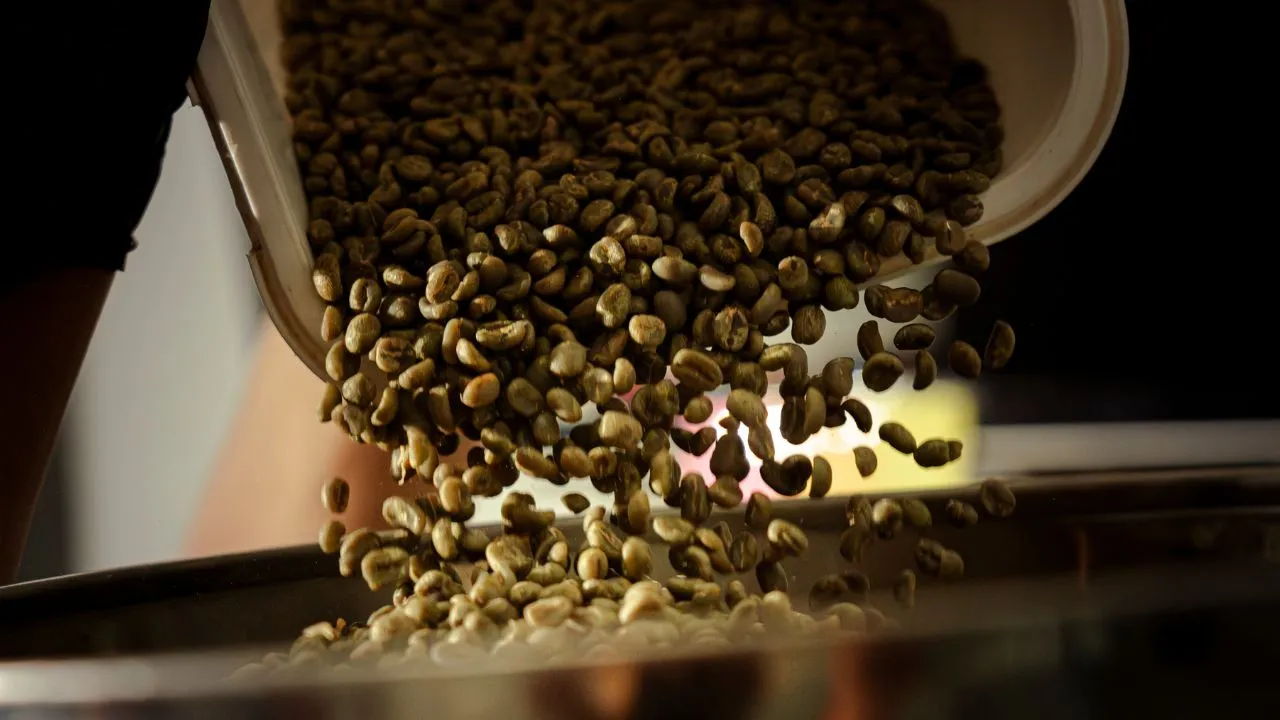
Beyond farm-level production, Indonesia’s coffee sector is supported by broader institutional and economic conditions.
Coffee is classified as a strategic estate crop because of its long-term importance in national agricultural planning and commercial production, including its contribution to rural employment.
Strong trade activity, established market demand, and a stable local workforce have helped Indonesia’s coffee production remain resilient, even during periods of global economic uncertainty.
A strategic estate crop is an agricultural commodity officially classified by the Indonesian government as important to the national plantation sector. Coffee falls under this category due to its scale of cultivation, commercial significance, and role in long-term agricultural planning.
How Indonesia’s Production Structure Supports Global Reliability
Geographic distribution across the archipelago plays a decisive role in production reliability. Coffee cultivation is spread across multiple major islands rather than concentrated in a single growing zone.
Because coffee is grown in different regions, local problems like bad weather, pests, or transport issues do not affect the whole country.
Unlike countries where coffee is grown in specific areas, Indonesia almost never experiences a total crop failure in a single season.
For global buyers, this spread makes Indonesia a dependable partner for long-term coffee sourcing.
How Bali Origins Fits Into Indonesia’s Coffee Ecosystem
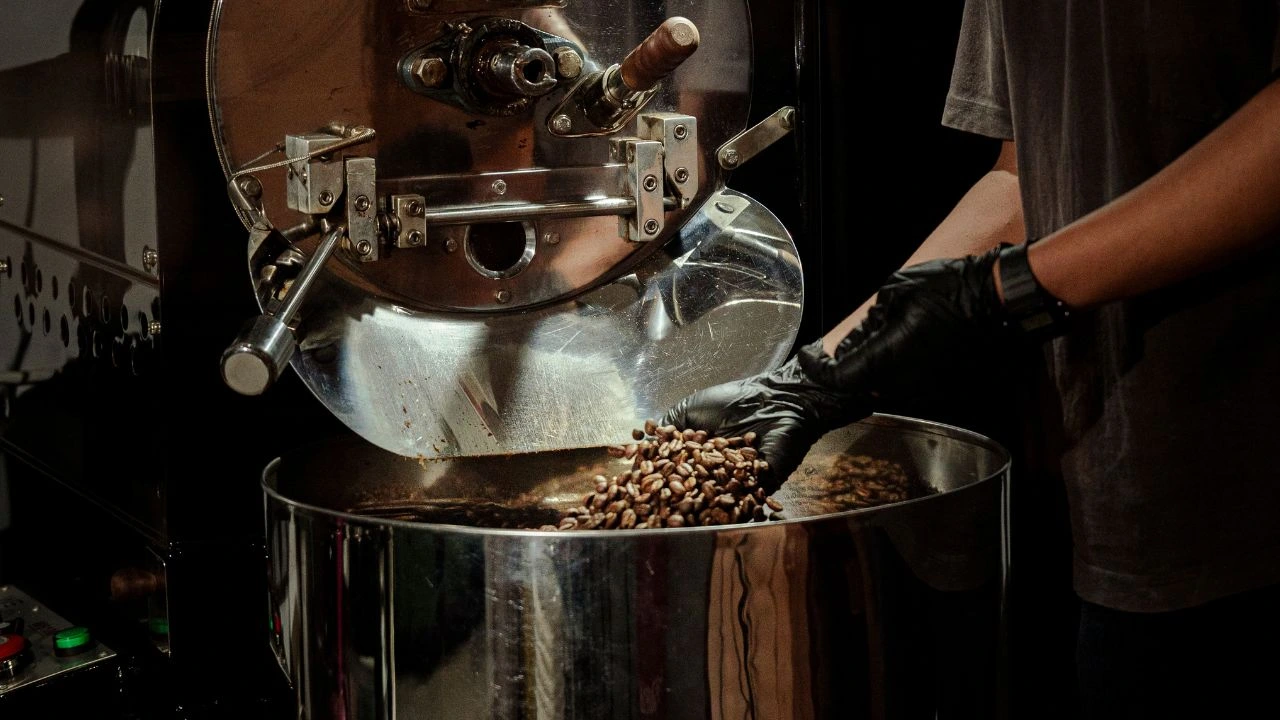
Scale and regional diversity create significant opportunities, but consistency remains a key challenge for global buyers.
Bali Origins operates within this ecosystem as a coffee processor and manufacturer focused on controlled post-harvest handling, quality consistency, and commercial performance.
Coffee is selected from trusted plantations and guided through processing by Bali Origins’ certified processing team to meet global standards.
By aligning post-harvest control with Indonesia’s diverse production landscape, Bali Origins helps translate the country’s structural advantages into a consistent and traceable supply for global B2B partners.
Why Does Indonesia Remain One of the World’s Top Coffee Producers?
Indonesia’s position as a leading coffee producer is not the result of a single advantage. It is shaped by a combination of natural conditions, farming structures, and long-term production patterns that continue to support both scale and reliability.
Indonesia remains a top coffee producer because of:
- Favorable geography and climate
- A successful shift to Robusta cultivation
- A strong smallholder farming system
- Supportive institutional frameworks
- Steady domestic and export demand
- Distributed production and staggered harvests
Together, these factors help Indonesian coffee remain important within global supply chains and support its role as a reliable long-term sourcing option.
For buyers, roasters, and distributors seeking stable long-term sourcing, Indonesia offers scale, diversity, and reliability.
Bali Origins strengthens this advantage through controlled processing, full traceability, and quality systems that support consistent performance across professional and commercial programs. Contact the Bali Origins team to learn more about sourcing Indonesian coffee at scale.
Coffee Indonesia FAQs:
Why Is Indonesia Considered One of the World’s Top Coffee Producers?
Indonesia is recognized as one of the world’s top coffee producers due to its favorable geography, large-scale production, and distributed farming across multiple islands. Coffee cultivation is not concentrated in one region, which supports long-term supply stability and reduces nationwide production risk.
Bali Origins operates within this production landscape as an Indonesian coffee processor and manufacturer. By applying controlled post-harvest handling and quality systems, Bali Origins helps translate Indonesia’s scale and diversity into a consistent, commercially reliable supply for global B2B partners.
Why Is Coffee Produced Across So Many Indonesian Islands?
Indonesia’s archipelagic structure creates multiple suitable growing zones, rather than concentrating production in a single area. This geographic spread reduces the risk of nationwide disruption caused by weather, pests, or logistical challenges.
What Roles Do Arabica and Robusta Play in Indonesia’s Coffee Industry?
Robusta accounts for most of Indonesia’s production due to its adaptability and resilience across elevations. Arabica is cultivated in selected highland areas where conditions support premium-grade output and specialty programs.
Both coffee types play complementary roles in serving different market needs, from large-scale commercial supply to higher-value segments.
Why Was Robusta Important to Indonesia’s Coffee Industry Recovery?
Following widespread crop losses from disease in the eighteenth century, Robusta was introduced as a more resilient alternative. Its resistance and faster growth enabled Indonesia to rebuild production capacity and reestablish stable output.
Why Is Indonesia Viewed as a Reliable Long-Term Coffee Origin?
Indonesia’s reliability comes from its distributed production model, steady domestic and export demand, and institutional recognition of coffee as a strategic crop. Total crop failure in a single season is extremely rare.
When combined with controlled processing and quality systems, this structure supports long-term sourcing strategies.
What Are the Primary Coffee Growing Regions in Indonesia?
Indonesia’s main coffee-growing regions include Sumatra, Java, Sulawesi, Bali, Flores, and Papua. Each region is shaped by distinct elevations, soil profiles, and rainfall patterns, contributing to national production diversity rather than uniform characteristics.
How Can You Identify Authentic Indonesian Coffee Beans?
Authentic Indonesian coffee beans are typically traceable to specific regions and supported by clear post-harvest documentation.
For professional buyers, consistency in processing, moisture stability, and quality control systems are more reliable indicators than origin claims alone.