
Bali coffee is known for its clarity, balance, and clean flavor. For buyers and roasters, though, purity means more than just taste. It also shows how the coffee is handled and managed from harvest to preparation.
As global demand for Indonesian coffee grows, questions around consistency, traceability, and quality standards have become increasingly important.
This article looks at what “pure” Bali coffee means in practice, how processing choices affect quality, and why traceability matters for businesses that buy Bali coffee in large amounts.
What Does “Pure” Mean When It Comes to Bali Coffee?
Purity in coffee means it tastes clean and stays true to its natural character, without any off-flavors or distractions.
For Bali coffee, purity depends on how the cherries are handled after harvest, how they are dried, and how quality is checked before the coffee is sold. A pure cup keeps the natural citrus brightness, gentle sweetness, and balanced body of Bali coffee.
From a buyer’s perspective, purity also means predictability. When coffee performs consistently across roasting and brewing, it reduces risk and supports steady product development.
How Bali’s Growing Environment Shapes Clean Coffee
In Bali, the coffee’s natural profile is carefully shaped. Most Bali coffee is grown in the Kintamani highlands on the volcanic slopes of Mount Batur, where rich soil, cool weather, and citrus trees contribute to its unique flavor.
These conditions allow coffee to develop more slowly, helping create the clean, citrus-led character Bali coffee is known for.
Bali coffee’s purity begins long before processing. Kintamani Arabica is grown in a narrow, high-altitude zone on the volcanic slopes of Mount Batur, above 900 meters.
This region combines cool temperatures, high humidity, fertile volcanic soil, and long rainy seasons, all of which slow cherry development and help preserve natural sugars and aromatic compounds.
Several environmental factors work together to support a clean cup profile:
- High altitude: Most Kintamani coffee is grown between 1,100 and 1,400 meters, which supports slower maturation and more stable flavor development.
- Volcanic soils: Entisols and Inceptisols provide a strong mineral balance and organic matter from natural manure.
- High humidity and rainfall: Nearly 3,000 mm of annual rainfall supports healthy plant growth but requires careful post-harvest control.
- Shade-grown systems: Coffee is planted beneath citrus, banana, and legume trees that protect plants from heat stress and moisture loss.
These conditions allow Bali coffee to develop naturally in clarity, brightness, and balance, reducing the risk of harshness or flavor instability later in the supply chain.
Entisols and Inceptisols are two types of volcanic soils commonly found in Bali’s coffee-growing highlands. These soils are relatively young, rich in minerals, and well drained, supporting healthy coffee plants and contributing to the clean, bright, and balanced flavor profile often associated with Bali coffee.
How Farming Traditions Support Bali Coffee Purity
Traceability in Bali coffee is not only supported by paperwork or supply chain tracking. It is built into the way farming communities are organised in Kintamani.
Coffee in this region is produced by the Bali Agha, one of Bali’s original highland populations, whose agricultural life is guided by the Tri Hita Karana (three happiness causes) philosophy. This system is based on harmony between people, the land, and spiritual life, and it shapes how coffee is grown, shared, and protected.
Farmers are organised into traditional cooperatives called Subak Abian. These are formal, community-based organisations, each comprising 40 to 80 farming families managing between 40 and 160 hectares of land.
Each village typically has more than one Subak Abian, and each operates under written internal rules that govern farming practices, harvesting, social obligations, and even religious ceremonies.
These rules are reviewed collectively in regular meetings, creating social enforcement that keeps standards consistent across hundreds of small farms.
Land use in Kintamani is also tightly structured. Areas are divided into residential zones, agriculture, and forest, with coffee grown mainly in diversified smallholder systems.
Coffee trees are planted under shade from citrus, banana, and leguminous trees such as Leucaena, Albizia, and Erythrina. Farmers also grow food crops like chillies, yams, and vegetables between coffee trees, while cattle and other livestock provide organic manure for the farms.
This closed, community-managed farming model supports soil health, moisture retention, and long-term productivity, all of which contribute to Bali coffee’s clean and stable cup profile.
Subak Abian are traditional Balinese farmer groups that coordinate coffee growing, harvesting, and post-harvest handling at a community level. By following shared rules and practices, these groups help maintain consistent quality across many small farms rather than relying on individual growers to self regulate.
How Processing Influences the Purity of Bali Coffee
Processing is key to how well a coffee shows its origin. In Bali, the focus is on methods that keep the coffee balanced and clear, instead of adding strong or overpowering flavors.
Careful post-harvest handling helps prevent contamination, uneven drying, and storage instability. With good processing, Bali coffee keeps a clean taste that lets its natural qualities stand out.
In Kintamani, coffee is traditionally grown alongside citrus and shade trees in an intercropping system. This natural shade slows cherry development and reduces plant stress, helping beans mature more evenly.
Combined with organic farm inputs and careful handling after harvest, this farming model supports a cleaner, more stable cup profile.
Intercropping is a farming system where coffee is grown alongside other plants, such as citrus and shade trees. In Bali, this approach slows cherry ripening, reduces plant stress, and supports more uniform bean development, contributing to the region’s clean and citrus driven coffee profile.
The Role of Post-Harvest Handling in Quality Stability of Coffee From Bali
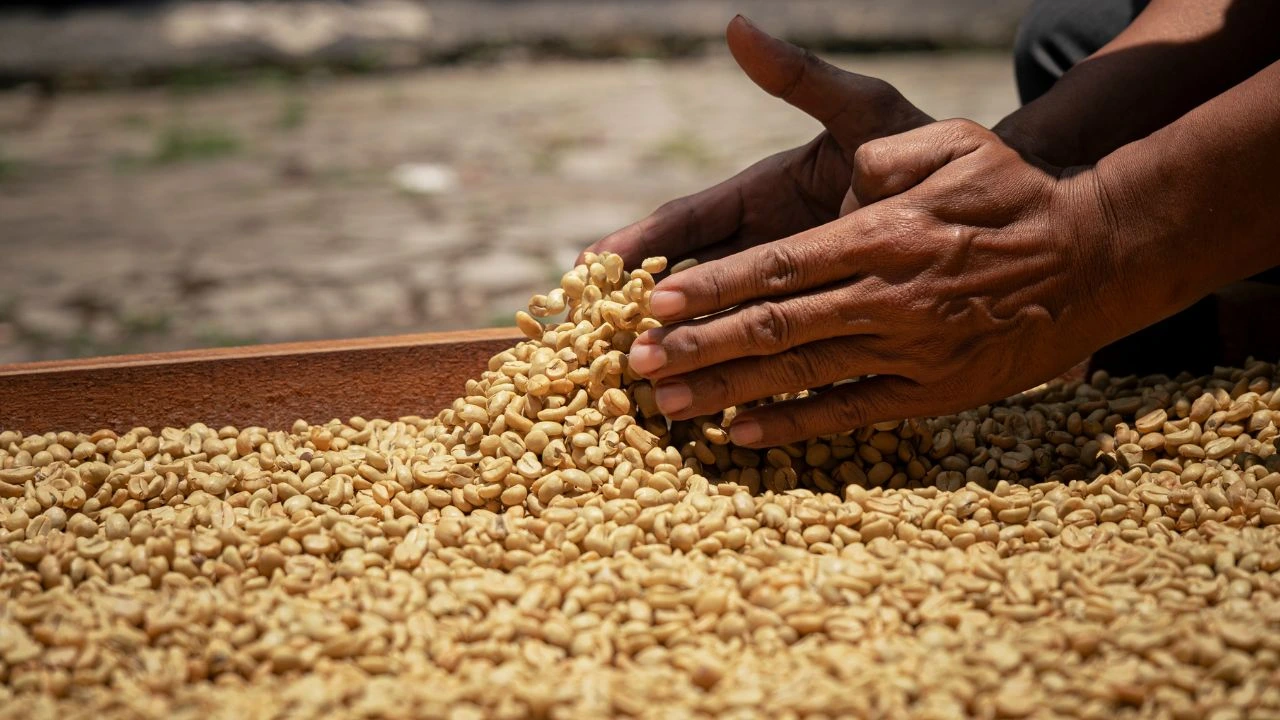
Post-harvest handling refers to the stages that occur immediately after coffee is harvested. These stages directly affect how clean the coffee tastes, how well it stores, and how consistent it remains from batch to batch.
In Bali, coffee production and careful post-harvest handling keep moisture levels steady and ensure beans are evenly prepared. This stability reduces the risk of flavor drift and supports repeatable performance across different production cycles.
For buyers who manage large orders or supply hospitality businesses, consistency often matters more than novelty. Stable menus and blends depend on reliable coffee quality over time.
How Bali’s Traditional Origin System Protects Coffee Quality
Kintamani Bali Arabica is protected under Indonesia’s Geographical Indication (GI) system, which legally defines where and how the coffee can be produced. This system was created to prevent mislabeling, protect farmers, and preserve the region’s unique flavor identity.
The GI framework is built on three connected controls:
1. Defined Production Zone
Coffee must come from the Kintamani highlands above 900 meters. The area was mapped and agreed upon by farmers, local government, and agricultural research bodies to avoid social conflict and ensure consistent results.
2. Subak Abian Community Enforcement
Farmers belong to traditional Subak Abian groups that operate under Tri Hita Karana. Each group creates written rules called awig-awig that govern harvest timing, selective picking, processing standards, and community discipline.
3. Multi-Level Monitoring
Quality and traceability are checked through farmer self-control, annual Subak Abian inspections, and random audits by the GI protection body.
This ensures that only coffee grown and handled in accordance with Kintamani standards enters the market.
The Geographical Indication (GI) system is a form of legal protection that links a product’s name to a specific place and its recognized quality. In Indonesia, GI status protects regional products such as Kintamani Bali coffee, ensuring that only coffee grown and prepared according to agreed local standards may use the name. This helps preserve authenticity, prevent misuse, and support fair value for both farmers and buyers.
Quality Standards Behind Consistent Bali Coffee
In Bali, coffee quality standards are based on results, not just promises. You can see these standards in cleanliness, structural integrity, and consistency from batch to batch.
Evaluation typically includes visual assessment, moisture stability checks, and cupping to ensure the coffee meets professional standards before entering the supply chain.
When quality standards are applied consistently, Bali coffee maintains its reputation for balance and reliability.
This approach helps both specialty coffee programs and commercial operations that require stable, repeatable results.
Moisture stability checks measure the amount of water retained in green coffee beans and how evenly that moisture is distributed. Stable moisture levels help prevent mold growth, reduce flavor degradation, and support even roasting, allowing coffee to be stored safely and perform consistently across batches and roasting programs.
How Bali Coffee Performs Across Roasting and Brewing
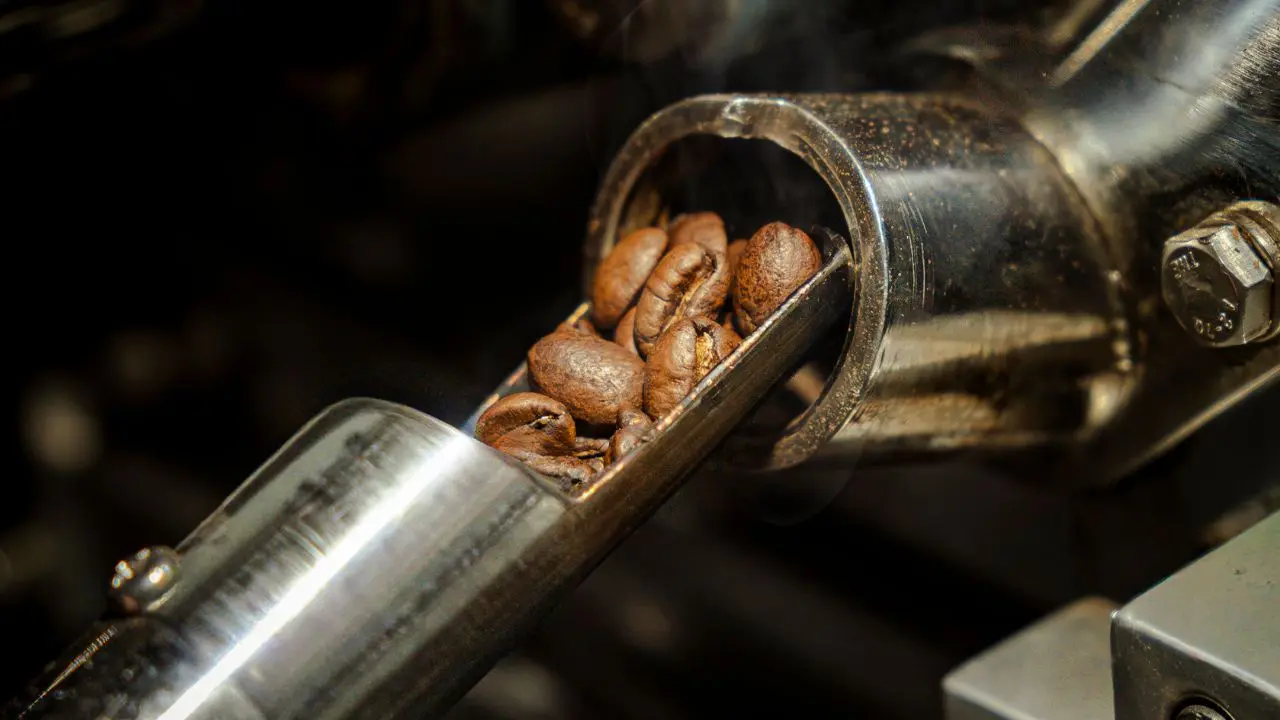
One of the strengths of Bali coffee is its adaptability. When carefully processed and evaluated, Bali coffee performs well across a range of roast profiles.
Lighter roasts bring out citrus notes and clear aromas, while medium roasts offer a balanced taste and gentle sweetness. This flexibility allows roasters to use Bali coffee across a range of products without compromising quality.
If you want to learn how different coffee profiles change with heat and time, check out our guide to coffee roasting. It explains how origin and preparation affect consistency when roasting large batches.
Different Processing Styles Shape Bali Coffee Flavor
While Bali coffee is known for its clean, balanced profile, flavor differences can still appear across the market. These variations often come from how coffee cherries are handled and dried after harvest.
Across Bali, producers may use different post-harvest approaches that influence body, sweetness, and aroma. Two common styles are natural process and honey process.
Understanding these styles helps buyers recognise why some Bali coffees taste fruitier, sweeter, or heavier than others.
| Feature | Natural-Processed Bali Coffee | Honey-Processed Bali Coffee |
| Primary Taste | Mature fruit, raisin-like sweetness | Intense honey-like sweetness |
| Acidity | Generally low | More balanced |
| Body | Full and rich | Medium with strong sweetness |
| Common Aromas | Cinnamon, fresh earth | Caramel, honey |
| Aftertaste | Fruit-driven, softer finish | Long-lasting sweet finish |
Is Bali Coffee Suitable for Commercial and Specialty Programs?

With good quality standards and traceability, Bali coffee consistently delivers in both specialty and commercial settings.
Its clean taste, balanced structure, and flexibility make it a good fit for single-origin menus, espresso blends, and hospitality programs that require reliable quality at scale.
What matters most is not the marketing but how carefully the coffee is handled and inspected before it reaches the buyer.
Sourcing Bali Coffee With Confidence
Purity in Bali coffee is built through discipline, traceability, and consistency, not marketing claims.
Coffee grown in a specific region, handled carefully, and assessed against clear quality standards provides a reliable foundation for professional coffee programs.
Bali Origins supports this process by delivering Bali coffee that meets both commercial and specialty standards while keeping its unique origin character.
With careful handling, quality checks, and traceable sourcing, Bali Origins helps businesses secure Bali coffee that performs predictably across roasting, brewing, and large-scale supply.
For buyers looking to source Bali coffee with confidence, Bali Origins offers a steady path from the source to professional markets.
Bali Coffee FAQs:
What Is Bali Coffee?
Bali coffee refers to coffee grown on the island of Bali, primarily in the Kintamani highlands. It is known for its clean cup profile, citrus-led aroma, and balanced structure shaped by volcanic soil, cool mountain climate, and traditional farming systems.
Through Bali Origins, this coffee is selected from trusted plantations and processed under quality control to ensure buyers can source Bali coffee that meets international commercial and specialty standards.
Is Bali Coffee Good?
Yes. Bali coffee is widely valued for its clean flavor, balanced acidity, and smooth body. Grown in highland volcanic regions, Bali coffee develops natural citrus brightness and gentle sweetness, performing well in both filter and espresso applications.
When processed and evaluated under consistent quality standards, Bali coffee delivers reliable results for cafés, roasters, and hospitality programs. Bali Origins supports this by implementing strict quality control, traceability, and post-harvest oversight to ensure Bali coffee remains consistent and predictable for professional buyers.
What Makes Bali Coffee Unique Compared To Other Indonesian Coffees?
Bali coffee stands out for its clarity and citrus-driven flavor profile. While many Indonesian coffees are known for heavy body and earthy tones, Bali coffee offers a brighter, cleaner cup with gentle sweetness.
This difference stems from its high-altitude growing environment, volcanic soil, citrus intercropping, and structured, community-based farming systems that protect quality and origin identity.
Are There Bali Coffee Blends That Include Specific Regional Beans?
Yes, Bali coffee is often used both as a single origin and as part of blends that include beans from specific regions. Its clean and balanced profile makes it a strong foundation for blends, adding brightness and aroma when combined with fuller-bodied coffees from other Indonesian origins.
For buyers and roasters, this allows Bali coffee to support a wide range of flavor and performance goals across different products.
What Is Post Harvest Handling In Bali Coffee?
Post-harvest handling refers to the processes that occur to coffee after it is picked. This includes how it is prepared, dried, and stabilized before entering the supply chain.
In Bali, consistent post-harvest handling helps maintain even moisture levels and stable flavor profiles, which are essential for both specialty and commercial coffee programs.
Is Bali Coffee Suitable For Both Specialty And Commercial Use?
Yes, when quality standards and traceability are in place, Bali coffee performs well across specialty menus, espresso blends, and hospitality programs. Its clean profile and balanced structure make it adaptable to different roast styles and brewing formats.
How Does Bali Coffee Perform In Roasting?
Bali coffee works well across light to medium roast levels. Lighter roasts highlight citrus notes and aroma, while medium roasts bring out balance and gentle sweetness.
This makes Bali coffee suitable for roasters who want to use a single origin across multiple products.
How Does Bali Origins Support Purity And Consistency?
Coffee is selected by farmers from trusted plantations and guided by Bali Origins’ certified processing team through key post harvest stages.
This ensures clarity, stability, and consistency from harvest to final preparation, giving buyers confidence when sourcing Bali coffee for both specialty and commercial programs.