
Coffee roasting transforms green beans into the drink people enjoy daily. This process shapes the aroma, flavor, and quality of coffee served in cafés, restaurants, roasteries, and homes around the world.
For coffee buyers, roasters, and hospitality businesses, roasting is about more than flavor. It is about delivering the consistent results customers expect.
Every stage, from selecting green coffee to setting roast profiles and maintaining batch consistency, directly affects aroma, sweetness, acidity, body, and product performance over time.
Here are the main steps that take coffee from green beans to the final roast. Controlling the roasting process is important to maintain consistent quality, whether for specialty or commercial coffee.
Why Coffee Professionals Trust Bali Origins Green Coffee Beans
Bali Origins supplies specialty-grade Arabica and high-quality Robusta from hand-selected Indonesian origins, with a focus on post-harvest processing, quality control, and consistency for professional roasting applications.
Green coffee beans handled by Bali Origins are cultivated in fertile volcanic regions across Indonesia and processed under controlled conditions to ensure flavor clarity, moisture stability, and predictable roasting performance. Beans are selected by farmers from trusted plantations and guided by Bali Origins’ certified processing team throughout key post-harvest stages.
Arabica sourced by Bali Origins is known for refined acidity, floral aromatics, and a clean, structured profile suited to specialty and espresso roasting.
Robusta is selected for bold body, stable bitterness, rich crema, and consistent strength, making it suitable for espresso blends and high-volume commercial roasting.
Careful quality evaluation and moisture control support consistency across harvests and shipments, allowing roasters, cafés, and distributors to rely on repeatable results batch after batch.
How Green Coffee Beans Affect the Roasting Process
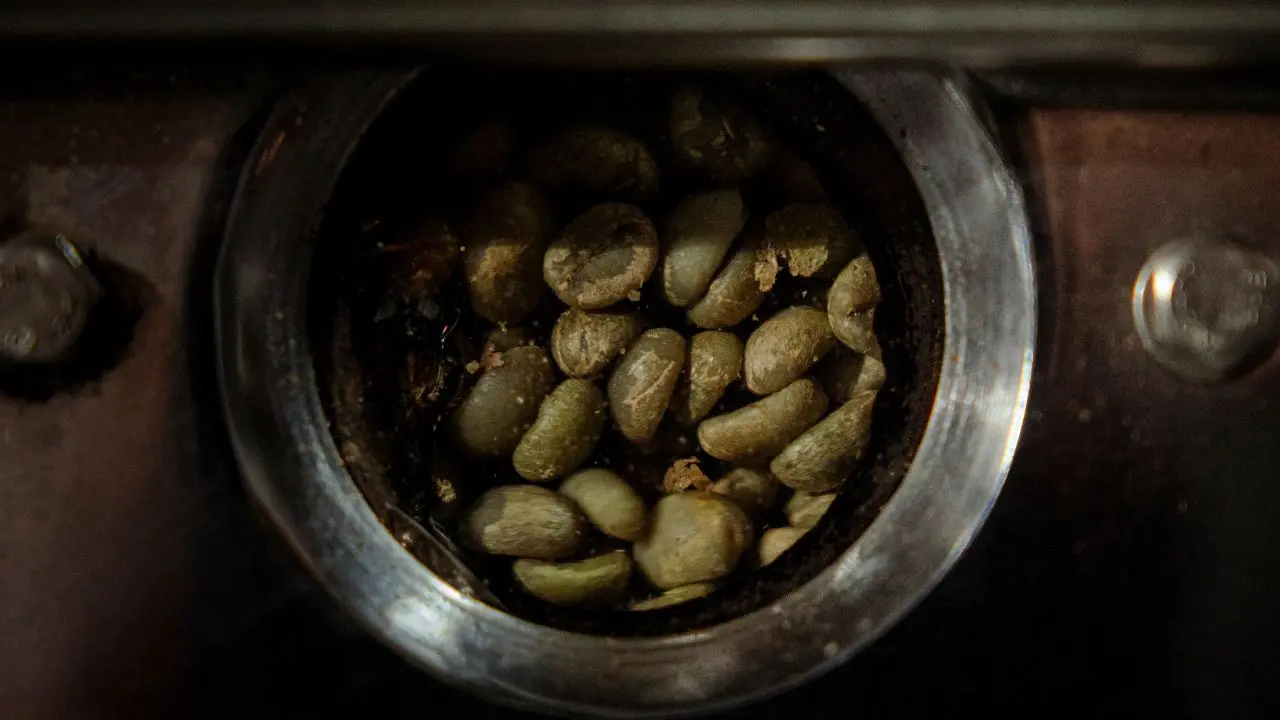
Green coffee beans are the raw, unroasted seeds inside the coffee cherry. They contain moisture, natural sugars, proteins, lipids, and organic acids, but lack aroma.
These compounds stay inactive until heat starts the reactions that create coffee’s natural flavor.
The bean’s makeup is important, so the quality of green coffee heavily affects the final cup and helps ensure consistent results.
Factors that determine how green coffee behaves during roasting include:
- Moisture stability
Stable moisture encourages even heat penetration and predictable roast progression. - Bean density
Beans with a more compact structure absorb heat more evenly, leading to clearer flavor development. - Screen size uniformity
Consistent bean size helps ensure beans roast evenly across batches. - Defect level
Lower defects produce cleaner flavors and clearer aromas. - Processing method
Washing, honey, and natural processing influence internal chemistry, moisture distribution, and flavor precursors, shaping roasting behavior and the final cup profile.
For green coffee buyers managing supply at scale, consistency in moisture levels, physical quality, and handling is essential. This stability ensures roasting results remain consistent across seasons and production cycles.
Bean density refers to how compact a coffee bean is. Denser beans tend to respond more evenly to heat during roasting, supporting balanced flavor development and delivering more consistent results.
How the Coffee Roasting Process Works
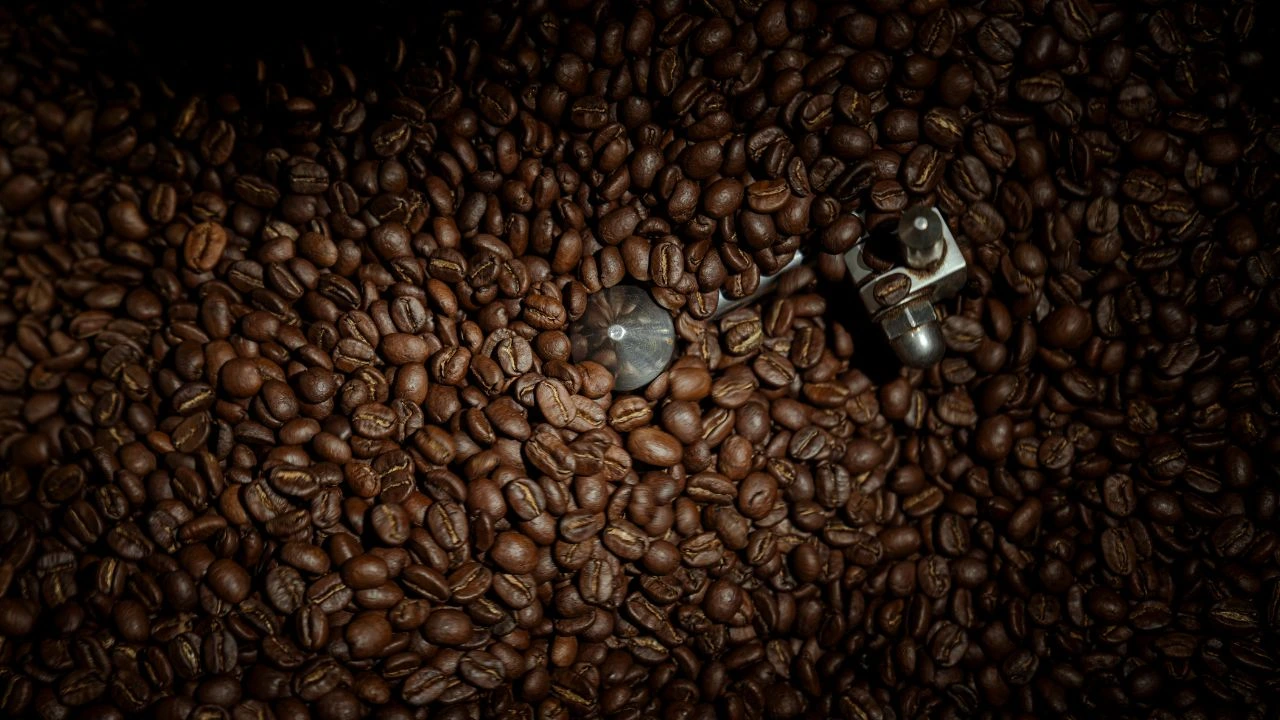
The roasting process uses controlled chemical reactions to develop flavor, aroma, and structure as green beans are heated. This step is essential for quality.
Most roasting occurs between 180 and 250 degrees Celsius for 7 to 20 minutes. During this process, beans release water vapour, carbon dioxide, and volatile compounds as they expand by 30% to 100% and lose 14% to 23% of their weight.
Key transformations occur through heat-driven reactions, including the Maillard reaction and caramelisation, which create the flavors and aromas associated with roasted coffee. These processes create hundreds of flavor and aroma compounds that define coffee quality.
The Maillard reaction is a series of chemical reactions that occur when food is heated, producing a brown colour and developing hundreds of flavor and aroma compounds in roasted foods.
During coffee roasting, the Maillard reaction transforms green coffee beans into aromatic roasted coffee. As heat rises, sugars and amino acids form compounds that add sweetness, caramel notes, nutty and toasted flavors, and depth.
This reaction is essential for flavor development before the final roast profile is determined in the development phase.
The Three Main Stages of Coffee Roasting
Coffee Roasting can be broken down into three main stages, each carefully monitored and controlled to ensure a high-quality result.
Stage One: Drying the Beans
Green coffee typically contains approximately 10 to 12% moisture. This water must evaporate before deeper browning reactions can occur.
During drying, beans reach approximately 160 degrees Celsius. Their colour shifts from green to pale yellow, and grassy aromas fade. Proper drying prepares the beans for even flavor development later in the roast.
Excess heat at this stage can flatten flavor and create baked notes, while insufficient drying disrupts later reactions and compromises consistency.
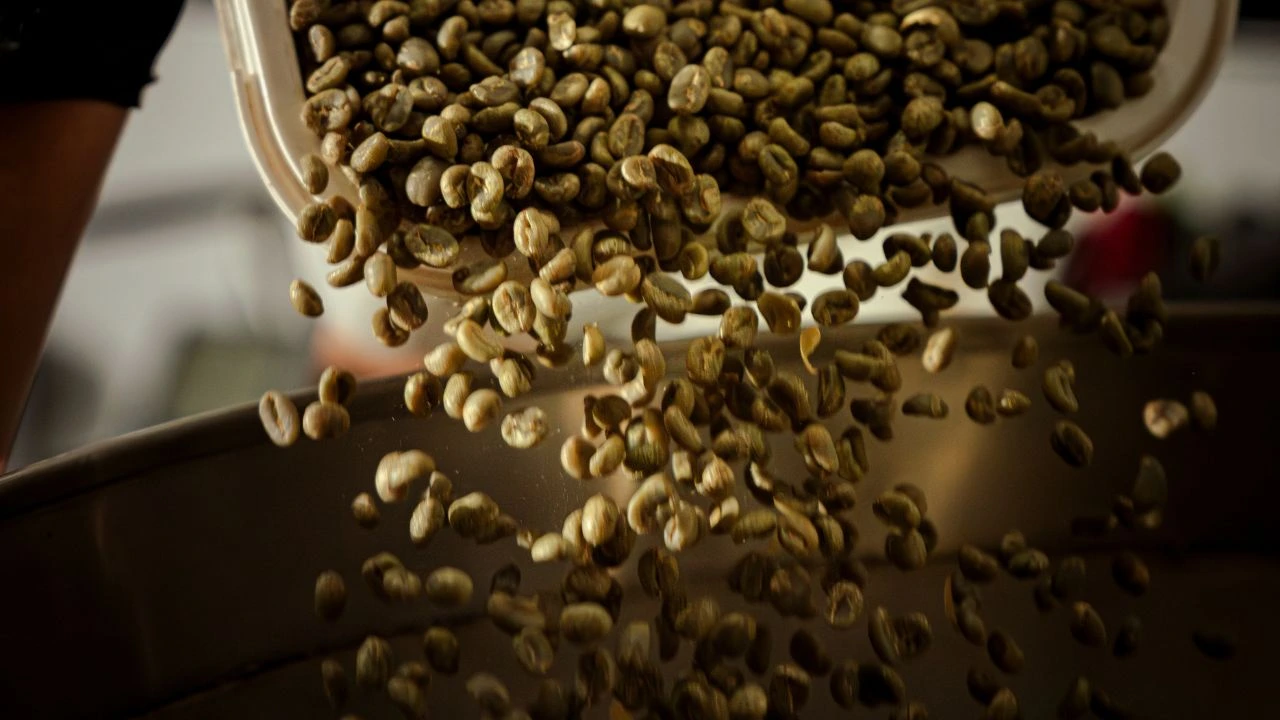
Stage Two: Flavor Development Begins
Once the beans are thoroughly dried, the temperature rises to 200 or up to 230 degrees Celsius. This stage is where most flavor development occurs, driven primarily by the Maillard reaction.
Sugars and amino acids react to form caramel sweetness and aromatic depth.
As internal pressure increases, beans reach first crack, an audible expansion indicating that the internal structure has opened and development has begun.
At this point, Arabica beans show floral, citrus, and fruity flavors. Robusta beans exhibit a clean bitterness, a cocoa-like depth, and a well-known strong body.
How much heat the beans absorb now depends on their density, moisture, and processing. Each coffee needs its own roasting curve.
First crack is a stage during roasting when coffee beans expand and make a popping sound. It signals the point where flavor development becomes more noticeable and is a key indicator of the roasting process.
Stage Three: Final Development and Cooling
After the first crack, the roaster shapes the final profile by controlling development time. Shorter development produces higher acidity and a lighter body, while longer development enhances sweetness and adds depth, especially for espresso.
Once development is complete, beans must be cooled within 3 to 5 minutes. Rapid cooling stops chemical reactions and preserves sweetness, acidity, and aromatic clarity.
After cooling, beans rest for 2 to 7 days. During this time, flavors stabilise, preparing the coffee for grinding and brewing.
The length and intensity of each phase determine the final roast profile.
How Roast Levels Shape Coffee Flavor

Roast level determines how sugars, acids, and aromatics express themselves in the final cup.
Light roast
Light brown with a dry surface, high acidity, and clear origin character. Best suited for pour-over and filter brewing.
Medium roast
Balanced sweetness and acidity with a fuller body. Commonly used for espresso and general café service.
Dark roast
Dark appearance with an oily surface, bold smoky flavors, and low acidity. Suitable for high-volume commercial use.
Roast level refers to how light or dark a coffee is roasted. It affects flavor, acidity, body, and how the coffee performs in different brewing methods.
Coffee Roast Levels at a Glance
Coffee Roast levels are commonly divided into three categories, as shown in the table below.
| Roast Level | Colour and Surface | Acidity | Body | Best For |
| Light | Light brown, dry | High | Light | Filter, pour-over, origin clarity |
| Medium | Medium brown | Moderate | Medium | Espresso, café menus |
| Dark | Dark brown to black, oily | Low | Full | Commercial blends, bold espresso |
How Roasting Shapes Flavor, Aroma, and Body

Roasting changes how coffee expresses itself in the cup. As heat is applied, sweetness becomes more pronounced, acidity shifts in character, and aroma begins to emerge.
Arabica typically develops a more expressive, aromatic profile, with notes ranging from floral and fruity to caramel-like sweetness, supported by brighter acidity.
Robusta brings strength and stability. Its bolder bitterness, fuller body, and thicker crema make it an important component in many espresso blends and commercial coffee programs.
An aromatic profile describes the range of smells and scent-related characteristics found in coffee. These aromas influence how coffee is perceived before tasting and contribute to the overall flavor experience.
Why Consistent Roasting Matters for Commercial Coffee
For large-scale roasting systems, consistency is more valuable than experimentation. A café chain or distributor must deliver the same flavor profile every day of the year.
In commercial roasting, small changes can affect how coffee tastes from batch to batch. Several factors influence roasting stability, including:
- Roaster calibration
- Batch size consistency
- Environmental temperature
- Green bean moisture
- Airflow control
- Charge temperature
Small changes to sweetness, acidity, or crema can affect how customers perceive coffee and how reliable a coffee brand appears.
Using high-quality green coffee helps lower this risk. When beans have consistent moisture and density, heat spreads more evenly, making it easier to achieve consistent results every time.
How Green Coffee Quality Affects Roasting Consistency
Many roasting issues begin with the green coffee itself, not the roasting process. When green coffee quality is inconsistent, it becomes more challenging to achieve even results from batch to batch.
High-quality green coffee provides a more reliable foundation. When beans are consistent, roasters can better manage sweetness, balance, and finish, while reducing waste and protecting overall product quality.
To understand how green bean species affect roasting behaviour, read more in our Arabica vs Robusta comparison.
Why the Coffee Roasting Process Matters for Buyers and Roasters
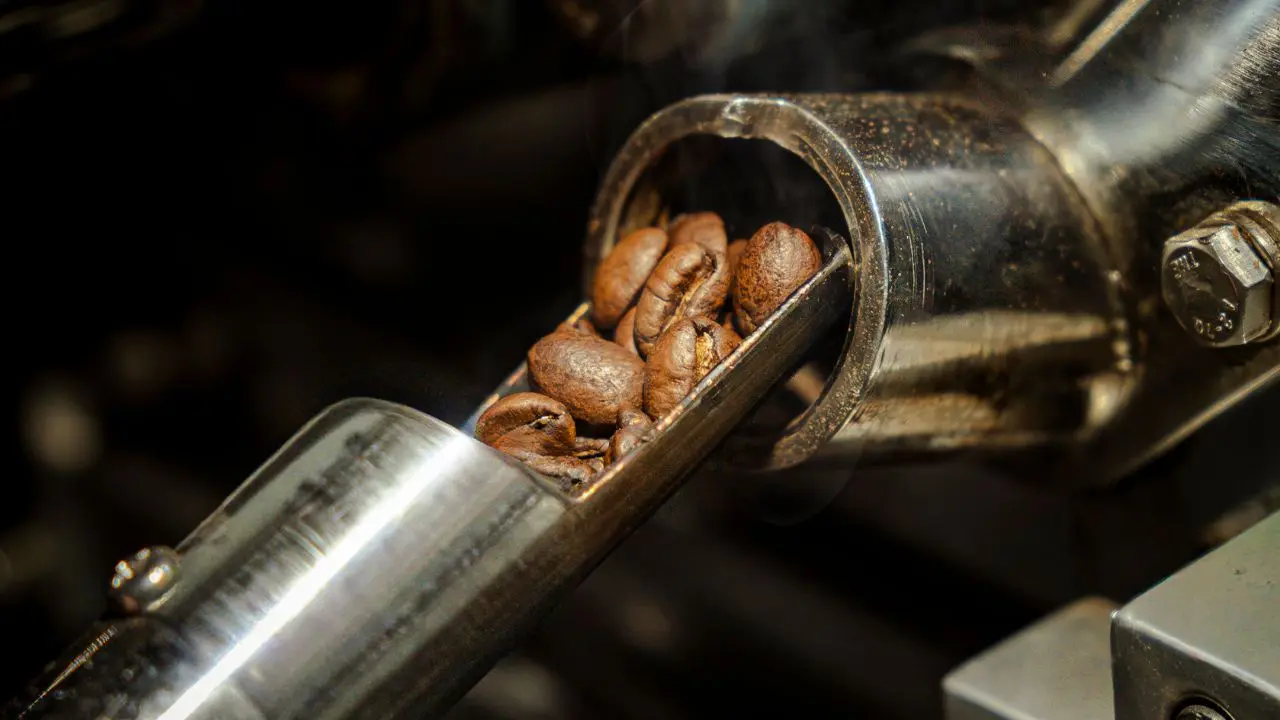
Understanding roasting helps buyers predict how coffee will perform at different roast levels, align sourcing with menu needs, and maintain consistent results throughout the year.
It also supports blend development by balancing sweetness, body, and crema while keeping production costs under control.
Arabica and Robusta play different but complementary roles within coffee programs, supporting both flavor-focused offerings and large-scale consistency.
For buyers and distributors, this understanding leads to more confident decisions around sourcing, supplier selection, and long-term planning. For roasters, roasting remains the final quality checkpoint before coffee reaches customers.
How Bali Origins Supports Consistent Coffee Roasting Performance
Bali Origins supplies green coffee (as well as roasted beans) designed for predictable roasting performance at any scale, supported by:
- Full traceability
- Stable moisture and bean consistency
- Clean, controlled processing
- Guidance from Bali Origins’ certified processing team – one-of-a-kind in Indonesia
- Consistency across harvest cycles
- Reliable long-term supply
The coffee roasting process, overseen by Bali Origins’ team of experts, transforms raw beans into rich, complex flavor profiles through precise control of heat and timing. Every stage is carefully monitored to ensure consistent quality, and the process is continuously refined using innovative methods that enhance both flavor and production reliability.
For coffee businesses, consistent roasting strengthens brand identity, improves cost efficiency, and supports long-term menu stability. Achieving these outcomes requires both effective roasting practices and high-quality, traceable green coffee.
Bali Origins offers carefully selected green Arabica and Robusta beans, developed through innovative methods and strict quality control to ensure reliable roasting performance, consistent flavor, and a sustainable supply. In addition to green beans, Bali Origins offers roasted coffee, crafted using the same rigorous, quality-controlled roasting process to deliver exceptional consistency and flavor in every batch.
Coffee Roasting FAQs:
What Happens During the Coffee Roasting Process?
During roasting, green coffee beans are carefully heated to bring out their full aroma, flavor, and body. As the beans heat, moisture is released, and natural sugars develop, creating the rich, complex flavors that define each coffee variety.
The roasting process also helps shape the coffee’s texture, balance, and overall character, turning raw beans into the flavorful, aromatic coffee we enjoy in every cup.
At What Temperature Are Coffee Beans Roasted?
Most coffee roasting occurs between 180 and 250 degrees Celsius. Within this range, roasters control heat and time to shape acidity, sweetness, body, and aroma depending on the desired roast profile.
How Long Does the Coffee Roasting Process Take?
Roasting typically lasts between 7 and 20 minutes, depending on the roasting system, bean characteristics, and target flavor profile.
Both time and temperature must be carefully managed to ensure consistent results.
Why Is Green Coffee Quality Important for Roasting?
Green coffee quality determines how beans absorb heat and develop flavor during roasting. Consistent moisture, density, and size, combined with low defect levels, enable even heat transfer, predictable development, and stable flavor across batches.
For professional roasters, this consistency starts at origin. Bali Origins supplies curated Arabica and Robusta with controlled processing, stable moisture, and rigorous quality control, helping roasters achieve reliable roast performance and repeatable flavor profiles at any scale.
Why Is Consistency Important in Commercial Coffee Roasting?
In commercial coffee programs, consistency ensures the same flavor profile is delivered across batches, seasons, and locations. Stable roasting supports brand identity, cost efficiency, and long-term customer trust.
By sourcing green coffee with predictable density, moisture, and traceability, businesses reduce flavor drift and operational risk. Bali Origins supports cafés, roasteries, and distributors with high-quality green coffee designed for consistent roasting results and dependable long-term supply.
What Is The Best Coffee Roasting Process?
There is no single best coffee roasting process, as optimal roasting depends on the bean’s origin, species, moisture content, and intended use.
The best roasting process matches heat, airflow, and development time to the specific characteristics of the green coffee, producing consistent flavor and predictable results across batches.
How Does Coffee Roasting Affect Caffeine Levels?
Coffee roasting has a minimal effect on caffeine content per unit weight. Light and dark roasts contain similar caffeine levels, although darker roasts lose more mass during roasting.
When measured by volume, lighter roasts may have slightly more caffeine because the beans are denser.
How Does Temperature Affect the Coffee Roasting Process?
Temperature controls how chemical reactions unfold during roasting. Lower temperatures with longer roast times tend to preserve acidity and origin character, while higher temperatures accelerate caramelisation and bitterness.
Careful temperature management ensures even heat transfer, stable flavor development, and consistent roasting results.
Why is Temperature Control Important in Coffee Roasting?
Precise temperature control enables roasters to manage moisture loss, browning, and development time.
Inconsistent temperatures can lead to uneven roasting, flavor imbalance, or batch variation, which is especially problematic for commercial roasting programs.