
Arabica and Robusta coffee beans are the most widely used in the coffee world, accounting for the majority of coffee served in cafés, sold in commercial chains, and available for purchase as beans or ground coffee.
Although both belong to the same coffee family, they differ in growth, flavor, roasting characteristics, and commercial applications.
For coffee enthusiasts, roasters, distributors, and hospitality businesses, understanding these differences is essential for ensuring consistency, controlling costs, and confidently choosing the right coffee every time.
Read on to see how Arabica and Robusta are different, from how they grow and taste to how each performs in roasting and commercial use.
How Bali Origins Delivers Premium Arabica and Robusta with Unmatched Quality
Bali Origins is a specialty coffee company that processes, refines, and quality-controls both Arabica and Robusta beans sourced from handpicked Indonesian origins. The company focuses on post-harvest processing, manufacturing, roasting preparation, and packaging to support global trading partners, distributors, and direct B2B buyers.
Arabica and Robusta handled by Bali Origins are cultivated in fertile volcanic regions across Indonesia and processed under carefully controlled conditions. This approach ensures clean post-harvest handling, stable flavor development, and consistent roasting performance across different applications.
Bali Origins Arabica is valued for its clarity, balanced acidity, and origin expression, making it suitable for specialty filter and espresso programs. Each batch is evaluated for quality, moisture control, and cup testing.
Bali Origins Robusta is designed for espresso blends and high-volume commercial roasting. These beans are selected by farmers from trusted plantations and guided by Bali Origins’ certified processing team to maintain clean bitterness, dense structure, and predictable roasting behaviour.
Through strict quality protocols, transparent sourcing, and disciplined post-harvest management, Bali Origins supports buyers across the specialty, hospitality, and large-scale commercial segments with unmatched quality.
What Is the Main Difference Between Arabica and Robusta?
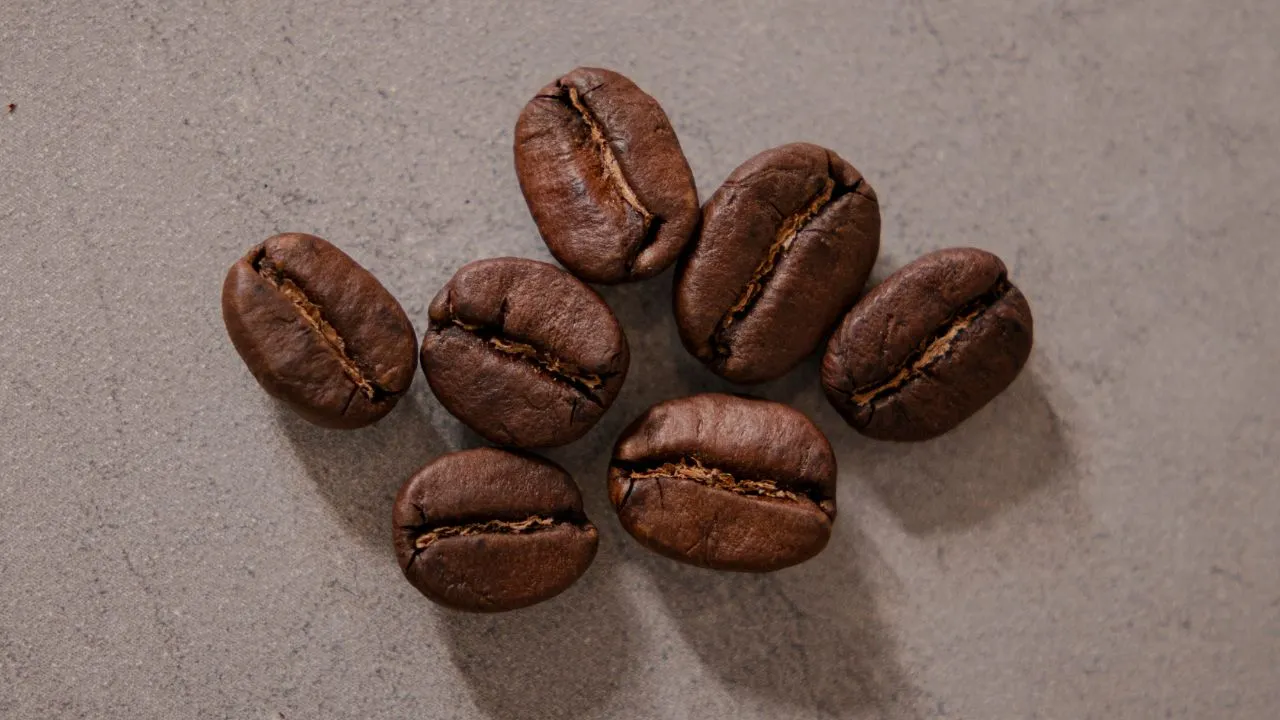
Before comparing flavor and performance, it helps to understand how Arabica and Robusta differ at a foundational level.
Coffee belongs to the Rubiaceae family and the Coffea genus, which includes a wide range of coffee plants cultivated worldwide. In global trade, however, Arabica and Robusta dominate production and consumption.
The key difference between the two lies in where and how they are grown. These growing conditions directly influence flavor, caffeine levels, yield, and commercial use.
Yield refers to the amount of coffee a plant produces during harvest. Higher yields can support a stable supply and help manage costs, particularly in large-scale coffee production. However, focusing solely on quantity should never come at the expense of quality, as the best coffee balances both productivity and flavor.
Arabica Origins and Spread
Arabica originated in the highland forests of Ethiopia before being cultivated more systematically in Yemen. From this early Arabian trading centre, Arabica spread across Asia and Europe, and later to the Americas.
This expansion gave rise to two foundational genetic lineages that still define most Arabica varieties today: Typica and Bourbon.
Arabica grows best in cooler climates at elevations between 800 and 2,000 metres above sea level. This coffee type is widely known for its smoother texture, natural sweetness, aromatic complexity, and balanced acidity.
Today, Arabica accounts for approximately 60 percent of global coffee production and remains the dominant coffee type in the specialty coffee market.
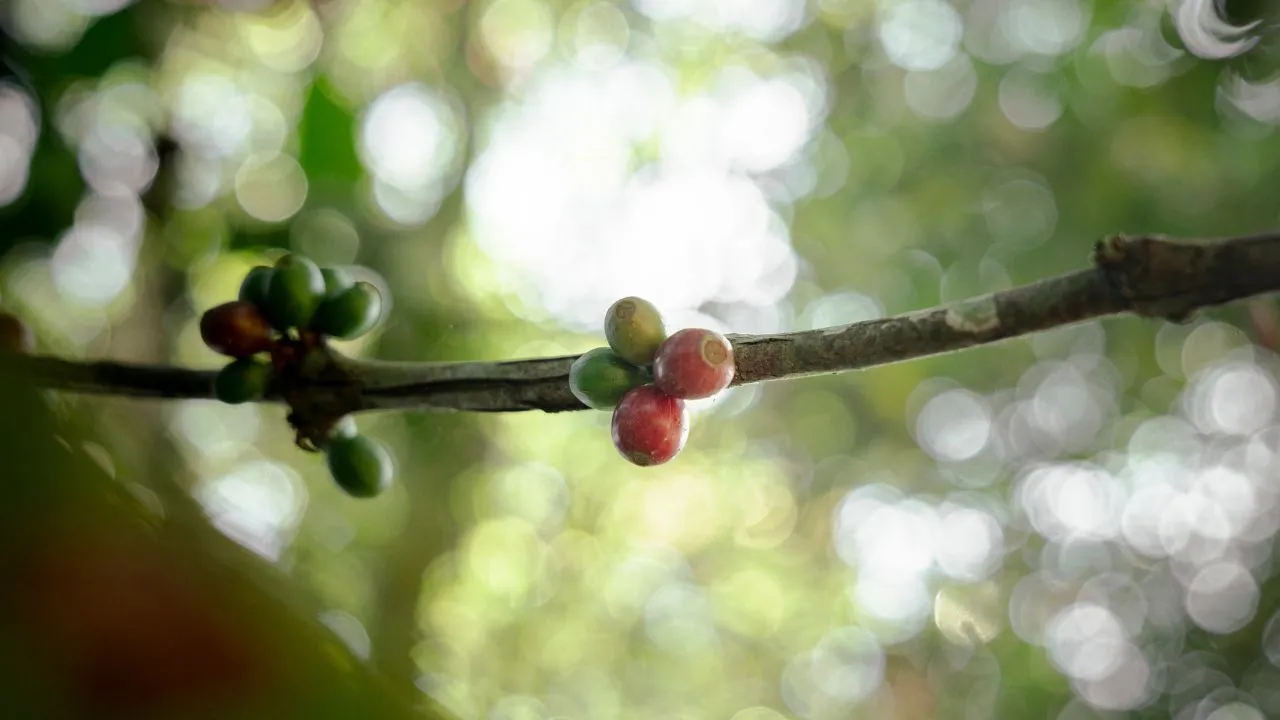
Robusta Origins and Expansion
Robusta originated in the lowland forests of Central and West Africa and was identified in the late nineteenth century during botanical research in the Congo Basin.
Robusta thrives in hot, humid climates at elevations between 100 and 1,000 metres above sea level. Its strong tolerance to heat, pests, and disease allowed it to spread rapidly across Africa, Southeast Asia, and South America, particularly after coffee leaf rust damaged many Arabica-focused regions.
Today, leading Robusta-producing countries include Vietnam, Brazil, Indonesia, Uganda, and India.
Arabica dominates cooler highland zones, while Robusta performs best in warm lowland environments. These environmental differences shape flavor development, caffeine content, yield, and supply stability.
Key Differences Between Arabica and Robusta Coffee at a Glance
| Feature | Arabica Coffee | Robusta Coffee |
| Origin | Highland forests of Ethiopia | Lowland forests of Central & West Africa |
| Growing Elevation | 800–2,000 meters above sea level | 100–1,000 meters above sea level |
| Plant Resilience | More delicate, sensitive to pests and climate stress | Highly resilient to heat, humidity, and disease |
| Yield per Plant | Around 3 to 7 kg per plant | Around 8 to 18 kg per plant |
| Caffeine Content | Approximately 1.2 to 1.5% | Approximately 2.2 to 2.7% |
| Flavor Profile | Sweet, complex, aromatic, bright acidity | Bold, bitter, earthy, woody, cocoa-like |
| Primary Commercial Use | Specialty coffee, filter brew, premium espresso | Espresso blends, instant coffee, and high-volume roasting |
| Bean Shape | Elongated with a curved center crease | Rounder with a straight center crease |
Arabica vs Robusta in Caffeine, Yield, and Commercial Role
Arabica naturally contains less caffeine than Robusta, yet delivers greater aromatic complexity and flavor layering. Typical caffeine levels include:
- Arabica: around 1.2 to 1.5 percent
- Robusta: around 2.2 to 2.7 percent
Robusta, therefore, contains nearly double the caffeine of Arabica. This contributes to stronger bitterness, greater natural pest resistance, and higher extraction strength in espresso formats.
Productivity is another critical commercial difference. On average:
- Arabica yields 3 to 7 kilograms per plant
- Robusta yields 8 to 18 kilograms per plant
This yield advantage explains why Robusta dominates large-scale commercial production.
Despite its volume, only a small percentage of global Robusta qualifies as high-quality. In the 2019 to 2020 season, global Robusta production reached about 73 million 60-kilogram bags, but less than one percent met high-quality standards.
This shows the industry’s challenge of balancing volume with premium quality, highlighting the need for tighter post-harvest quality controls, such as those implemented by Bali Origins across Indonesia.
For farmers, Robusta offers higher yields, lower cultivation risk, and more stable income, which is essential given the 12- to 15-year renovation cycles coffee plants go through.
A coffee renovation cycle is the planned process of renewing or replacing aging coffee plants to maintain healthy yields, consistent quality, and long-term farm sustainability. A cycle typically lasts 12 to 15 years.
How Arabica and Robusta Coffee Differ in Bean Shape and Flavor Profile
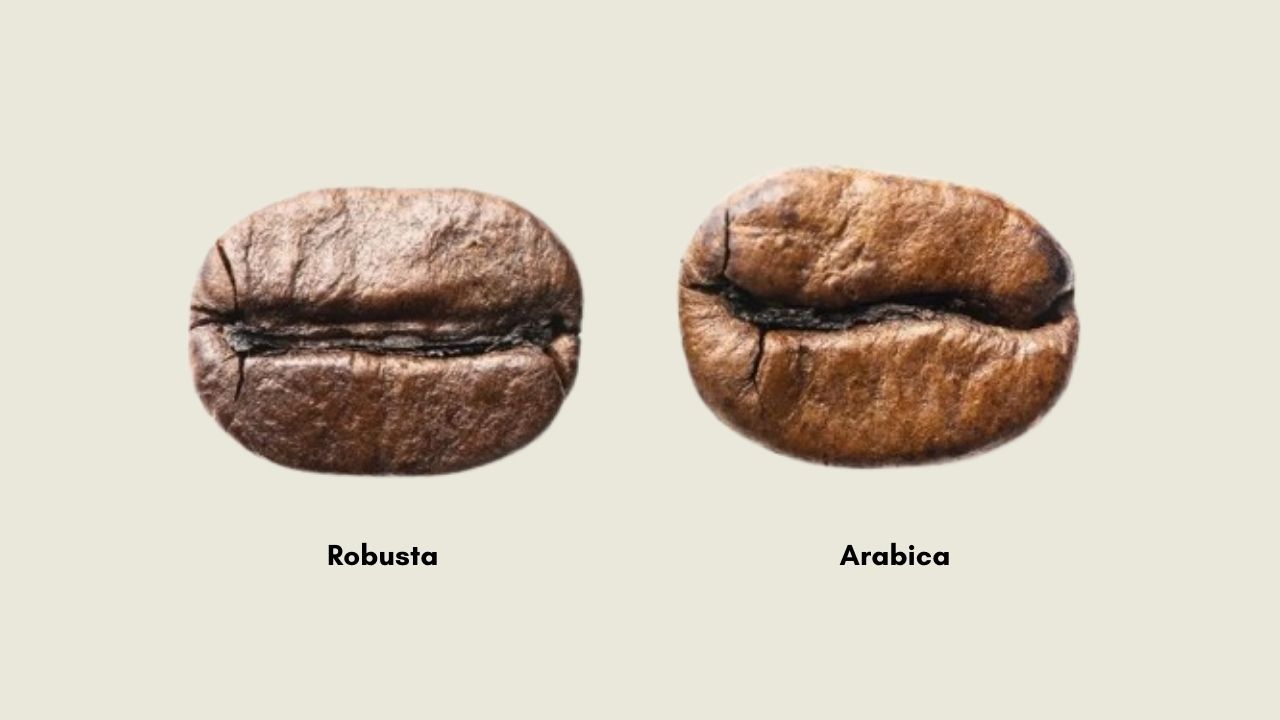
The distinction between Arabica and Robusta is visible even before roasting.
Arabica beans are usually longer and more elongated, with a curved line running through the centre, while Robusta beans tend to be rounder and shorter, with a straighter centre line. These differences affect how each coffee behaves during roasting and how flavor develops in the cup.
Arabica is often associated with sweetness, brightness, and aromatic complexity. It commonly shows notes of floral, citrus, fruit, caramel, or chocolate.
Robusta offers a firmer, more grounded profile. Its clean bitterness and earthy, cocoa-like character provide strength and consistency, making it a reliable component in espresso blends and commercial coffee formats.
An espresso blend is a combination of coffee varieties or origins designed to produce balanced flavor, body, and crema when brewed as espresso. Blending helps achieve consistent performance and taste across batches.
How Arabica and Robusta Perform in the Coffee Roaster
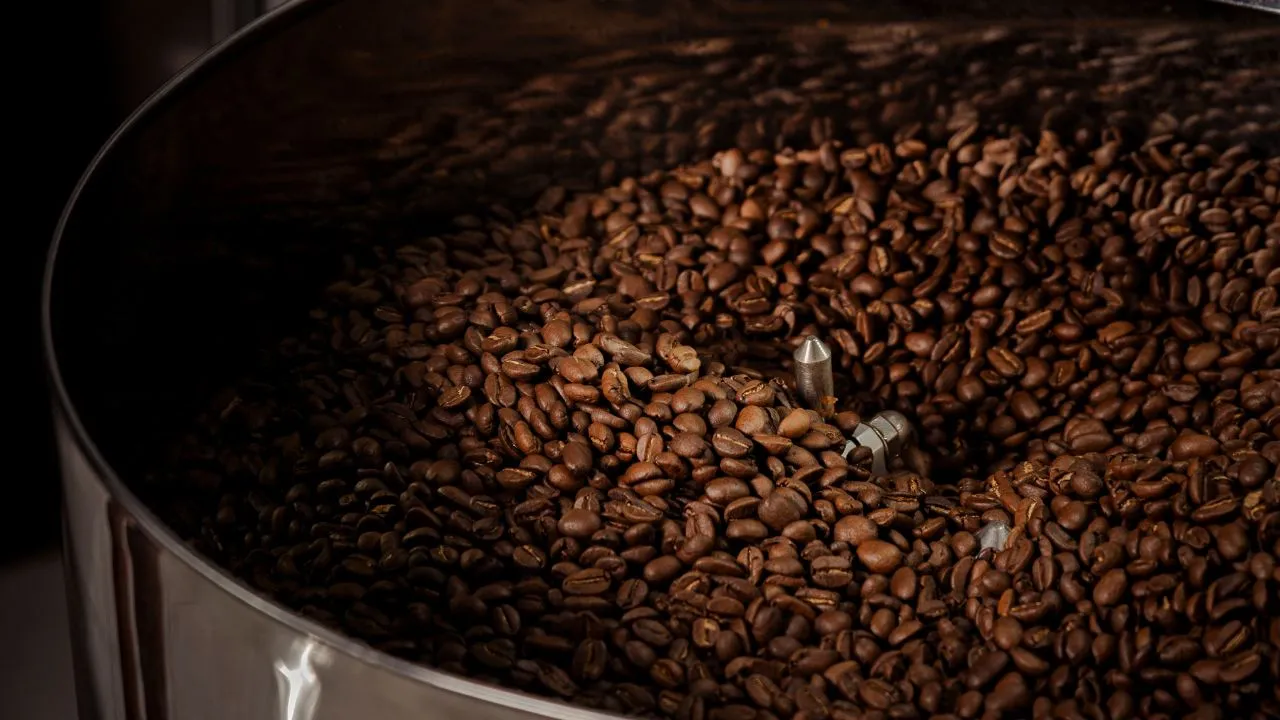
Arabica is more sensitive during roasting. Small changes in temperature or timing can noticeably affect sweetness, acidity, and aroma. This sensitivity makes Arabica well-suited to specialty filter coffees and espresso styles that prioritise clarity and flavor detail.
Robusta is more heat-tolerant and remains stable at higher roasting temperatures and darker roasts. It delivers consistent results across batches, making it a practical choice for applications that require reliability and strength, such as:
- Dark roast programs
- Espresso blends
- Instant coffee production
- High-volume commercial roasting
For a deeper look at the commercial performance of Robusta, explore our Robusta coffee guide.
Roasting stability refers to how consistently coffee beans respond during the roasting process, producing reliable flavor, color, and development across multiple roast batches. It is influenced by factors such as bean density, moisture content, processing method, and overall green coffee quality.
Global Coffee Demand and Market Growth for Arabica and Robusta
Global coffee consumption continues to rise by approximately 1 to 2% annually, driven by the expansion of café culture, specialty coffee, and growing demand across Asia and emerging markets.
According to the International Coffee Organization (ICO), the global coffee market is valued at approximately US $200 billion annually, encompassing the green coffee trade, roasted products, retail, and foodservice.
Price trend analysis published by Statista Research Department shows:
- Arabica averaged US $2.93 per kilogram in 2018, projected to reach around US $6.9 by 2027
- Robusta averaged US $1.87 per kilogram in 2018, projected to reach around US $4.6 by 2027
Arabica commands higher prices due to flavor complexity and specialty demand, while Robusta remains essential for volume-driven production, instant coffee manufacturing, and espresso blend construction.
Green coffee refers to raw coffee beans that have been processed and dried but not yet roasted. Green coffee is the form traded globally and is the starting point for roasting, blending, and commercial coffee production.
Arabica and Robusta for Espresso Blends
Robusta is widely used in instant coffee and traditional espresso blends for its strength and contribution to crema.
Robusta adds thick, long-lasting crema, strong extraction, and stability and balance in blends.
Arabica offers sweetness, acidity, and aromatic balance. Many classic espresso blends combine both, often using 30 to 50 percent Robusta to balance flavor, body, and crema performance.
Extraction is the process by which flavor and strength are released from coffee during brewing. Strong extraction results in a bold, noticeable taste, especially in espresso and milk-based drinks.
Which One Is Better: Arabica or Robusta?
Neither Arabica nor Robusta is objectively better. Each serves a different purpose.
Arabica is preferred when flavor clarity, acidity, and aromatic expression are the priority. Robusta is chosen when strength, crema, consistency, and cost efficiency are most important.
The right choice depends on product goals, target markets, operational requirements, and personal taste.
Why Understanding Arabica vs Robusta Matters for Coffee Buyers
For coffee buyers, understanding the difference between Arabica and Robusta is essential for:
- Building stable product lines
- Controlling cost structures
- Managing green coffee supply
- Designing espresso blends
- Maintaining flavor consistency across batches
This knowledge allows buyers to align sourcing decisions with both brand identity and operational limitations.
How Bali Origins Supports Buyers Sourcing Both Arabica and Robusta
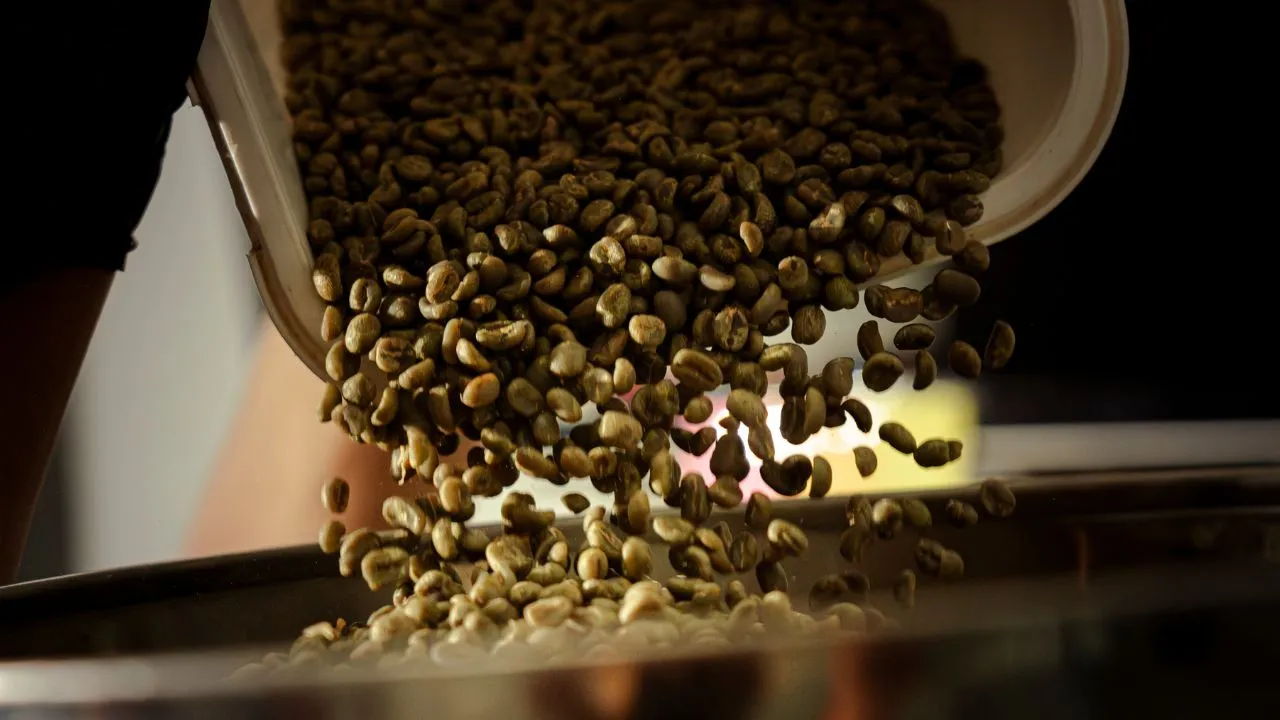
Bali Origins supports buyers sourcing Arabica and Robusta through disciplined processing, strict quality control, and transparent sourcing from the best Indonesian origins.
Arabica is selected for clarity, acidity, and a traceable origin. Robusta is selected for structure, clean bitterness, and consistent roasting performance.
Through moisture control, physical quality evaluation, cup testing, and professional post-harvest management, Bali Origins supplies green coffee that performs reliably across specialty, hospitality, and large-scale commercial programs.
Arabica and Robusta differ in growth conditions, flavor expression, and commercial performance. Arabica offers refinement and complexity, while Robusta delivers strength, stability, and scale.
If your business works with Arabica, Robusta, or both across specialty and commercial programs, Bali Origins provides professionally curated and fully traceable green coffee beans, with roasted beans available upon request, to support consistent quality and long-term production needs.
Arabica vs Robusta FAQs
Which Coffee Is Better, Robusta or Arabica?
Arabica and Robusta are both great coffee choices, but they serve different tastes and needs. Arabica is smoother, sweeter, and more aromatic, which makes it popular for specialty coffee and cafés. Robusta is stronger, more intense, and higher in caffeine, making it ideal for espresso blends and bold coffee lovers.
At Bali Origins, both Arabica and Robusta are carefully selected to ensure consumers enjoy the best version of each coffee type.
Which Is More Expensive, Arabica or Robusta?
Arabica coffee is consistently more expensive than Robusta in the global market. This price difference reflects Arabica’s lower yields, higher cultivation risk, and stronger demand in the specialty segment.
Robusta is more affordable due to its higher productivity, stronger plant resilience, and suitability for large-scale farming. This pricing structure makes Robusta essential for volume-driven production, while Arabica dominates premium and specialty categories.
How Do Arabica and Robusta Differ in Taste?
Arabica offers a sweeter, cleaner, and more aromatic flavor profile with notes that may include citrus, florals, ripe fruit, caramel, and chocolate. Its acidity is bright and balanced.
Robusta delivers a stronger, bolder profile characterized by clean bitterness, earthy depth, woody tones, and dark cocoa notes. While less aromatic than Arabica, Robusta contributes body, intensity, and persistence in the cup.
Bali Origins processes both varieties carefully so each cup shows its best character without harsh flavors.
What Is the Difference Between Arabica and Robusta Bean Size?
Arabica beans are typically larger, more elongated, and feature a curved center crease. Robusta beans are generally smaller and rounder, with a straight central crease.
These physical differences affect how the beans behave during roasting and extraction, contributing to their distinct cup performance.
Is Arabica or Robusta More Bitter?
Robusta is naturally more bitter than Arabica due to its significantly higher caffeine content and lower natural sugar levels.
Arabica contains more natural sugars and lipids, resulting in a smoother, sweeter, more balanced flavor, even at darker roast levels.
Which Has More Caffeine, Arabica or Robusta?
Robusta contains nearly twice as much caffeine as Arabica. Arabica typically ranges from 1.2 to 1.5 percent caffeine, while Robusta averages between 2.2 and 2.7 percent.
This higher caffeine content contributes to Robusta’s stronger bitterness, higher crema production in espresso, and greater natural resistance to pests.
Is Arabica or Robusta Better for Home Espresso Machines?
Both Arabica and Robusta can perform well in home espresso machines, depending on the desired result. Arabica is preferred for lighter, more aromatic espresso with brighter acidity.
Robusta is preferred when a thicker crema, stronger body, and higher caffeine impact are desired. Many home espresso users choose blends that combine Arabica’s sweetness with Robusta’s structure for balanced performance.
What Is an Arabica & Robusta Blend?
An Arabica & Robusta blend combines both beans to balance sweetness, aroma, body, and crema. Arabica gives the flavor complexity, while Robusta adds strength and crema. Many traditional espresso blends use both.
At Bali Origins, these blends are designed for cafés, hotels, and home brewers who want consistent, well-rounded espresso performance.